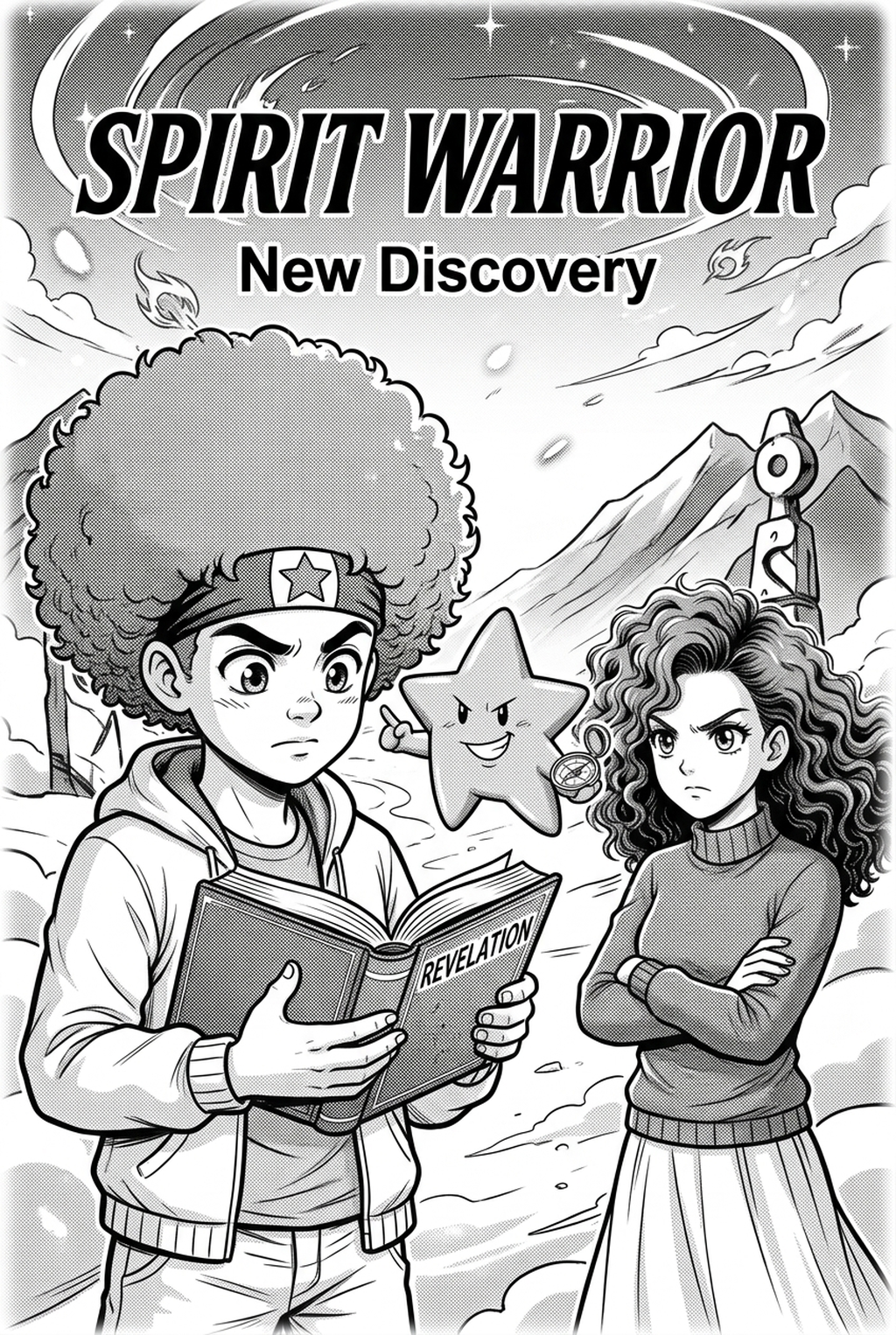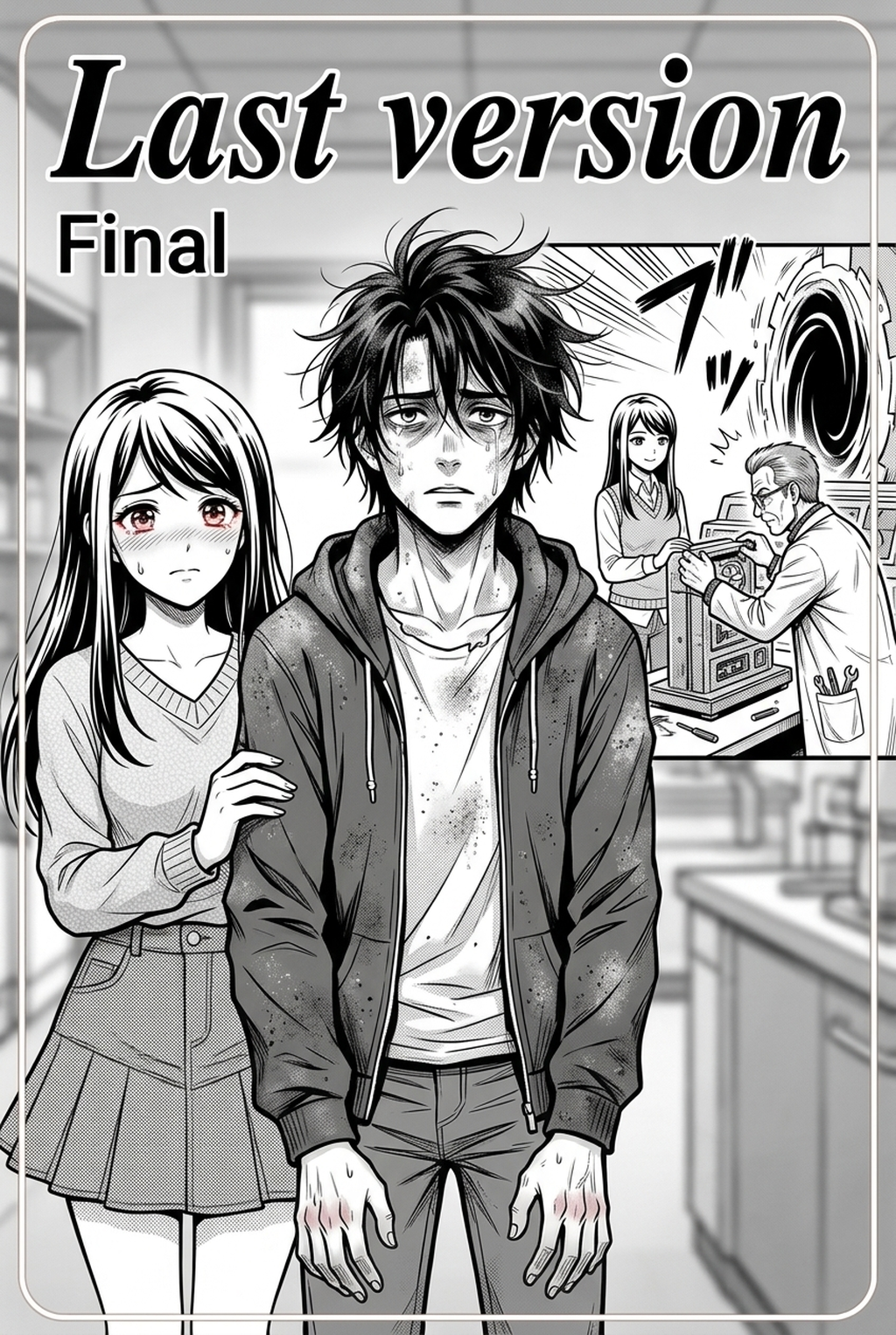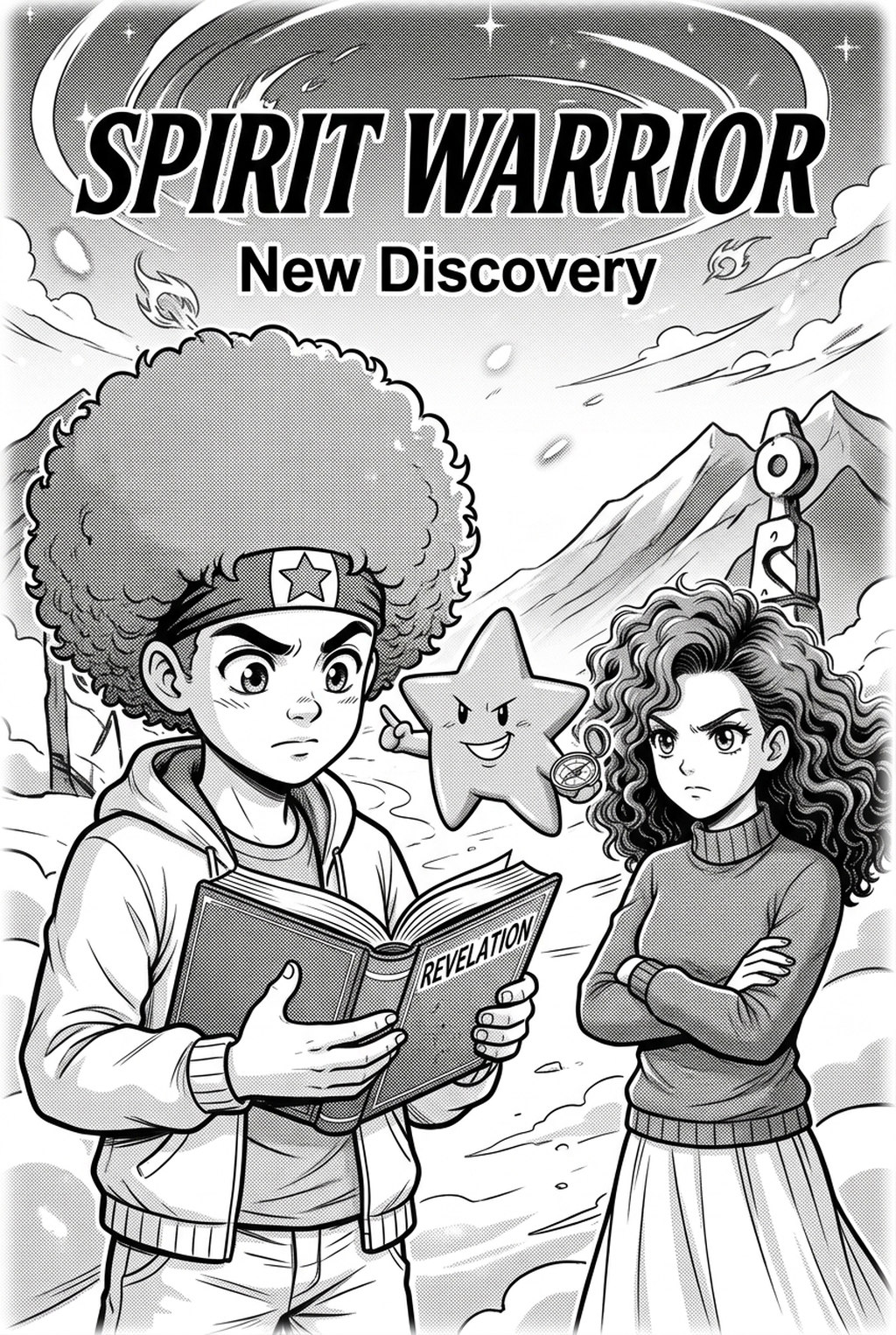
AI Manga Style Transfer: The Foundations of Minimalist Character Design
The Chiikawa style centers on 'blob-like' character silhouettes that prioritize rapid viewer recognition and emotional clarity over anatomical realism. By stripping away non-essential skeletal structures, you focus the reader’s eye on the core narrative action within the panel.
To achieve this, you must rely on simple, dot-like eyes and minimal facial line work that relies on placement rather than detail. These 'soft' rounded shapes are intentionally designed to trigger comfort, a key requirement for slice-of-life pacing where complex action sequences would disrupt the intended atmospheric tone.
Technically, this style succeeds because it enforces thin, consistent line weights and a flat coloring approach that completely avoids complex shading or gradient textures. For creators, this translates to a massive reduction in layer management, as you no longer need to maintain intricate drop shadows or cross-hatching to define depth within a character's facial features.
- Chapter cadence. Use the AI pass for pages where speed matters most, such as repeated action poses, transformation beats, or dense speed-line panels. Keep manual cleanup for hero panels where the line style defines the emotional peak.
- Character continuity. Compare the generated lines against the same model sheet, costume notes, and facial-expression range used during sketching. This prevents a fast inking pass from drifting away from the character identity readers recognize.
- Export readiness. Check whether the final manga output can move into lettering, coloring, or final layout without rebuilding panel borders or speech-bubble space. A good manga workflow should save time while keeping the next production step predictable.
Why Minimalism Optimizes Serialized Pacing
Minimalist styles significantly reduce production time for serialized content, allowing for faster turnaround on daily or vertical-scroll vertical comic platforms panels. Because the aesthetic requires fewer strokes per frame, you can push out daily updates without sacrificing the clarity of the character’s emotional state.
Audience engagement thrives on these designs because the simplicity creates a 'blank slate' effect, making the characters more relatable and expressive in comedic or tragic contexts. When the visual noise is suppressed, the reader isn't distracted by the rendering of the hair or fabric, but instead stays focused on the character's reaction.
From a delivery format perspective, these designs remain clear and impactful even on small mobile screens, a critical requirement for today’s vertical comic platforms-centric market. A highly detailed character portrait often turns into a muddy mess on a 6-inch phone, but the clean, rounded lines of this style retain their structural integrity regardless of the display resolution.
How Chiikawa Art Style Works with Mangaka
You can use AI style transfer to apply the core Chiikawa design philosophy to your existing sketches, automatically adjusting proportions and simplifying line density. By uploading a source context—such as a rough storyboard or a charcoal sketch—our engine re-renders your input into the requested 'soft-minimalist' look with one click.
This workflow allows you to maintain your own character narrative while achieving a consistent aesthetic finish that mimics high-end minimalist design standards without requiring you to manually re-ink every single panel. You simply define the base shapes in your storyboard phase, and the system ensures that the line-weight drift—a common issue when inking by hand—is eliminated during the final generation of your PNG or PSD assets.
If you are currently struggling with high-fidelity sketches that look cluttered, you can use the AI to force a simplification of your line density before you ever start the color pass. This process preserves the source context of the character's pose while ensuring the final output matches the rounded, expressive standard required for this aesthetic.
Industry Applications and Creative Utility
This style is perfect for 'Iyashikei' slice-of-life manga where the focus is on emotional atmosphere rather than high-fidelity action sequences. By prioritizing comfort, you create a dedicated safe space for the reader, which encourages repeat visits and a loyal following for your ongoing web-based series.
Ideal for social media-based serialization where high readability and rapid content consumption are key to audience retention, this aesthetic works well in both wide-panel and vertical-scroll formats. Because the designs are so recognizable, they remain highly effective when cropped into smaller social-media thumbnails, ensuring your content stands out in a crowded feed.
The design logic is inherently useful for mascot-driven branding or merchandising where simplistic character designs are more scalable across physical products. A character that relies on clean, single-weight lines is significantly cheaper and easier to print on physical goods like stickers, keychains, or apparel, compared to a character with complex rendering, hair highlights, or heavy color gradients.
How to Get Started with Mangaka
Begin by identifying the 'source context' of your characters: keep base shapes round and expressive, even if your original sketch is detailed. Your primary goal during the initial drafting stage should be to establish the emotional core of the panel, as the AI will handle the reduction of visual complexity during the style-transfer pass.
Executing the Transformation. Once you have your drafted panels, visit Chiikawa art style and select your target style presets to transform complex line work into the simplified aesthetic. The tool excels at maintaining the integrity of your original silhouette while converting your messy pencil lines into the clean, uniform look essential for this specific genre.
Use the tool to refine consistency across a full chapter, ensuring that character expressions maintain their emotional weight despite the reduced visual complexity. If you notice any misaligned speech-bubble gutters or character-proportion drift during the export phase, you can quickly adjust the source sketch and generate a refined panel within seconds.
The Bottom Line
The Chiikawa style represents an influential shift toward minimalist visual storytelling, offering a high-impact solution for modern web-based manga production. By leveraging AI tools like Mangaka, creators can bridge the gap between creative intent and efficient production, allowing you to focus on the story rather than labor-intensive line work. Ready to see your own characters in this aesthetic? Chiikawa art style
Related articles
Understanding Rakugo Manga Art Style for Modern Creators
Decoding the Jojos Bizarre Adventure Art Style Evolution
Shinsengumi Manga Character Design: A Creator’s Guide 2026