Defining the Ecchi Manga Aesthetic
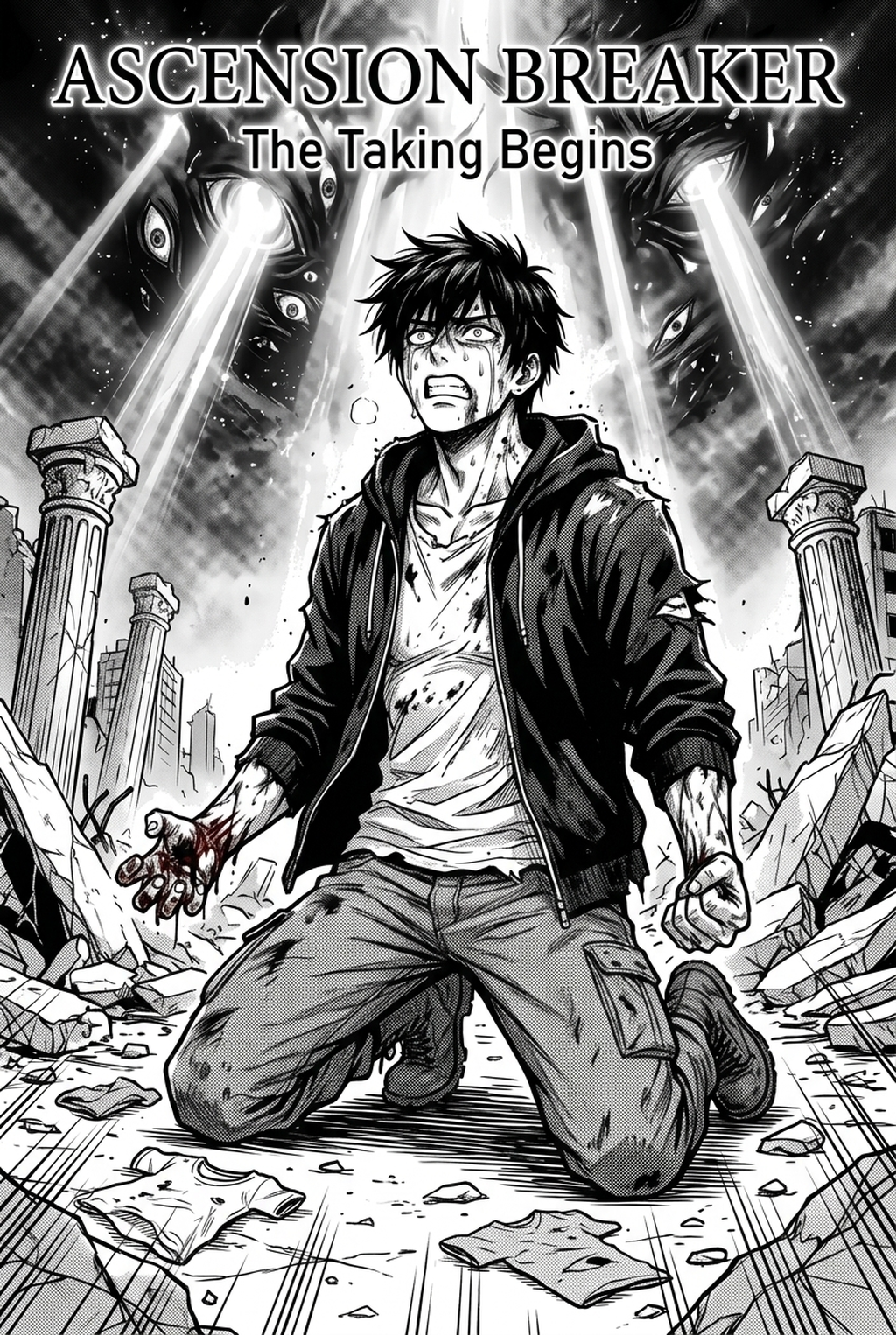
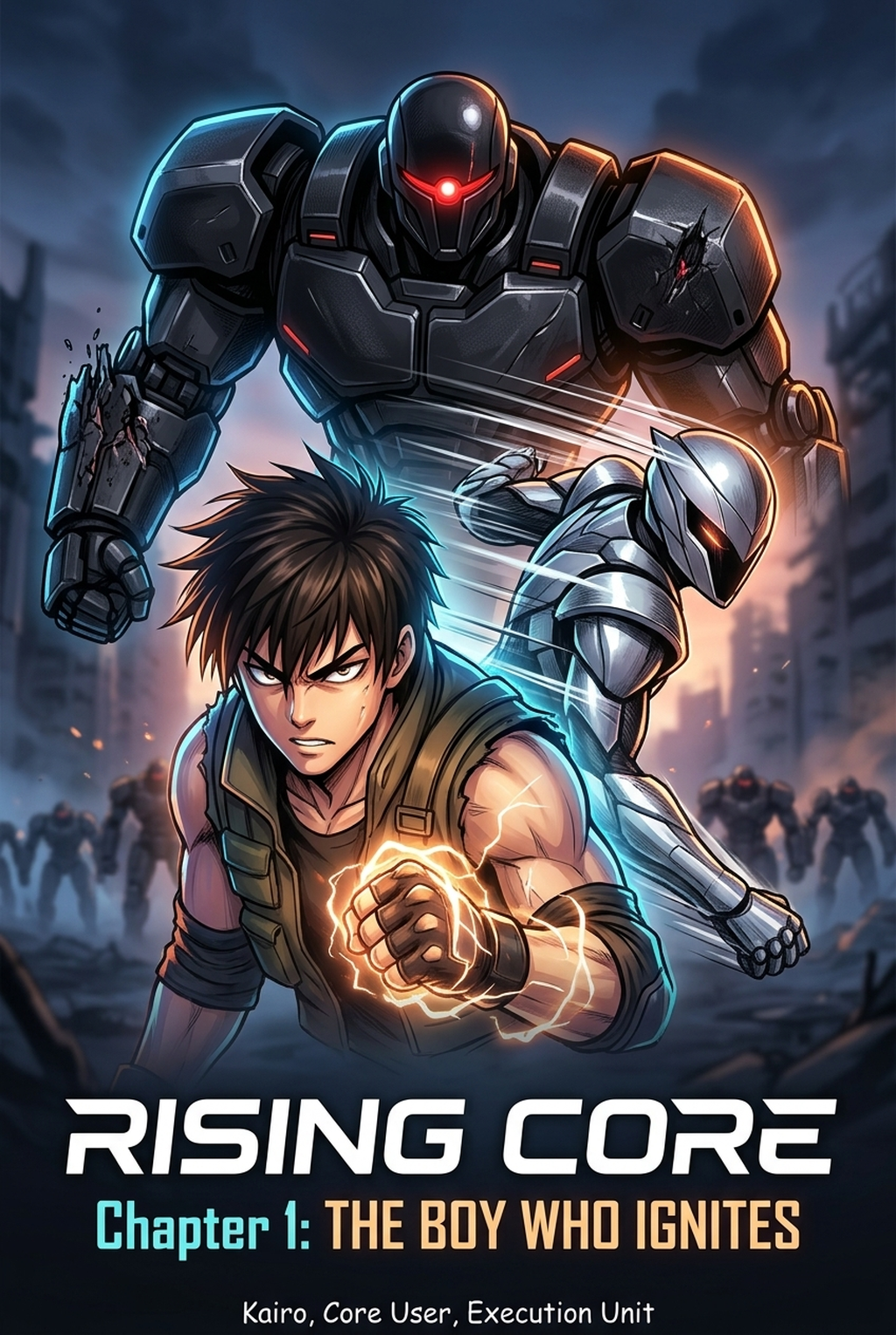
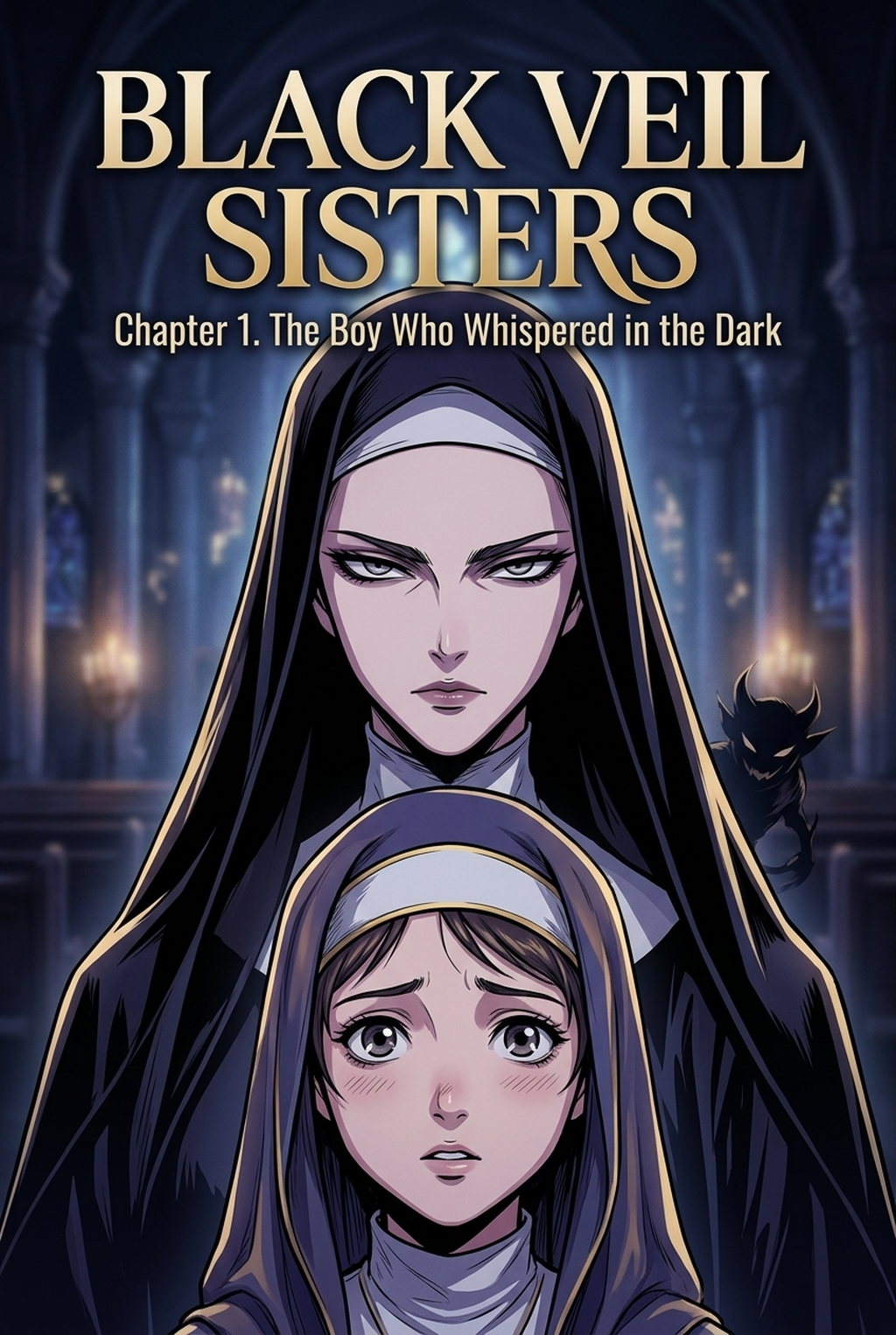
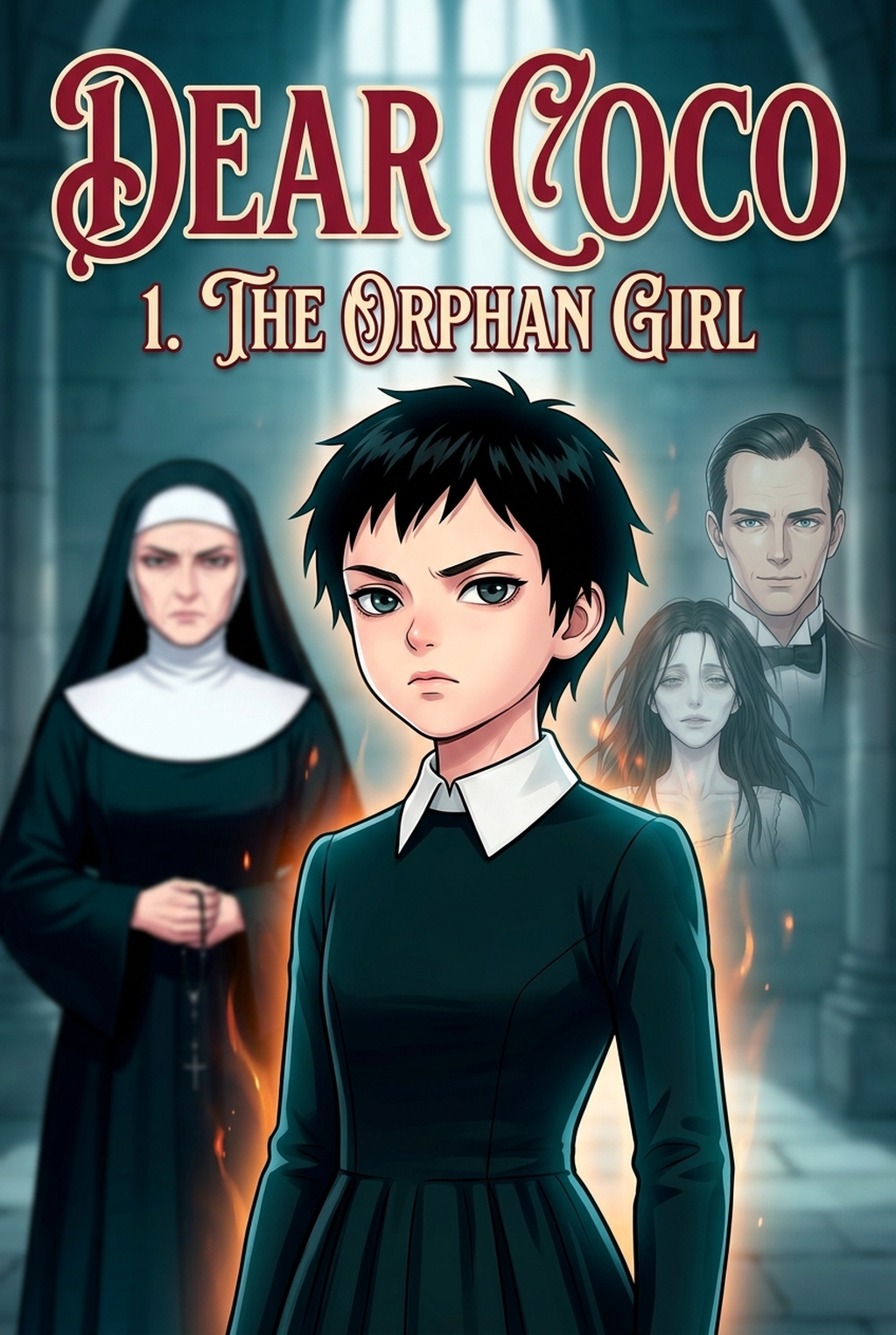
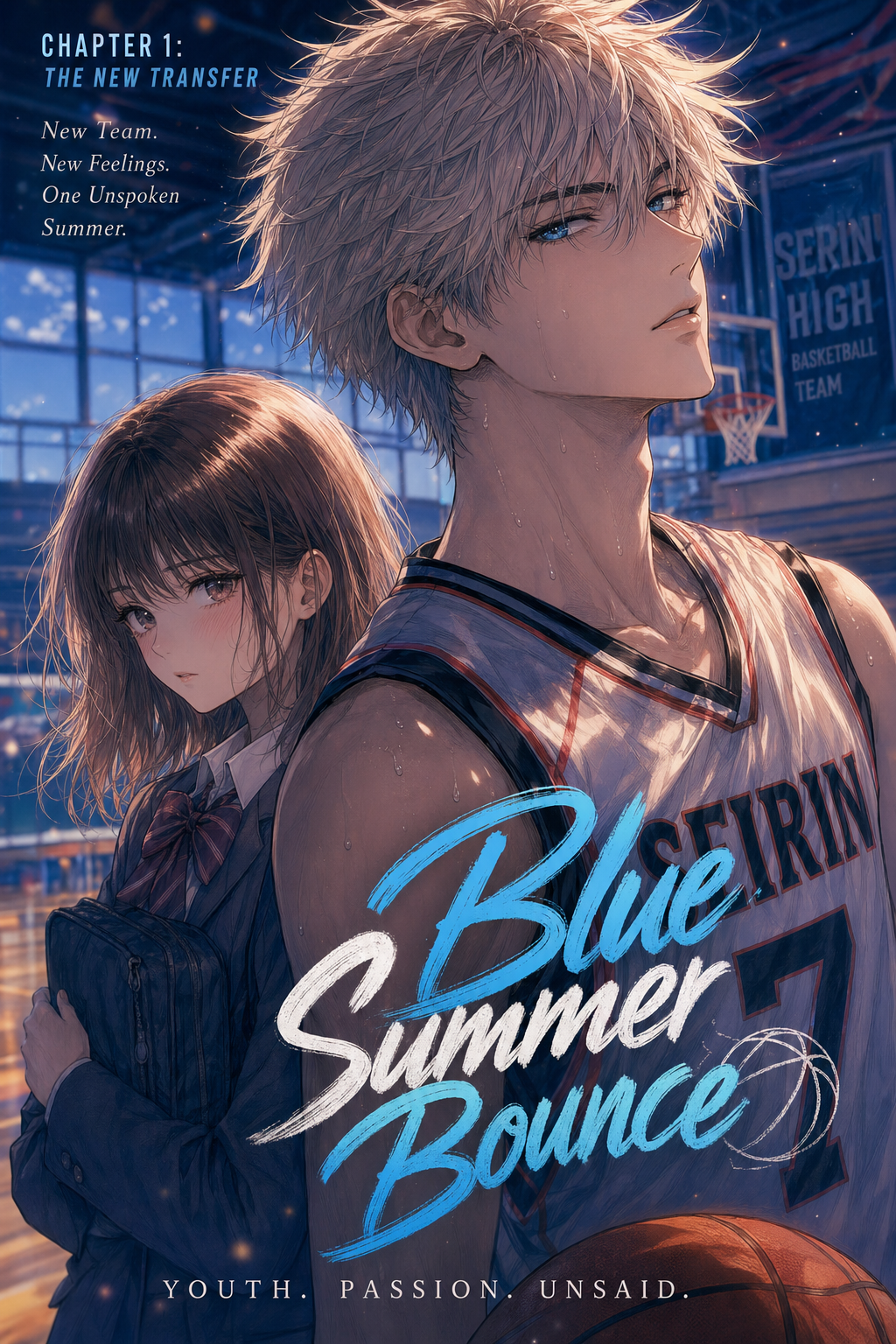
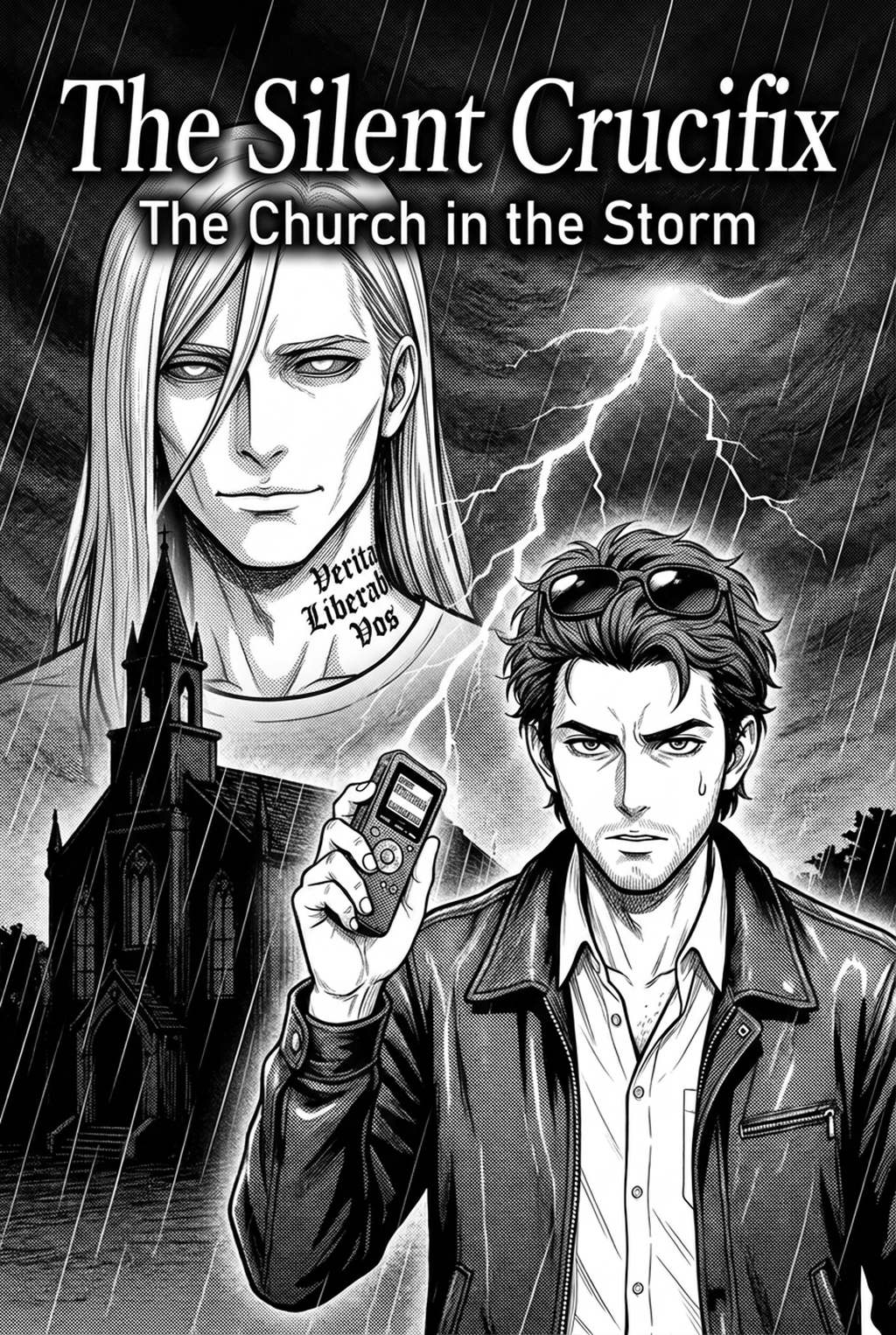
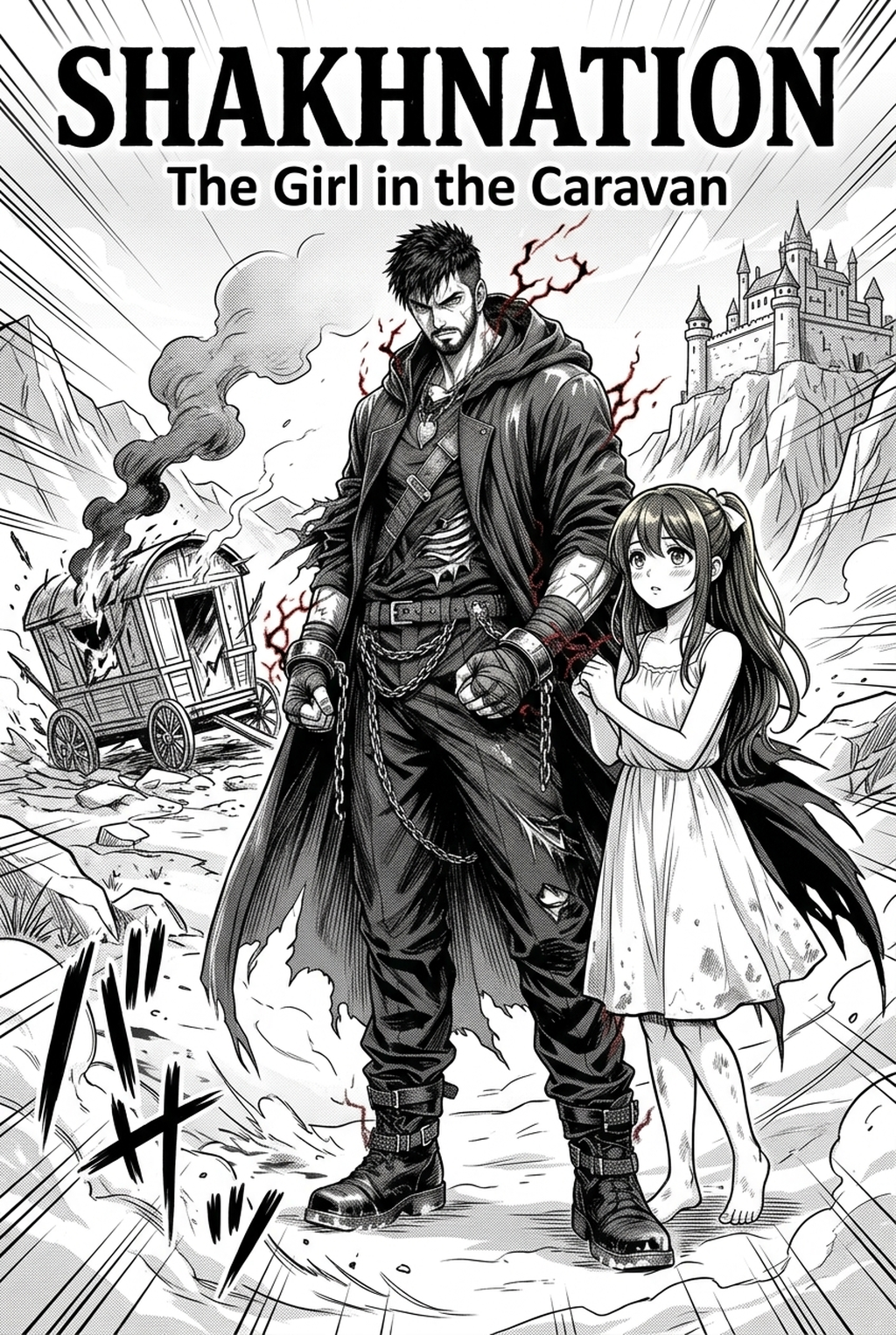
The ecchi manga art style is defined by its strategic use of highly polished character designs that prioritize atmospheric depth through soft-focus rendering. Unlike generic shonen styles that often lean into hard, high-contrast angularity, this aesthetic utilizes cell-shading with subtle, integrated gradients to create a sense of tactile realism.
- Soft-Edge Line Work: Lines are kept thin and responsive to light, avoiding the chunky, uniform thickness found in simpler styles to ensure anatomy remains fluid. * Anatomical Silhouettes: The focus rests on exaggerating personality through specific anatomical curves, ensuring the visual appeal remains consistent even in dynamic, low-angle shots. * Detailed Hair Rendering: Highlights and shadows in the hair are treated as secondary light sources, necessitating a high degree of precision to prevent the design from feeling flat during page-wide spreads.
This style sits at the intersection of high-fantasy anatomy and atmospheric lighting, requiring a deeper commitment to color-depth layers than traditional line-heavy outputs. You might argue that this style is overly ornamental, yet its effectiveness lies in its ability to communicate character internal states without overloading the dialogue panels.
Why Artistic Consistency Matters for Creators
Visual identity in your project serves as the anchor for reader retention, where even minor discrepancies in proportional scaling or facial structure can ruin the narrative flow. When you are managing a 30-panel sequence, an accidental drift in character line-weight forces the reader to stop and re-orient themselves, effectively breaking the immersion you worked so hard to build.
- Source Context Integrity: Consistency acts as a shorthand for the reader, allowing them to instantly recognize a character regardless of the lighting environment or the surrounding panel density. * Building Visual Signature: A recognizable, high-fidelity look transforms your work from indie output into a premium brand that fans identify by your unique artistic stamp rather than generic tropes. * Emotional Signaling: Precise, expressive eyes and consistent anatomy ensure that emotional beats—such as shifts in a character’s mood—land with the intended weight rather than appearing distorted or off-model.
Integrating AI into Your Production Workflow
You can leverage ecchi manga art style with Mangaka to maintain stylistic uniformity by defining specific parameters that the system enforces across every generated frame. By locking in your character’s core traits—such as consistent iris refraction and specific hair strand layering—the tool eliminates the repetitive, manual tedium of redrawing faces for every new panel in your storyboard.
- Style-Specific Delivery Formats: You define the density of your line art and the intensity of your soft-lighting layers, ensuring the output matches your existing page composition requirements. * Token-Based Refinement: The system uses specific aesthetic triggers to adjust anatomy and expression without requiring you to manually touch up the line art in a separate editor. * Consistency Maintenance: By inputting your character's base silhouette into the source context, you prevent the common failure of proportional drift that plagues hand-drawn sequences when moving from full-body shots to close-up headshots.
Imagine you are rendering a tense dialogue scene across six panels. Instead of adjusting the line weight for each frame, you define the "soft-edge" aesthetic once; the tool then handles the consistent shading and highlight placement, allowing you to spend your time on narrative pacing and dialogue placement rather than mechanical corrections.
Implementing the Style as a Narrative Tool
This aesthetic functions as a high-fidelity narrative layer that uses visual cues to replace exposition, making the reader's experience more immersive. The deliberate use of color-depth and lighting layers allows for a sophisticated look that helps differentiate your project from lower-effort, flat-shaded manga.
| Feature | Low-Fidelity Approach | High-Fidelity Style |
|---|---|---|
| Line Weight | Uniform, thick outlines | Dynamic, thin, light-reactive |
| Shading | Flat cell-shading | Gradient-based soft focus |
| Eyes | Simplified circles | Multi-layer reflection maps |
You are essentially using the art style to signal the "seriousness" of a moment. When a character’s internal emotional state shifts, the lighting should reflect that change through subtle shifts in saturation, a technique that is much easier to manage when you use AI-driven tools to keep the base character model locked throughout your file exports.
Starting Your Project with Mangaka
To begin, you must establish a strong "source context" within the character designer to define the foundational traits that your characters will carry throughout the series. This setup process serves as your foundational asset library, ensuring that every time you generate a new pose or expression, the core DNA" of the character—such as their specific eye reflection pattern—remains uncompromised.
- Define Source DNA: Upload your primary character references to establish the baseline for hair texture and facial proportions. * Iterative Review Process: Use the designer to tweak minor elements of the character's layout, ensuring that the exported PNGs maintain professional resolution standards. * Seamless Panel Integration: Export your consistent poses directly into your page layout tool to maintain a unified visual harmony across all your storyboards.
Creators should compare the generated line art with the original sketch and confirm that facial expressions, props, speed lines, and speech-bubble space still support the scene. A repeatable review pass should cover character consistency, panel readability, background clarity, and whether the final file is ready for coloring, lettering, or editor feedback.
The Bottom Line
Mastering this art style is fundamentally about the technical discipline of high-fidelity rendering rather than merely focusing on the subject matter itself. By utilizing ecchi manga art style , you can successfully overcome the persistent hurdle of manual drafting, freeing your workflow to prioritize compelling storytelling and professional visual standards in every panel.
Related articles
Mastering Cooking Manga Background Design: A 2026 Guide
Mastering Food Manga Art Style: A Guide for Creators 2026
Exorcist Manga Character Design: A Dark Aesthetics Guide