AI 4-Koma Strip Maker: Why This Format Aids Manga Development
The 4-koma format provides a low-barrier entry point for creators to build an audience by delivering high-frequency, "snackable" content that is easier to manage than full-page spreads. By committing to a daily or weekly output of these strips, you create a robust feedback loop that allows you to test character designs, comedic timing, and narrative hooks before investing months into a serialized story.
Many professional artists treat these strips as a specialized testing ground for their broader intellectual property. You can utilize this space for "character bloopers" that humanize your protagonists, or you can A/B test visual gags to see which reactions resonate most with your target demographic. This high-frequency iteration allows you to refine your visual shorthand—such as how you draw Shonen-style intensity versus Seinen-style irony—without the technical overhead of high-page-count production.
- Audience engagement: Establishing a regular posting schedule builds long-term reader trust and keeps your work at the top of algorithmic feeds. * Asset management: Maintaining internal "gag logs" helps you avoid repeating the same punchlines while identifying the most popular character dynamics. * Mobile optimization: Focusing on bold, high-contrast silhouettes ensures your work remains recognizable even when viewed as a thumbnail on a smartphone screen.
How to Use the Mangaka AI 4-Koma Strip Maker
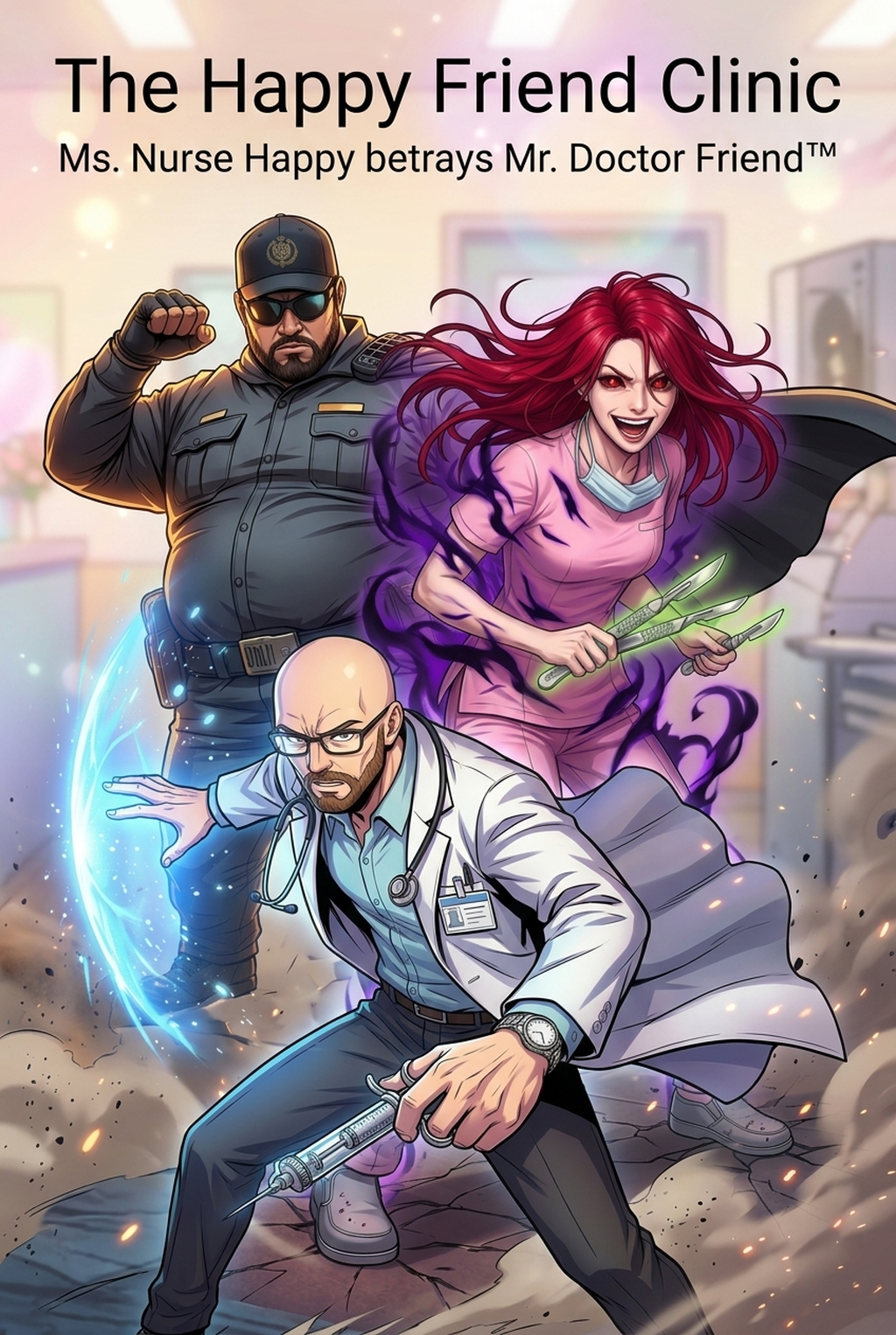
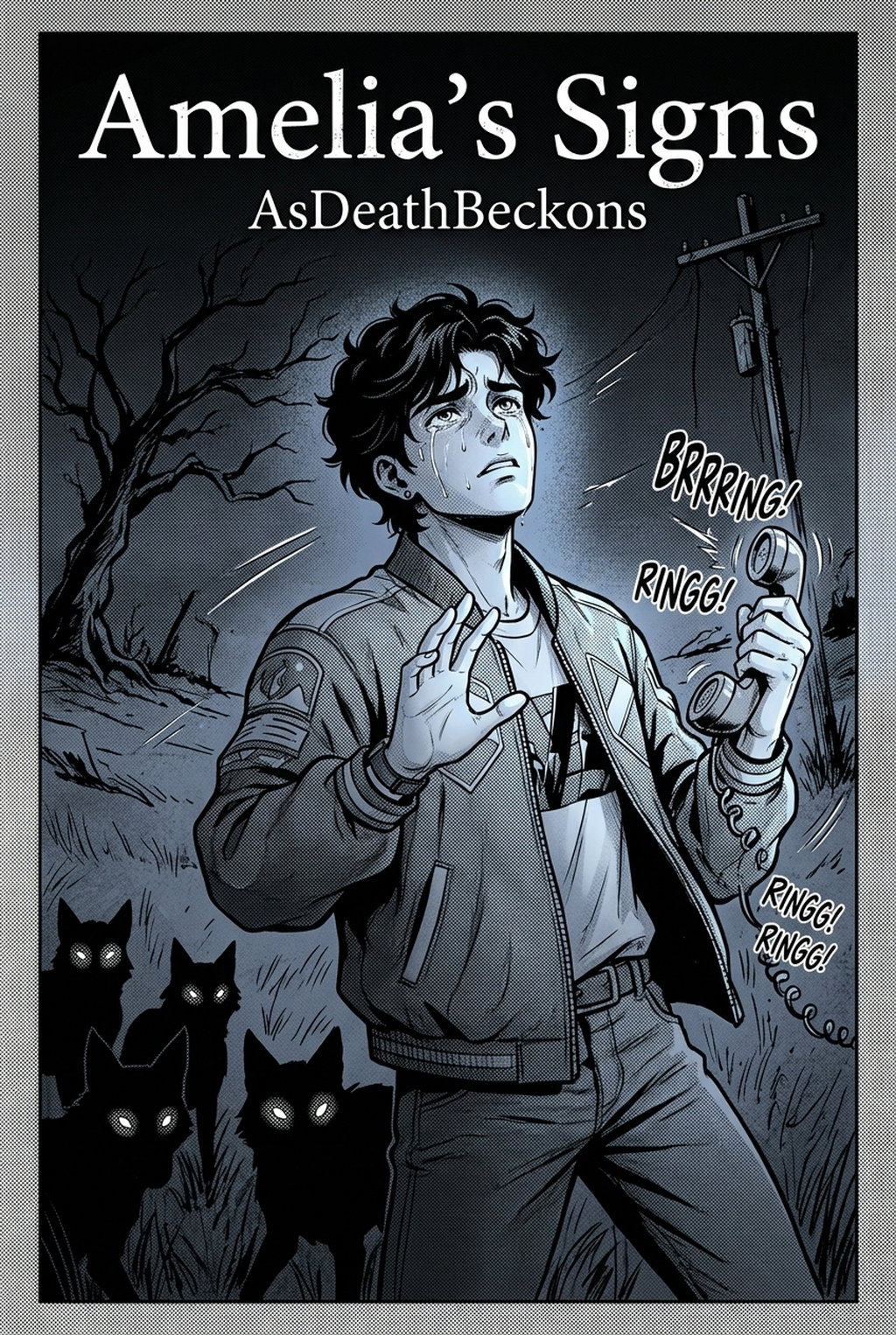
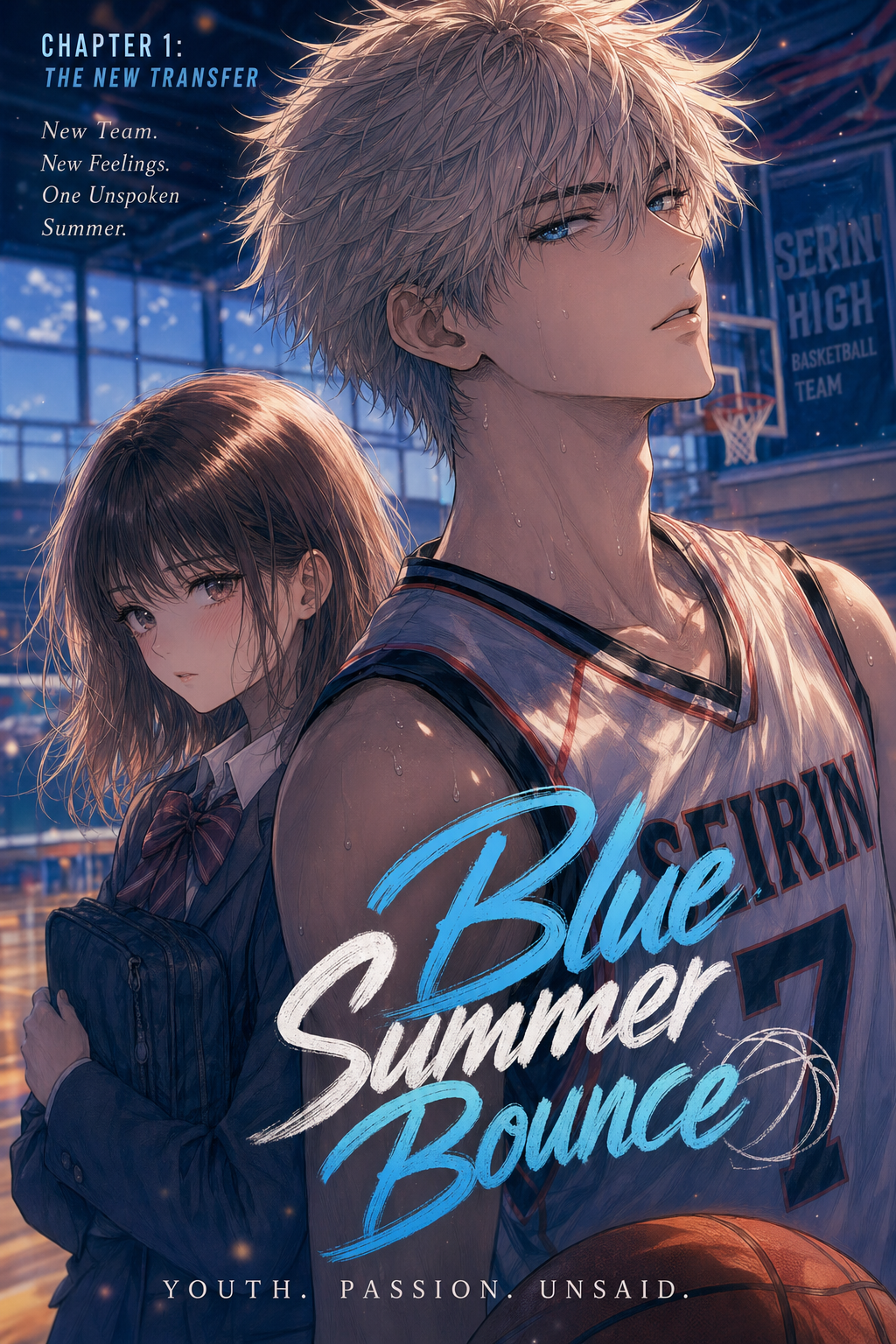
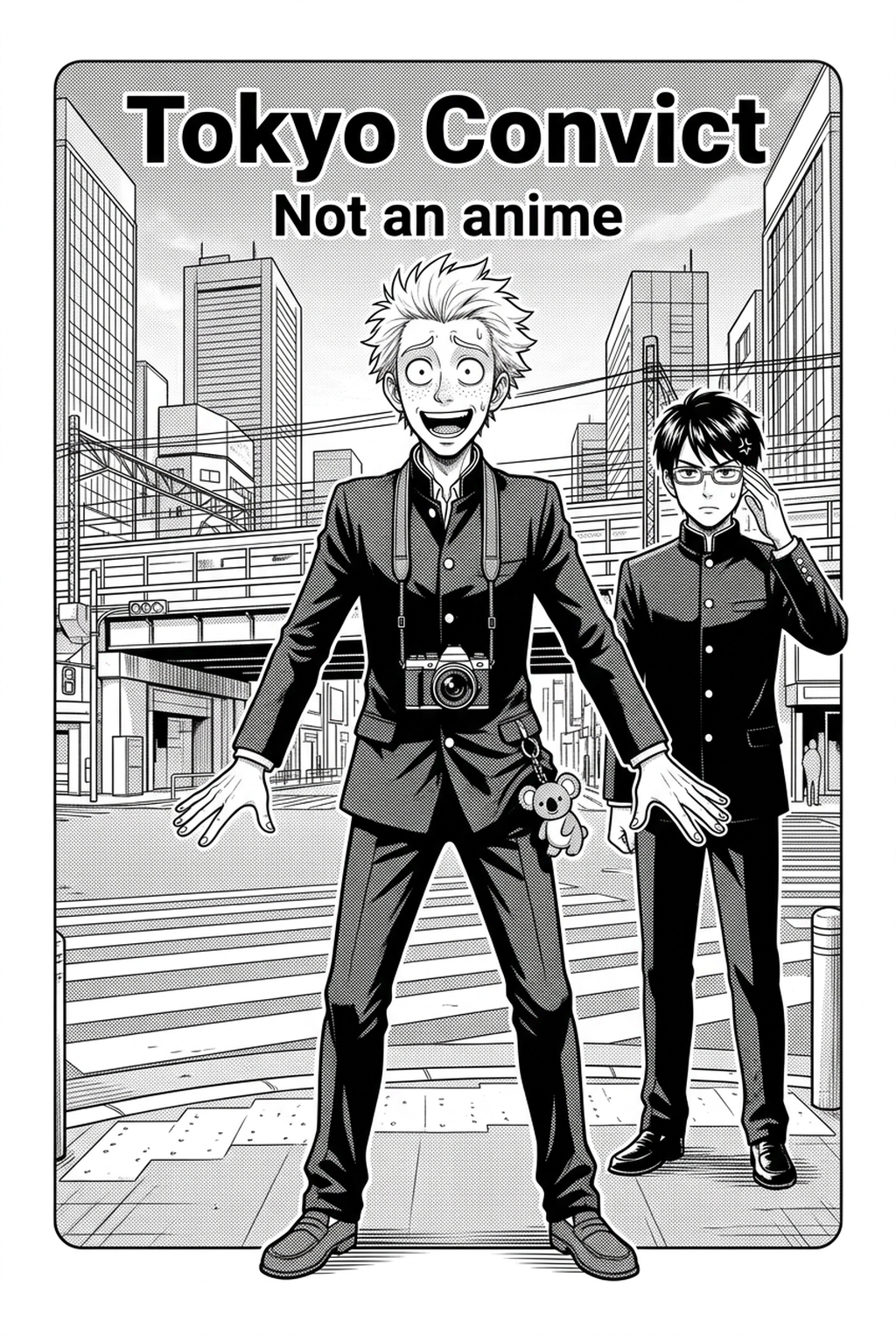
Manual sketching and inking for a high-frequency publication schedule can lead to significant burnout, especially when managing complex panel-framing and speech-bubble clearance. The Mangaka 4-Koma Strip Maker allows you to bypass these manual hurdles by generating complete, inked, and framed strips from your initial script.
By automating the tedious inking process, you can focus your time on refining the Twist" (ten) of the story—the most critical part of the gag—rather than struggling with character proportions. When you input a punchline, the tool handles the spatial layout, ensuring your panel bleed margins are standardized for optimal viewing on modern mobile devices. This workflow effectively solves the issue of character drift, ensuring that your hero's proportions remain identical across all four frames, a task that often requires tedious re-drawing for manual artists.
Practical Strategies for Effective Panel Design
Effective panel design for mobile requires a departure from traditional print conventions, favoring high-contrast elements that pop against white space. You should aim for a clear, readable silhouette in every panel to maintain clarity on small screens, as overly detailed backgrounds can distract from the comedic tension or the character's reaction.
- Humor density: Map your punchlines across a weekly calendar to ensure a mix of subtle character-based irony and loud, slapstick gags. * Expression exaggeration: Push your characters' reactions to their limits in the third and fourth panels, as there is often limited space for dialogue. * Asset reusability: Build a library of recurring reactions and poses, which can be stored and reused to maintain a cohesive visual identity across your entire body of work.
Getting Started with Your First Strip
To produce your first strip, begin by selecting a single, relatable human truth or a specific ironic situation that serves as the foundation for your punchline. Draft your sequence of events carefully; ensure that the "twist" occurs precisely in the third panel, as this builds the necessary tension for the final conclusion.
Creative Brief and Source Input. Once you have your sequence, use an AI 4-Koma Strip Maker to transform the script into a finished, inked page. For a realistic 2026 workflow, aim for a 300 DPI resolution in the export format—typically a PNG or high-quality JPG—to ensure that your lines remain crisp during professional-grade digital publishing. Regularly review your export files to ensure that the speech bubbles do not obstruct key action, and adjust your panel gutters as needed to maintain a clean reading flow.
Creators should compare the generated line art with the original sketch and confirm that facial expressions, props, speed lines, and speech-bubble space still support the scene. A repeatable review pass should cover character consistency, panel readability, background clarity, and whether the final file is ready for coloring, lettering, or editor feedback. For longer projects, creators should save approved examples of line weight, face detail, clothing folds, and background density. Those references keep later chapters closer to the intended style.
- Before Export. Creators should compare the generated line art with the original sketch and confirm that facial expressions, props, speed lines, and speech-bubble space still support the scene. A repeatable review pass should cover character consistency, panel readability, background clarity, and whether the final file is ready for coloring, lettering, or editor feedback.
- For Longer Projects. Creators should save approved examples of line weight, face detail, clothing folds, and background density. Those references keep later chapters closer to the intended style. For collaboration, creators should mark which panels are final and which panels still need redraws. Clear status labels prevent an assistant, editor, or colorist from polishing the wrong version.
- For Publishing. Creators should review the page at the actual reading size before export. Small screens expose crowded dialogue, weak silhouettes, and line details that looked fine while zoomed in. For style control, creators should keep a short reference board beside the draft and compare hair shapes, eye details, costume folds, and texture choices before approving the final page.
The Bottom Line
The 4-koma format remains the most effective tool for creators aiming to build a recognizable brand through consistent, high-impact storytelling. By removing technical barriers through 4-koma manga with Mangaka , you can finally dedicate your full creative energy to the character dynamics and comedic timing that truly define your work.
Related articles
Streamline Your Manga Colorist Workflow with Mangaka 2026
Decoding the Pokemon TCG Art Style: A Guide for 2026
4-Koma Comedy Manga Structure: The Ultimate Guide for 2026