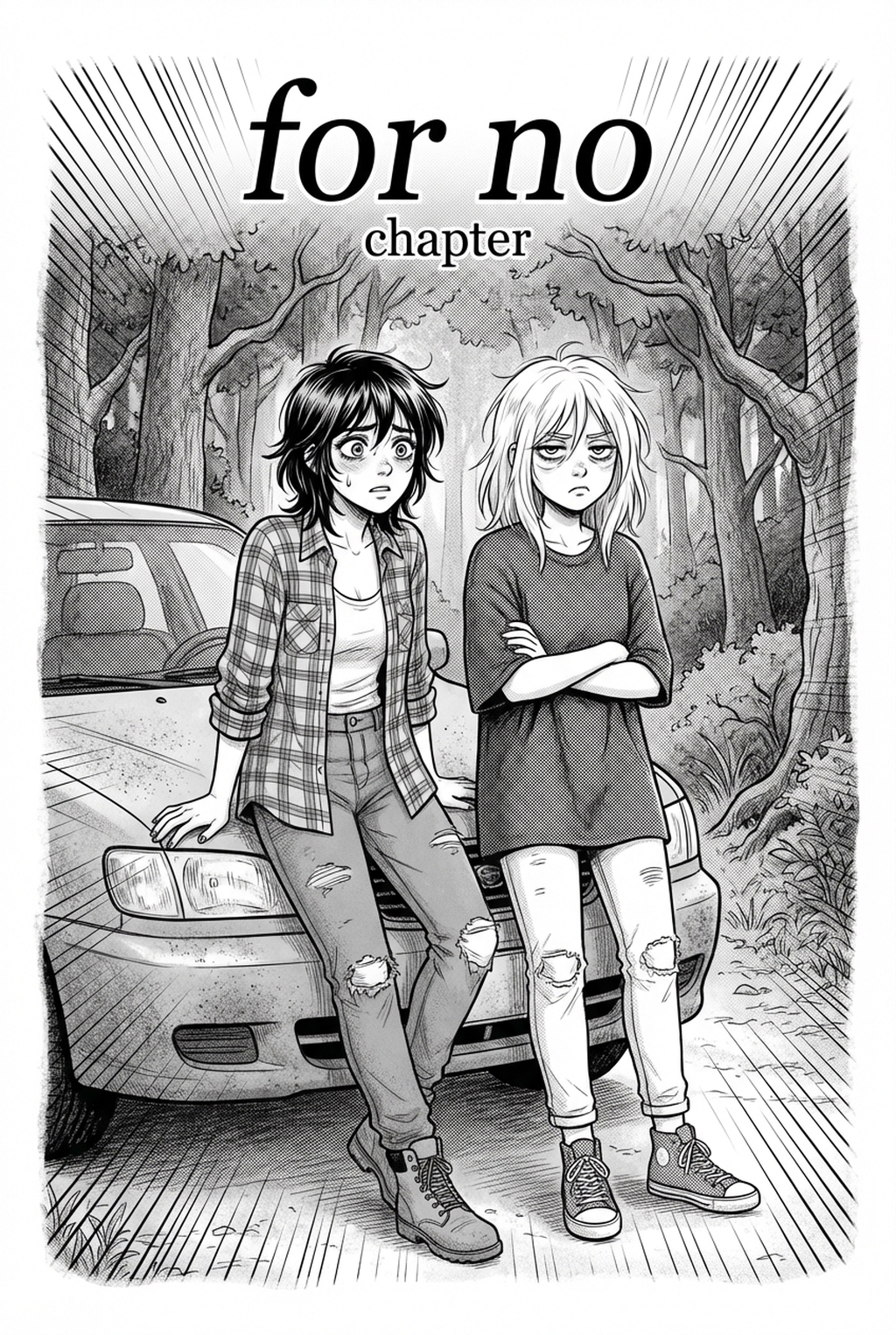
AI Manga Colorist: Impact on Professional Manga Workflows
The adoption of specialized color automation addresses the primary technical challenge of manual coloring: the loss of artistic intent during the flatting process. By automating the repetitive color-assignment phase, artists can focus their creative energy on high-level shading, lighting, and ambient effects that define a series' signature aesthetic.
Professional-grade manga relies on line weight and varying ink density to establish mood. When an AI tool correctly identifies these nuances, the resulting export maintains the artist's original style, preventing the "digital plastic" look often found in unrefined automation. High-resolution exports ensure that no aliasing or pixelation occurs at the junctions where color meets ink.
Effective coloring tools provide layered outputs, enabling editors and artists to perform granular tweaks after the initial generation. If an environmental lighting shift is required—such as changing a scene from daylight to sunset—having pre-segmented layers allows the creator to adjust the overall tone and color temperature of specific subjects without re-inking or re-painting the entire panel.
Implementation with Mangaka
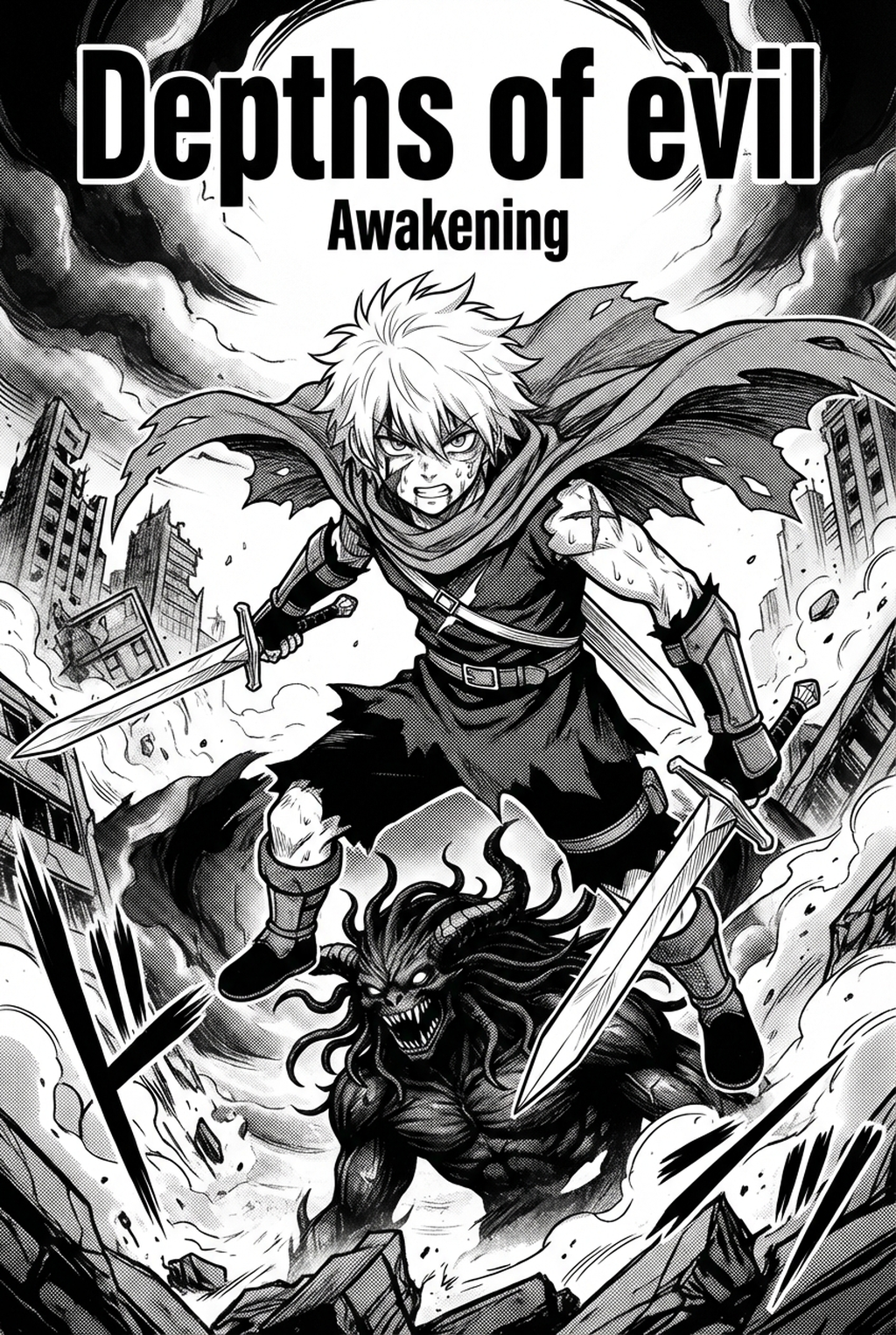
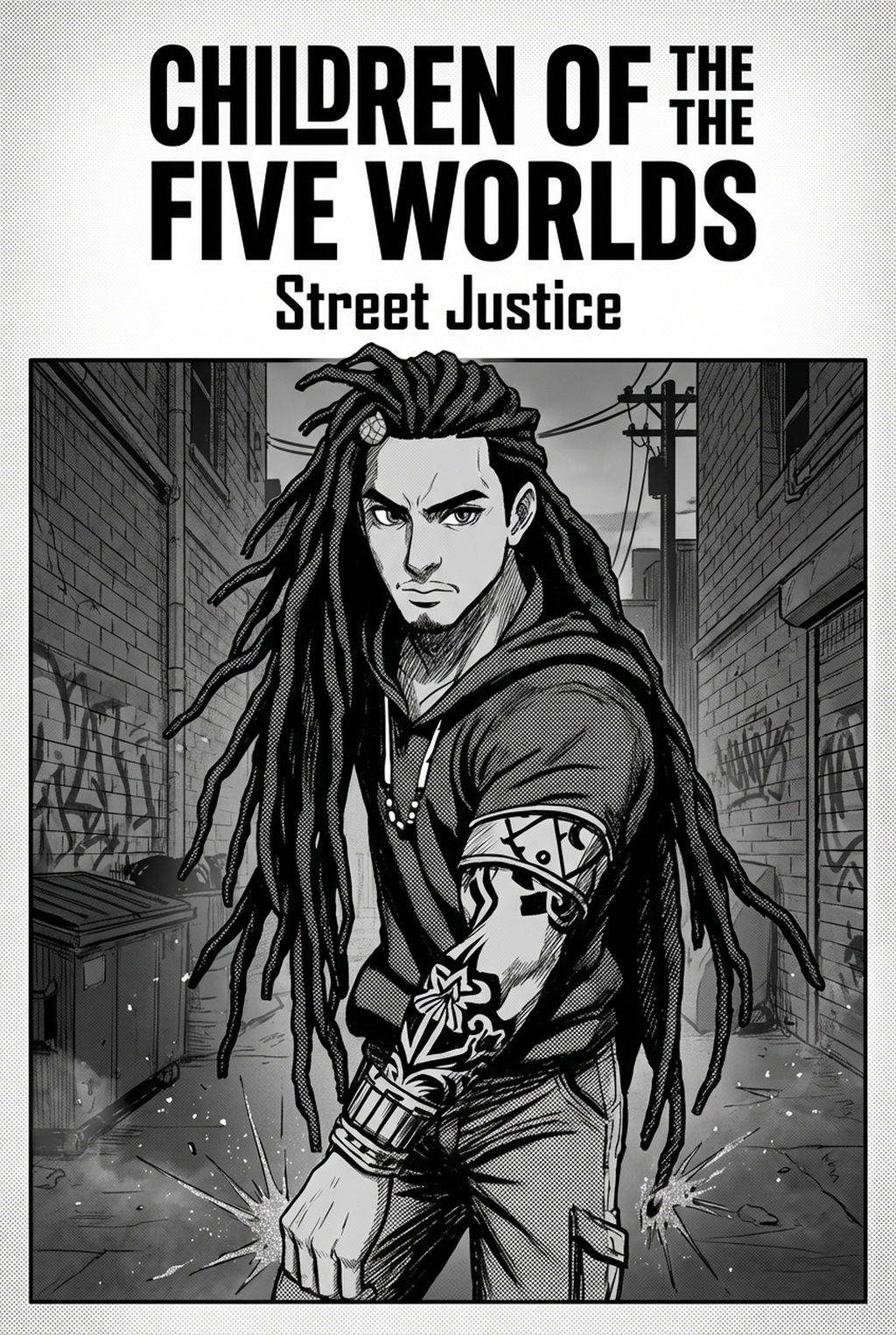
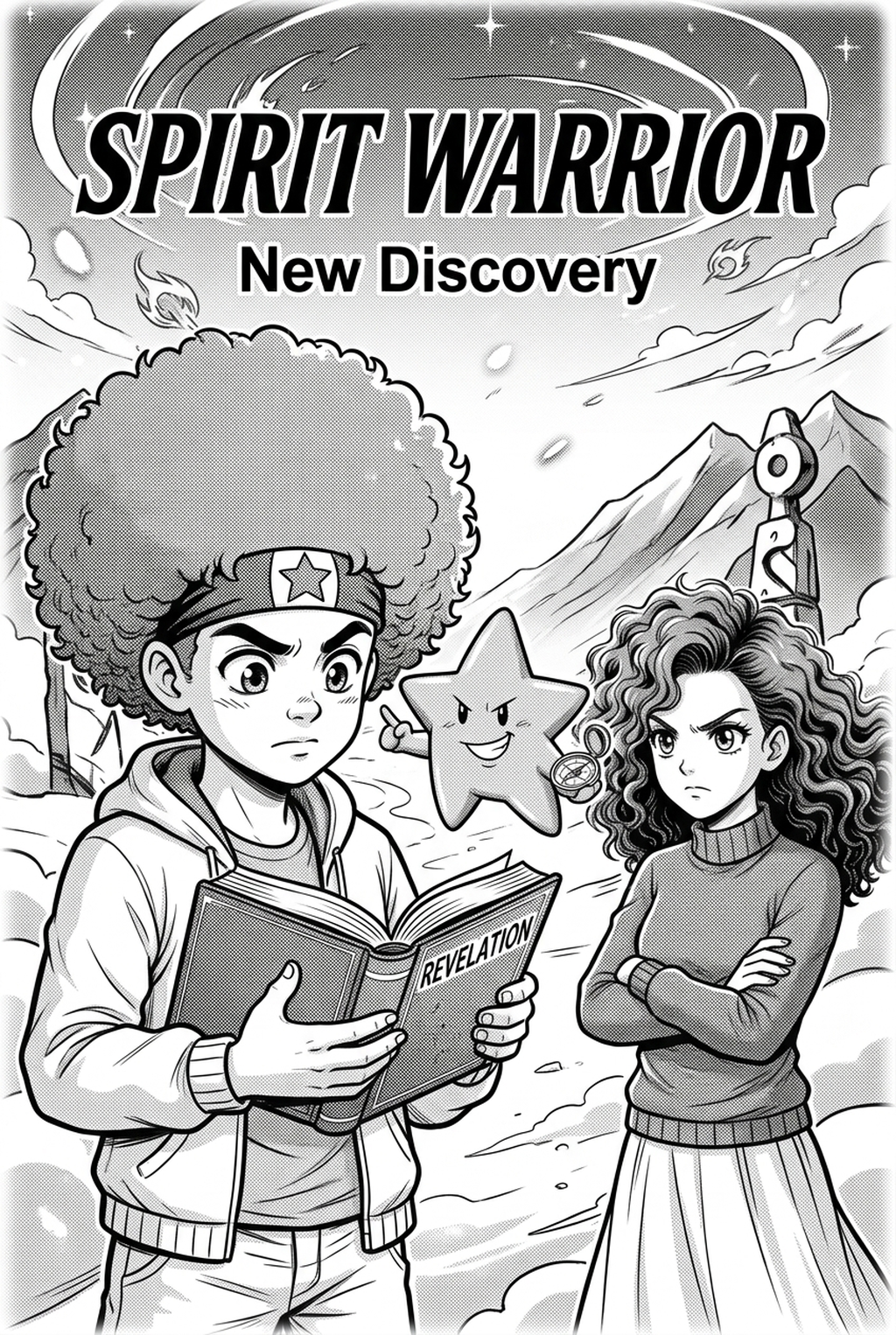
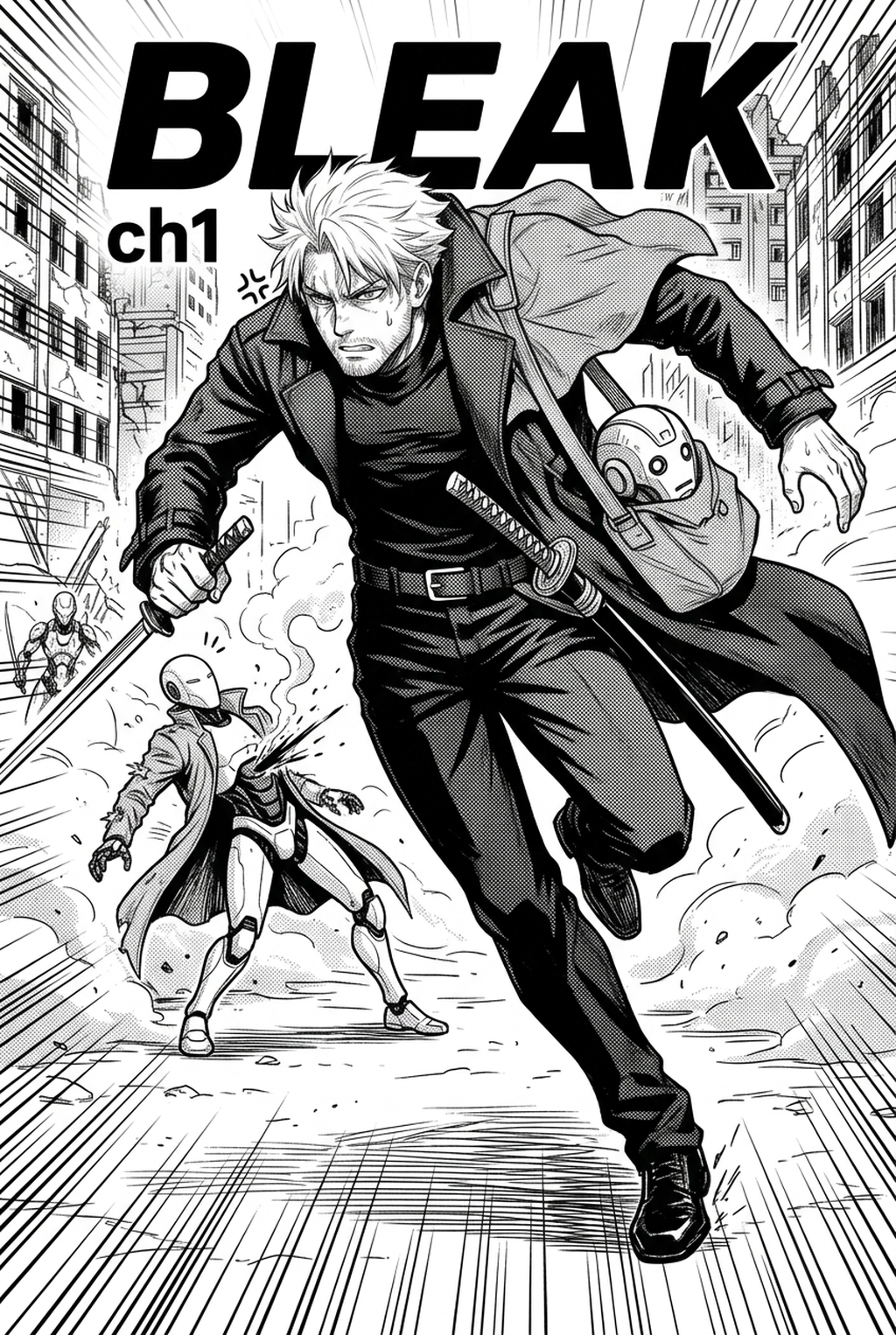
Mangaka integrates directly into the traditional production cycle by taking your clean monochrome sketches or finished line art and applying a sophisticated color-assignment engine. This process bypasses the tedious manual stage of creating flat masks for every character, which is often the most time-consuming part of a vertical comic platforms or serialized project.
The platform is designed to respect the structural conventions of your work, ensuring that gutter margins and panel layouts remain consistent from the initial B&W input to the final full-color delivery. By maintaining the integrity of the page format, creators can output pages that are ready for immediate digital distribution or print submission without needing secondary formatting fixes.
Consider a scenario where you are preparing a 20-page chapter for a serialized release. Using AI Manga Colorist workflow with Mangaka for this task reduces the flatting time to minutes per page, allowing you to invest your remaining hours into complex lighting or advanced effects that elevate the quality of your finished work.
Practical Applications for Creators
AI-driven color tools are becoming essential for creators who need to balance high-volume publication schedules with a professional standard of quality. Whether you are managing a small team for a vertical comic platforms or working as an indie creator, the capacity to iterate rapidly provides a significant competitive advantage.
Creative Decisions and Export Quality
Creative Decisions and Export Quality. Full-color vertical comic platforms adaptations often require a weekly turnaround, which is physically unsustainable for solo artists without technological assistance. AI colorists facilitate these schedules by handling the base coloring of high-frequency releases, ensuring that the artist can meet deadlines without sacrificing the artistic quality of the characters or background details.
Indie creators frequently use these tools to breathe new life into older, B&W back-catalog projects. By applying consistent color palettes to previous volumes, you can transform older, monochromatic series into modern, vibrant digital editions that appeal to contemporary reader preferences without having to manually recolor hundreds of pages from scratch.
- Before Export. Creators should compare the generated line art with the original sketch and confirm that facial expressions, props, speed lines, and speech-bubble space still support the scene. A repeatable review pass should cover character consistency, panel readability, background clarity, and whether the final file is ready for coloring, lettering, or editor feedback. - For Longer Projects. Creators should save approved examples of line weight, face detail, clothing folds, and background density. Those references keep later chapters closer to the intended style. For collaboration, creators should mark which panels are final and which panels still need redraws. Clear status labels prevent an assistant, editor, or colorist from polishing the wrong version. - For Publishing. Creators should review the page at the actual reading size before export. Small screens expose crowded dialogue, weak silhouettes, and line details that looked fine while zoomed in. For style control, creators should keep a short reference board beside the draft and compare hair shapes, eye details, costume folds, and texture choices before approving the final page.
Creators should compare the generated line art with the original sketch and confirm that facial expressions, props, speed lines, and speech-bubble space still support the scene. A repeatable review pass should cover character consistency, panel readability, background clarity, and whether the final file is ready for coloring, lettering, or editor feedback.
Workflow Fit and Review Needs
Creators should save approved examples of line weight, face detail, clothing folds, and background density. Those references keep later chapters closer to the intended style. For collaboration, creators should mark which panels are final and which panels still need redraws. Clear status labels prevent an assistant, editor, or colorist from polishing the wrong version.
Creators should review the page at the actual reading size before export. Small screens expose crowded dialogue, weak silhouettes, and line details that looked fine while zoomed in. For style control, creators should keep a short reference board beside the draft and compare hair shapes, eye details, costume folds, and texture choices before approving the final page.
Creators can evaluate AI Manga Colorist with Mangaka mid-workflow when they need the product path tied directly to review, refinement, and export. A real test should use the same sketch, character goal, or panel sequence that would otherwise need manual cleanup after generation.
The Bottom Line
Integrating an automated coloring assistant removes the most repetitive aspects of the production process, allowing artists to maintain their signature style while meeting modern publication demands. By delegating the flatting stage to intelligent software, you protect your time and artistic energy for high-level creative decisions.
Related articles
Use Our AI Manga Colorist: Instant Color for Panels 2026
Streamline Your Manga Colorist Workflow with Mangaka AI 2026
Color Your Manga Pages Instantly with AI Manga Colorist 2026