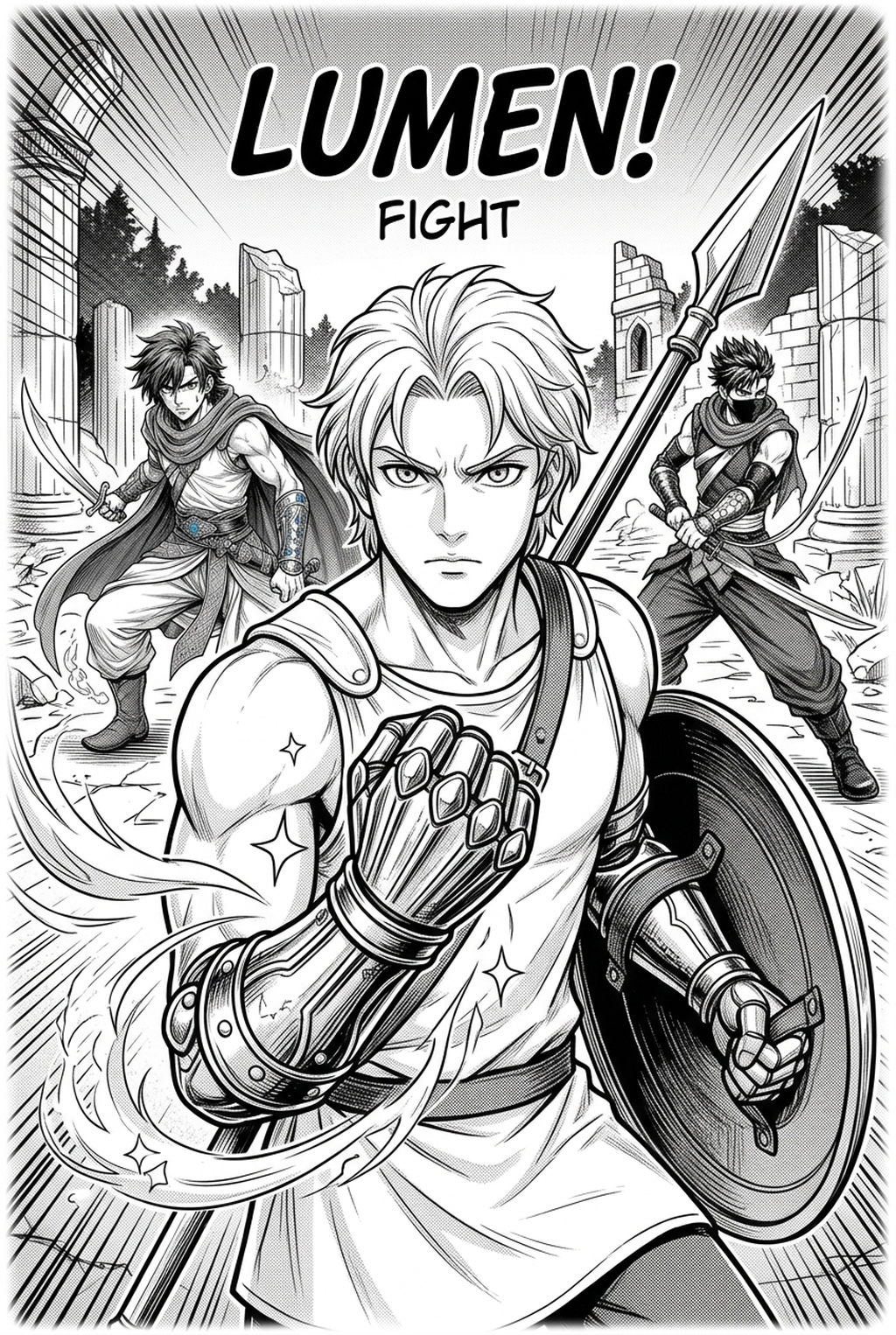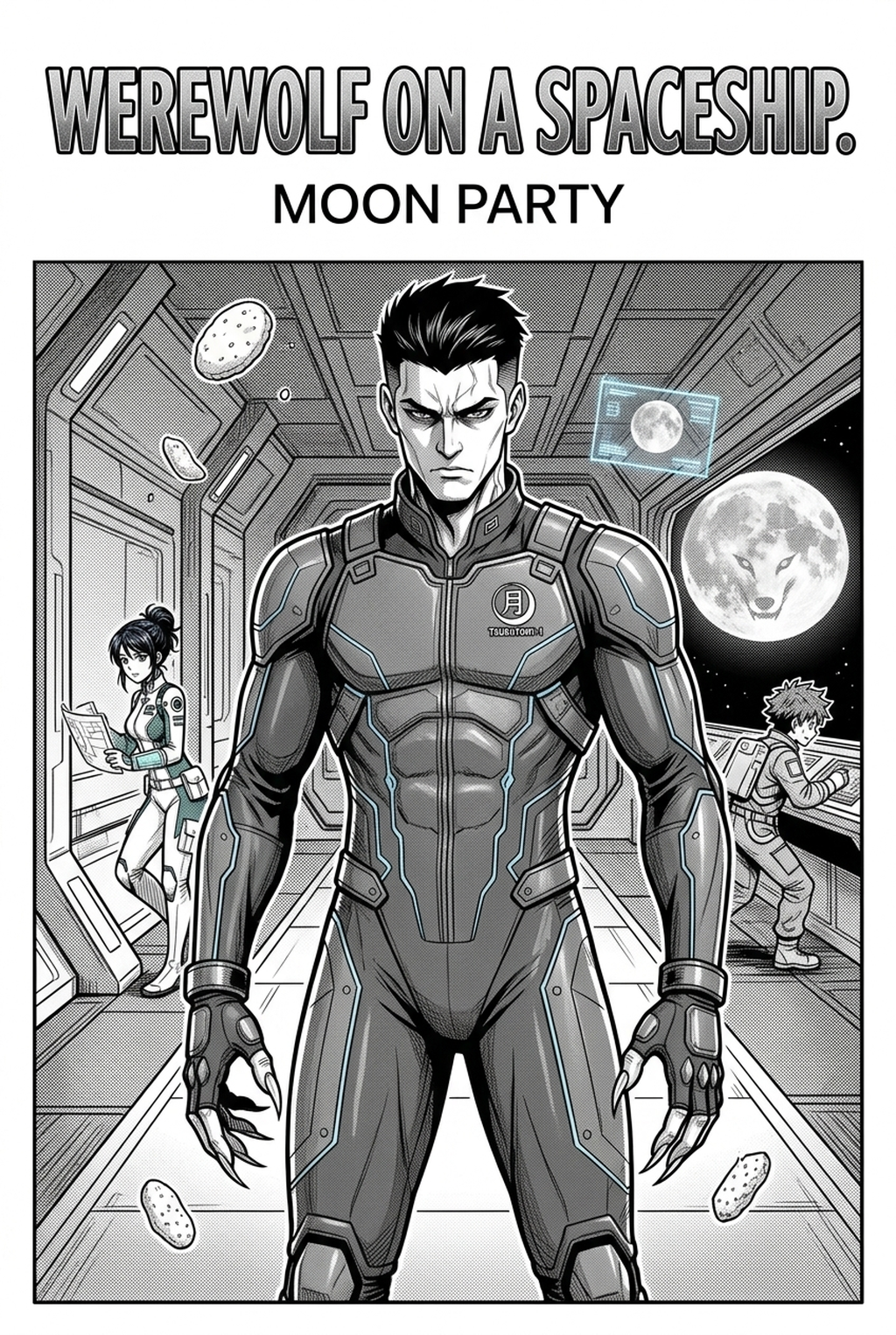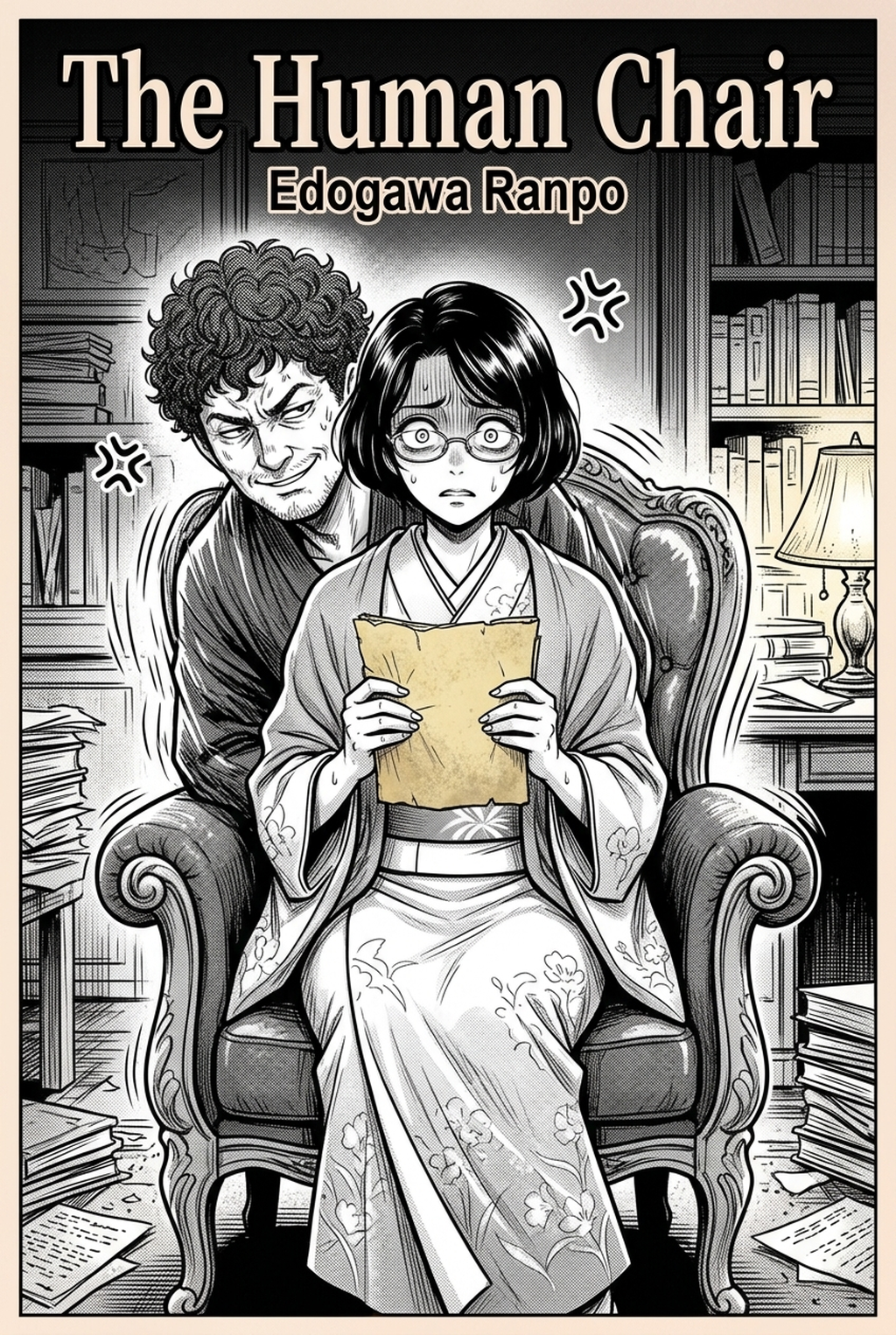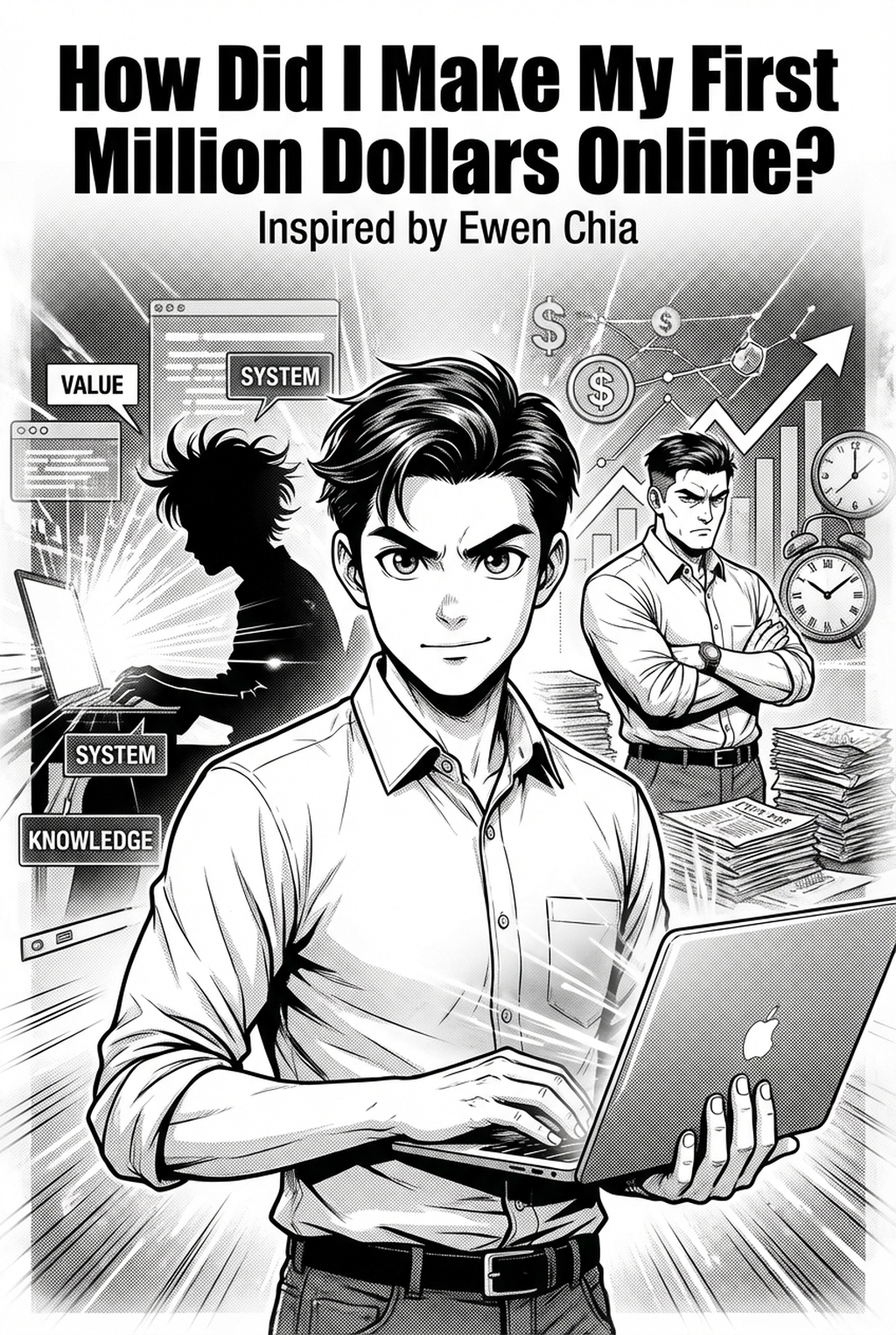
Indie creators producing dynamic action sequences can now rely on an AI Manga Inker for Sports manga to overcome the tedious bottlenecks of manual line work. Transitioning from rough, high-energy layouts to finished, print-ready pages requires balancing intense character movement with precise architectural details. By automating the inking phase, you can dedicate more time to panel pacing and character expressions while ensuring that every player's movement retains its intended impact and visual weight.
What Is AI Manga Inker for Sports Manga?
An AI Manga Inker workflow is a specialized creative tool designed to interpret rough graphite or digital pencil sketches and translate them into professional-grade vector-style line art. Unlike generic image enhancement software, this technology specifically understands the unique anatomical requirements of athletic figures, such as muscle tension in a pitcher's arm or the fluid motion of a soccer player mid-stride. The system preserves the original intent of the sketch while normalizing line thickness and closing open paths, which provides a clean foundation for adding screentones or flat colors.
Key features of this technology include intelligent line-weight management, which differentiates between character silhouettes and fine interior details, and edge cleanup that removes stray graphite noise. For creators, this means you can spend your energy on the initial "thumbnailing" of high-impact shots, trusting the software to handle the mechanical precision of the final ink pass. By using this tool to convert pencil sketches into clean inked line art automatically, you effectively bypass the most repetitive labor in the manga creation production process.
Why AI Manga Inker Matters for Sports in 2026
The demand for high-quality, high-frequency output in the sports genre means that speed and consistency are now the primary drivers of success for indie artists. Maintaining stable line weight is critical for visual storytelling, yet manual inking remains the most time-consuming step for artists who need to maintain a serialized publication pace.
When you use an AI tool to handle the transition from roughs to lines, you eliminate the "line drift" that often occurs when manual fatigue sets in during long studio sessions. This technology ensures that even during high-velocity sports sequences, the character’s form remains solid and readable, allowing for a cleaner final color manga presentation. By reducing the time required to trace each panel, you can focus on the artistic choices that define your work, such as perspective shifts during a game-winning shot or the intensity of a crowd's reaction.
How AI Manga Inker Works for Sports in Color Manga
The process begins by feeding your structural sketches into the model, which analyzes your original pen strokes to identify intended boundaries and contour depth. The engine then Sports manga inking workflow with Mangaka , using deep-learning models trained on traditional manga aesthetics to simulate the responsiveness of a G-pen. This allows for natural line modulation, where lines thin out at the edges of a character’s jersey and thicken to emphasize shadow or gravity.
Consistency remains a major consideration when working in color. Because the tool focuses on producing high-contrast, clean ink layers, it creates a perfect "clipping mask" environment for your colorist work. You can Sports manga inking workflow with Mangaka and generate isolated ink layers that preserve the integrity of your original draft while removing the fuzziness of lead pencils. This allows you to apply base colors and gradients without worrying about ink smudging or gray-level interference, keeping your color palette vibrant and your focus where it belongs—on the action.
Use Cases for AI Manga Inker
Sports manga often involves large casts of characters moving through diverse arenas and stadiums, requiring significant background consistency. An AI inker simplifies this by maintaining clean architectural lines for bleachers, court boundaries, or pitch markings, even when the perspective is complex. You can focus your creative energy on character expressions and dynamic poses, while the background elements remain sharp and uniform.
- Action Poses and Motion Lines: Quickly process high-energy scenes, such as a tennis serve or a basketball jump, where the lines need to be crisp to convey movement without appearing cluttered. * Stadium and Arena Interiors: Standardize the background elements of recurring locations, ensuring that your field or court looks consistent from chapter to chapter without requiring hours of manual perspective drawing. * Character Model Sheets: Convert raw, rough character sketches into clean, inked reference sheets that can be used for consistency checks throughout your project.
- Chapter cadence. Use the AI pass for pages where speed matters most, such as repeated action poses, transformation beats, or dense speed-line panels. Keep manual cleanup for hero panels where the line style defines the emotional peak.
- Character continuity. Compare the generated lines against the same model sheet, costume notes, and facial-expression range used during sketching. This prevents a fast inking pass from drifting away from the character identity readers recognize.
- Export readiness. Check whether the Color manga can move into lettering, coloring, or final layout without rebuilding panel borders or speech-bubble space. A good Sports workflow should save time while keeping the next production step predictable.
Step-By-Step Guide to Start with Mangaka
Getting your workflow running with professional-grade tools is a straightforward process designed for indie creators. App for a free trial to explore the tool’s capabilities. 2. Upload your source file or paste your conceptual sketch directly into the workspace. 3. Generate your manga page, select your preferred line-weight style, and download the clean inked result for your color work.
Creators should compare the generated line art with the original sketch and confirm that facial expressions, props, speed lines, and speech-bubble space still support the scene. A repeatable review pass should cover character consistency, panel readability, background clarity, and whether the final file is ready for coloring, lettering, or editor feedback.
Creators should save approved examples of line weight, face detail, clothing folds, and background density. Those references keep later chapters closer to the intended style. For collaboration, creators should mark which panels are final and which panels still need redraws. Clear status labels prevent an assistant, editor, or colorist from polishing the wrong version.
The Bottom Line
Transforming your manual sports manga sketches into professional-quality inked pages is no longer a multi-day ordeal. By automating the technical labor of line work, you gain the freedom to focus on the story, character development, and high-impact action that define the genre. Sports manga inking workflow with Mangaka and see how your production speed improves immediately.