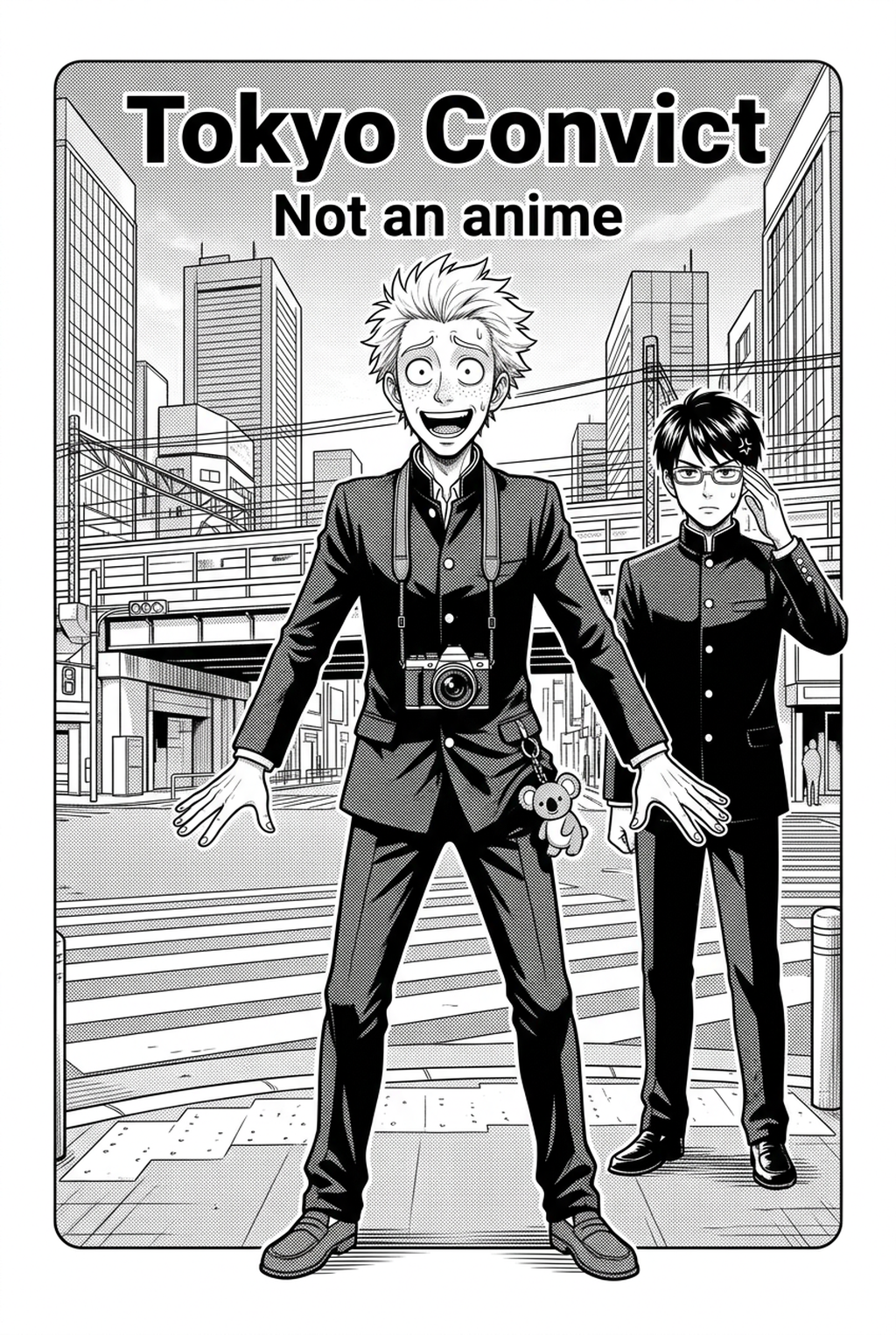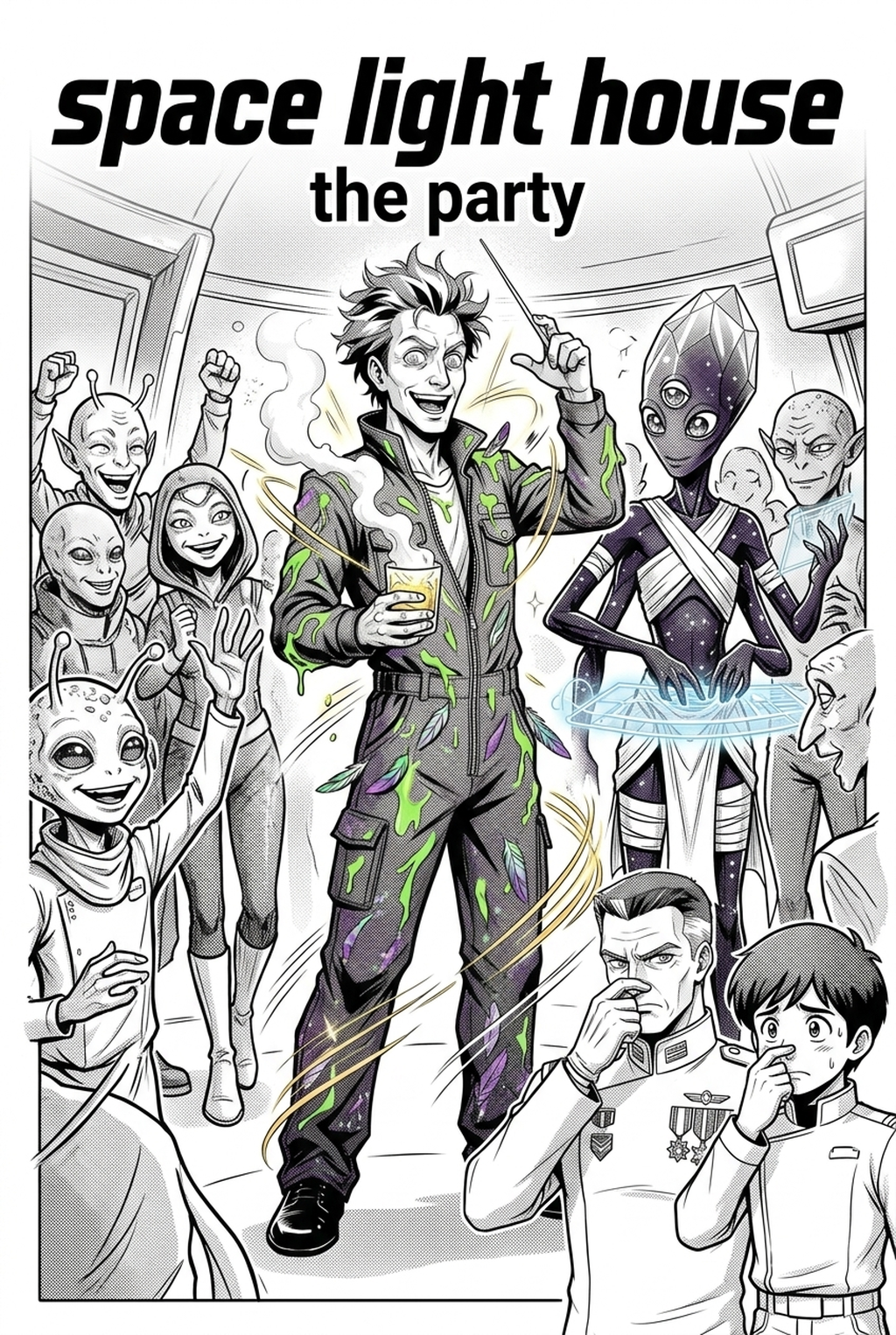
AI Manga Background Artist: Why Technical Perspective Causes Production Bottlenecks
The primary bottleneck in weekly or monthly serialization is the exhaustive time spent calculating three-point perspective grids for every panel of an extended fight. Solo creators frequently sacrifice background complexity to meet page quotas, which diminishes the immersive quality of the combat. When you are under a deadline, the urge to simplify background details—or leave them as vague, tone-filled voids—is a direct response to the massive time tax required for accurate perspective drawing.
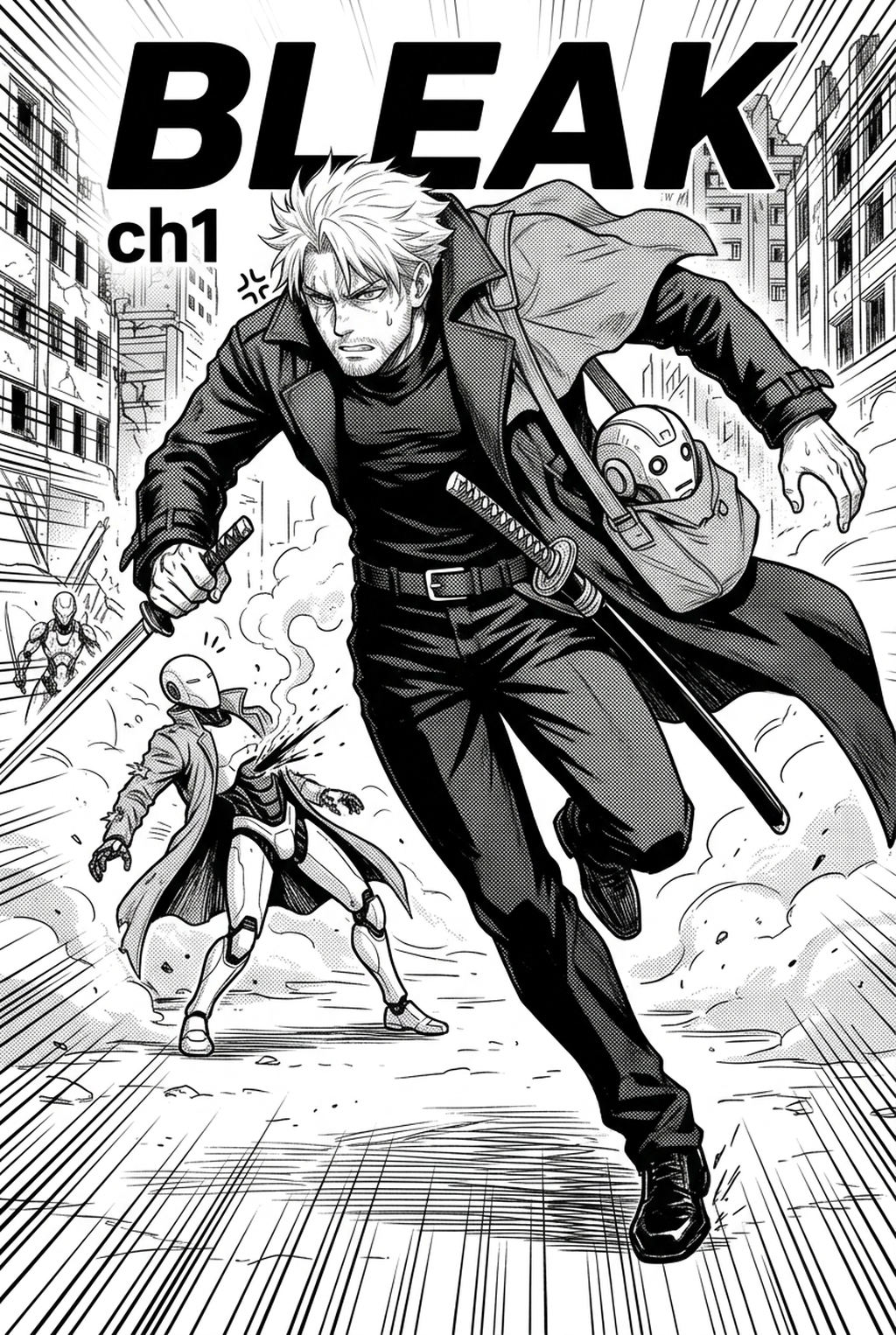
Consistency in environmental details, such as patterns of shrapnel or the specific architecture of a sci-fi cityscape, often breaks down as the clock counts down toward the final export. Even minor inconsistencies, such as a window shifting size between two panels in a chase sequence, can pull the reader out of the narrative. Using an automated approach to generate these foundations allows you to standardize the world-building, ensuring that the environment remains a stable, reliable context throughout the entire duration of your project.
How Mangaka Integrates into Your Creative Workflow
AI tools function as the essential bridge between rough script notes and final, clean line art by transforming text into complex structural visuals. Instead of spending five hours manually inking a city street, you can input specific visual cues—such as "shattered concrete," "dust clouds," or "shrapnel flying toward the camera"—to receive a high-fidelity base layer. This process is fundamentally about shifting your role from a manual laborer to an art director who curates and refines the environment.
By treating these generated assets as your source context, you gain the ability to adjust the line weight to match your character's ink density before the final flattening. This ensures the output integrates perfectly with your existing art style, preventing the jarring contrast between AI-generated structures and hand-drawn character lines. The software streamlines the production process by providing a consistent delivery format that you can drop directly into your workspace as a starting point for tone and lens flare overlays.
- Chapter cadence. Use the AI pass for pages where speed matters most, such as repeated action poses, transformation beats, or dense speed-line panels. Keep manual cleanup for hero panels where the line style defines the emotional peak.
- Character continuity. Compare the generated lines against the same model sheet, costume notes, and facial-expression range used during sketching. This prevents a fast inking pass from drifting away from the character identity readers recognize.
- Export readiness. Check whether the final manga output can move into lettering, coloring, or final layout without rebuilding panel borders or speech-bubble space. A good manga workflow should save time while keeping the next production step predictable.
Strategies for Managing Background Complexity
You should leverage AI-generated backgrounds to establish a cohesive visual library, defining the architectural rules of your world early in the project. When you have a collection of pre-approved, generated backgrounds, you can ensure that your protagonist’s hometown or the villain's fortress remains consistent regardless of the viewing angle.
- Consistent Aesthetics: Build a style library of specific, re-used locations to save hours of re-drafting. * Layered Effects: Place generated line art as a bottom layer, then apply your own speed lines and lens flares as higher-opacity folders for maximum energy. * Perspective Matching: Use the tool to generate base grids for complex angles, then manually ink over the primary silhouettes to ensure the "feel" matches your signature style.
If you are working on a 15-panel fight page, try generating 10 variations of rubble and architectural destruction to serve as your foundation. For instance, if your character slams an enemy into a brick wall, generating a "cracked-wall-center-impact" asset allows you to place the character in the foreground and maintain precise, believable line art for the surrounding damage. You can find the toolset for this at Action manga background design with Mangaka , which allows you to toggle specific architectural constraints to ensure the background fits your scene's mood.
Starting Your AI-Assisted Manga Career
Transitioning to AI-assisted backgrounds involves rethinking the traditional order of operations in your page creation. You do not need to choose between unique artistry and technical accuracy; the background acts as a foundation, while the creator remains the review owner who controls the final aesthetic. Whether you are aiming for the high-octane destruction of Shonen or the grounded, gritty realism often found in Seinen, the creative brief-based approach adapts to your specific genre requirements.
- Architecture Adaptability: The system can handle everything from medieval ruins to futuristic urban decay based on the keywords you provide. * Artistic Ownership: You retain full control over the final line quality, as the AI output serves as the base layer for your final cleanup. * Scalability: The system enables smaller teams or solo creators to match the output quality of larger studios by eliminating the manual drafting phase.
Creators should compare the generated line art with the original sketch and confirm that facial expressions, props, speed lines, and speech-bubble space still support the scene. A repeatable review pass should cover character consistency, panel readability, background clarity, and whether the final file is ready for coloring, lettering, or editor feedback.
Creators should save approved examples of line weight, face detail, clothing folds, and background density. Those references keep later chapters closer to the intended style. For collaboration, creators should mark which panels are final and which panels still need redraws. Clear status labels prevent an assistant, editor, or colorist from polishing the wrong version.
The Bottom Line
Mastering AI Manga Background Artist workflow today is less about manual perspective mastery and more about efficient art direction and leveraging smart tools. By offloading the mechanical burden of perspective grids to software, you secure the time needed to refine your storyboards and character performances. If you want to increase your production speed without sacrificing the immersive quality of your work, you can begin optimizing your workflow at Action manga background design . Adopting this approach is the most effective way for modern creators to scale their page count while maintaining professional standards.
Related articles
Tougen Anki Character Design: A Deep Dive into Style in 2026
Action Manga Character Design: A Guide to Dynamic Motion
Mastering the Gourmet Manga Art Style: A Visual Guide 2026