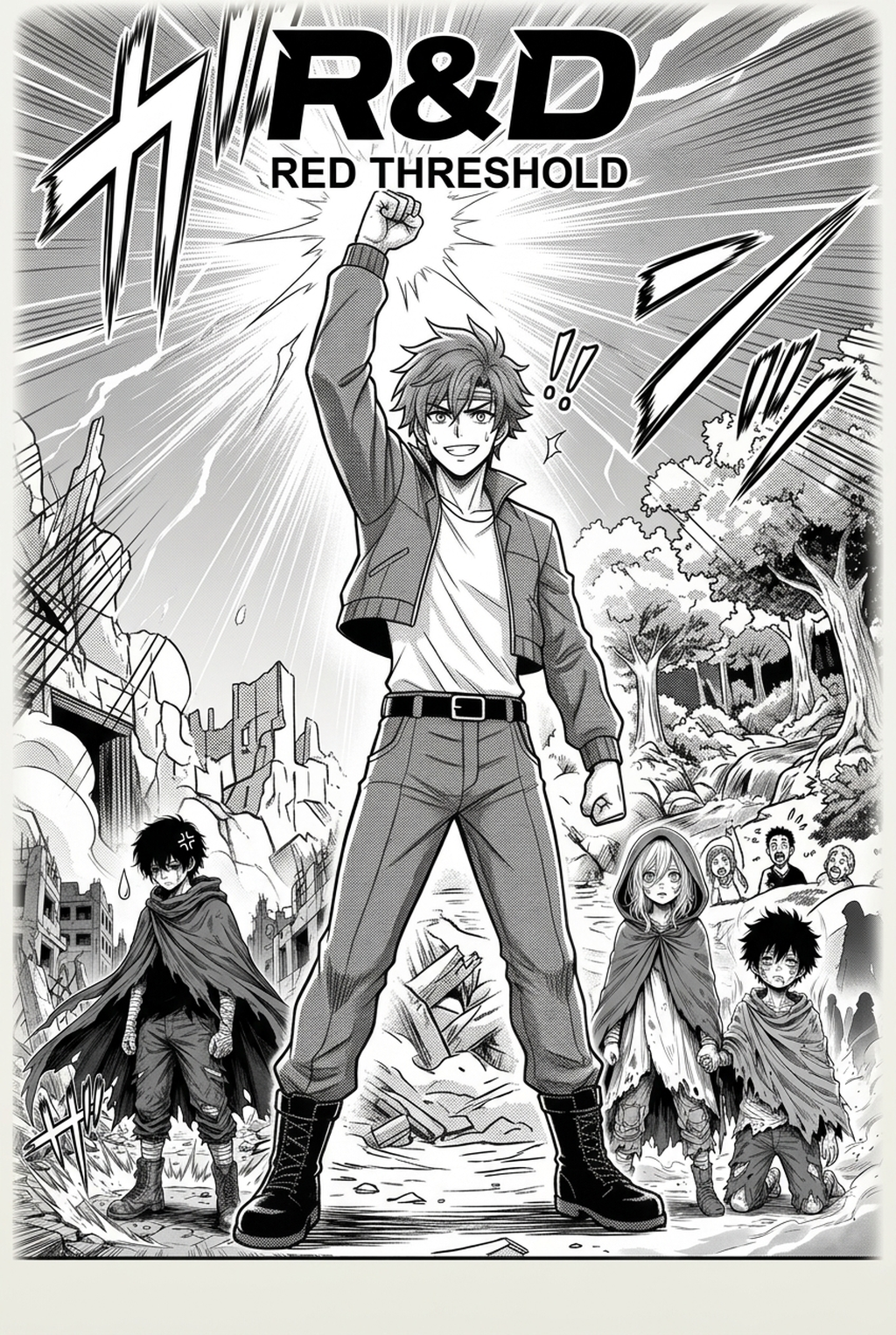
AI Manga Character Designer: Prioritizing Visual Continuity for Combat Arcs
Combat progression in long-running series relies on the reader’s ability to track power-ups, damage, and tactical gear changes across hundreds of pages. When you deviate from your character’s base anatomy, you create "panel fatigue," forcing the reader to spend cognitive energy deciphering which character is on screen rather than engaging with the narrative.
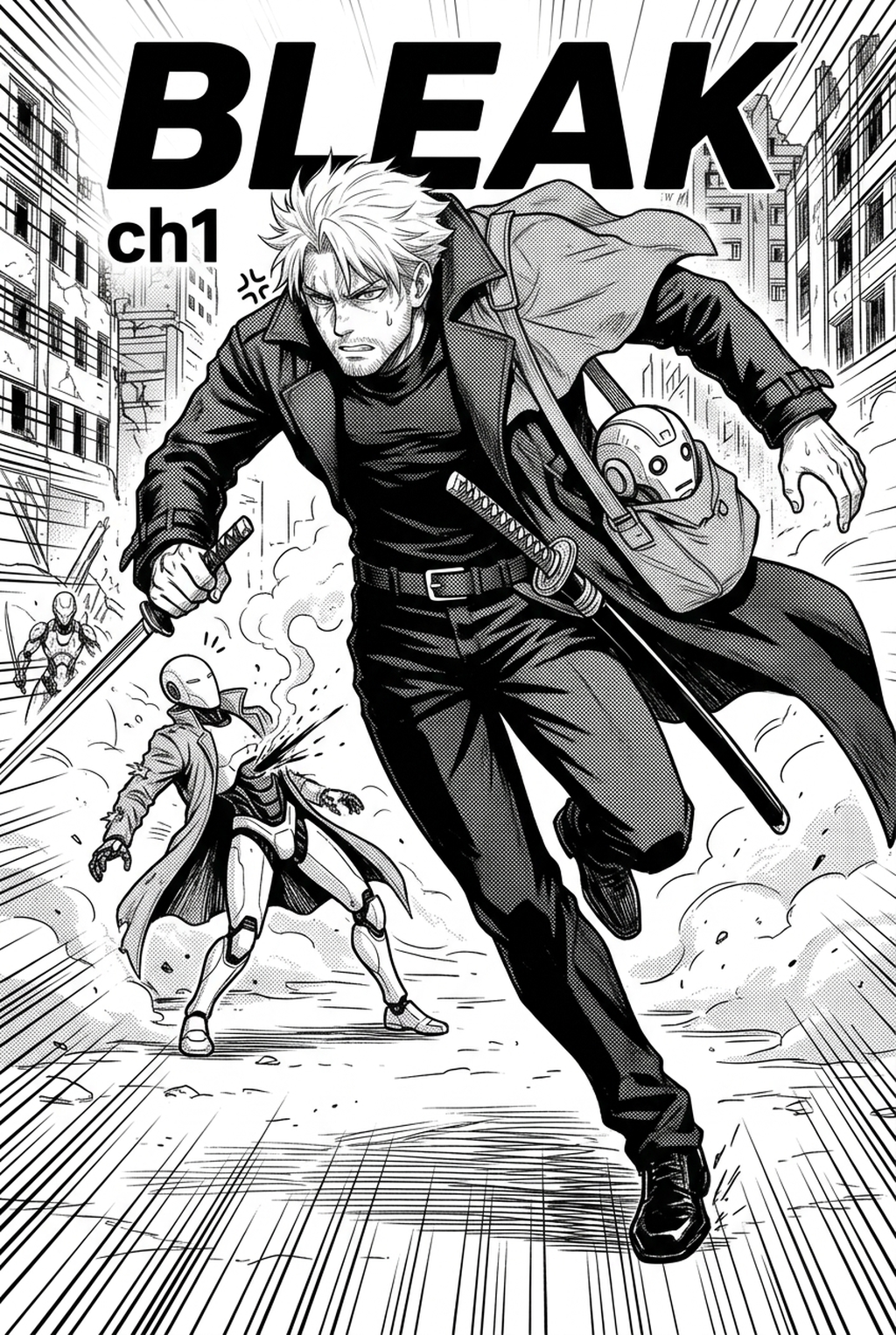
Inconsistent details, such as a missing sword hilt or a misaligned scar, disrupt the visual narrative and cheapen the final impact of a character's "finisher" sequence. Many artists struggle with anatomical shortcuts during high-speed scenes, often sacrificing the integrity of the character's face shape or musculature for the sake of speed. By anchoring character traits through a rigorous design process, you ensure that every panel—whether a wide establishing shot or a tight close-up—remains locked to the core identity of the cast.
- Chapter cadence. Use the AI pass for pages where speed matters most, such as repeated action poses, transformation beats, or dense speed-line panels. Keep manual cleanup for hero panels where the line style defines the emotional peak.
- Character continuity. Compare the generated lines against the same model sheet, costume notes, and facial-expression range used during sketching. This prevents a fast inking pass from drifting away from the character identity readers recognize.
- Export readiness. Check whether the final manga output can move into lettering, coloring, or final layout without rebuilding panel borders or speech-bubble space. A good manga workflow should save time while keeping the next production step predictable.
Utilizing AI for Consistent Combat Rendering
The Mangaka AI engine acts as a stabilizing framework, allowing creators to lock character parameters so that complex gear and specific facial structures remain identical across dozens of action panels. This technical support addresses the primary pain point of "line-weight drift," where the visual thickness of a character’s armor or anatomy fluctuates between panels, leading to an unprofessional finished page.
- Automated Pose Preservation: The system allows for rapid iterations of dynamic, high-angle fight poses while preserving the base anatomical data, which eliminates the need for manual, time-consuming corrections on every drawing. * Background Character Consistency: Use AI to render supporting cast or crowds during massive combat scenes, ensuring that background elements do not distract from the primary action framing of your lead character. * Refinement of Drafts: By generating varied action poses from a consistent character model, you can significantly reduce the hours spent on draft cleanup and ensure that every final line-art export matches your initial design specs.
To see how action manga character design with Mangaka transforms your production speed, consider a scenario where you are drawing a 20-panel fight sequence. This keeps the review focused on story intent, line weight, panel readability, and the export quality behind the final AI Manga Character Designer output.
Strategic Deployment of Combat Dynamics
Dynamic choreography should never be purely chaotic; it must alternate between "static" charging moments and "impact" recoil to establish a consistent visual rhythm. Successful action scenes use contrasting panel layouts to guide the reader through the intensity of a fight.
- Foreshortening Verification: Digital tools help confirm limb proportions during complex, bird’s-eye-view fight scenes, preventing the common "elongated limb" errors that often occur when an artist attempts a tricky perspective by hand. * Rhythmic Pacing: Create a cadence by interspersing wide-angle, action-heavy panels with close-up reaction shots that show the exhaustion or grit of your character, keeping the reader grounded in the emotional stakes. * Anatomical Accuracy: Always prioritize the "line of action" over pure anatomical realism; a slight exaggeration of a twist or a reach can often communicate more power than a strictly accurate but static pose.
Implementation of Digital Design Workflows
To avoid the common trap of "stiff" character posing, creators should integrate structural checkpoints throughout their drafting stage. If a character feels static, look at their spine; if they are performing a heavy strike, the hips must provide the foundation for the rotation. Creative Brief and Source Input.
- Complexity Management: For characters with intricate gear or weapons, create a dedicated master file that defines how those items move relative to the body, ensuring they never appear to float or clip through clothing during movement. * Inking and Aesthetic Control: When replicating the traditional "ink and brush" look, use high-resolution digital layers to manage line weight variations, keeping the pressure consistent even during the most frantic panel movements.
Creators should compare the generated line art with the original sketch and confirm that facial expressions, props, speed lines, and speech-bubble space still support the scene. A repeatable review pass should cover character consistency, panel readability, background clarity, and whether the final file is ready for coloring, lettering, or editor feedback.
Creators should save approved examples of line weight, face detail, clothing folds, and background density. Those references keep later chapters closer to the intended style. For collaboration, creators should mark which panels are final and which panels still need redraws.
Clear status labels prevent an assistant, editor, or colorist from polishing the wrong version. Before export, creators should compare the generated line art with the original sketch and confirm that facial expressions, props, speed lines, and speech-bubble space still support the scene. For longer projects, creators should save approved examples of line weight, face detail, clothing folds, and background density.
The Bottom Line
Mastering the tension between technical consistency and kinetic expression is what separates a professional manga series from an amateur storyboard. By focusing on your signature silhouette and leveraging the Mangaka action manga character design to handle the heavy lifting of anatomical preservation, you can spend more time on the narrative impact of your fight scenes and less time correcting proportion errors.
Related articles
Mastering the Gourmet Manga Art Style: A Visual Guide 2026
Create Your Shonen Manga Character Sheet in Seconds in 2026
Mastering Shojo Manga Character Design: A Creator’s Guide