What Is AI Manga Background Artist for Isekai Manga?
The Anime News Network feature on how manga is made describes manga as staged work from rough draft to finished page. That production context matters for Isekai creators because AI assistance is useful only when the sketch, inking pass, and final page review stay connected.
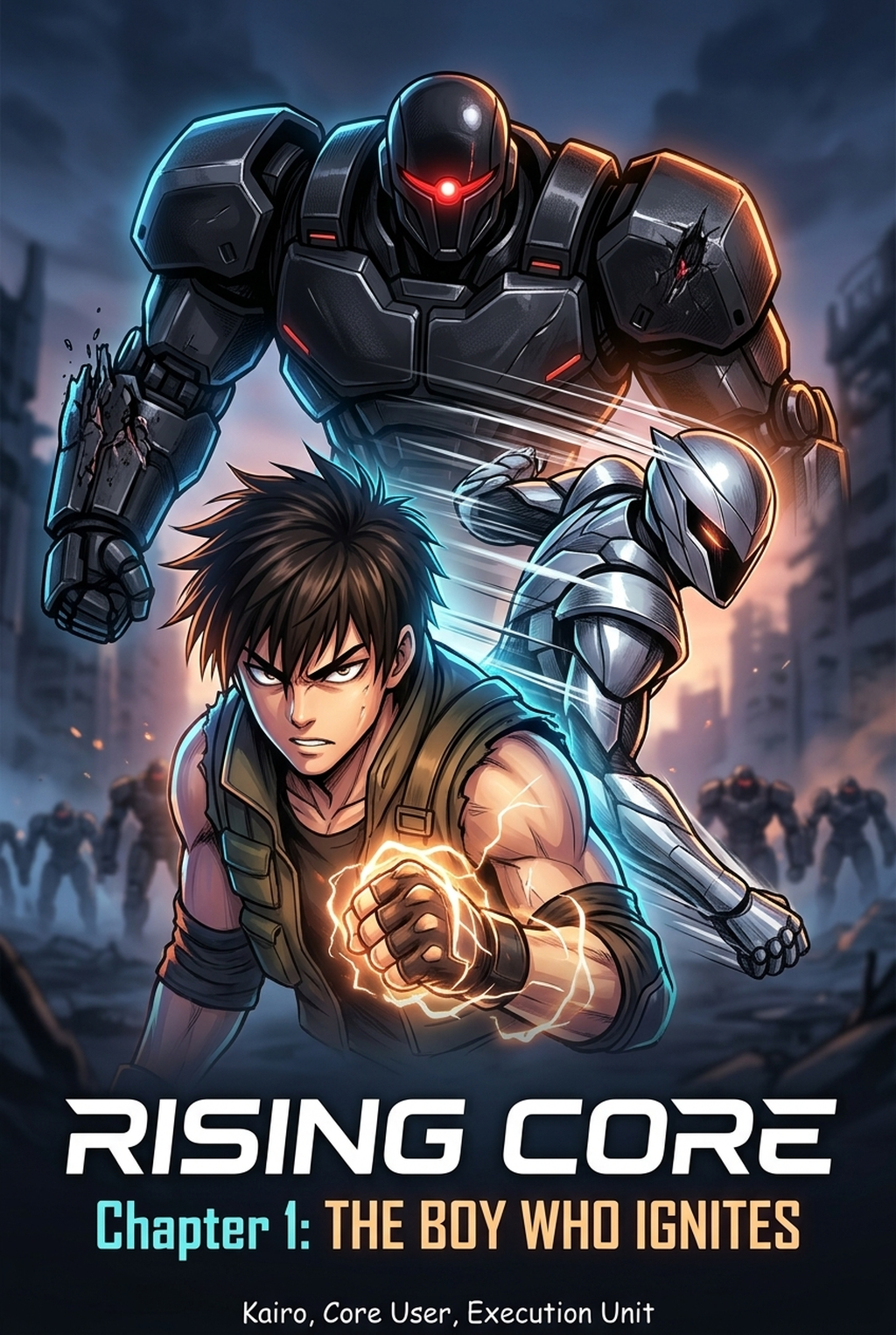
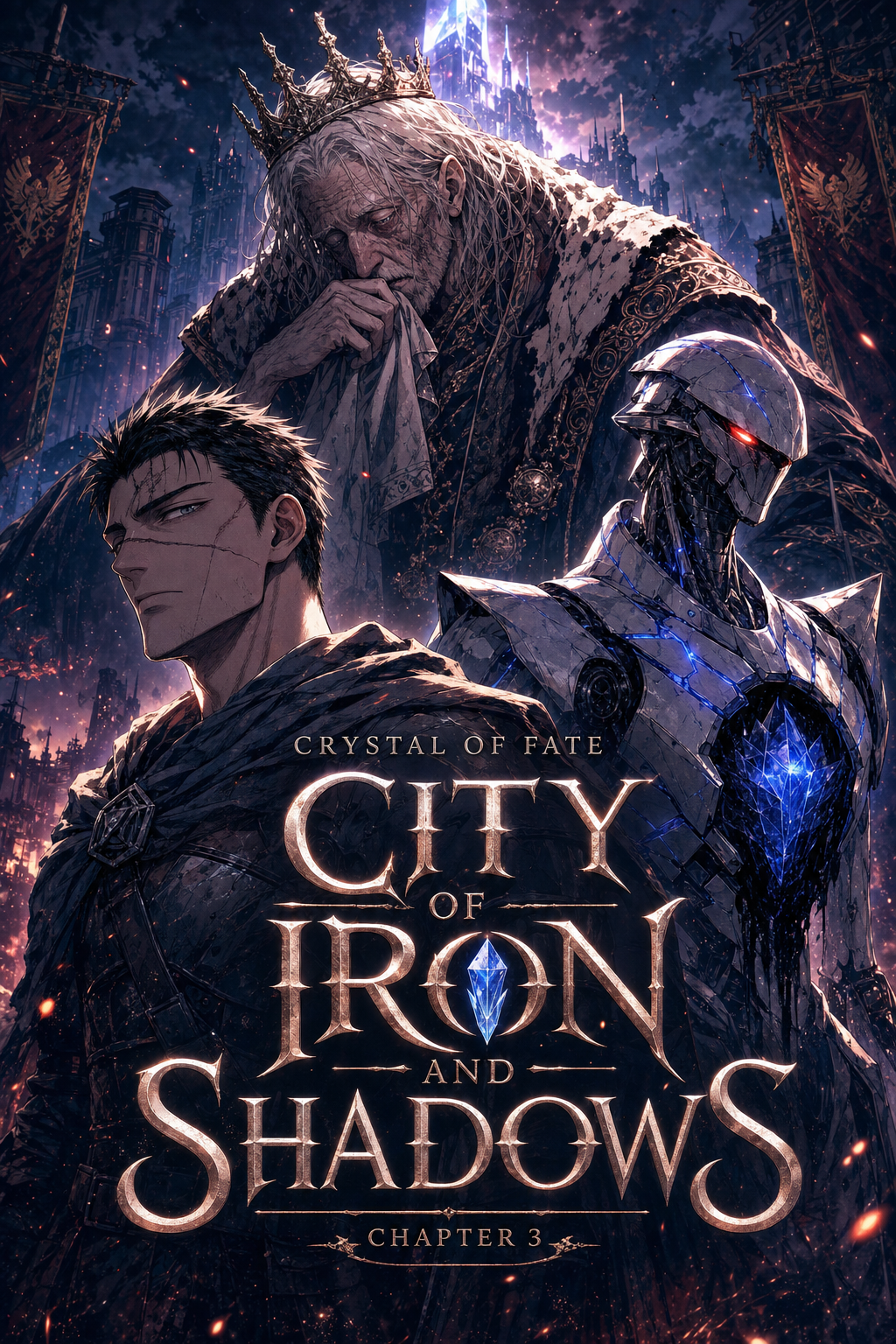
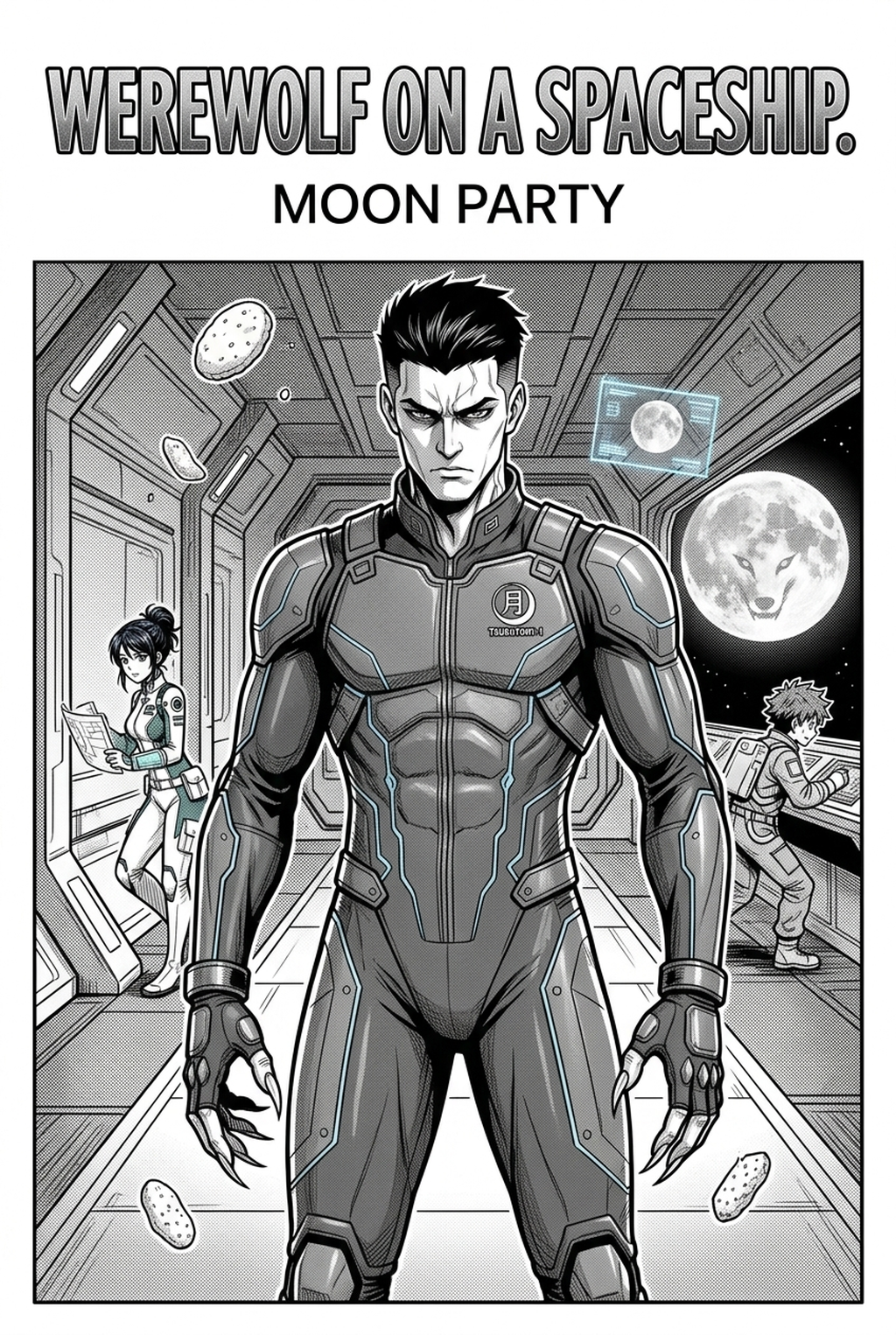
Unlike general-purpose image generators, these tools prioritize line clarity, screentone-compatible shading, and architectural accuracy consistent with Japanese manga production standards. * Scene Synthesis: It interprets specific creative briefs—such as "medieval village square with fantasy banners"—to generate structurally sound environments.
- Aesthetic Integration: The output is pre-filtered for Soft B&W," meaning it avoids messy, photorealistic textures that clash with hand-drawn character ink. For this criterion, check character consistency, panel readability, line quality, and export readiness before publishing. That makes the subsection useful instead of leaving a short checklist under a large heading.
Why AI Manga Background Artist Matters for Isekai in 2026
A useful manga workflow ties setup, review responsibility, and export conditions to the page a creator needs to finish. That keeps the decision focused on sketch cleanup, character intent, panel readability, and the publishing handoff.
The demand for weekly or bi-weekly chapter updates makes manual background illustration unsustainable for solo creators. ) features available today, you shift your role from a tedious drafter to a creative director, focusing your energy on character expressions and emotive scene beats.
How AI Manga Background Artist Works for Isekai in Soft B&W Panels
You can achieve high-quality results by feeding the engine descriptive, spatial parameters that prioritize line art over photorealistic rendering. The process is designed to mimic the traditional layout stage of manga production, where the focus remains on composition and depth before any final "inking" is applied.
- Define the Perspective: Input your scene’s setting, including time of day, architectural style, and key visual focal points.
- Apply Style Filters: Select Soft B&W" to ensure the generated shadows align with standard manga screentone density, preventing the "muddy" look typical of unrefined AI outputs.
- Refine and Extract: Export the resulting plate to your primary illustration software, where you can make minor adjustments to line weights to ensure the background matches your character ink. Maintaining visual cohesion requires keeping your descriptive creative briefs consistent. Use saved settings for recurring locations like the Hero’s Guild" or Dark Lord’s Throne Room" to ensure the lighting and perspective remain identical across multiple chapters. For this criterion, check character consistency, panel readability, line quality, and export readiness before publishing. Creators should also record why the page passed review, which panel details still need manual cleanup, and which export format the next collaborator will use. That makes the subsection useful instead of leaving a short checklist under a large heading.
Use Cases for AI Manga Background Artist
Use cases are strongest when the story goal, genre expectation, visual risk, and final export format are clear. A useful example names the page detail a creator checks before the page moves into lettering, coloring, or publishing. You can deploy these tools across various stages of your Isekai production to optimize your workflow.
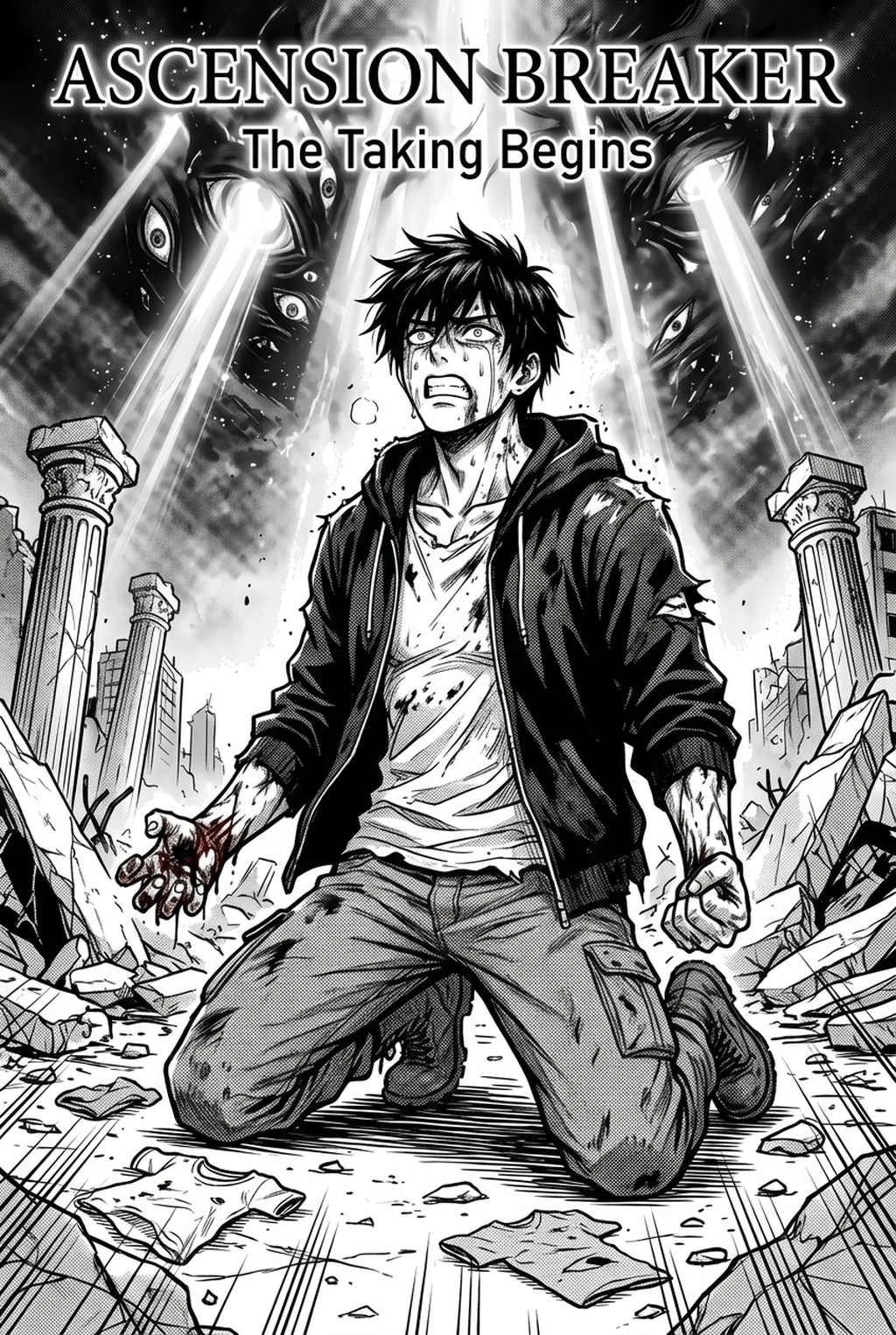
- World-Building Sequences: Quickly visualize vast landscapes or fantasy cityscapes that would take days to render by hand, keeping your readers immersed in the scale of the new world. * Drafting Action Beats: Generate high-impact backgrounds like crumbling ruins or chaotic battlefields, allowing you to focus on character anatomy during high-intensity sequences. * Interior Consistency: Ensure that recurring character rooms or shops look the same in every panel, maintaining spatial logic without manual measurement.
Step-By-Step Guide to Start with Mangaka
Line Quality Through Revision. Workflow Fit for Creator Output.
Start by preparing the creative brief, reference notes, character constraints, and export target before generation. The setup matters because a clearer brief gives the review pass something specific to judge: silhouette, expression, panel readability, and file readiness. You can begin integrating professional backgrounds into your workflow in three simple steps.
- Step 1: Create your account at the official portal.
- Step 2: Paste a detailed scene description or upload a rough composition sketch to define the boundaries of your panel.
- Step 3: Generate the background and download the high-resolution file to AI Manga Background Artist for Isekai manga in your preferred art software.
Release cadence belongs in the production context for manga tools. For creators, the useful product question is whether pages stay readable when schedule pressure rises. Export quality depends on whether the creator can still adjust cleanup, line weight, and handoff settings after AI assistance. Wacom comic and manga creation guidance ties that point to drawing practice instead of broad AI-image claims.
Creators should define the scene goal, character references, page count, reading direction, and target Soft B&W panels. That gives AI Manga Background Artist enough context to support the story instead of producing disconnected panels. For visual quality, creators should check line weight, facial expression, pose clarity, panel order, and space for dialogue before export.
Those checks matter more for Isekai pages because action beats and emotional pauses need to read quickly. For comparison, a useful tool should save time without flattening the creator's style. The best choice keeps the first pass editable, makes revisions visible, and leaves final judgment with the artist.
Creators can use each revision decision to clarify panel readability, character consistency, and export quality before publishing or sharing. For production, creators should keep a small reference sheet for recurring characters, outfits, props, and backgrounds. That makes it easier to compare generated pages and decide which panel needs a redraw.
Creators should confirm the final PNG, PDF, or editable file can move into lettering, coloring, or layout cleanup without rebuilding the page. A clear export routine keeps the next chapter faster. For team review, creators should separate story feedback from art feedback.
One pass can focus on pacing, another on panel readability, and a final pass on file quality before publishing or sharing. For style control, creators should compare the generated page against the intended genre mood rather than judging only technical polish. A clean page still needs the right energy, expression, and visual rhythm.
- Reader expectations. MyAnimeList manga news keeps genre expectations visible for readers who scan action, character acting, and page rhythm quickly. Shonen inking should preserve panel clarity, not just cleaner lines.
- Drawing practice. Wacom's comic and manga creation guide ties tool choice to brush control, cleanup effort, and export readiness. That keeps review grounded in creator workflow.
The Bottom Line
A useful creator workflow keeps the story goal, visual style, and review step clear before export. AI Manga Background Artist gives creators a faster first pass without removing the final human review. Start creating with AI Manga Background Artist for Isekai manga when you are ready to turn the reviewed idea into finished manga pages. Test it with one real page goal, one reference boundary, and one export requirement so the decision stays tied to production quality.