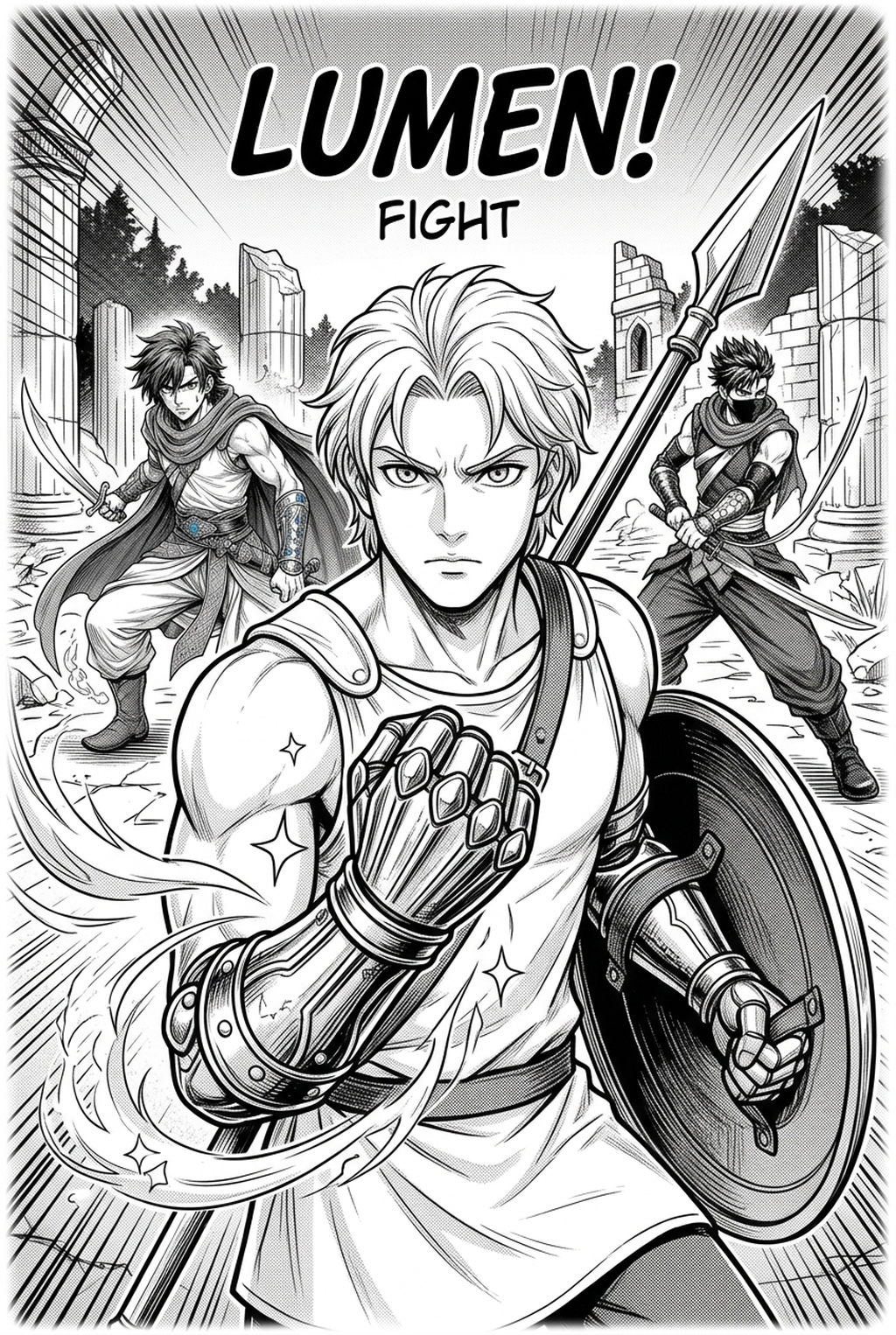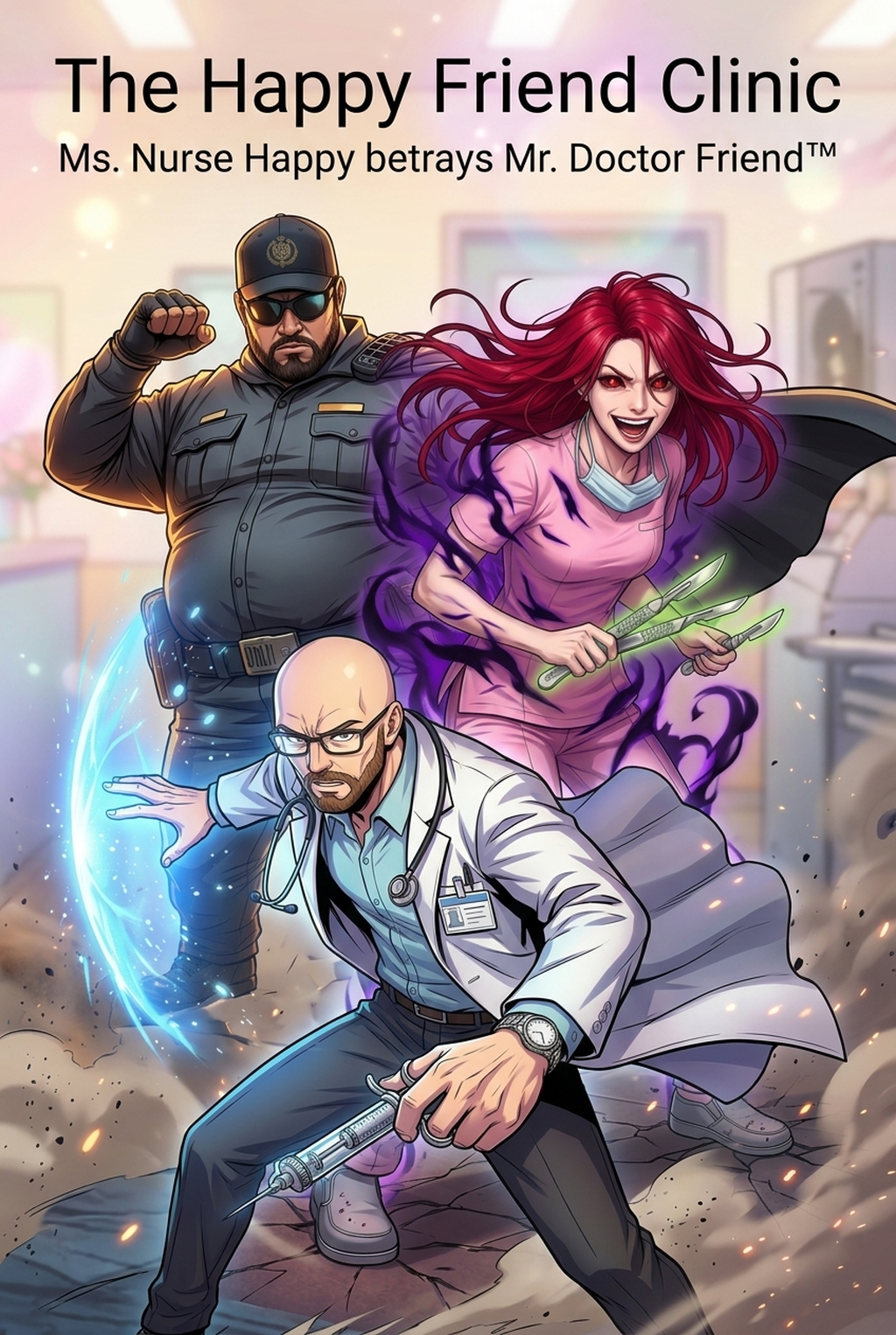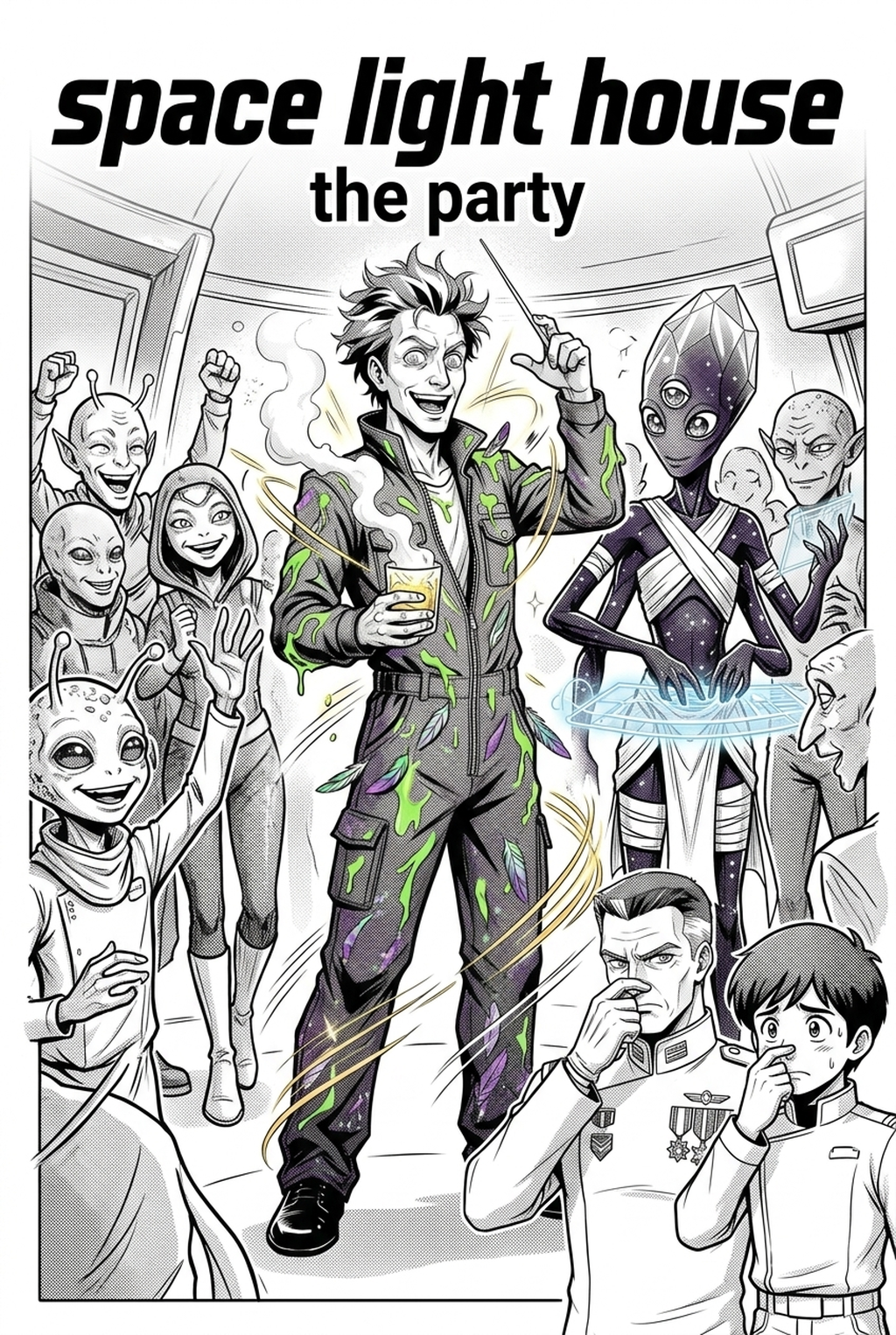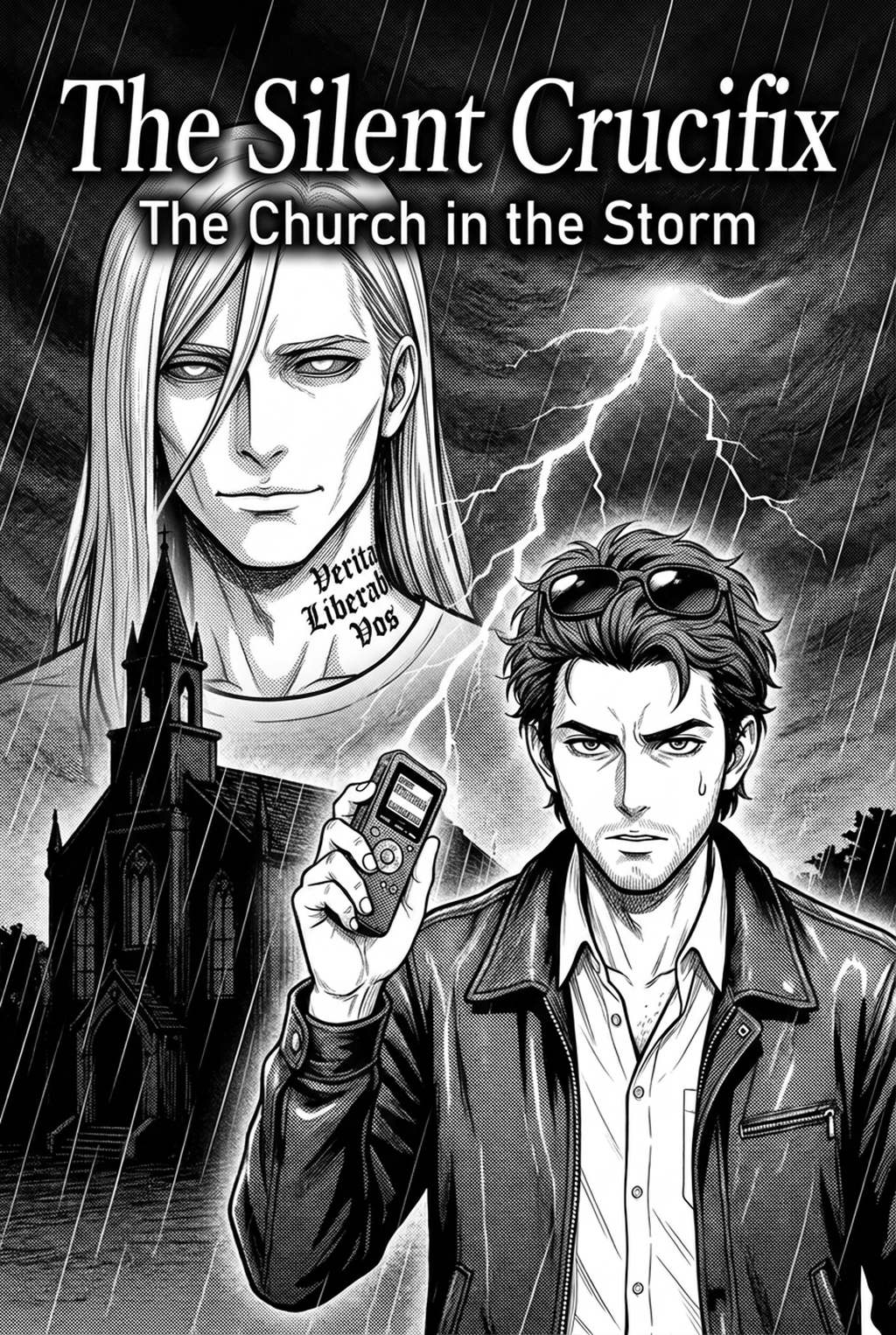
AI Manga Style Transfer: What Pro-Quality" Means for AI Manga Style Transfer in Dynamic Color Panels
The Anime News Network feature on how manga is made describes manga as staged work from rough draft to finished page. That production context matters for Sports creators because AI assistance is useful only when the sketch, inking pass, and final page review stay connected.
AI Manga Style Transfer for Sports manga helps creators choose the right Mangaka workflow for cleaner pages, steadier style, and review-ready output. The comparison starts with production speed, manual control, line quality, and export readiness because those factors shape whether a page can move into final review.
You know that professional quality in a sports manga isn’t just about vibrant colors; it’s about how those colors support the action. When you are managing high-octane scenes, your art must retain a sense of weight and motion that guides the reader’s eye across the page. True quality means your AI-processed panels feel like a cohesive, intentional vision rather than a collection of mismatched filters.
Prioritize Creative Risks by Reader Impact
- Line Weight Preservation: The AI must respect the original brush pressure of your sketches so that the "ink" looks like it was drawn by a human hand, not filtered through a digital blur. * Color Harmony: In sports, jersey colors and court lighting must remain consistent across a sequence to prevent visual fatigue. * Anatomical Accuracy: The transfer must not warp muscle definition during dynamic poses, as any distortion can ruin the "oomph" of a physical movement. * Focus Mapping: High-quality style transfer should naturally draw attention to the athlete's face or the ball, rather than flattening the depth of field.
Export Checks Before Publishing
Evaluate your panels against a few final technical benchmarks. Ensure that your output maintains a consistent DPI—typically 300 or higher for print—and that the color profile is optimized for the intended display, whether that is mobile vertical comic platforms format or physical tankōbon prints. Check for "artifacting" around the edges of high-contrast areas, such as the white outlines of jerseys against a dark arena background.
Common Quality Pitfalls
You have likely seen creators get frustrated when their carefully crafted sketches come out looking muddy or inconsistent. The primary challenge in sports manga is that the subject is rarely standing still; complex body rotations and motion lines often confuse automated systems, leading to output that looks more like a smudge than a strike.
Line Art and Panel Readability
- The Muddy" Line Effect: When a style transfer tool over-processes an image, it often fills in the gaps between line art, creating a messy, cluttered panel that loses its focal point. * Loss of Motion Flow: If the AI flattens your speed lines, the action disappears; you must ensure your chosen tool treats line art as the foundational "anchor" of the image. * Background Over-rendering: Backgrounds in sports manga should provide context, not distract from the player. Excessive detail in the stands can pull the reader away from the central action.
Revision Time and Export Risk
Relying on generic tools often forces you to spend more time cleaning up AI errors than you would have spent coloring by hand. You might encounter "ghosting" effects where limbs seem to double, or colors that bleed into the wrong character’s uniform. These issues are exacerbated by inconsistent export settings, where your panel dimensions might fluctuate, creating a disjointed experience when viewed as a sequence. You can mitigate these risks by using AI Manga Style Transfer for Sports manga with Mangaka to keep your character models locked throughout the transformation process, ensuring the style remains uniform across entire matches.
How Mangaka Maintains Consistency in Sports
You want a workflow that feels like an extension of your own hand, not a battle against a black-box algorithm. This keeps the review focused on story intent, line weight, panel readability, and the export quality behind the final AI Manga Style Transfer output.
Workflow Fit for Creator Output
Mangaka is built to integrate directly into your existing sketch phase. Instead of struggling with separate programs for line art, flatting, and shading, you can feed your high-fidelity sketches into the engine. Because the system is optimized for manga-specific line weights, it preserves the tension and dynamism you put into your original sketches, maintaining the "hand-drawn" aesthetic even after the style transfer is applied.
Review Controls Before Export
You have granular control over the final render. You can adjust the intensity of the color application, ensuring that the highlights on a basketball or the sweat on an athlete’s skin look realistic without becoming garish.
Best Practices to Improve Output
You can drastically reduce your iteration time by preparing your sketches with the output in mind. When you approach your workspace with a clear understanding of how style transfer handles contrast, you make it easier for the model to interpret your intentions correctly.
Creative Decisions and Export Quality
- High Contrast Sketching: Using thick, dark lines for your athletes against lighter, thinner lines for backgrounds helps the AI distinguish between foreground action and peripheral detail. * Consistency in Perspective: Keep your camera angles consistent for at least three to four panels at a time to give the style transfer a stable reference point for shading and light sourcing.
Workflow Fit and Review Needs
- Test for Downscaling: If your work is meant for mobile reading, perform a "preview" check at smaller resolutions to ensure your line work doesn't disappear when scaled down. * Consistency Audit: Place your exported panels side-by-side in your software to ensure no character’s skin tone or costume color has drifted between frames.
Release cadence belongs in the production context for manga tools. For creators, the useful product question is whether pages stay readable when schedule pressure rises. Export quality depends on whether the creator can still adjust cleanup, line weight, and handoff settings after AI assistance. Wacom comic and manga creation guidance ties that point to drawing practice instead of broad AI-image claims.
- Reader expectations. MyAnimeList manga news keeps genre expectations visible for readers who scan action, character acting, and page rhythm quickly. Shonen inking should preserve panel clarity, not just cleaner lines.
- Drawing practice. Wacom's comic and manga creation guide ties tool choice to brush control, cleanup effort, and export readiness. That keeps review grounded in creator workflow.
The Bottom Line
A useful creator workflow keeps the story goal, visual style, and review step clear before export. AI Manga Style Transfer gives creators a faster first pass without removing the final human review. Creators can use each revision decision to clarify panel readability, character consistency, and export quality before publishing or sharing.
Start creating with AI Manga Style Transfer for Sports manga when you are ready to turn the reviewed idea into finished manga pages. Test it with one real page goal, one reference boundary, and one export requirement so the decision stays tied to production quality.