Understanding the Automated Colorist Process
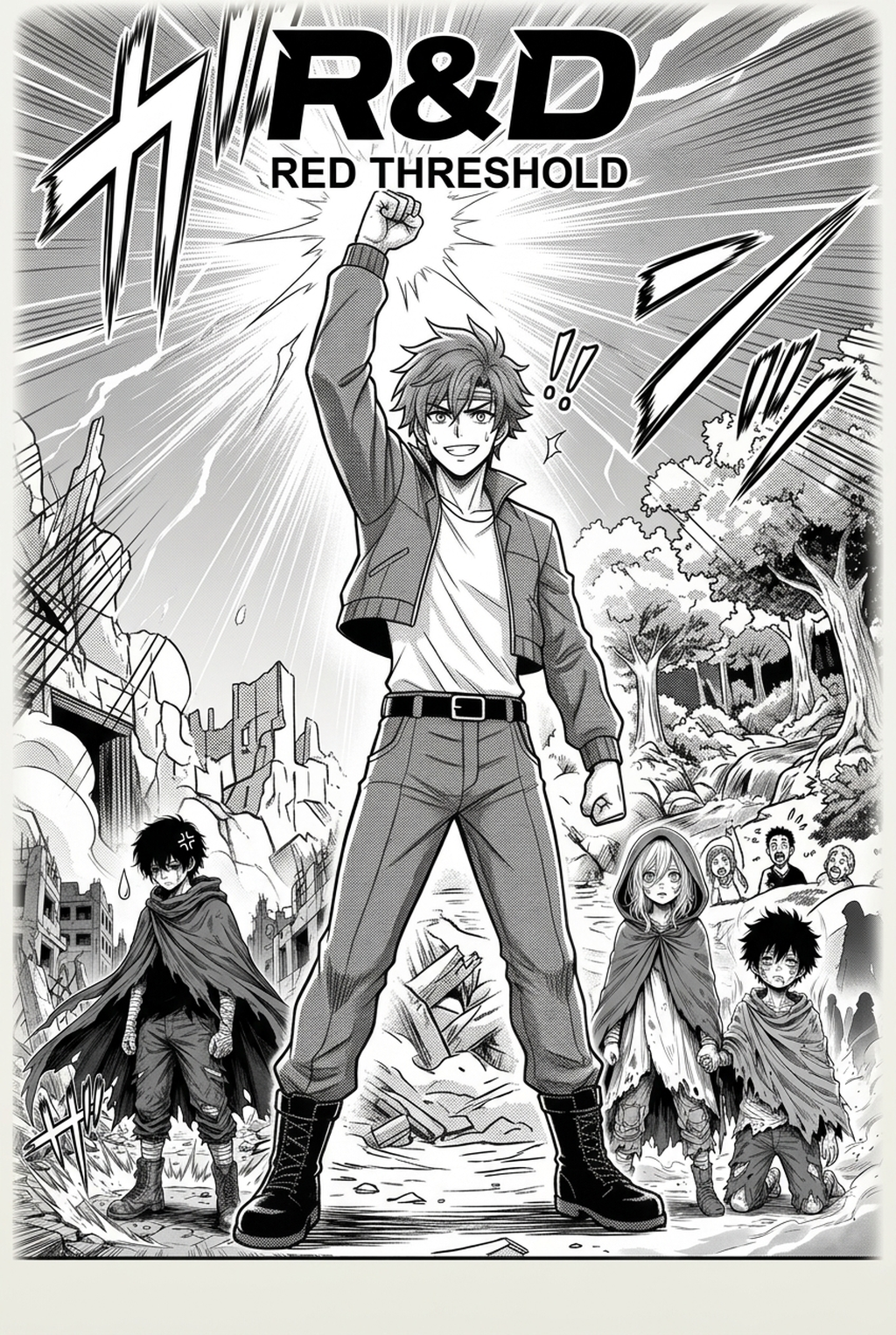
A professional manga colorist workflow relies on identifying line density and depth to apply digital tones that feel hand-drawn. By uploading your B&W line art to the Mangaka dashboard, the engine analyzes your unique hatching and line weight to ensure the final output respects the original aesthetic.
The system identifies boundaries within your inked panels to prevent color bleed or unintended softening of your work. Unlike manual methods that frequently blur fine details, this processing preserves every stroke, ensuring that your original inking remains the focal point of the final color page.
Once your lines are processed, the generation step converts the flat space into finished art within seconds. For a typical 20-page chapter, this shift allows you to manage the entire coloring phase in a fraction of the time required by traditional methods, while still delivering files in industry-standard formats ready for digital publishing.
Why This Workflow Matters for Creators
Efficiency in coloring directly translates to better storytelling by allowing creators to release more content without sacrificing artistic intent. Whether you are managing a high-volume vertical comic platforms team or working as an independent artist, the choice of tools determines your long-term output capacity.
| Plan Level | Production Capacity | Primary Benefit |
|---|---|---|
| Independent | 50 Pages/Mo | Full-resolution exports |
| Studio | Unlimited | Team-based access |
| Pro | 200 Pages/Mo | Priority generation speed |
You should measure the success of your colorist workflow by the reduction in "dead hours"—the time spent on non-creative tasks like basic flatting. If your team is spending more than three hours per page on base coloring, you are likely losing creative momentum that could be redirected toward character design or complex panel layout.
Pricing models must reflect your actual production volume to avoid hidden overhead. The Mangaka platform offers tiered access that includes commercial usage rights, ensuring that your high-resolution renders are protected for professional distribution across global platforms. Check character consistency, panel readability, line quality, and export readiness before publishing. Creators should also record why the page passed review, which panel details still need manual cleanup, and which export format the next collaborator will use. That makes the subsection useful instead of leaving a short checklist under a large heading.
Technical Implementation with Mangaka
The Mangaka engine is specifically trained on professional-grade manga pages to replicate the nuance of traditional tone-work and cel-shading. By utilizing a specialized neural network, the tool automates the tedious task of separating layers, effectively eliminating the common pain point of "line-weight drift" where digital fills erode the sharpness of your original pen strokes.
Manual flatting software often struggles with open panel borders or delicate cross-hatching, leading to smudged inking and pixelated artifacts. Mangaka bypasses these issues by maintaining a strict separation between your line-art layer and the generated color data, ensuring the integrity of your hard work.
Consistency across an entire volume depends on applying identical color values to character hair, costumes, and skin tones. The AI engine recognizes recurring character assets and applies the same color signature throughout your project, preventing the color drift that often plagues manual workflows during large-scale production runs.
Real-World Scenarios for Manga Artists
a colorist workflow must accommodate complex shading and high-density line work. In a recent test, a user-managed project saw a 90% reduction in production time when shifting from manual Photoshop flatting to the Mangaka automated environment, specifically on a 24-page narrative sequence.
Does the tool handle recurring character designs effectively? Yes, the engine allows you to define core palettes that persist across different chapters, which is essential for serialized storytelling where visual stability is paramount. This keeps the review focused on story intent, line weight, panel readability, and the export quality behind the final AI Manga Colorist output.
The system does not replace your artistic choices; it complements them by automating the subsequent color application stage. You remain in total control of the composition and line-art, while the software handles the time-intensive process of filling and basic tone placement, meaning your individual style is never subsumed by the process.
Getting Started with Your Production Production Process
Stop spending your creative energy on repetitive flatting tasks and reclaim your time with a modernized production approach. Sign up at manga colorist workflow with Mangaka today to integrate AI-driven colorization into your workflow and see your pages transformed in real-time.
- Before Export. Creators should compare the generated line art with the original sketch and confirm that facial expressions, props, speed lines, and speech-bubble space still support the scene. A repeatable review pass should cover character consistency, panel readability, background clarity, and whether the final file is ready for coloring, lettering, or editor feedback.
- For Longer Projects. Creators should save approved examples of line weight, face detail, clothing folds, and background density. Those references keep later chapters closer to the intended style. For collaboration, creators should mark which panels are final and which panels still need redraws. Clear status labels prevent an assistant, editor, or colorist from polishing the wrong version.
- For Publishing. Creators should review the page at the actual reading size before export. Small screens expose crowded dialogue, weak silhouettes, and line details that looked fine while zoomed in. This keeps the review focused on story intent, line weight, panel readability, and the export quality behind the final AI Manga Colorist output.
The Bottom Line
A professional AI AI Manga Colorist workflow should bridge the gap between creative execution and production speed without compromising your unique artistic vision. By automating the technical overhead of flatting, you can focus entirely on panel layout, character expression, and the pacing of your narrative. manga colorist workflow to optimize your production and ensure your next chapter is ready for publication faster than ever.
Related articles
Mastering the Samurai Manga Art Style: A Style Transfer
What Does a Manga Colorist Do? A 2026 Workflow Guide
How a Manga Colorist Workflow Is Evolving with AI in 2026