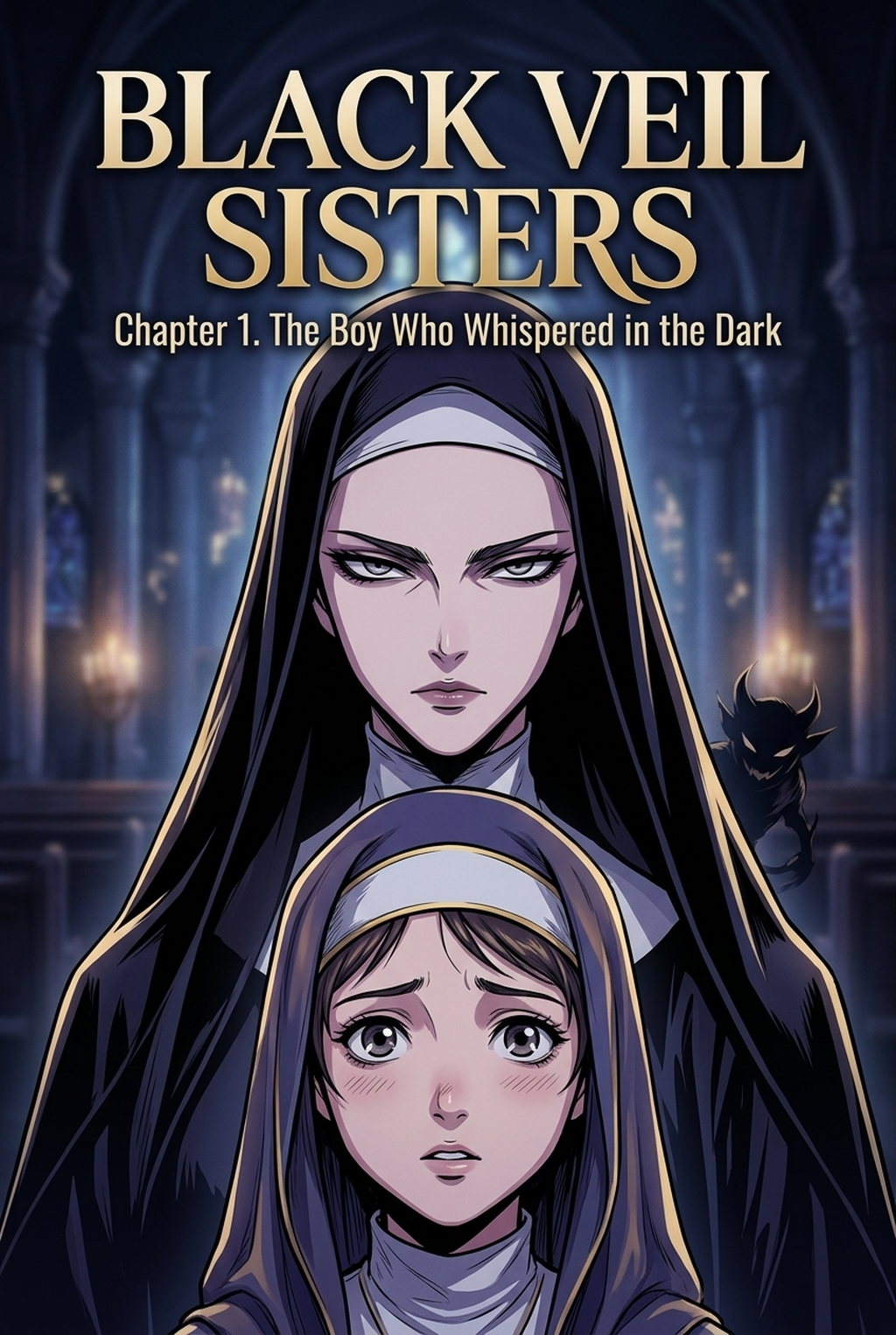
AI Manga Storyboard Builder: Defining the Mechanics of Narrative Motion
Effective flow is the strategic arrangement of panels to manipulate the speed at which a reader consumes a sequence of combat. By consciously varying your panel geometry, you dictate whether a fight feels like a lightning-fast exchange or a prolonged, high-tension standoff where every strike carries terminal weight.
Visual vectors act as invisible leashes, pulling the reader's gaze from the point of impact toward the next vital narrative beat. A character’s thrust, the trajectory of debris, or even the harsh angle of a speed line must align with the gutter of the next panel to maintain momentum. If these vectors clash, the eye hits a dead end, forcing the reader to hunt for the next frame and breaking the immersion of your action sequence.
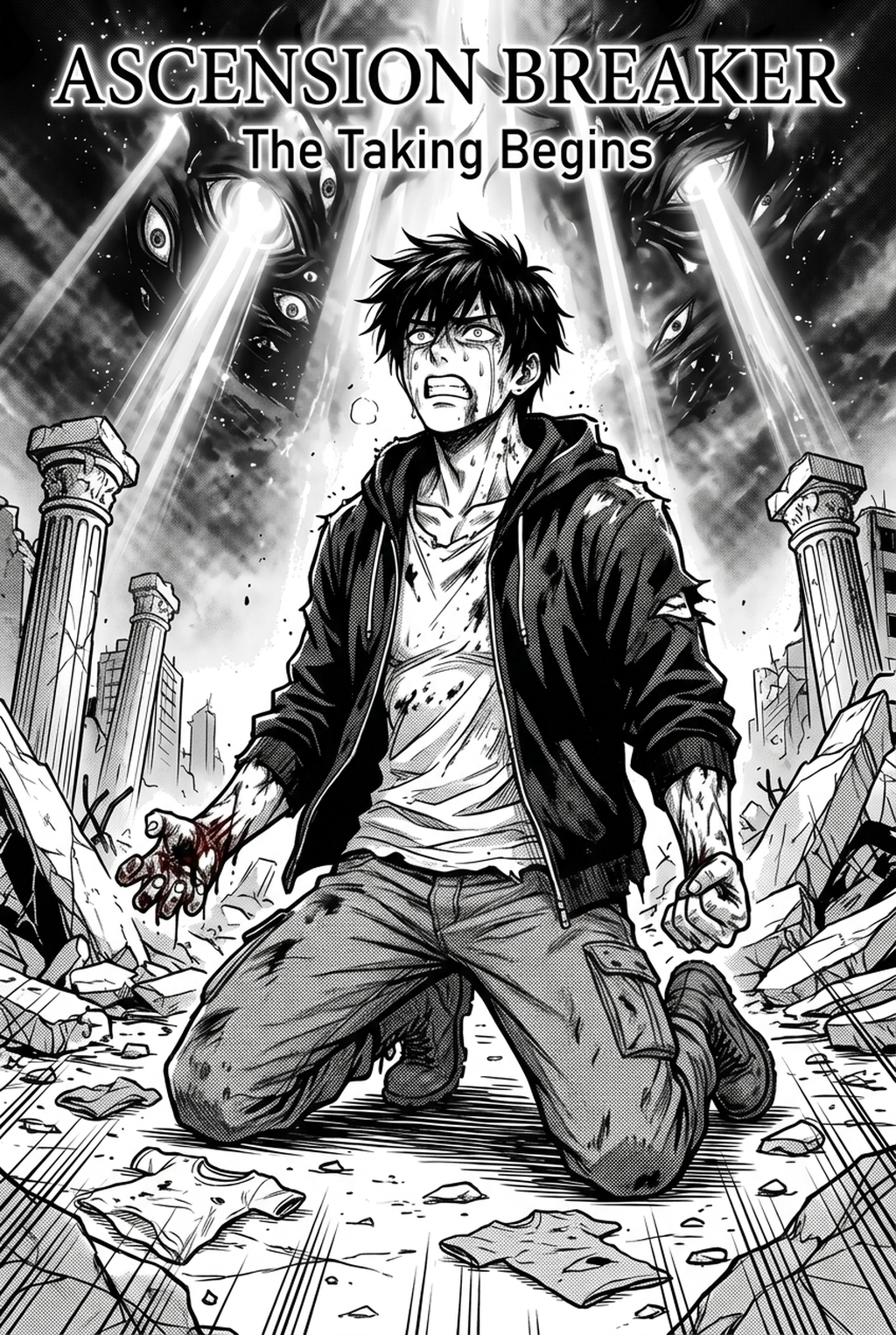
White space serves as the silence between musical notes, and in manga, it functions as a pacing tool that prevents eye fatigue. Dense, complex compositions featuring multiple overlapping figures should be countered by minimalist reaction frames or single-panel close-ups. This rhythmic oscillation allows the reader to process information without feeling overwhelmed, essentially giving them a moment to breathe before the next surge of chaos.
Why Narrative Sequencing Defines Reader Immersion
Pacing determines how long a reader lingers on a specific moment, which ultimately dictates the perceived weight of a hit or the urgency of a pursuit. If your paneling remains rigid and predictable, even the most explosive dragon-fire blast will feel hollow because the reader subconsciously expects the next hit at a standard interval.
Effective sequencing prevents eye-fatigue by alternating between dense, complex compositions and minimalist, punchy reaction frames. A common failure in amateur storyboards is the "wallpaper effect," where every panel has an equal density of information, leading to a flat reading experience. By layering high-intensity, multi-character skirmishes with sudden, narrow focus frames, you ensure the high-impact moments feel genuinely earned.
Creating rhythmic sync between sound effect placement and physical panel boundaries is vital for Shonen-style impact. When you force an SFX to bleed over a panel gutter, you essentially break the "containment" of the action, signaling to the reader that the physical force of the strike is too intense for the page to hold. This specific technique reinforces the scale of the power being displayed.
How Mangaka Elevates Storyboard Construction
Mangaka empowers creators to experiment with layout variations before committing to final art, ensuring the composition supports the intended emotional beat of a scene. By using an action manga storyboard flow with Mangaka , you automate the mapping of character positions to panel geometry, which prevents the frustrating "floaty character" syndrome where proportions seem to drift between cuts.
The platform handles the structural heavy lifting by automatically adjusting character placement relative to the camera angle, ensuring your perspective remains consistent across a rapid-fire sequence. This solves the persistent issue of perspective-drift, where an object or character appears to change scale or position between two panels, an error that frequently ruins the clarity of a complex choreography.
Instead of painstakingly sketching and erasing until you find the right angle, you can iterate through different panel configurations to simulate various camera shutter speeds. You can move from cinematic, wide-angle pans to tight, claustrophobic close-ups instantly, allowing you to focus on the narrative intent rather than the geometry of the frames.
Strategic Use Cases for Dynamic Layout
Always prioritize the narrative path—the invisible line the reader follows across the gutter—before drafting individual characters. If you define the path of movement first, the placement of characters becomes a secondary check rather than a primary struggle, ensuring every panel serves the progression of the skirmish.
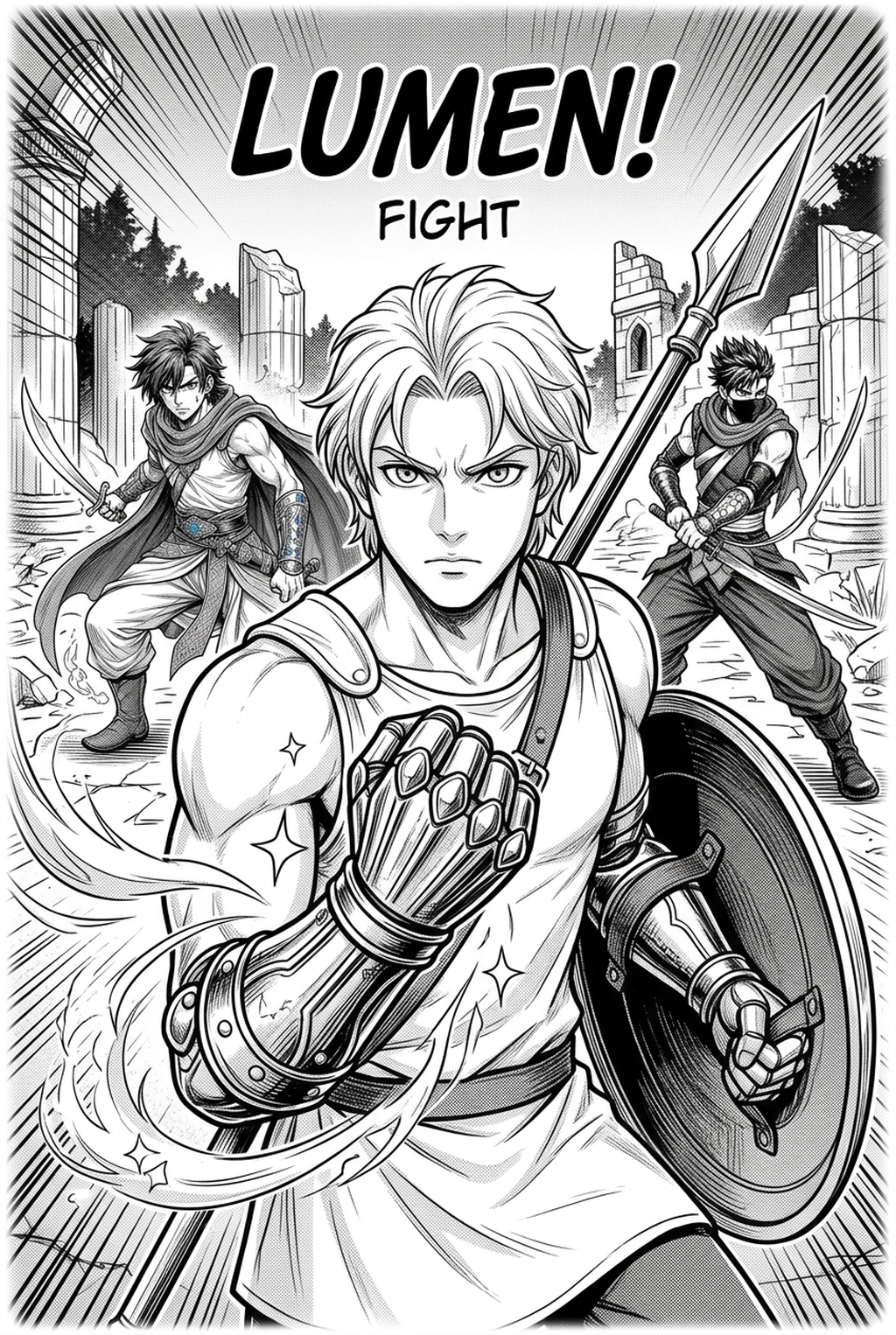
Use variable panel widths to simulate camera shutter speed, creating a stuttering, high-intensity effect for fast-paced combat. * Narrow vertical panels: Best for high-speed motion, falling debris, or vertical evasion. * Widescreen landscape panels: Ideal for establishing the scale of the battlefield or a decisive finishing move. * Overlapping panels: Use these sparingly to create a sense of claustrophobia or to show two events happening simultaneously.
Avoid overlapping visual anchors that obscure the primary target of the action. When two figures occupy the same visual space, it creates a "clutter trap" that confuses the eye and hides the choreography, so you must adjust your character layers to ensure the focus remains on the primary combatant during the clash.
Getting Started with Professional Pacing
Transitioning to an AI-assisted workflow allows you to push boundaries without the fear of ruining a perfectly good sketch. You should view the layout tool as a partner that enforces the mathematical rules of composition, letting you focus entirely on the emotional beats.
If your sequence feels disjointed, review the panel sizes and shapes; if they are all identical, the eye stalls and the energy dissipates. Introduce one large splash panel to reset the pace and provide a visual anchor that forces the reader to stop and acknowledge the scale of the current event.
AI tools do not strip away your creative control; they manage the technical architecture, allowing you to define the intensity and emotional beats of the sequence. By automating the alignment of panels and the persistence of characters, you spend more time crafting the narrative arc and less time correcting line-art misalignment or character-proportion drift.
Different genres demand distinct approaches to pacing. * Shonen: Favors explosive, irregular layouts that break the grid to emphasize speed and power. * Seinen: Utilizes grid-heavy, restrained pacing that focuses on internal monologue and atmospheric tension. * Josei: Often relies on soft transitions and organic panel shapes that mirror the emotional flow of the dialogue.
The Bottom Line
Mastering storyboard flow is the most effective way to elevate the professionalism of your work without needing to change your base drawing style. By combining traditional pacing theory with intelligent layout tools like the action manga storyboard flow , you can focus more on the narrative weight and less on the manual configuration of panel geometry.
Related articles
Mastering 4-Koma Gag Manga Pacing for Viral Webcomics 2026
Mastering Manga Background Scenery: A 2026 Creator's Guide
Mastering Shonen Manga Storyboard Flow: A Creator's Guide