AI Manga Colorist: Comparison of Colorization Workflows
| Tool Name | Preserves Line Art | Speed | Learning Curve | Customization |
|---|---|---|---|---|
| Mangaka AI | High | Instant | Low | High |
| Photoshop Manual | Moderate | Very Slow | High | Absolute |
| Clip Studio Sub-tools | Moderate | Moderate | Medium | Moderate |
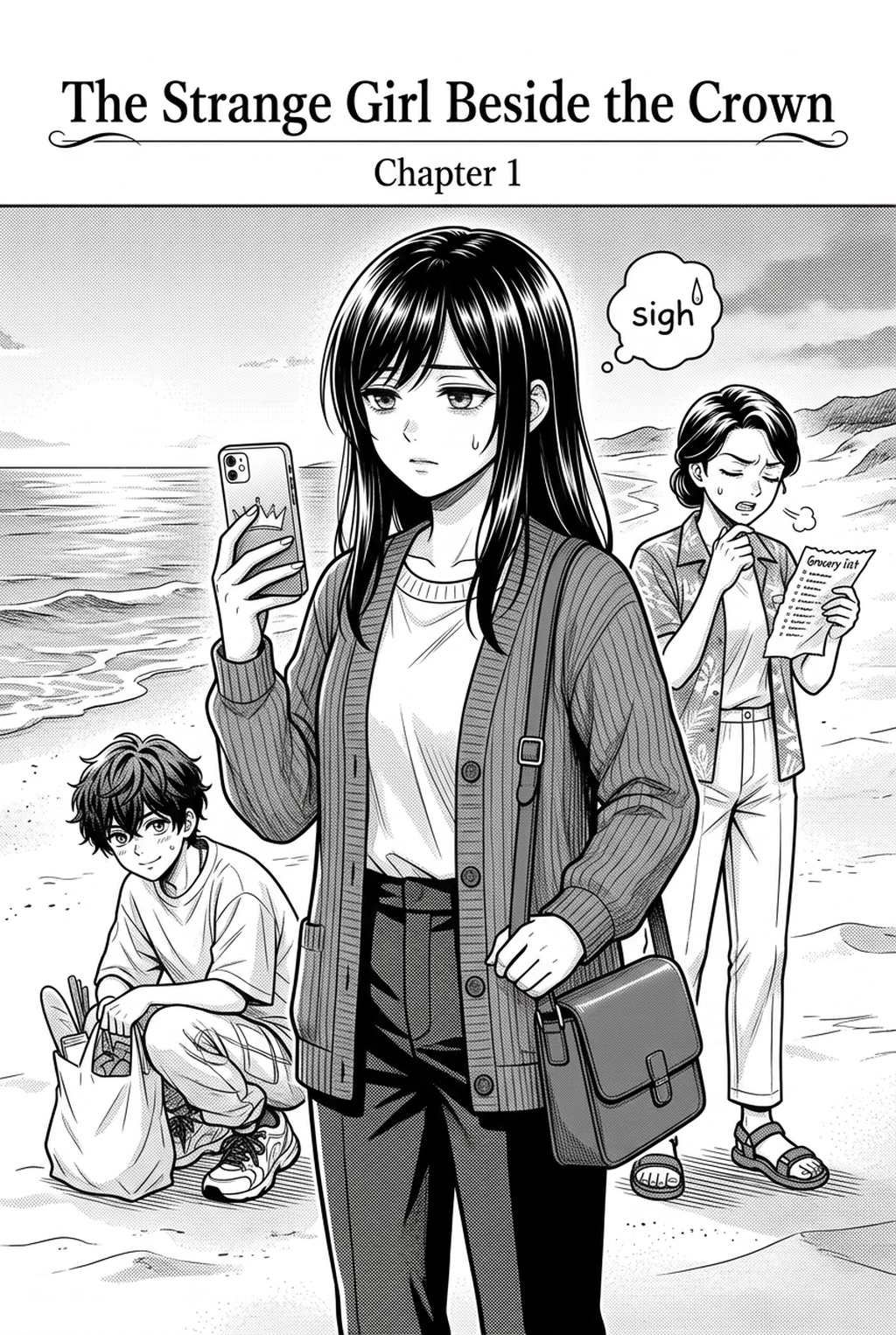
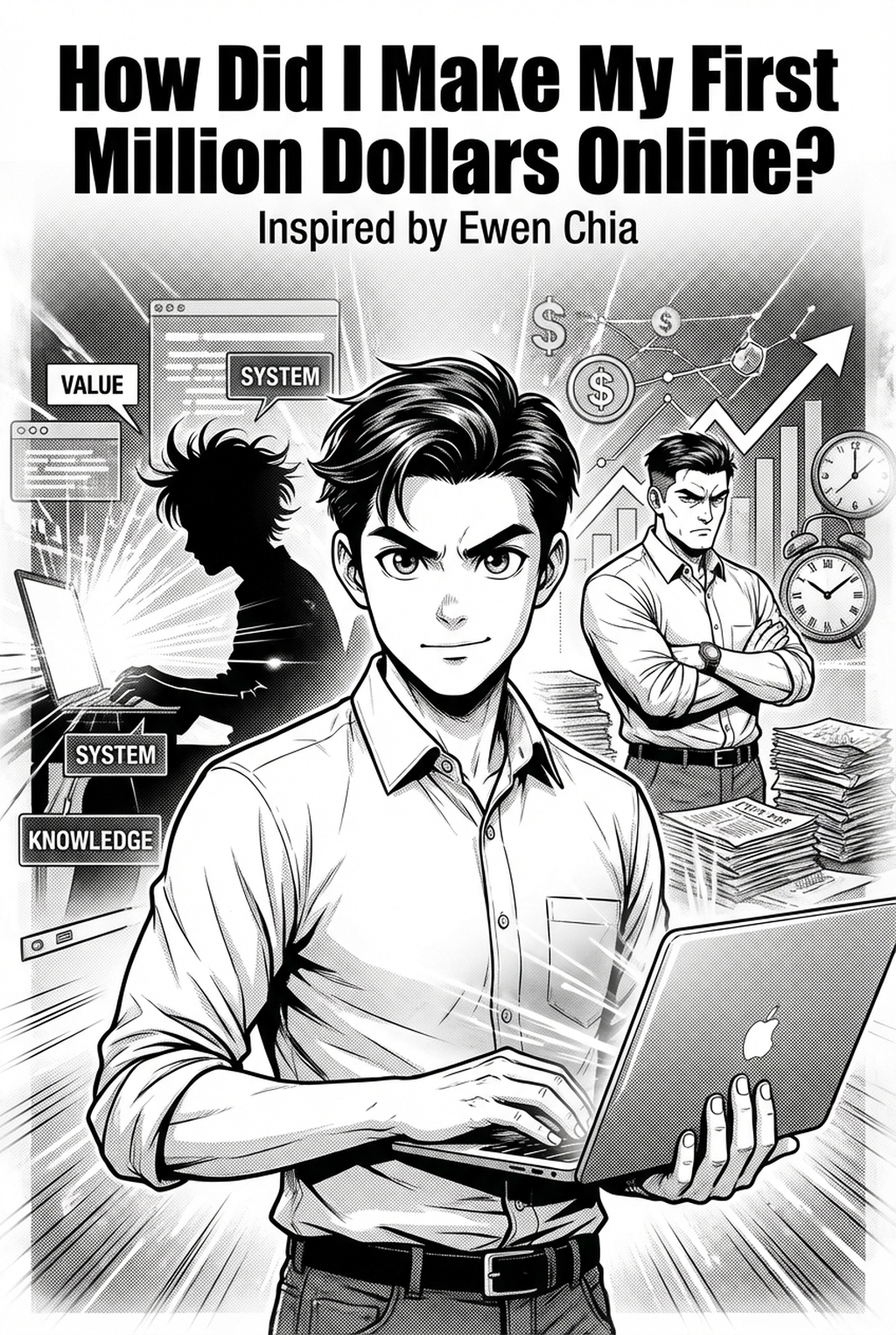
Evaluating these tools requires focusing on how they handle technical constraints like layer depth and ink density. The primary criteria for any colorist solution include the ability to retain original hand-drawn textures while automating the repetitive task of flatting complex background elements. Mangaka distinguishes itself by treating the source ink as a protected entity, ensuring that the AI color logic respects the original artist's stroke weight rather than blurring it into a pixelated mess.
Why Colorist Requirements Matter for Creators
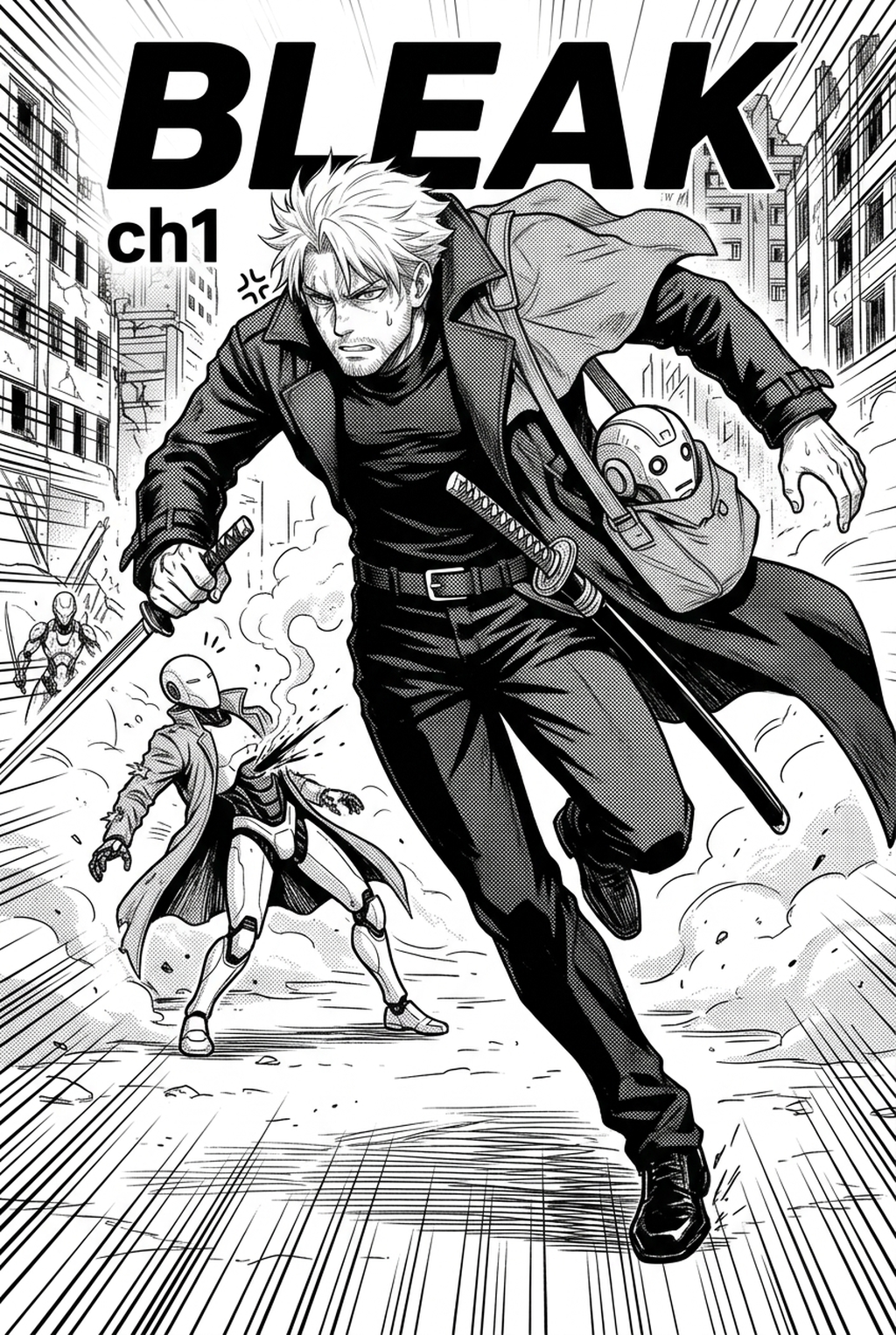
Artists often struggle with "color drift," where character palettes shift slightly from chapter to chapter due to inconsistent swatch management. Maintaining visual immersion requires that your chosen tool provides robust support for palette persistence across high-volume projects. Manga is defined by clean, high-contrast lines that demand total respect during the painting phase. A superior tool must function as a non-destructive layer, ensuring that the delicate hatching and line-weight variance in your original inks are never compromised by color filling algorithms. When a colorist tool fails to treat line art as a protected layer, you end up with muddy fills that require manual cleanup of every panel border, effectively nullifying any time saved by automation.
Character consistency is the backbone of reader engagement in serialized manga, especially in long-form works. Relying on automated color sampling across chapters prevents the psychological "disconnect" that occurs when a protagonist’s hair tone or outfit color fluctuates between pages. Using a solution that locks your character models to a specific color profile ensures that your output remains uniform, regardless of the complexity of the lighting in a particular scene.
Professional workflows demand files that are ready for final human intervention, such as adding subtle highlights or localized emotional color adjustments. A capable tool must export to layered PSD formats, allowing creators to keep their ink, flat, and shadow layers separated. This approach grants the artist the final authority to refine the AI's output, effectively merging the speed of automation with the nuance of hand-painted artistry.
How Colorist Workflows Integrate with Mangaka
Mangaka serves as an efficient bridge between raw, monochromatic line art and finished, professional-ready color pages. By delegating the initial blocking of backgrounds and flatting to AI, artists can reclaim significant production time. This keeps the review focused on story intent, line weight, panel readability, and the export quality behind the final AI Manga Colorist output.
Flatting represents the most time-consuming phase for any colorist, often taking hours for a single dense panel. Mangaka automates this by segmenting complex illustrations into logical color zones, which significantly reduces the need for manual lasso tool pathing. This allows the creator to move past the technical grind of filling shapes and begin working on the narrative pacing of the page sooner.
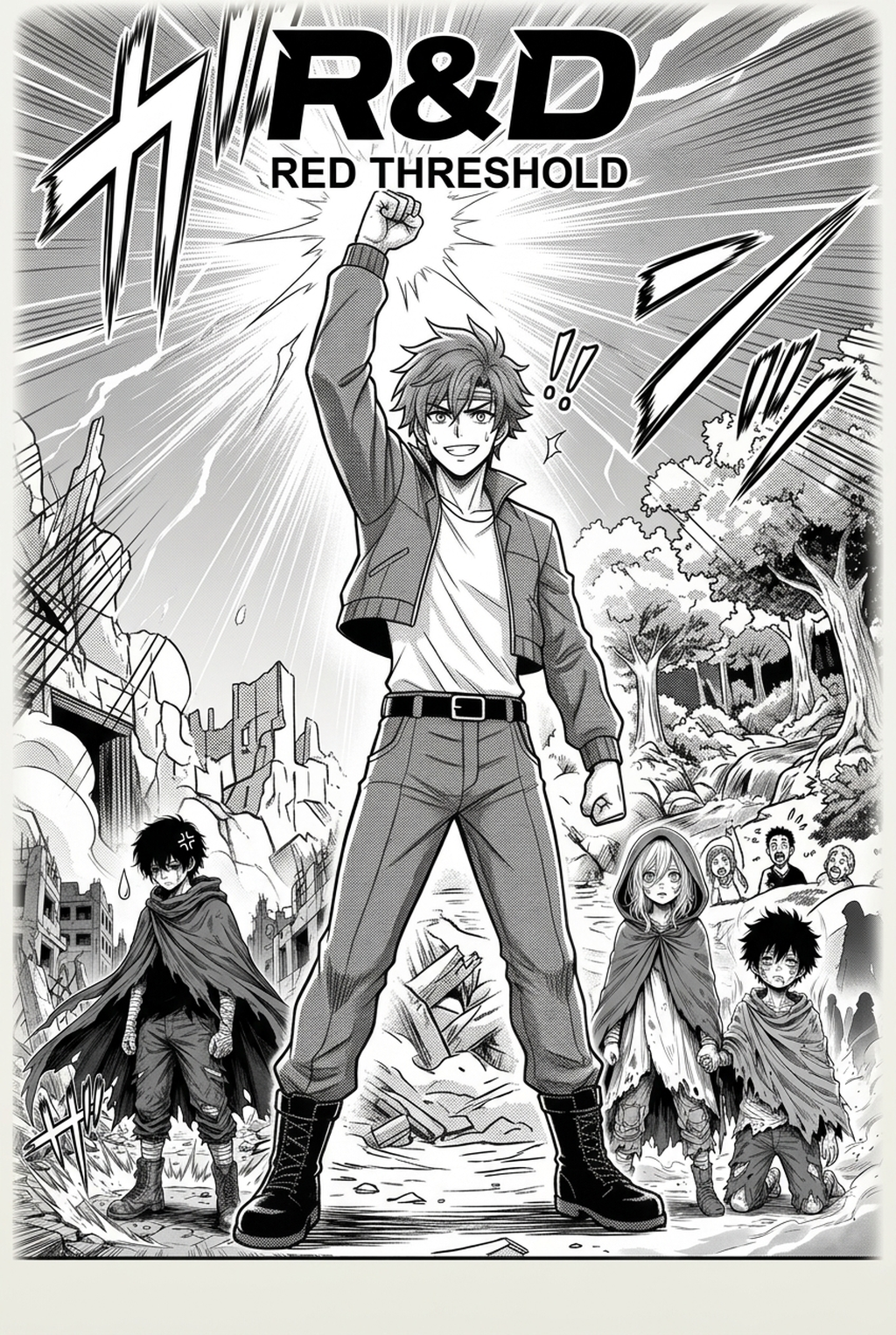
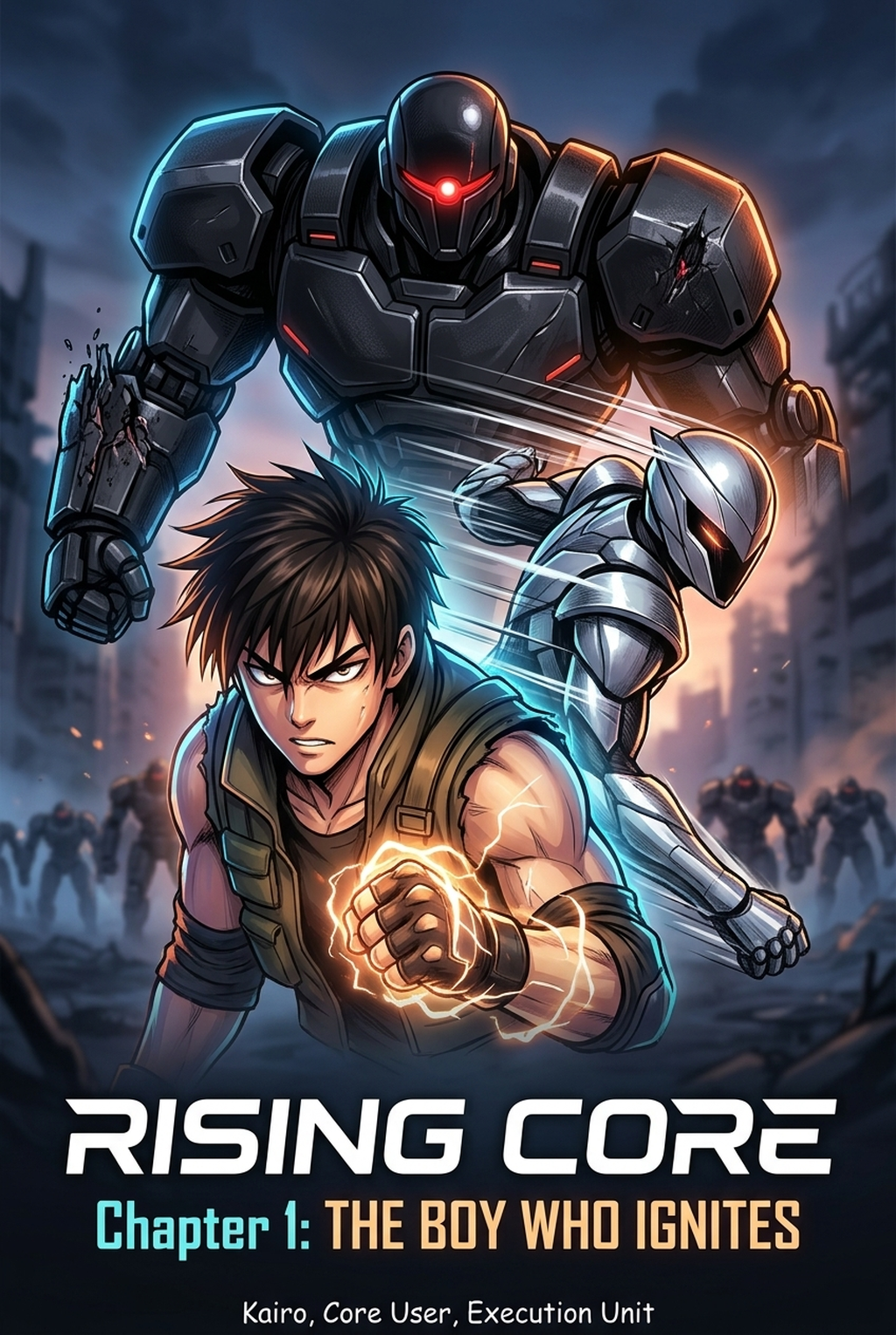
While AI excels at rapid filling, high-contrast cell shading typical of Shonen manga still requires precise creator oversight to hit the right emotional beats. Pure automation often misses the mark on "impact shading" used for key dramatic panels. By using the AI for the heavy lifting, creators can dedicate their manual effort to these localized lighting choices where the specific, exaggerated shading of a power-up or high-action pose demands a human touch.
Use Cases for Your Manga Production
Integrating AI-first workflows helps creators balance ambitious narrative scope with tight publication schedules. By maintaining the source context of the hand-drawn inks, artists ensure that their personal style remains the focal point of the finished page.
- Rapid Background Production: Accelerate the coloring of dense urban or forest backgrounds that require extensive detail without sacrificing the character depth in the foreground. * Production Speed Gains: Reduce the time required to prepare a single color page by up to 70%, allowing for more time dedicated to refining storyboard layouts. * Review-Ready Drafts: Generate full-color drafts that act as a base for final touch-ups, enabling a professional review-owner workflow where AI provides the foundation and the artist provides the polish.
By shifting the burden of tedious labor to manga colorist with Mangaka , you can achieve high-fidelity results without the burnout associated with traditional manual coloring processes. Creators can use each revision decision to clarify panel readability, character consistency, and export quality before publishing or sharing.
How to Start Your Coloring Production Process
Adopting an AI-first approach with consistent human oversight creates a sustainable model for any long-term project. Start by uploading a high-resolution, clean line-art scan to test the model's ability to interpret your specific ink weight. Once the initial flats are exported, utilize the PSD layered structure to introduce your personal highlight techniques and shadow modifiers. This hybrid method ensures that your unique visual identity is preserved, even as your output efficiency scales to meet professional weekly or monthly deadlines. Before export, creators should compare the generated line art with the original sketch and confirm that facial expressions, props, speed lines, and speech-bubble space still support the scene.
The Bottom Line
Modern manga production is increasingly defined by the ability to balance high-quality artistic output with aggressive production timelines. As AI coloring transitions from a experimental novelty to essential infrastructure, the most successful creators are those who integrate these tools to handle repetitive tasks while keeping full creative control over their unique visual style. Prioritize tools that treat your inking as the primary asset, and visit manga colorist today to discover how to scale your page production without sacrificing the integrity of your original art.
Related articles
What Does a Manga Colorist Do? A 2026 Guide
Professional Manga Colorization: Get Instant AI Results 2026
Clean Up Your Manga Inking Workflow with AI Automation 2026