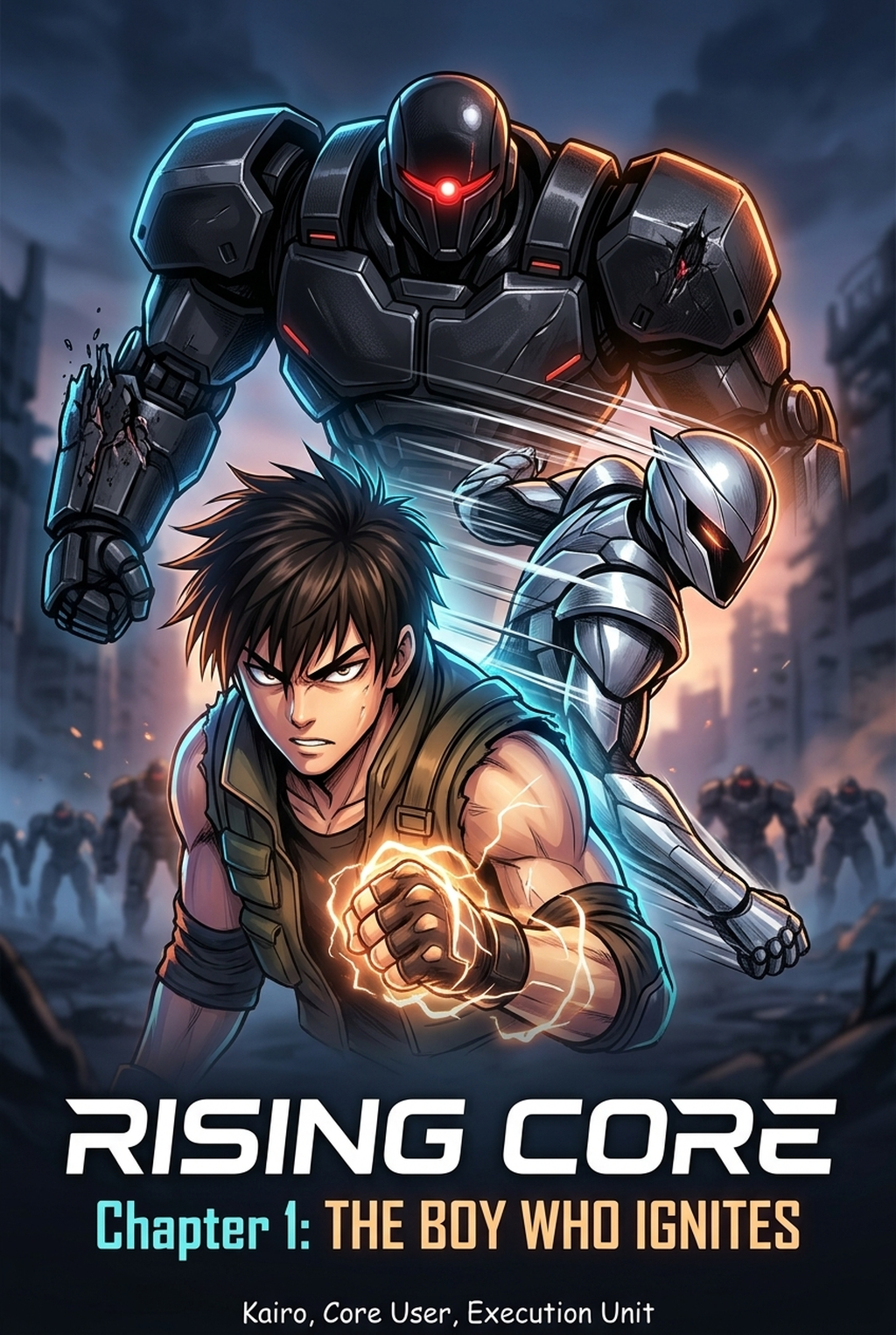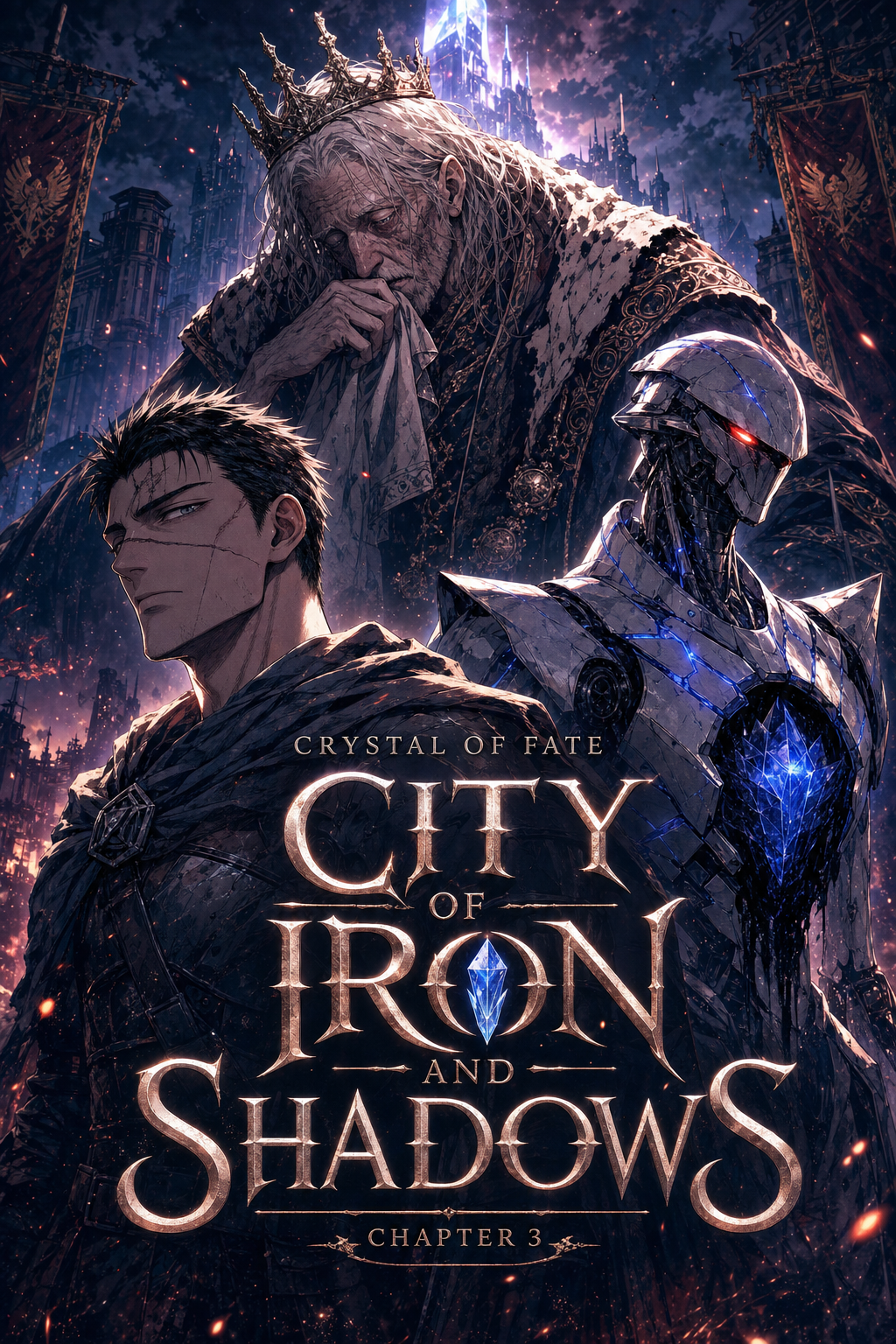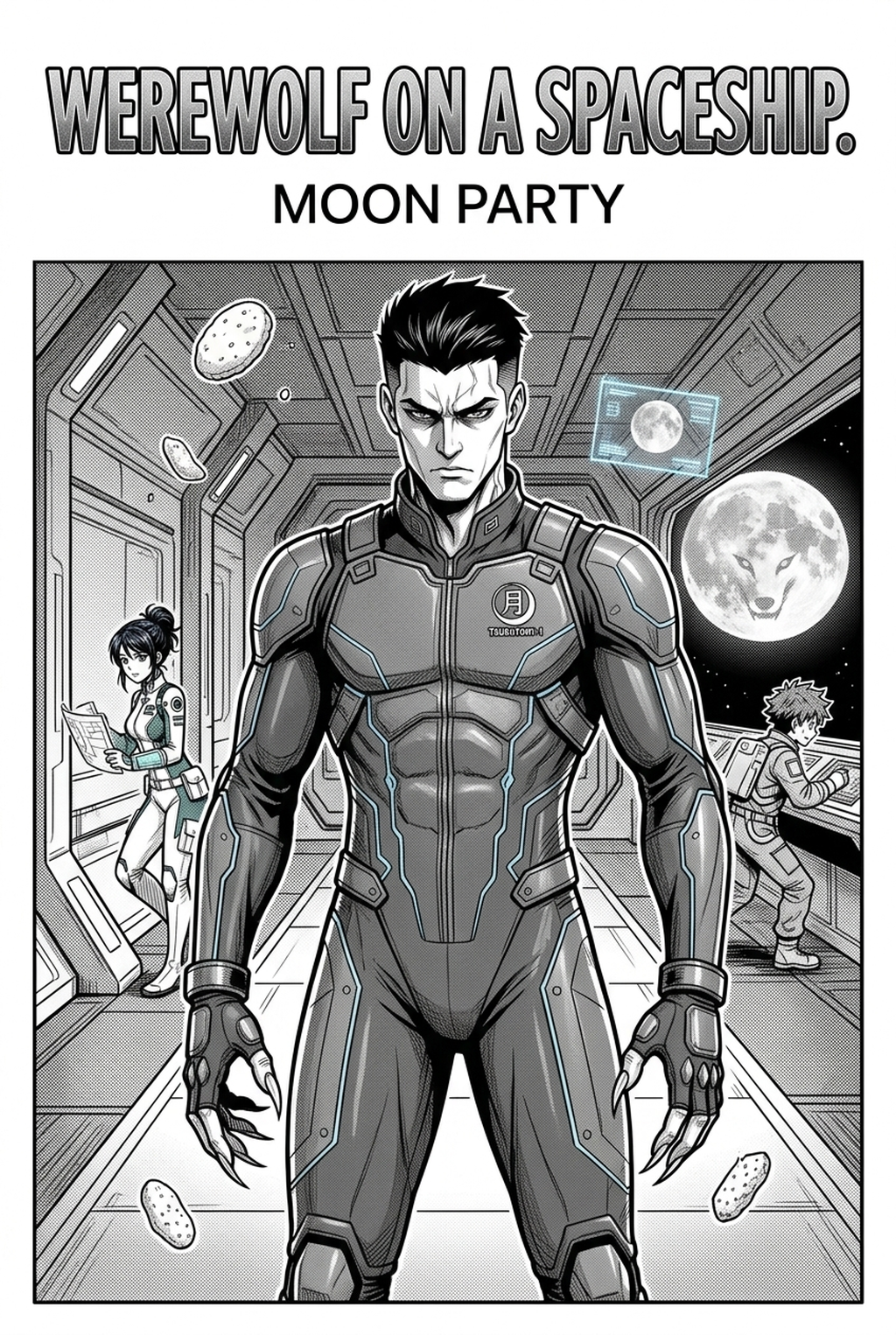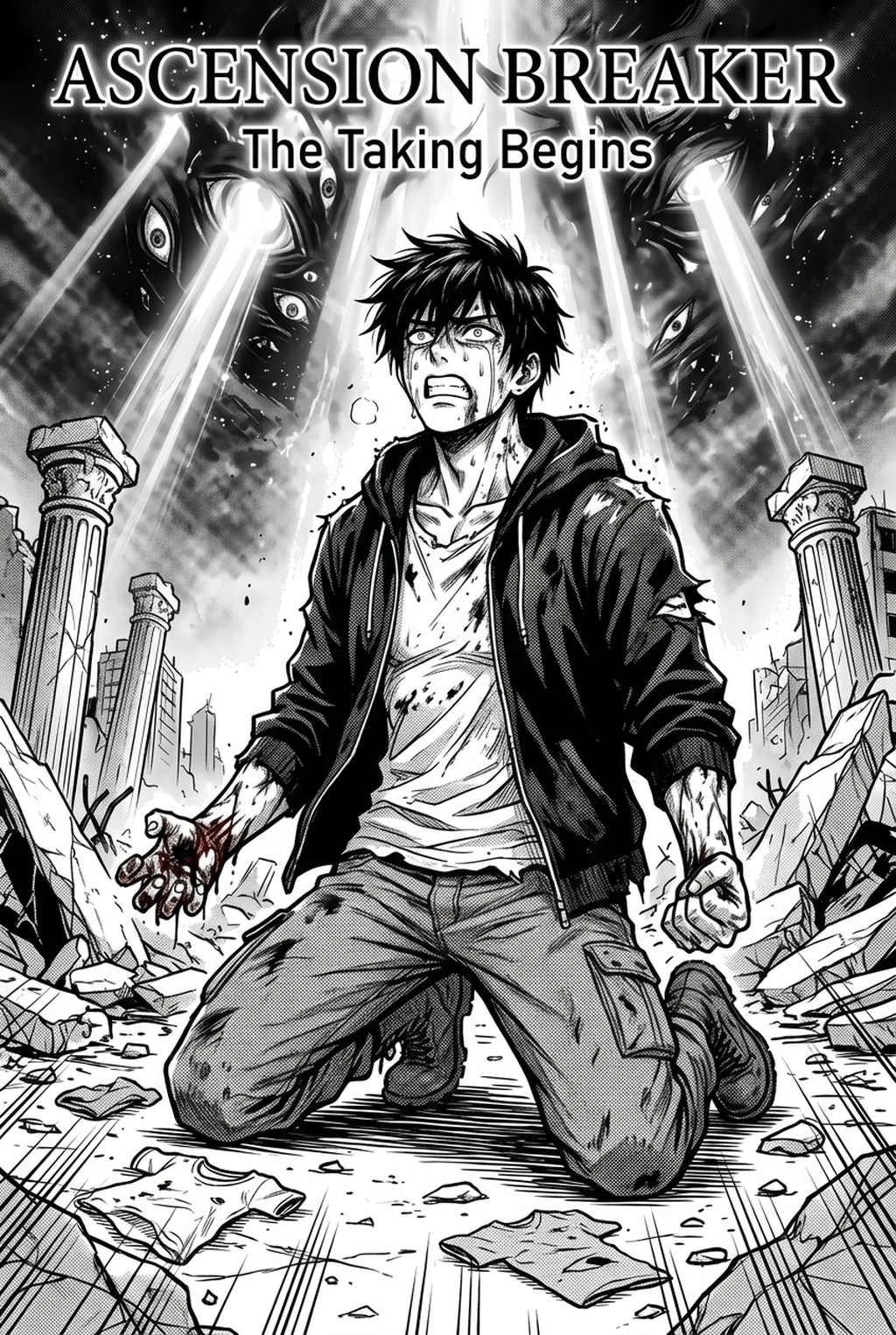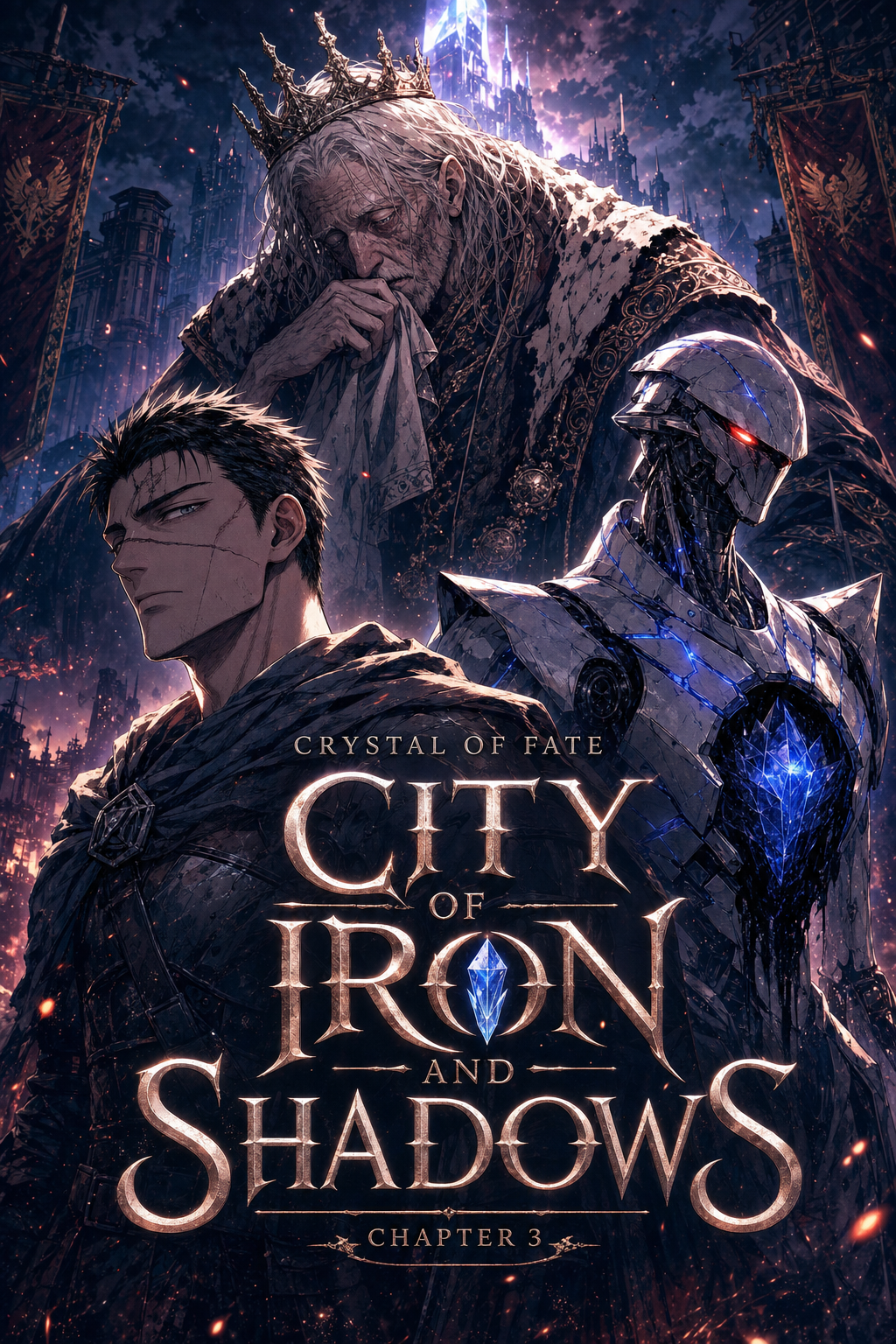
The Role and Responsibilities of a AI Manga Colorist
A professional in this role uses color theory to guide the reader’s eye across complex panel sequences, ensuring that the background and foreground don’t collapse into a muddy mess. This workflow involves high-precision flatting, meticulous cell shading, and the overlaying of textures that respect the underlying Genga, or original drawings.
- Flatting and Masking: The separation of distinct objects into individual color zones to ensure clean lines. * Atmospheric Mood Setting: Applying specific light sources and color palettes to reflect the emotional state of a scene. * Preserving Halftone Integrity: Ensuring that digital colors do not overwrite or blur the traditional screentone patterns used in black-and-white manga. * Digital Luminosity Mapping: Calculating the balance between highlights and shadows to prevent the "flattening" effect that occurs when colors are applied blindly over grayscale depth.
Why Technical Discipline Matters for Creators
Preserving the original line work is the defining constraint of the profession, as professional studios must ensure that scanned original drawings translate perfectly to print format. If a creator uses heavy airbrushing indiscriminately, they risk muddying thin line weights, effectively erasing the emotional detail captured during the initial inking stage.
- Line Weight Erosion: Over-saturating or blurring lines can make a character's features look inconsistent across consecutive panels. * Miscalculating Color Overlays: Failing to account for how a screen-based color will print on standard manga paper stocks often results in washed-out visuals. * Focus Loss: Relying on overly complex palettes in non-hero panels often distracts the reader from the primary dialogue or action, breaking the narrative pacing.
How AI Assists the Modern Colorist
AI-driven tools act as a force multiplier for creators by automating the time-consuming process of segmenting images while retaining structural data. By using manga colorist with Mangaka , you can offload the mechanical labor of flatting and basic base-shading, allowing you to focus your human intuition on the color keys for hero panels. Strategic Workflow Integration.
- Structural Segmentation: AI models analyze the grayscale density of your original line art to suggest palettes that strictly respect your light source and original contrast values. * Human-in-the-loop Efficiency: You maintain creative control over the mood and style while the software handles the repetitive task of filling background elements. * Hero Panel Priority: By automating the mundane, you can dedicate 80% of your production time to the 20% of your pages that drive the highest emotional impact.
Use Cases for Sustainable Serialization
The modern AI AI Manga Colorist workflow workflow must bridge the gap between creative intuition and the rigid delivery formats required by platforms like ComiXology or vertical comic platforms. A hybrid production workflow—using intelligent tools for routine filling and manual painting for critical emotional highlights—is now the industry standard for maintaining a consistent aesthetic across dozens of chapters.
- Consistency Maintenance: By offloading repetitive coloring tasks to specialized software, you drastically reduce the risk of style drift during long-running series. * Format Flexibility: Modern creators must be ready to export in diverse formats, from standard PSD files for local print houses to specific vertical-scroll layouts for mobile readers. * Resource Allocation: Creators can achieve a professional finish on a weekly schedule without burning out, provided they utilize automated segmentation for low-impact background panels.
How to Integrate Tools into Your Routine
Integrating an AI colorist into your existing software environment requires only a basic understanding of layering and export compatibility. Most professional-grade tools are designed to export layers directly into common programs, ensuring that your final digital print format is ready for upload without the need for manual cleanup.
- Complex Line Art Handling: Modern AI tools utilize advanced segmentation algorithms to isolate ink from empty spaces, keeping the line art crisp and preventing bleed-over. * Theory-Driven Automation: AI is an assistant, not a replacement; your unique visual style remains defined by your creative choices regarding palette selection and mood setting. * Layer-Based Compatibility: Ensure the tool you use supports layered outputs so you can still tweak individual shadow or highlight values after the initial generation is complete.
- Before Export. Creators should compare the generated line art with the original sketch and confirm that facial expressions, props, speed lines, and speech-bubble space still support the scene. A repeatable review pass should cover character consistency, panel readability, background clarity, and whether the final file is ready for coloring, lettering, or editor feedback.
- For Longer Projects. Creators should save approved examples of line weight, face detail, clothing folds, and background density. Those references keep later chapters closer to the intended style. For collaboration, creators should mark which panels are final and which panels still need redraws. Clear status labels prevent an assistant, editor, or colorist from polishing the wrong version.
- For Publishing. Creators should review the page at the actual reading size before export. Small screens expose crowded dialogue, weak silhouettes, and line details that looked fine while zoomed in. For style control, creators should keep a short reference board beside the draft and compare hair shapes, eye details, costume folds, and texture choices before approving the final page.
The Bottom Line
Becoming a proficient creator workflow is no longer strictly about the thousands of hours spent painting every panel by hand; it is about leveraging modern tools to optimize your production workflow. By preserving your original line work through AI-assisted coloring, you can achieve professional-quality pages that resonate with readers while significantly cutting down the time spent on repetitive tasks. Visit manga colorist today to start integrating advanced, precision-focused color tools into your manga creation process.
Related articles
Professional Manga Colorization: Get Instant AI Results 2026
Clean Up Your Manga Inking Workflow with AI Automation 2026
Optimizing Your Manga Colorist Workflow with AI in 2026