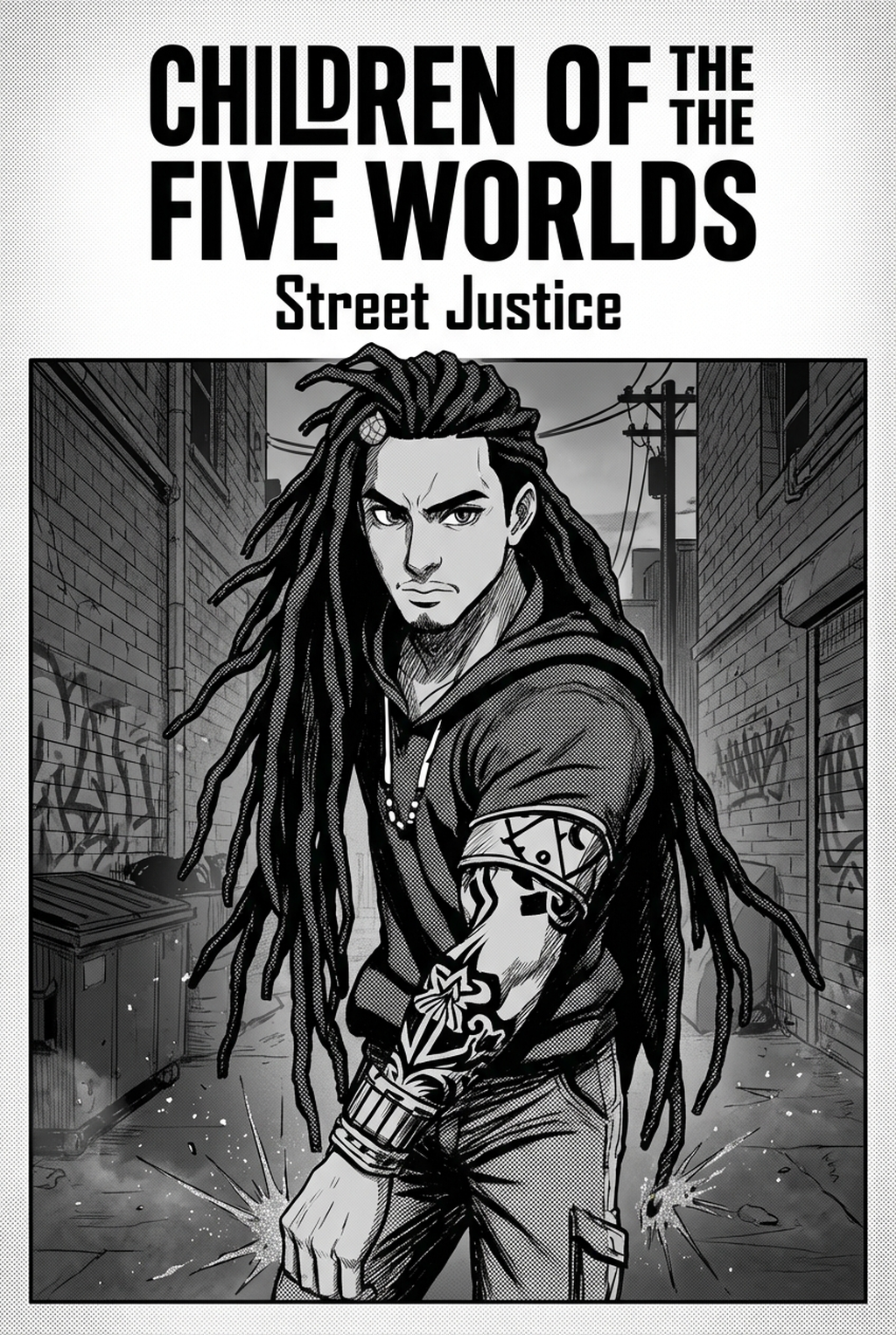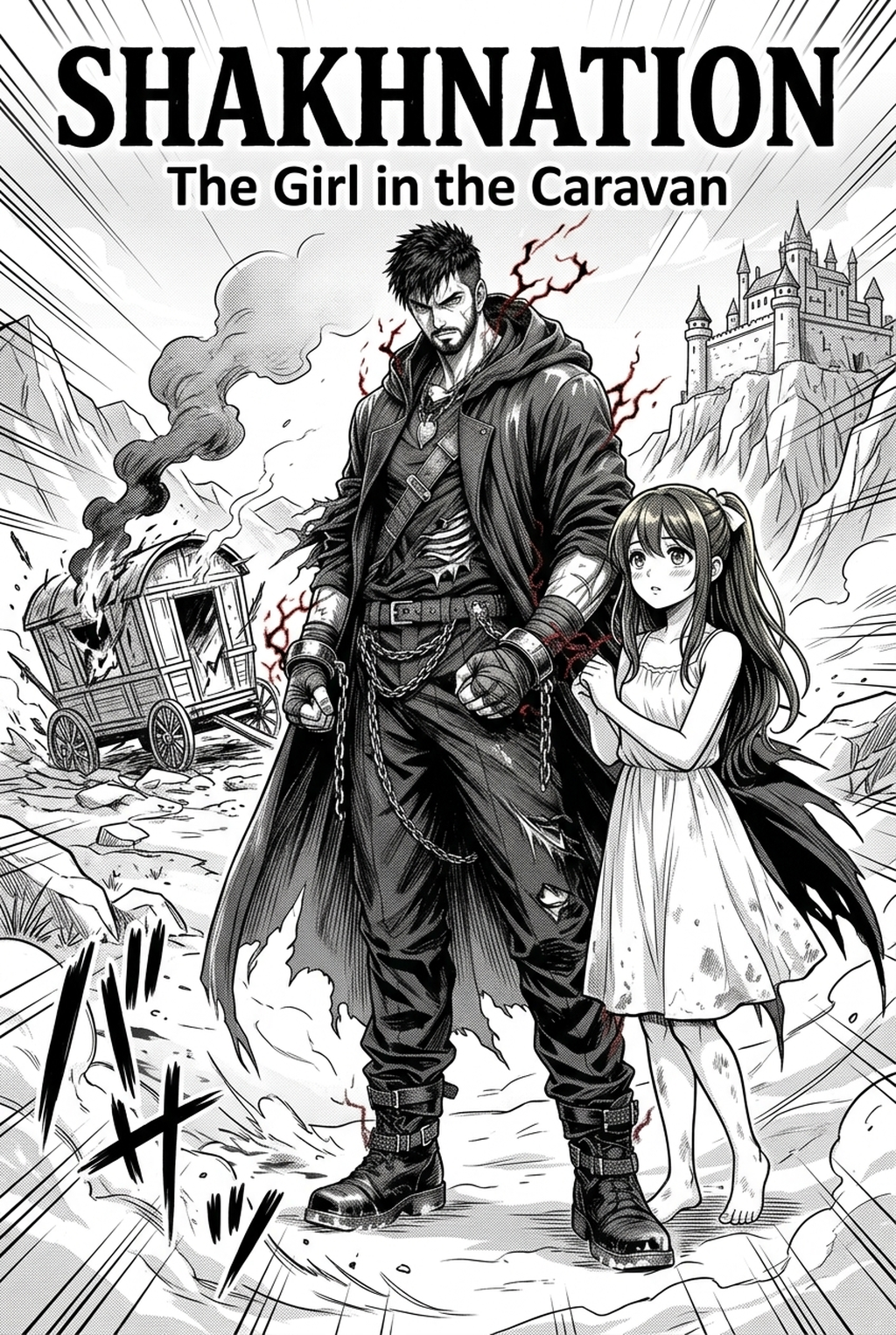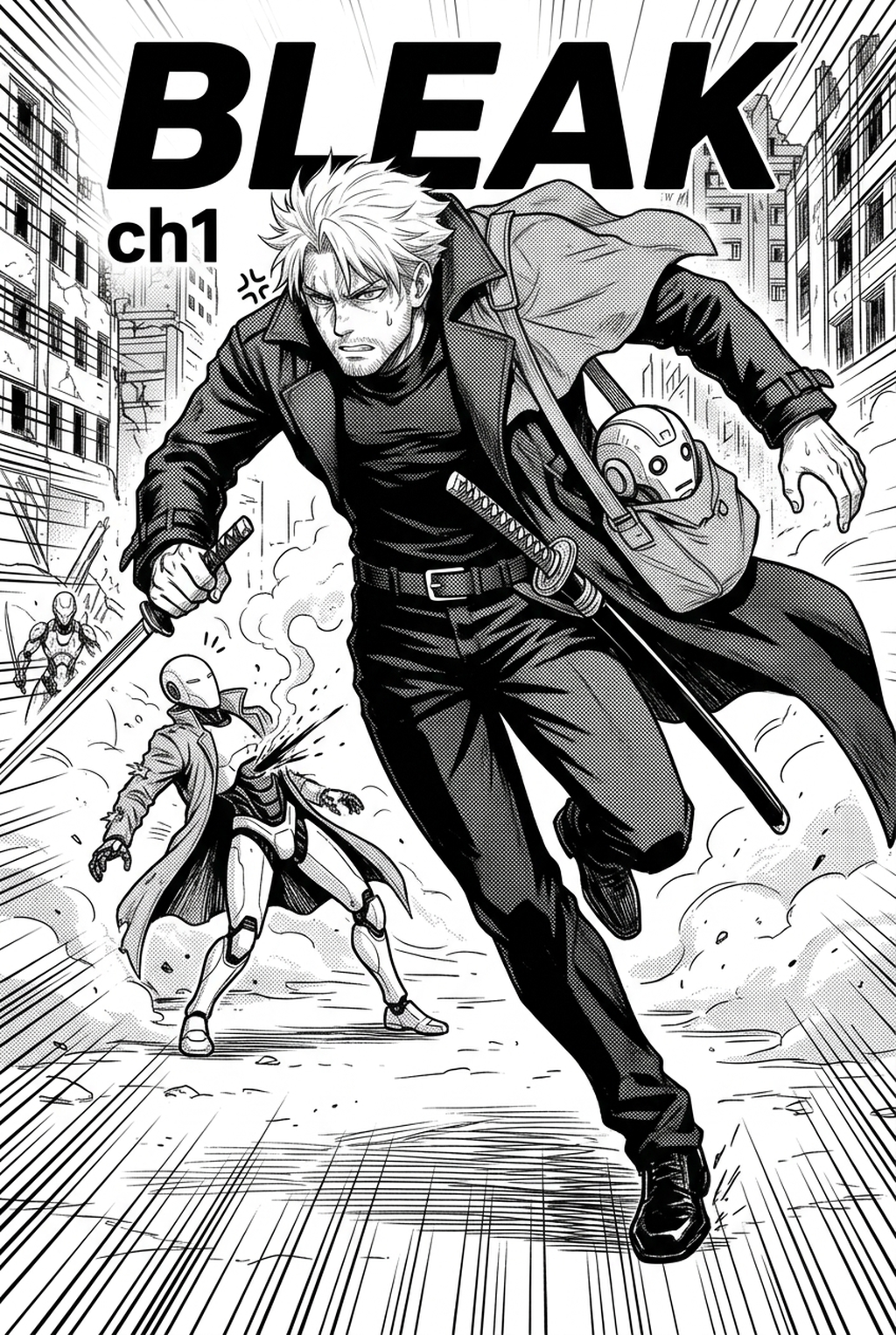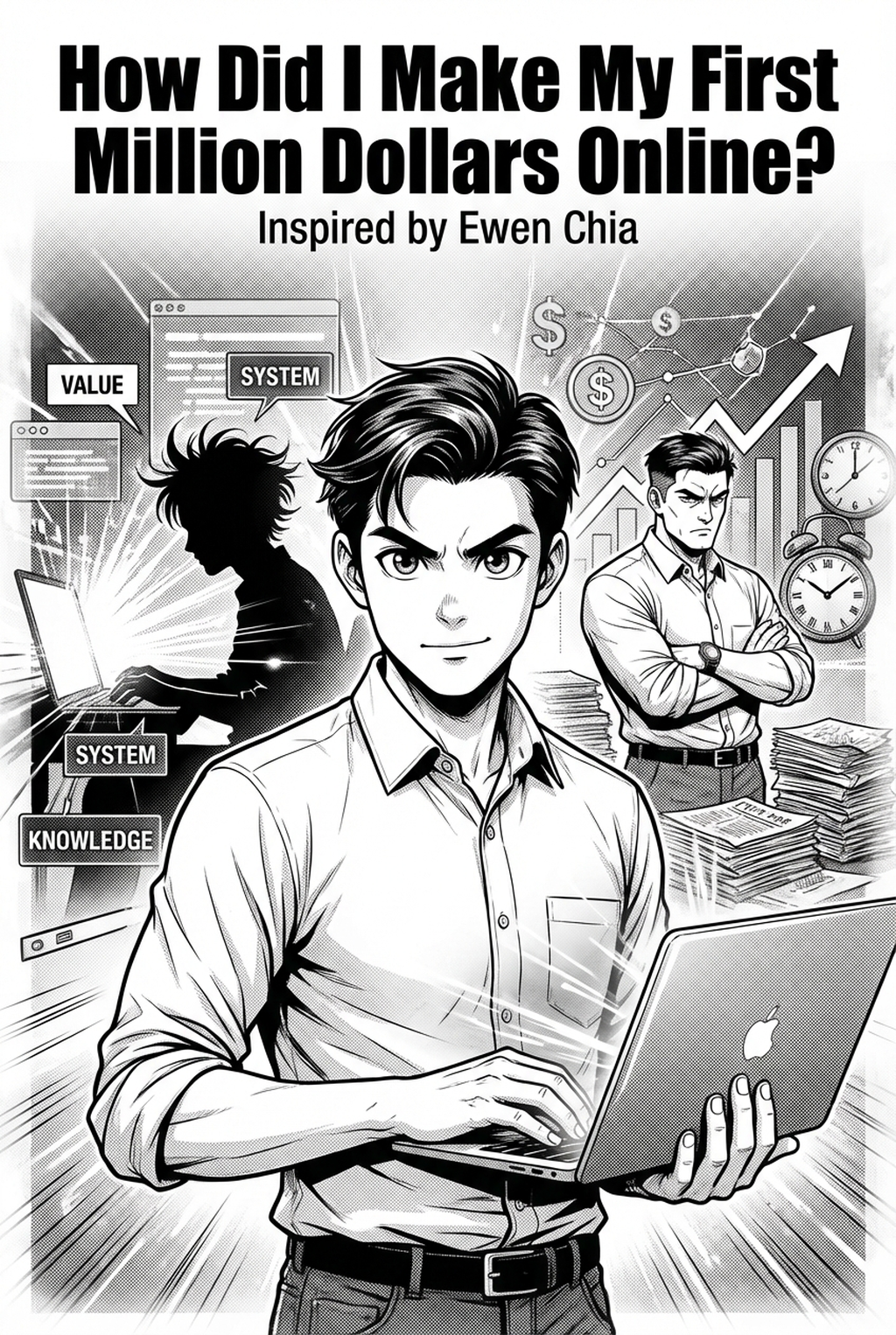
Why AI AI Manga Colorist Matters for Manga Creators
The distinction between a flat, digital-looking page and a professional, vibrant spread lies in how the artist handles the interaction between ink layers and color fills. Maintaining depth requires a clear strategy for layer management, especially for creators preparing work for print.
Professional colorists must prioritize source context, ensuring that the AI or human artist maintains the original inking style rather than flattening the depth. Poor color application often obscures complex cross-hatching or subtle pencil-like screen-tone patterns that provide the page with its texture.
Check character consistency, panel readability, line quality, and export readiness before publishing. Creators should also record why the page passed review, which panel details still need manual cleanup, and which export format the next collaborator will use. That makes the subsection useful instead of leaving a short checklist under a large heading.
If you work within software environments like Clip Studio Paint, your coloring tool must support compatible file formats or layer separation protocols. You need to perform late-stage adjustments to specific zones, such as adjusting a character’s hair highlights or light source intensity, without having to restart the entire color layer from scratch.
How Manga Colorist Works with Mangaka
Mangaka utilizes dedicated line-preservation algorithms that separate the ink layer from the fill layers, ensuring no bleeding or loss of detail. Unlike standard filters, this AI engine respects the original source context of the page, maintaining the intended emotional resonance of your shadow-work and cross-hatching.
Preserving Artistic Nuance. When you upload your ink work, the system automatically detects the boundaries of your line-art geometry, shielding your deliberate ink strokes from being overwritten by color. This is critical for maintaining character consistency in complex fight scenes where line-weight variations indicate movement and impact. By applying AI AI Manga Colorist workflow workflow , you retain the ability to toggle individual color channels, allowing for the precise adjustments required for industry-standard page layouts.
Use Cases for AI AI Manga Colorist
AI tools offer unprecedented speed for serialized creators, though they work best when the user retains control as the final review owner. By delegating the repetitive flatting tasks, you free up your creative energy for high-level artistic decisions, such as color grading and atmospheric lighting adjustments.
- Consistent color palette application: Maintaining a fixed color key for characters across long, multi-chapter arcs prevents the palette drift common in manual setups. * Cost efficiency for indie projects: Reducing the per-page overhead makes colorized releases a viable reality for independent teams operating on tight budgets.
While automation is fast, nuanced lighting—such as the specific way a character’s eyes reflect a sunset—may require your touch-ups to ensure the emotional tone remains consistent with the narrative. Ensure the delivery format always supports high-resolution print standards, typically targeting 350-600 DPI, to avoid pixelation during the final export.
How to Get Started with Mangaka
Choose an AI-assisted workflow if you prioritize rapid chapter delivery without sacrificing the professional aesthetic of your inked pages. Mangaka is recommended for independent creators who need to balance heavy workload requirements with the need for high-fidelity output that rivals traditional industry standards.
Workflow Fit for Creator Output
Workflow Fit for Creator Output. To begin, verify that your base line art is exported as a clean PNG or PSD with a transparent background. This enables the algorithm to isolate the ink strokes effectively. If your page contains dense halftone screen tones, ensure they are set to a separate layer or are easily distinguishable from the line art to guarantee the best color placement results.
- Before Export. Creators should compare the generated line art with the original sketch and confirm that facial expressions, props, speed lines, and speech-bubble space still support the scene. A repeatable review pass should cover character consistency, panel readability, background clarity, and whether the final file is ready for coloring, lettering, or editor feedback. - For Longer Projects. Creators should save approved examples of line weight, face detail, clothing folds, and background density. Those references keep later chapters closer to the intended style. For collaboration, creators should mark which panels are final and which panels still need redraws. Clear status labels prevent an assistant, editor, or colorist from polishing the wrong version. - For Publishing. Creators should review the page at the actual reading size before export. Small screens expose crowded dialogue, weak silhouettes, and line details that looked fine while zoomed in. This keeps the review focused on story intent, line weight, panel readability, and the export quality behind the final AI creator workflow output.
Review Controls Before Export
Creators should compare the generated line art with the original sketch and confirm that facial expressions, props, speed lines, and speech-bubble space still support the scene. This keeps the review focused on story intent, line weight, panel readability, and the export quality behind the final AI Manga Colorist output.
A repeatable review pass should cover character consistency, panel readability, background clarity, and whether the final file is ready for coloring, lettering, or editor feedback. For longer projects, creators should save approved examples of line weight, face detail, clothing folds, and background density. Those references keep later chapters closer to the intended style. For collaboration, creators should mark which panels are final and which panels still need redraws. Clear status labels prevent an assistant, editor, or colorist from polishing the wrong version.
The Bottom Line
Selecting a coloring workflow tool is a transition from manual drudgery to automated artistry; the goal is to spend less time flatting and more time on narrative impact. By utilizing specialized tools like manga colorist , creators can achieve professional-grade color finish while maintaining absolute control over the artistic intent of their work.
Related articles
Mastering the Ninja Manga Art Style: A 2026 Creator's Guide
Manga Background Art Styles: A 2026 Guide for Creators
Automate Your Manga Inking: Instant Line Art Guide 2026