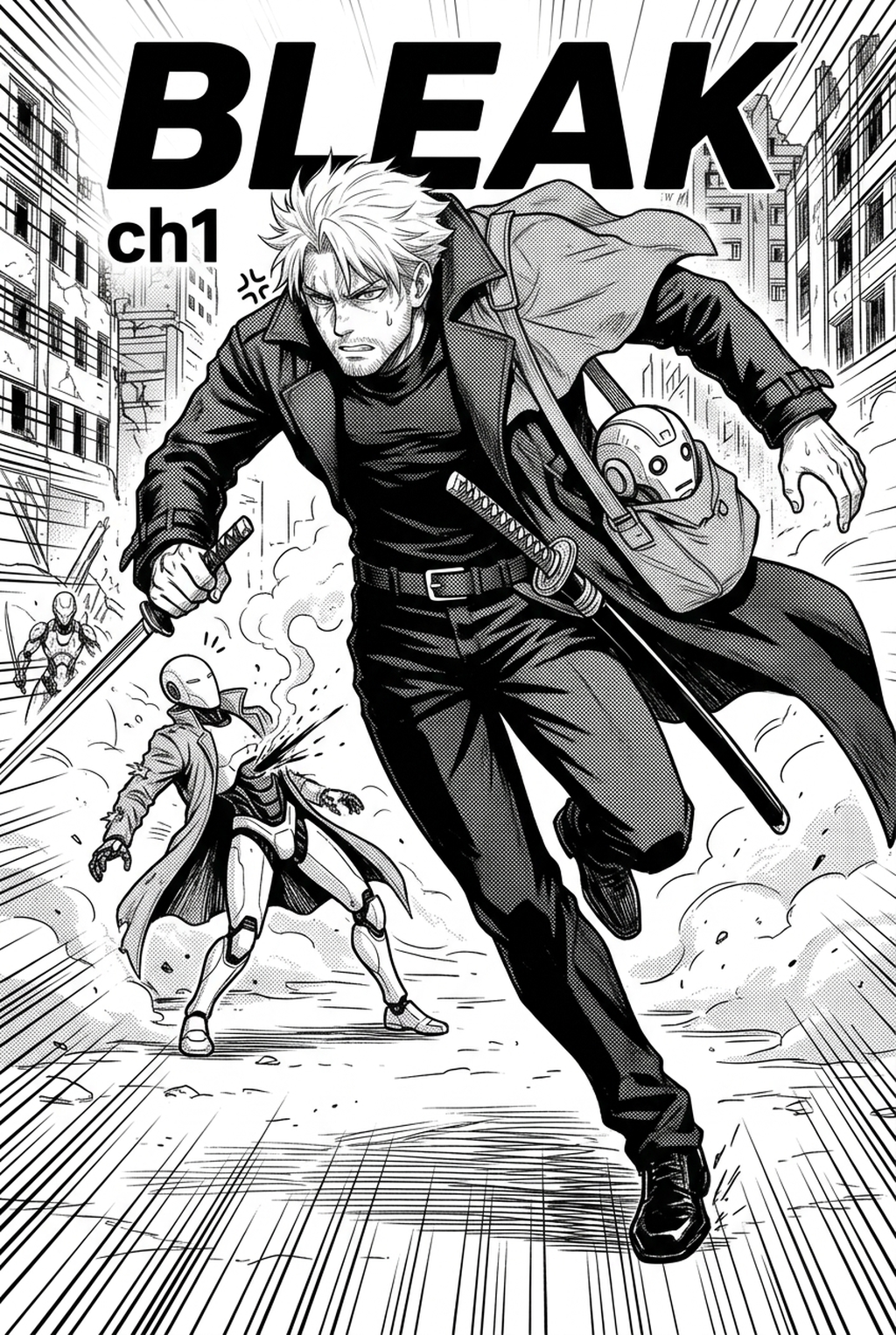
Understanding Comedy-Focused Panel Architecture
The manga storyboard for youth comedy demands a specific cadence that prioritizes the "gag-a-day" rhythm found in successful school-life series. Unlike action-heavy Shonen, youth comedy relies on the juxtaposition of mundane environments and sudden, high-energy character reactions that require specific white-space usage.
- Comedic Punchline Spacing: Automated gutter management ensures that the "beat" before a reveal is visually distinct, preventing the reader from scanning too quickly. * Reaction-Panel Logic: The engine identifies key dialogue points and automatically generates wider, focused panels to highlight exaggerated character features. * Narrative Flow Control: You can shift from a standard 4-panel grid to an unconventional, staggered layout to mimic the chaotic energy of teenage antics without breaking reader immersion.
Manual drawing often falls short during the sketching phase when creators lose track of where the punchline occurs within a page turn. By shifting to an automated structure, you ensure that every panel acts as a vehicle for the joke, whether it is a small reaction insert or a full-page splash of comedic realization.
Importance of Automated Storyboard Tools
Every manga creator knows that the transition from a script to a finished page is where most projects lose momentum. Subscription tiers in the Mangaka builder provide unlimited generation, allowing you to iterate on a specific page until the comedic timing is perfect, without worrying about per-panel costs.
- Layered Exporting: Your final board outputs as a layered PSD file, enabling you to adjust line art or color work later without re-drawing the entire panel. * Resolution Integrity: Advanced tiers utilize high-resolution outputs suitable for both print serialization and digital-first web platforms. * Consistency Maintenance: By locking your main characters into the builder’s reference memory, the tool prevents proportion issues during high-speed, dynamic reaction shots.
The true value lies in the rapid feedback loop. Instead of spending two days drafting a 20-page chapter by hand, you can generate an initial storyboard in minutes, identify which panels kill the comedic momentum, and re-generate those specific sections immediately.
Integrating Logic into the Generation Process
Mangaka uses built-in pacing logic that recognizes the specific tropes of youth comedy, such as the "deformed" facial reactions or the sudden shift to wide-angle shots for school-life banter. This feature prevents the common failure of "flat pacing" where every panel is the same size, which effectively kills the humor of a scene.
- Adaptive Expression Swapping: If a reaction feels too subtle, the interface allows you to select from a variety of comedic expressions that swap directly into the pre-arranged panel space. * Customizable Page Layouts: You maintain full authority over the final composition; if you need a specific 3-tier layout to hold a longer dialogue exchange, the tool permits manual overrides after the initial generation. * Commercial Ownership: All assets generated, from the initial character sketches to the final inked layouts, are owned by you with full commercial rights for your manga projects.
For a creator working on a 192-page volume, the ability to rapidly iterate on storyboard composition is the difference between meeting a deadline and burnout. By automating the alignment of dialogue bubbles and panel gutters, the builder gives you back the hours usually spent on technical page-formatting.
Applying the Tool to Common Comedic Tropes
Does the builder handle the complex requirements of character-driven humor? Yes, because you can import your custom character designs as base references, ensuring the AI maintains the visual identity of your cast across the entire project.
- Chibi Transformation: You can flag specific script sections to trigger "chibi-style" outputs, allowing for an instant shift in character design when the situation demands a comedic beat. * Close-up Exaggeration: The system allows for "zoom" logic that creates extreme close-ups on facial expressions without losing the line-art fidelity of your primary character model. * Dynamic Flow Adjustment: If you need to add a "beat" panel between two dialogue balloons, the builder shifts the existing panels to accommodate the new space, keeping the overall page balance intact.
Consider a scenario where you are drawing a scene where a student trips in the hallway. You input the script, and the builder proposes a 3-panel sequence: a long shot of the character walking, a medium shot of the trip, and a massive, detailed close-up of the character’s shocked face. If the close-up lacks impact, you swap the expression in the menu, and the tool updates the panel instantly.
Initiating Your Project with Mangaka
Automating the initial storyboard phase is the single fastest way to move from a raw script to a polished manuscript ready for publication. You can access the builder today to start your first chapter by navigating to manga storyboard for youth comedy with Mangaka and setting your character reference models.
Creators should compare the generated line art with the original sketch and confirm that facial expressions, props, speed lines, and speech-bubble space still support the scene. A repeatable review pass should cover character consistency, panel readability, background clarity, and whether the final file is ready for coloring, lettering, or editor feedback.
The Bottom Line
Building your AI Manga Storyboard Builder workflow no longer requires hours of manual layout work or painstaking grid alignment. By leveraging Mangaka to handle the technical heavy lifting of panel pacing and character consistency, you gain the freedom to focus entirely on your humor, dialogue, and narrative delivery. To begin generating your next chapter with automated, professional-grade paneling, visit manga storyboard for youth comedy and start your first storyboard session.
Related articles
What Is a VR Manga Storyboard? A New Way to Plan Panels 2026
Creating Dragon Ball LEGO Art Style: A Manga Guide in 2026
Mastering Fantasy Background Art for Professional Manga 2026