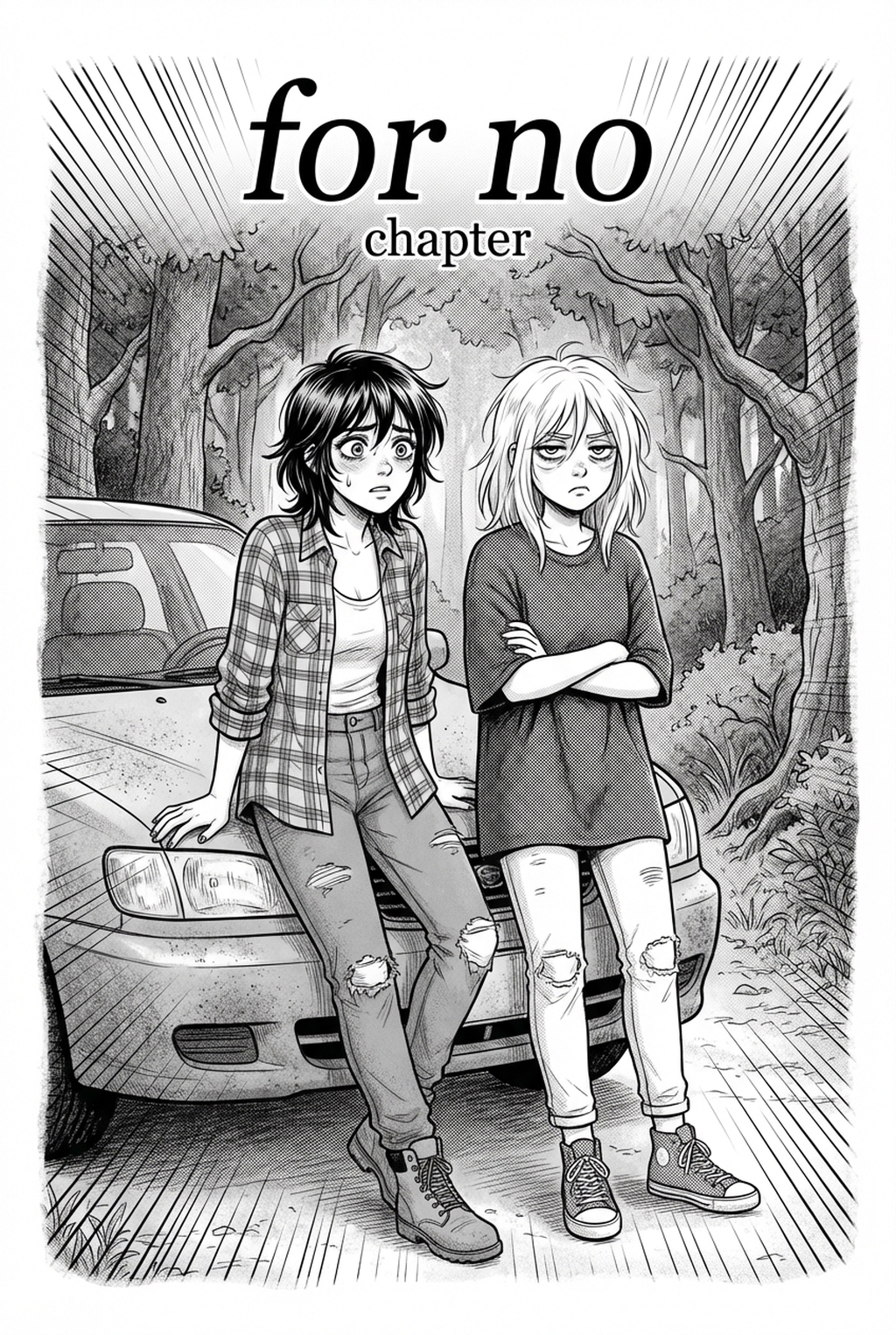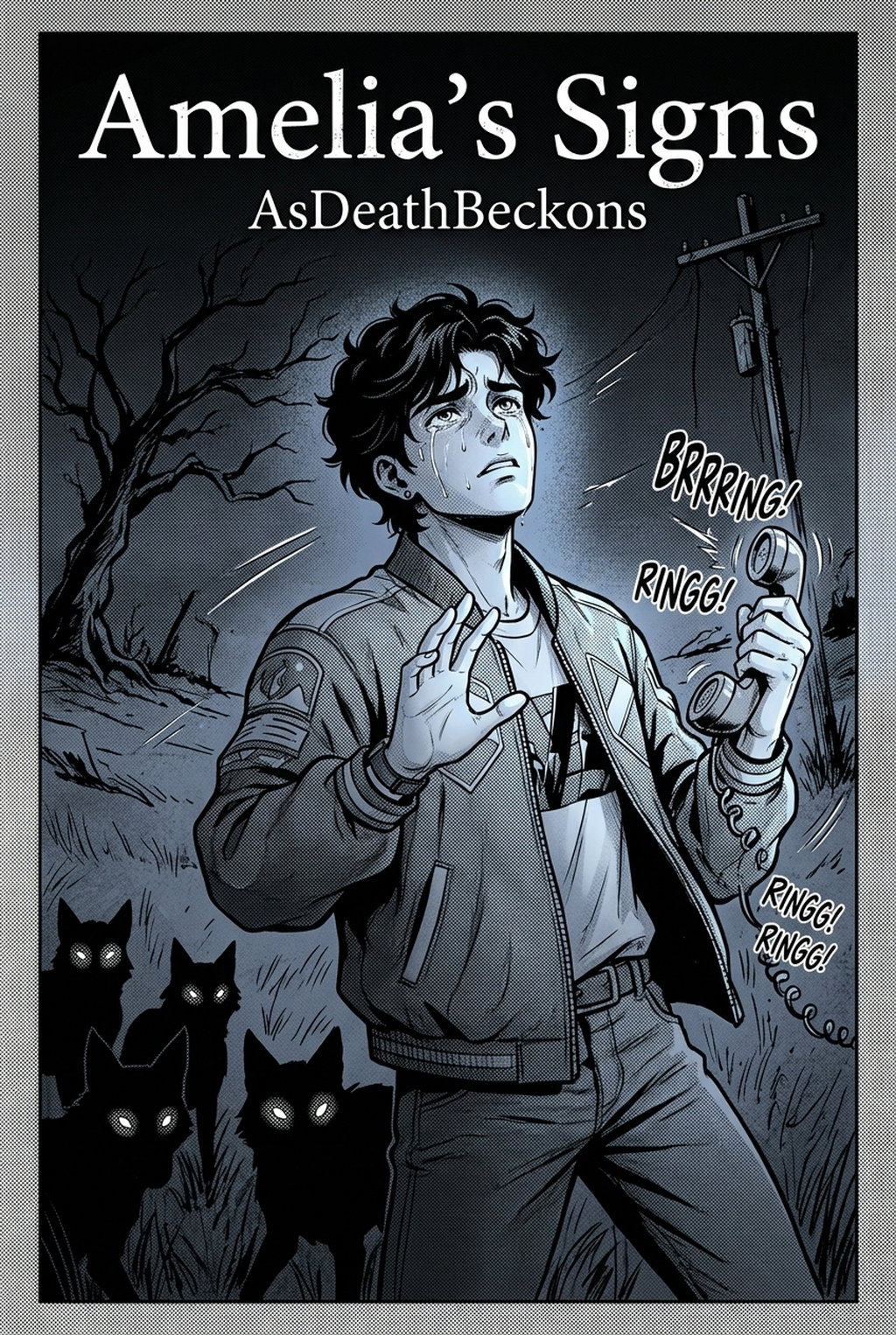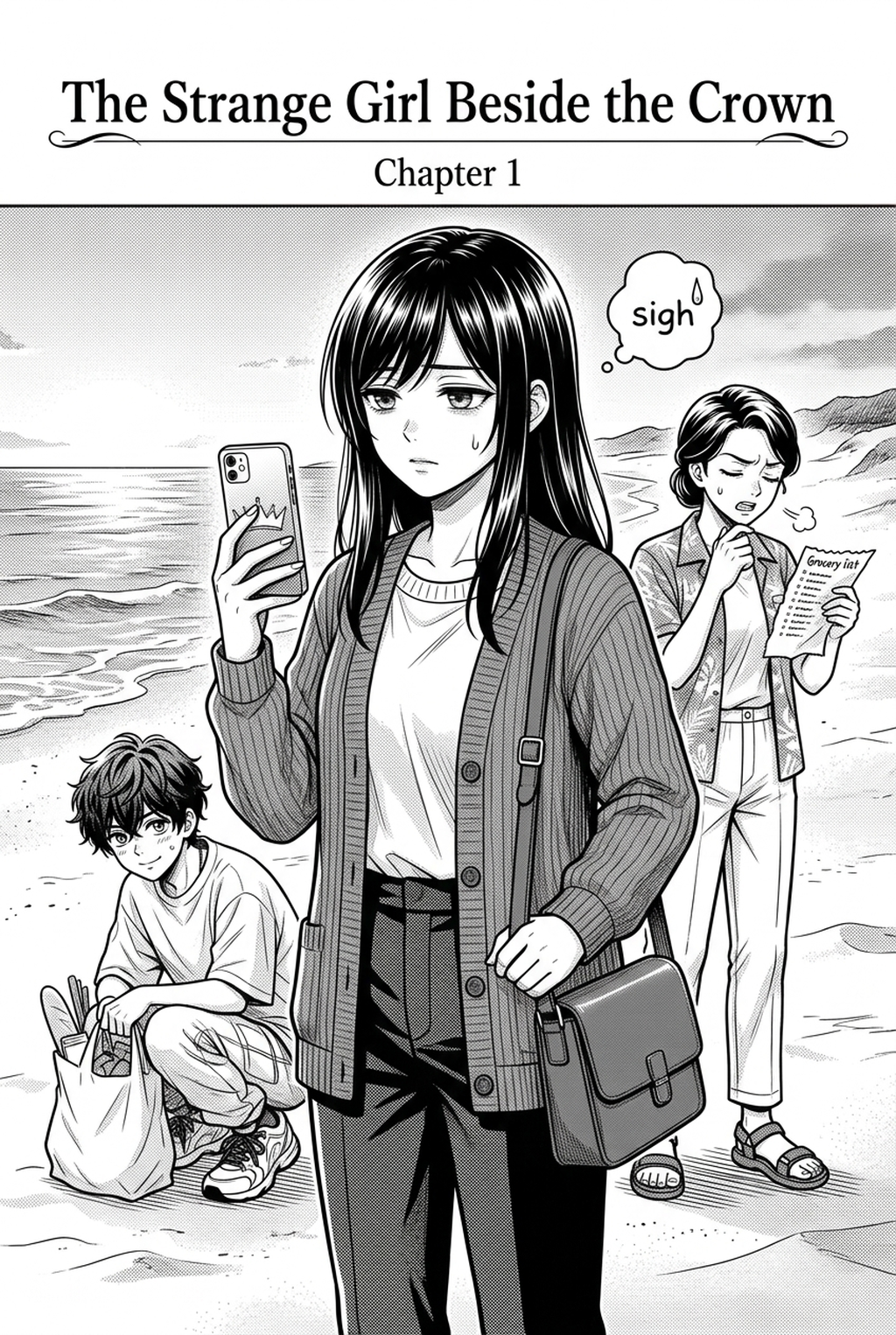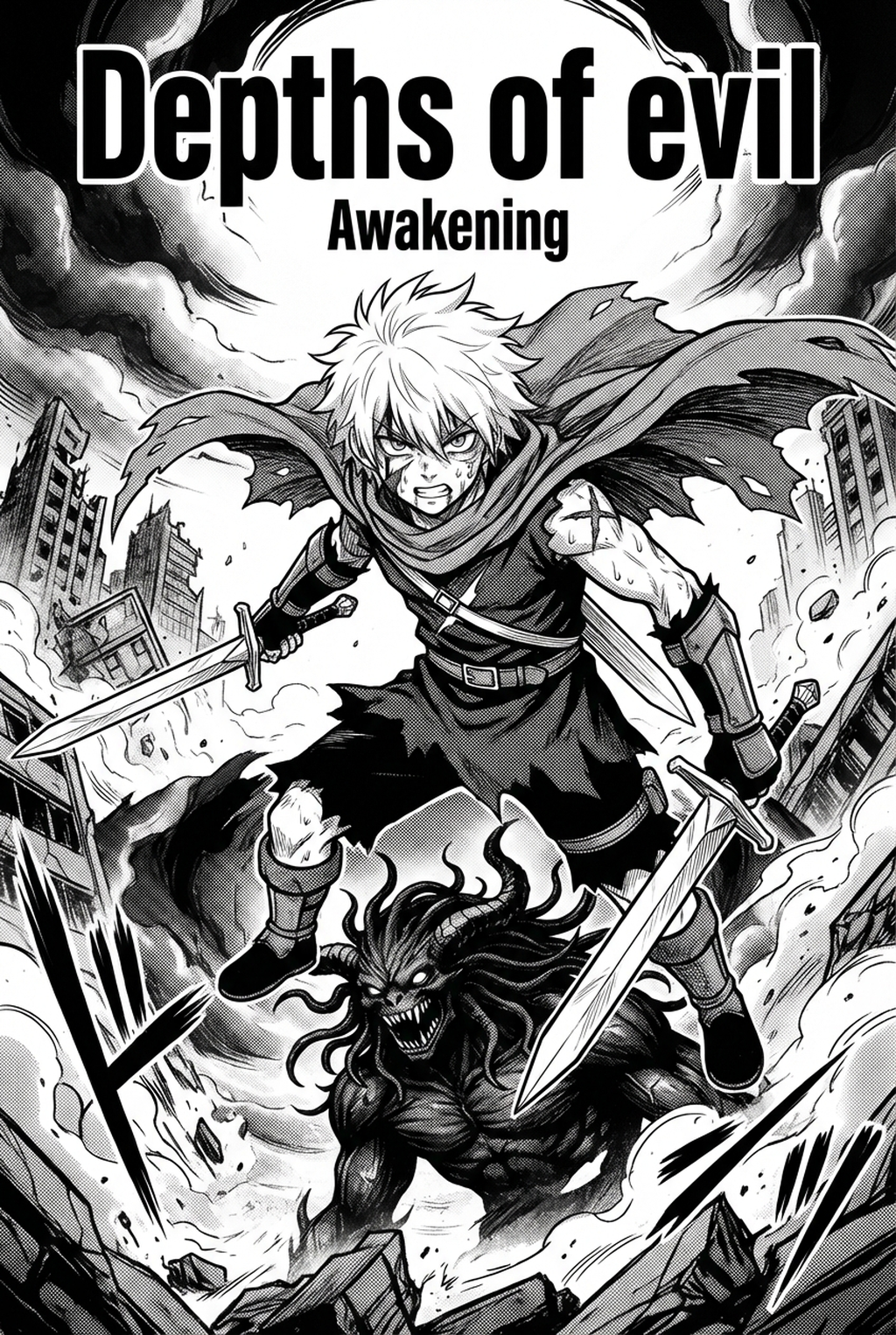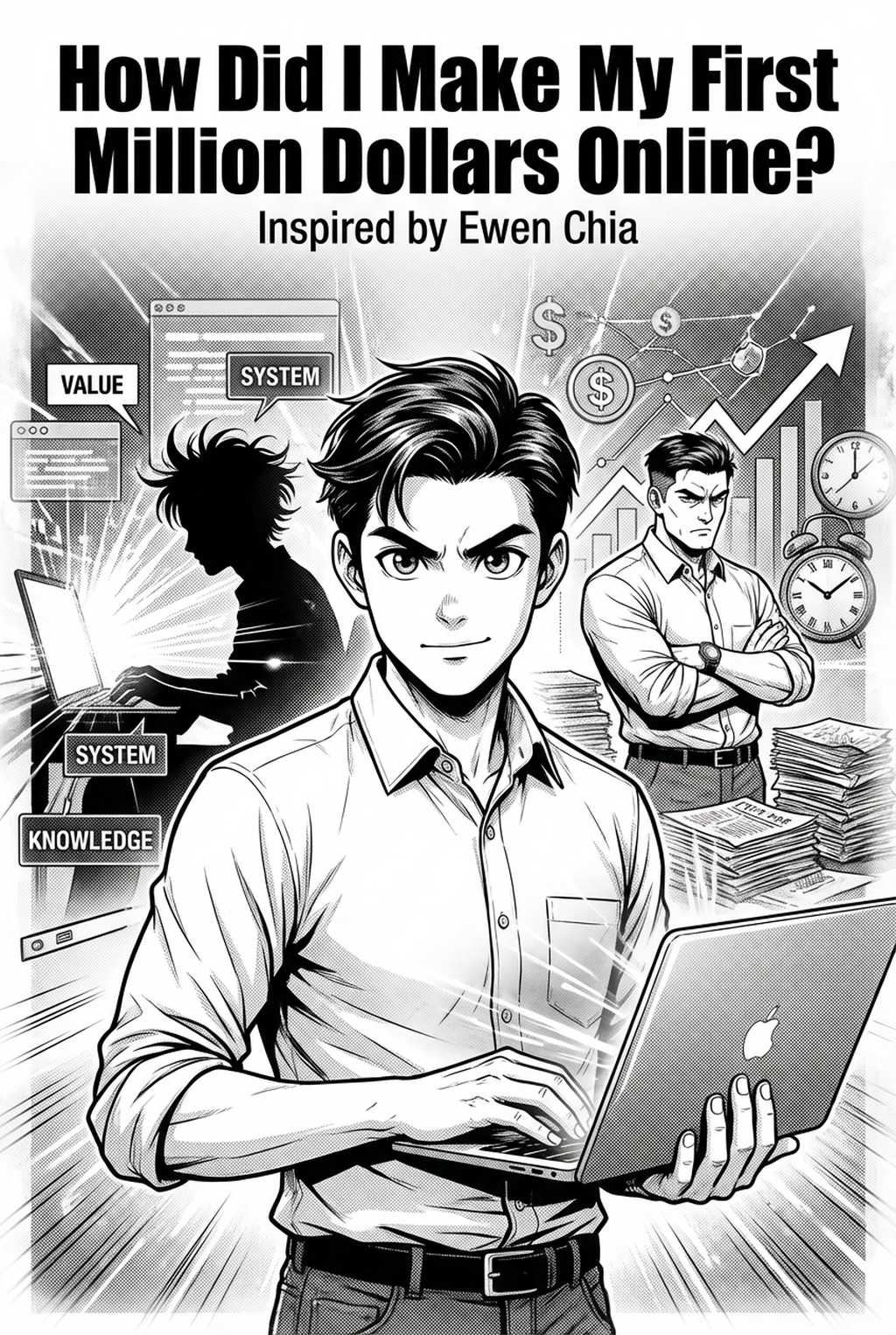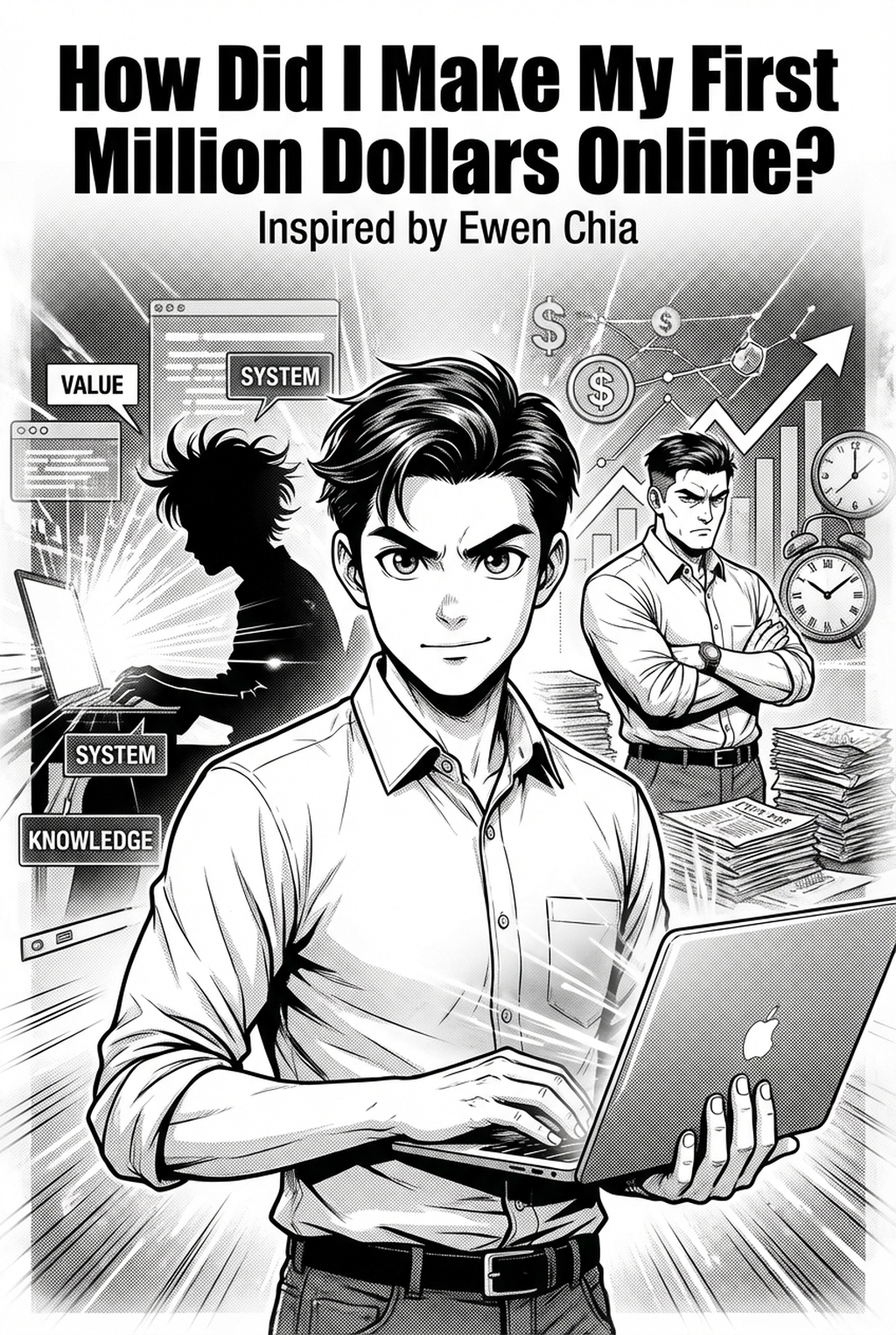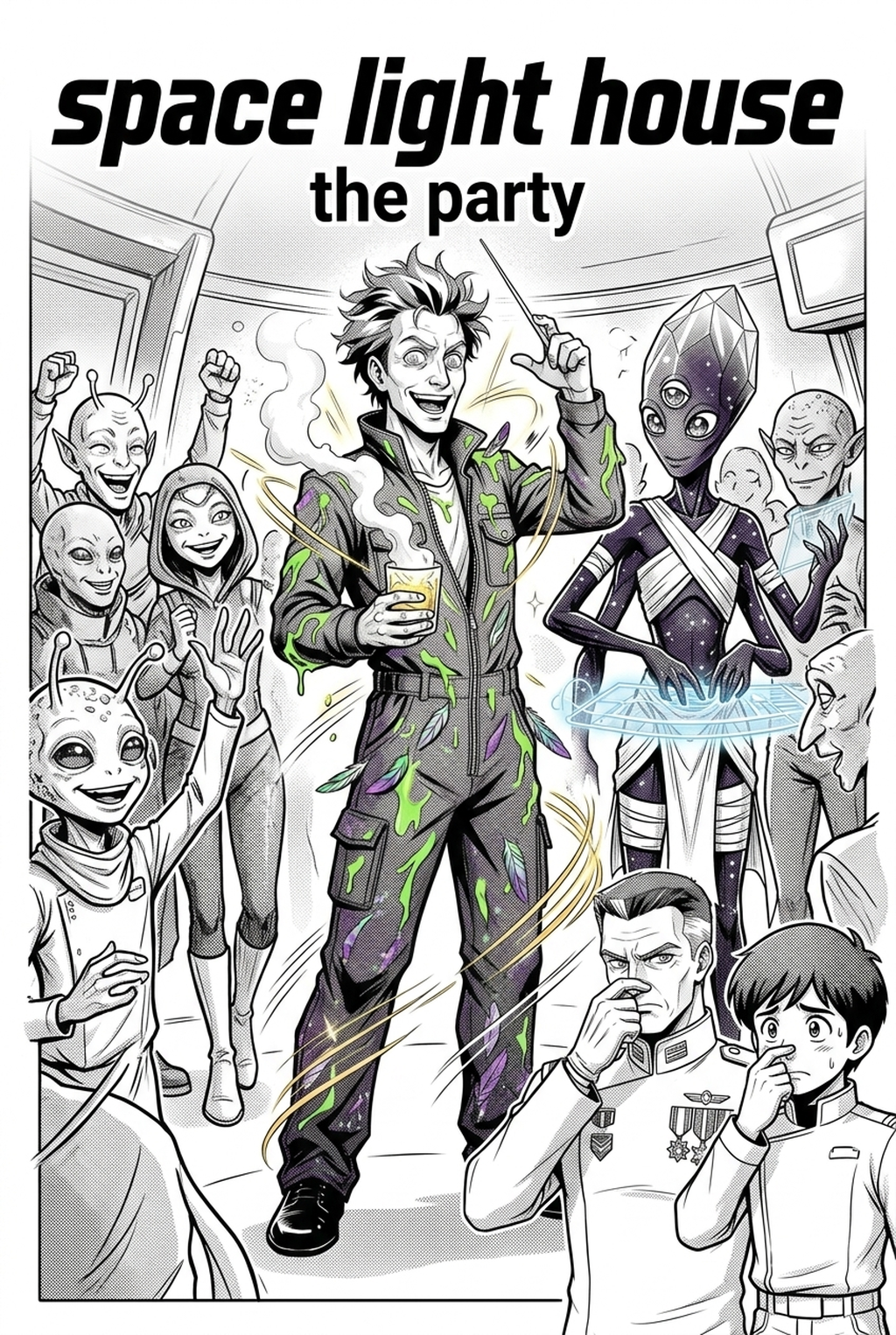
What Is Dragon Ball LEGO Art Style?
The Dragon Ball LEGO art style is built upon character designs that prioritize blocky, modular anatomy, characterized by clear plastic-texture highlights and limited joint articulation. Unlike standard hand-drawn proportions that allow for infinite flexibility, this style forces the artist to adhere to a rigid 'toy-scale' geometry where limb movement is restricted to specific pivot points.
The core of the style lies in the juxtaposition of these stiff models against the kinetic intensity of Akira Toriyama-inspired storytelling. Even with rigid figures, you must maintain the dramatic 'impact lines' and exaggerated speed-motion sequences synonymous with legendary shonen manga. The visual narrative relies on preserving a high-fidelity 'toy-scale' perspective while utilizing the extreme camera angles standard in professional production. Successful execution requires that the 'plastic' surface detail remains consistent even when a character is caught in an explosive flurry of martial arts maneuvers.
Why AI Manga Style Transfer Matters for Manga Creators
The primary advantage for independent creators is the creation of a powerful 'nostalgia hook' that differentiates your project from standard digital-inked comics. By grounding your characters in a recognizable, modular framework, you provide readers with an immediate, tactile connection to the art, which functions as a competitive edge in a saturated market.
- Modular Consistency: The standardized joint orientations limit the complexity of character changes over hundreds of pages, effectively preventing the common failure of anatomical proportion drift. * Rapid Prototyping: Since characters can be mapped to a finite set of plastic joint orientations, you can sketch complex combat storyboards faster by using predictable physical volumes. * Aesthetic Distinction: The use of clean, non-organic surface rendering separates your work from the typical soft-brush or standard pen-and-ink approaches currently dominating the indie scene.
These benefits create a more stable production workflow. By choosing a style where the 'anatomy' is effectively locked into a specific set of plastic parts, you spend less time fixing perspective errors on shoulders or torsos and more time refining the composition of your panel layouts and speech-bubble placement.
How Dragon Ball LEGO Art Style Works with Mangaka
Mangaka serves as the technical engine for this process, allowing you to bypass the manual labor of shading and inking by feeding your rough layout sketches into a specialized, style-aware processing production process. Instead of spending hours calculating how light catches on curved plastic, the system analyzes your composition and applies the required shading, textures, and highlights automatically.
You gain significant control over the final output by defining your source context through creative brief engineering or by providing specific reference images that illustrate the required 'toy-like' sheen. This ensures your line art remains consistent, with the AI managing the tedious task of rendering highlights on those high-gloss plastic surfaces. By streamlining the inking phase, you can ensure that your Dragon Ball LEGO art style remains true to the dramatic pacing of your original storyboards. You essentially offload the technical burden of lighting calculations and material textures to the tool, leaving you free to focus on the overall panel flow and the narrative impact of your fight choreography.
Use Cases for AI Manga Style Transfer
This aesthetic is highly scalable, making it an excellent choice for full-length chapters rather than just isolated promotional panels. Creators often ask if this modular approach can sustain a full volume, and the answer is that the constraints actually improve overall production speed and page-layout reliability.
- Serialized Volume Pacing: The predictable geometry allows for rapid panel-to-panel transitions, maintaining high energy without requiring complex manual re-inking for every background element. * Skill Gap Mitigation: You do not need professional-grade anatomy training to achieve this look, as the system takes your base silhouettes and applies the complex plastic rendering, allowing you to focus on the story. * IP Safety and Distinction: Using a toy-based aesthetic is a valid creative choice; however, you must ensure your original character traits, naming conventions, and narrative elements remain distinct from any specific existing toy brand to avoid potential disputes over intellectual property boundaries.
When you utilize this approach, your production is effectively secured against the technical risks of uneven line weight or inconsistent rendering. Because the system treats every character as a component within a set, your page-to-page visual continuity becomes much easier to maintain for the duration of your project.
How to Get Started with Mangaka
Starting your journey into this niche aesthetic begins with recognizing the value of the tool in bridging the gap between toy culture and professional-grade manga storytelling. By automating the manual rendering process, you bypass the common barriers of labor-intensive inking and coloring that often cause production delays.
- Phase 1: Storyboard Layout: Map out your sequence, focusing on high-energy, shonen-style compositions where the rigid toy-like anatomy can create the most dramatic impact. * Phase 2: Sketch Transfer: Use your rough sketches as the input source, ensuring the silhouetted shapes are clear enough for the tool to recognize the intended joint orientations. * Phase 3: Refined Export: Export your finished panels into a standard format like PNG or PSD to begin the final lettering process, ensuring all dialogue bubbles are cleared of visual clutter.
Integrating these steps into your creative workflow enables you to focus on the core appeal of your project. When you use the system to transform your base drawings into this specific, high-energy aesthetic, you reclaim the hours that would have been lost to manual surface rendering. Visit Mangaka to begin your transition into this unique, high-production visual style today.
The Bottom Line
Adopting the creator workflow is a strategic choice for creators who want to prioritize narrative flow and character consistency over the traditional, time-heavy demands of hand-inking. By utilizing high-efficiency Dragon Ball LEGO art style tools, you gain the ability to produce serialized content that looks professional and distinct without the risk of burnout or anatomical drift. Start your next project with this unique aesthetic and focus on the story, knowing that your visual production is handled with precision.
Related articles
Mastering Fantasy Background Art for Professional Manga 2026
Manga Storyboard: A Guide to Professional Layout Flow 2026
Mastering Manga Background Scene Composition for 2026