AI Manga Background Artist: Understanding the Essence of Environment Design
Effective world-building relies on architectural coherence and lighting logic that forces the reader’s eye to move through the panel without hitting visual dead ends. If your environment lacks consistent vanishing points, the depth in your scene will collapse, making it nearly impossible to place your action figures correctly during the final inking pass.
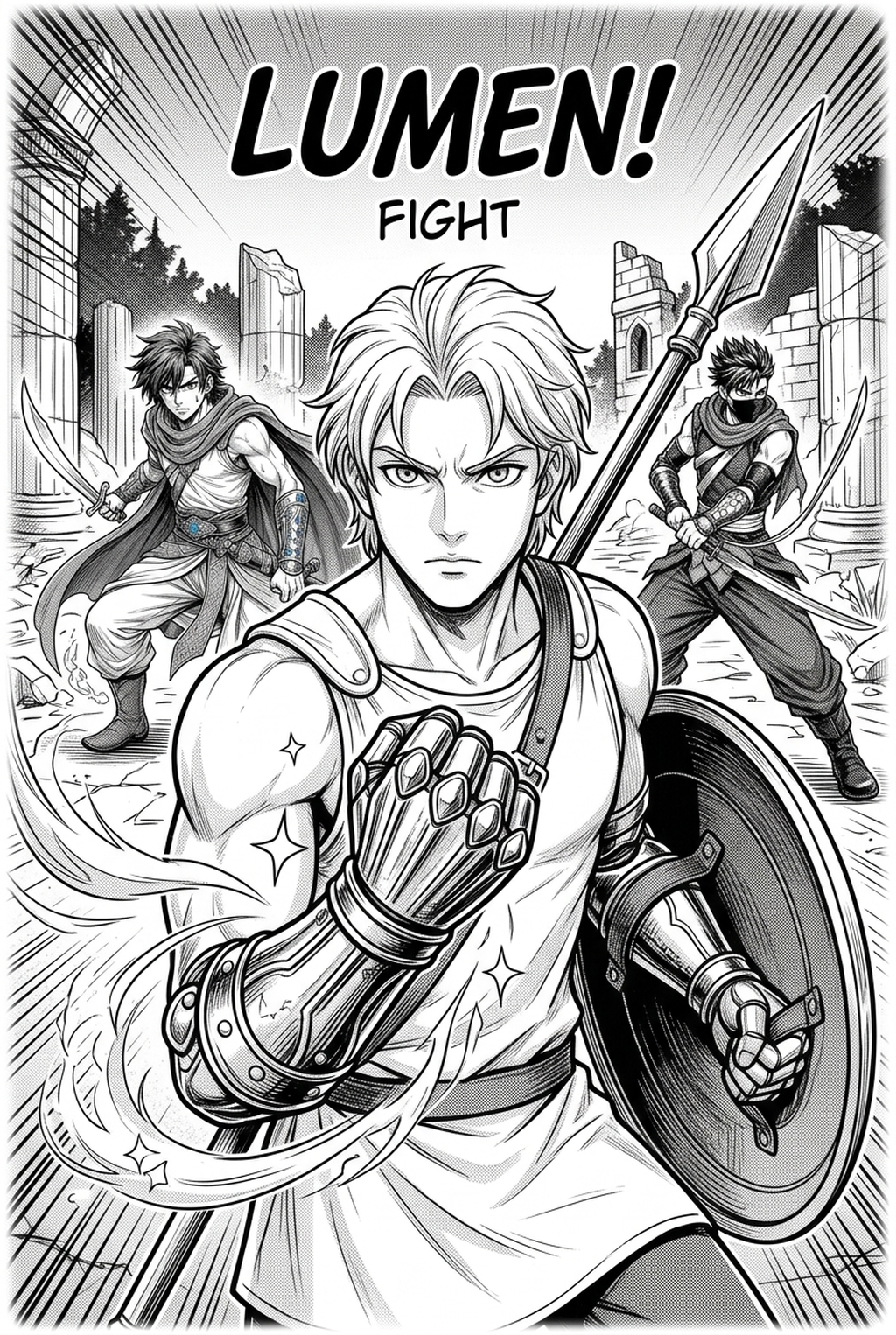
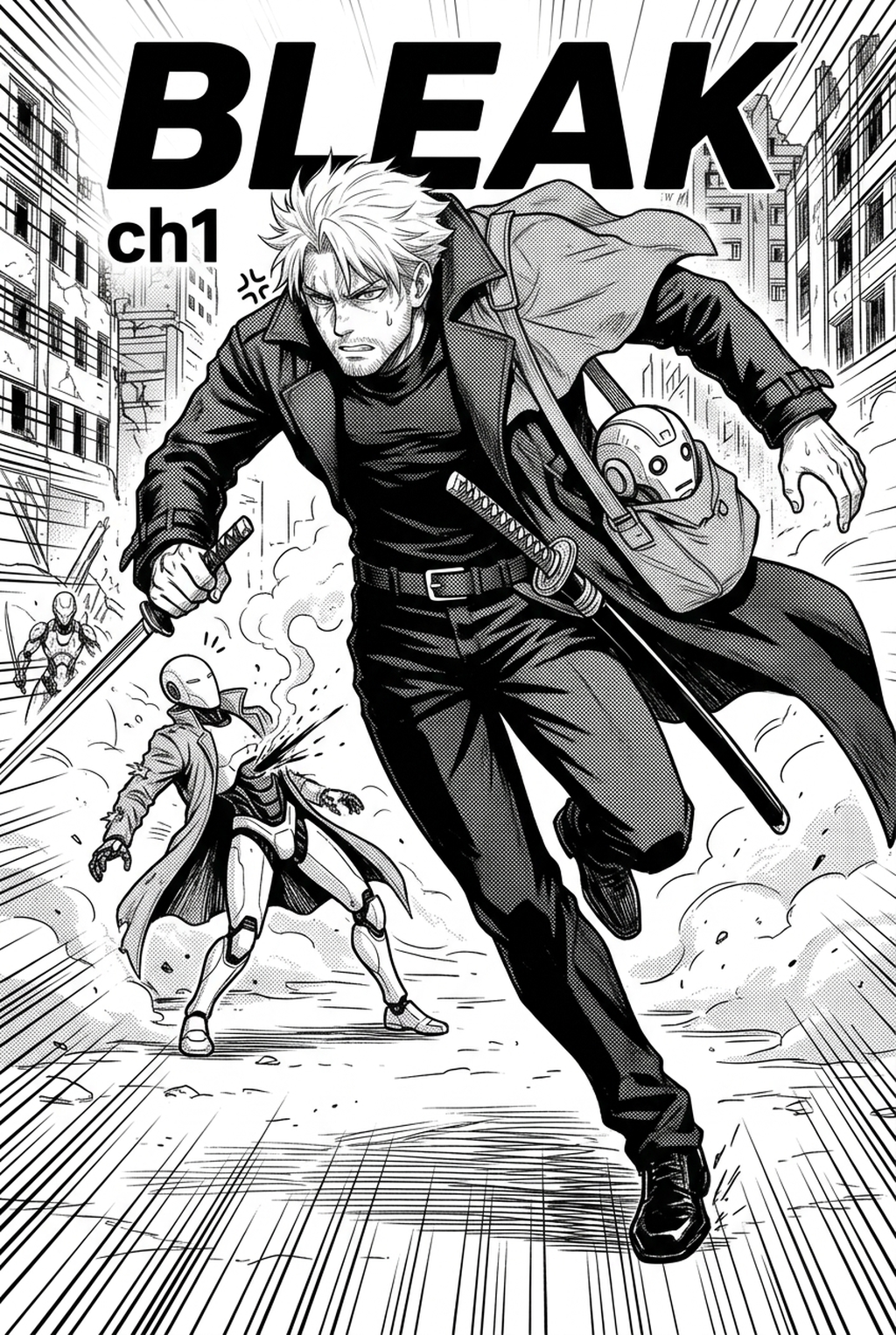
Perspective-anchoring serves as your primary defense against cluttered panels. By locking your horizon lines and foreground rubble into a fixed grid, you prevent the reader’s focus from drifting away from the character's movement. When a character dashes through a ruin, their speed lines should interact with fixed structural elements—like cracked pillars or crumbled archways—to sell the scale of the environment.
History should be visible in the ruins, flora, and weather patterns without requiring a single dialogue box. An overgrown statue or a specific type of storm cloud tells the reader exactly what happened in this location centuries ago. These silent narrative markers build trust with your audience, providing the necessary source context for your magic system and power dynamics to feel earned.
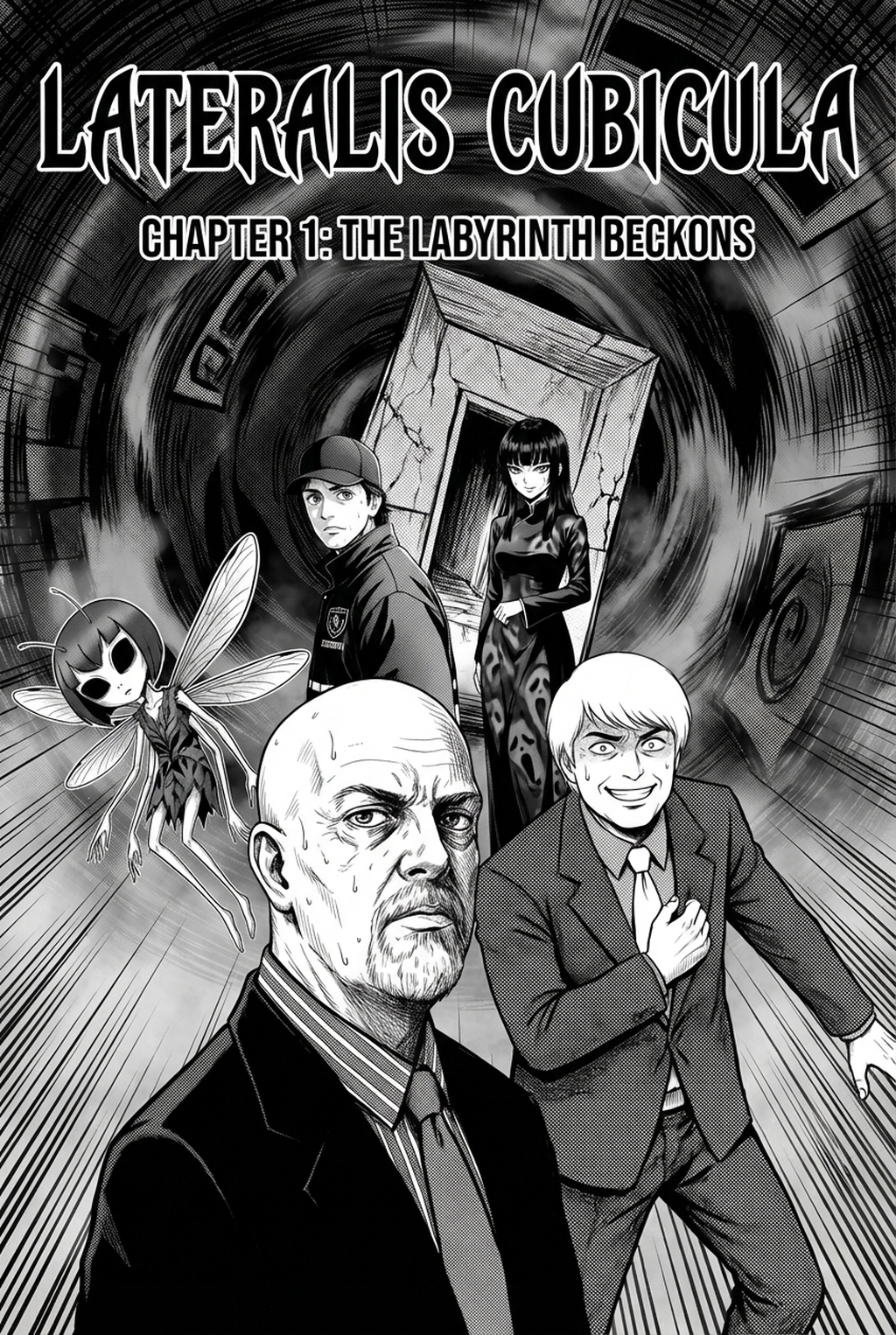
Tonal consistency ensures that your background never fights the primary emotional focus of a storyboard. If your characters are undergoing a high-stakes emotional confrontation, the surrounding environment should mirror that mood through shadow density and contrast ratios, rather than overwhelming the reader with extraneous architectural detail that distracts from the facial expressions.
Why Structural Depth Matters for Serialized Narratives
High-quality environment settings establish the tone and pacing of your story, acting as a silent, recurring character that informs how your audience perceives the danger level. Readers of serialized manga demand high visual fidelity; a weak or inconsistent background often leads to lower audience retention because the world feels thin or temporary. Professional-grade settings provide the necessary visual anchor for your reader to understand how your magic system physically impacts the environment, turning empty space into a vital narrative component.
Technical Application Through AI Artistry
Mangaka streamlines your workflow by converting descriptive scene text into detailed, ink-style panels, removing the need for manual rendering. This approach allows you to focus on the essential aspects of your script—like character acting and panel layout—while the tool ensures that your line weight remains uniform across every page.
| Feature | Manual Drawing | AI Background Artist |
|---|---|---|
| Rendering Time | 4-6 hours per panel | Seconds |
| Line Weight | Variable/Unstable | Consistent/Uniform |
| Depth of Field | Difficult to adjust | Immediate refinement |
Because the system generates assets based on your specific requirements, you can iterate on lighting and depth-of-field settings until the panel fits your composition. If you need a specific atmospheric effect, such as fog in a mountain pass or magical debris floating in a temple, you can quickly adjust your input. This allows for seamless integration into your fantasy adventure background with Mangaka or PDF page layouts without the smudged ink lines or mismatched perspectives that often occur during manual drafting.
Practical Use Cases for Production Efficiency
Solo creators often hit a wall when attempting to produce consistent output, but separating your creative process into distinct layers—storyboard layout, character focus, and background rendering—significantly reduces burnout. By leveraging batch generation, you can build a library of recurring fantasy assets, such as specific tavern interiors or castle dungeons, that can be repurposed throughout your series to maintain a high-quality, professional look.
Initiating Your World-Building Workflow
Setting up your environment starts with defining the scene's emotional weight. You must decide whether the architecture should feel oppressive and cramped to heighten tension or wide and sprawling to emphasize the freedom of an adventure. Once your character positions are established on your grid, you can generate the environment to complement that frame rather than dictate it.
- Before Export. Creators should compare the generated line art with the original sketch and confirm that facial expressions, props, speed lines, and speech-bubble space still support the scene. A repeatable review pass should cover character consistency, panel readability, background clarity, and whether the final file is ready for coloring, lettering, or editor feedback.
- For Longer Projects. Creators should save approved examples of line weight, face detail, clothing folds, and background density. Those references keep later chapters closer to the intended style. For collaboration, creators should mark which panels are final and which panels still need redraws. Clear status labels prevent an assistant, editor, or colorist from polishing the wrong version.
- For Publishing. Creators should review the page at the actual reading size before export. Small screens expose crowded dialogue, weak silhouettes, and line details that looked fine while zoomed in. This keeps the review focused on story intent, line weight, panel readability, and the export quality behind the final AI Manga Background Artist output.
- For Style Control. Creators should keep a short reference board beside the draft and compare hair shapes, eye details, costume folds, and texture choices before approving the final page. For revision planning, creators should separate art fixes from story fixes. Line cleanup, panel order, dialogue clarity, and character acting each need a different review question.
- For Solo Creators. The most useful workflow is one that keeps rough ideas editable until the final pass. That reduces rework when the scene mood changes after the first read-through. Creators can use each revision decision to clarify panel readability, character consistency, and export quality before publishing or sharing.
The Bottom Line
Mastering the environment in your manga allows you to build a believable world that elevates every emotional beat of your story. By automating the technical heavy lifting, you preserve your creative energy for the narrative work that matters most. Start building your immersive world today at fantasy adventure background and see how quickly your production capacity scales.
Related articles
Build Your Manga Storyboard for Youth Comedy Instantly 2026
What Is a VR Manga Storyboard? A New Way to Plan Panels 2026
Creating Dragon Ball LEGO Art Style: A Manga Guide in 2026