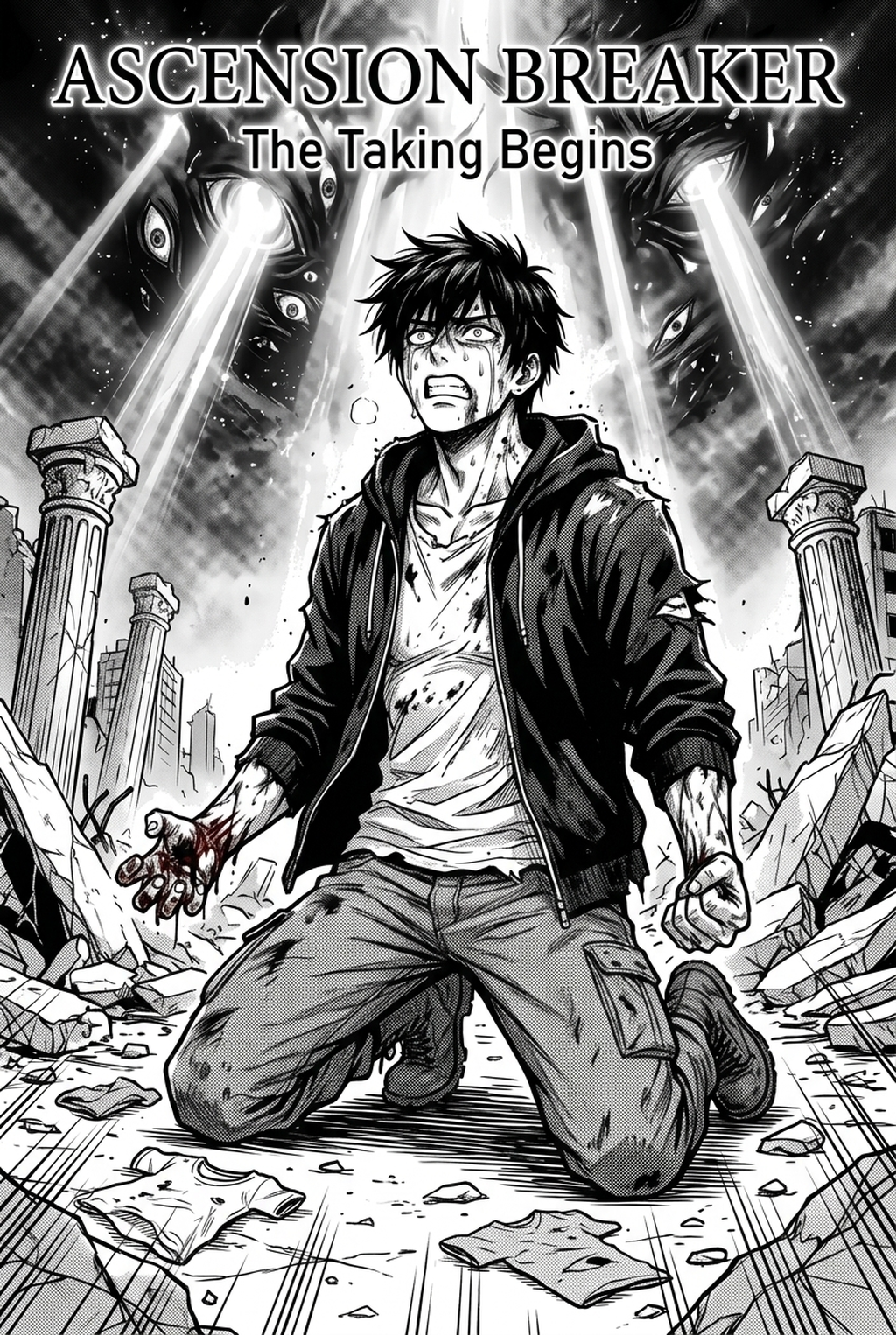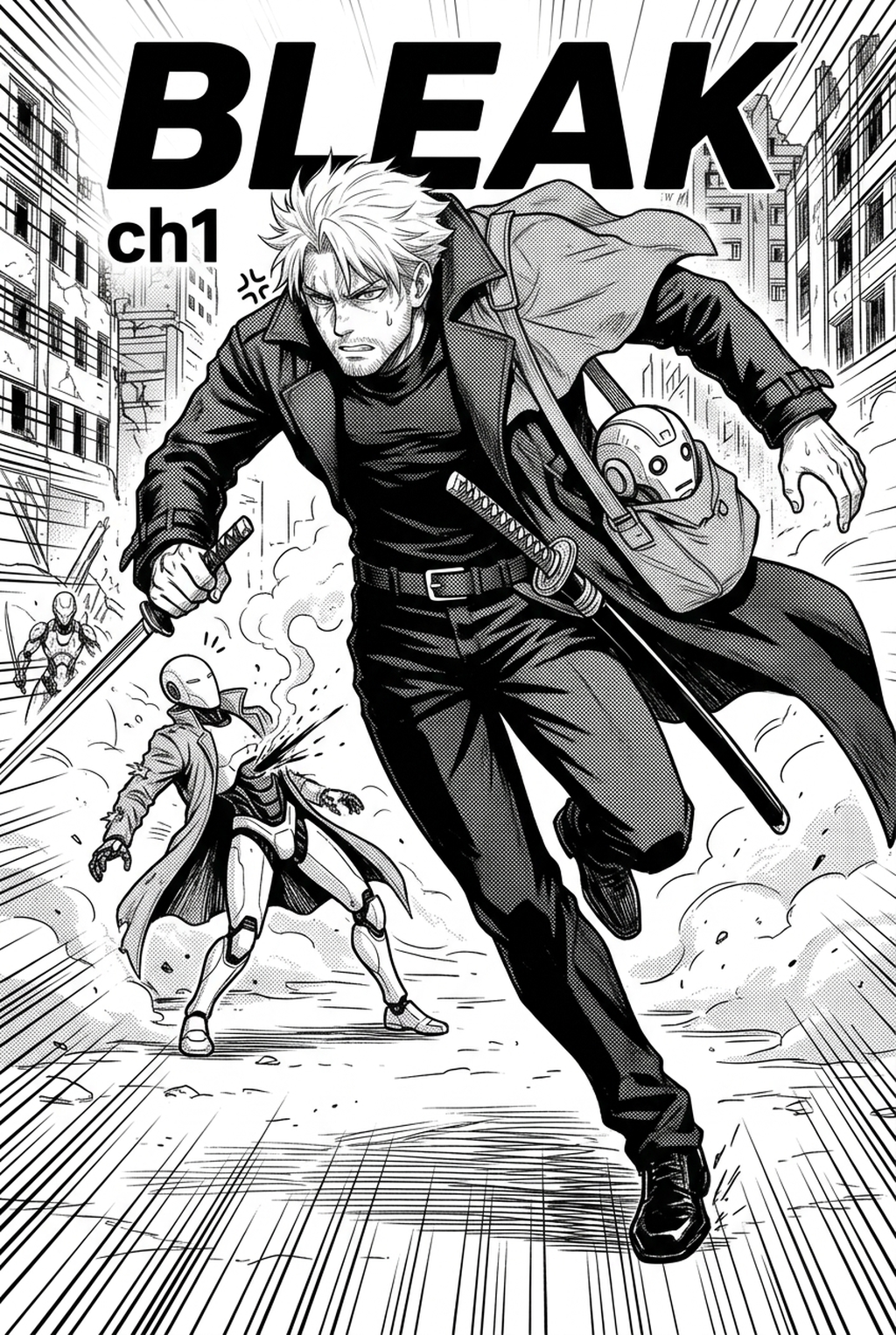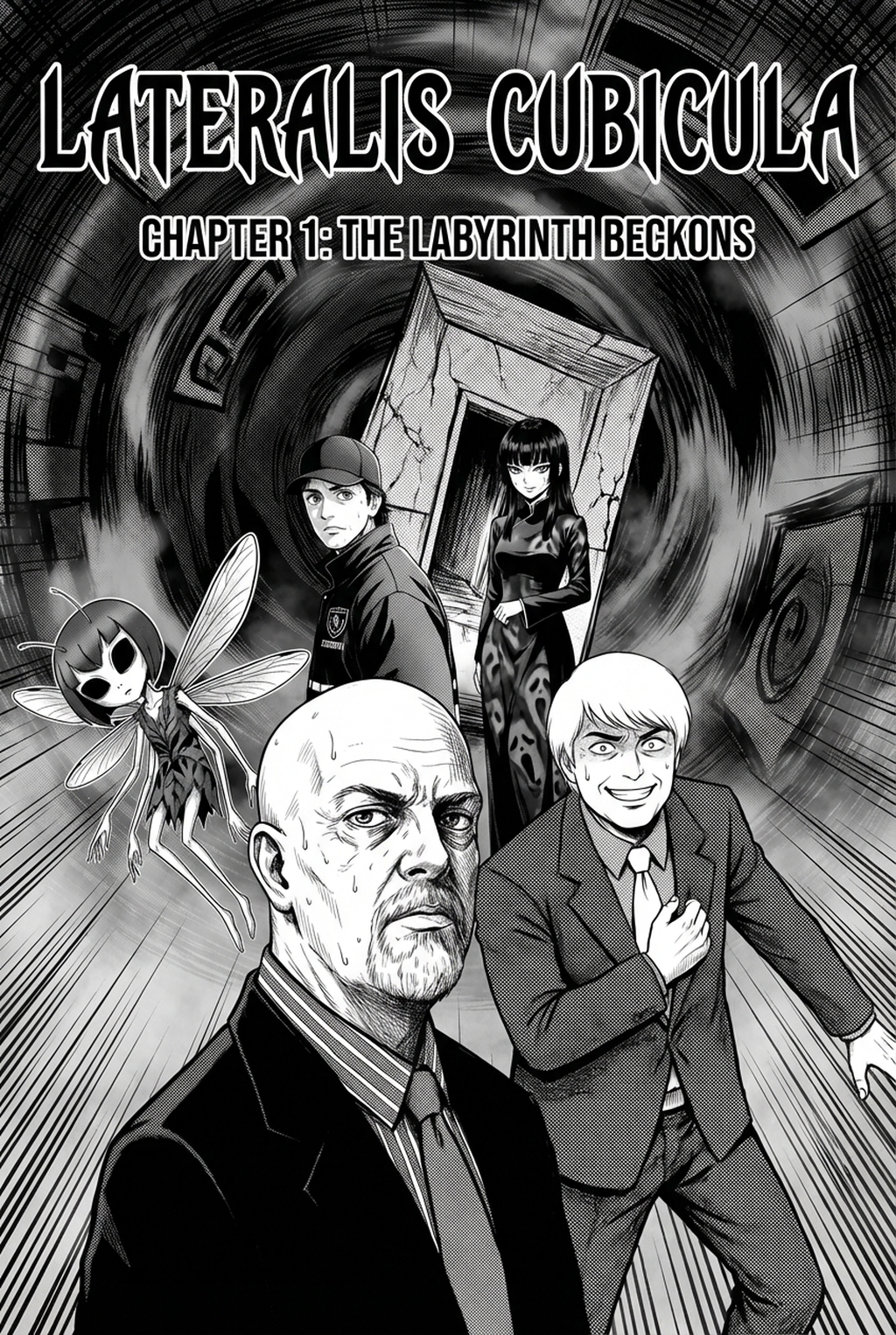
Understanding the AI Manga Background Artist Concept
An Isekai manga background functions as the definitive visual anchor that separates the familiar mundane world from the unknown magical territory. Creators must ensure the architecture reflects the established power hierarchy of the new realm, using verticality and environmental density to signal the transition to the reader immediately upon the turn of the page.
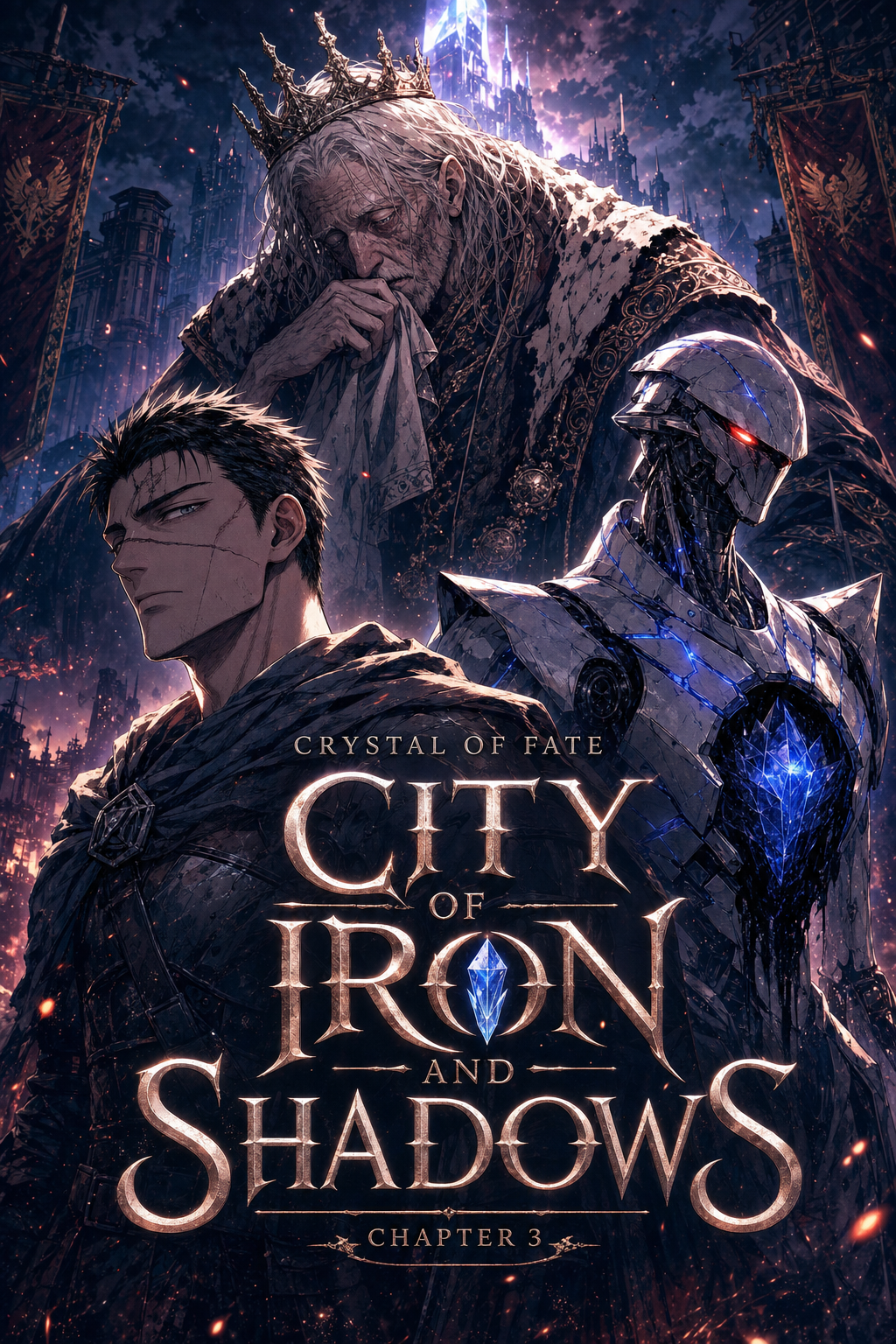
The design of your fantasy landscape is the primary tool for establishing the Sekai-kan" or the unique "world-feel" that differentiates your work from other genre entries. Without high-contrast architectural motifs—such as monolithic floating ruins or intricate gothic-renaissance cathedrals—the transition to the magical realm loses its emotional impact.
Visual consistency between your foreground characters and the sprawling, complex environments is the biggest hurdle for solo artists. If your character’s line weight is thin and clean, but your background exhibits heavy, inconsistent perspective distortion, readers will instinctively disengage, shattering the fantasy immersion regardless of the strength of your dialogue.
Why This Environment Work Burdens Creators
The primary barrier for Isekai artists is the "complexity-to-deadline" ratio, which often forces creators to choose between environmental detail and meeting their weekly chapter page count. Manually drafting cathedrals, sprawling guild halls, or magic-tech ruins requires a massive time investment that many small teams cannot sustain.
Solo creators often experience "perspective drift" when attempting to re-create a recurring location like a magic academy or a bustling town square from different angles in subsequent chapters. This keeps the review focused on story intent, line weight, panel readability, and the export quality behind the final AI Manga Background Artist output.
Check character consistency, panel readability, line quality, and export readiness before publishing. Creators should also record why the page passed review, which panel details still need manual cleanup, and which export format the next collaborator will use. That makes the subsection useful instead of leaving a short checklist under a large heading.
Modern readers expect high-detail visuals that match the scale of the fantastical events depicted in their favorite series. This puts extreme pressure on your inking speed, as you are expected to deliver grand-scale environmental shots—often occupying half-page spreads—without sacrificing the quality of your character art or the clarity of your speech-bubble placement.
How Mangaka Improves Your Output
Mangaka functions as a high-fidelity virtual assistant that allows you to generate scene-specific assets based on descriptive inputs rather than traditional drafting. By defining the necessary structural elements and lighting composition, you effectively offload the technical burden of perspective calculation, ensuring your backgrounds remain technically accurate while you focus on the nuances of your characters.
The platform allows you to bridge the gap between initial scene conception and final export. You define the core architectural motifs through your input, and the engine calculates the vanishing point and ambient lighting, generating assets that integrate seamlessly with your existing line art.
For multi-page spreads where continuity is paramount, this technology maintains the structural integrity of your settings across long arcs. You can maintain a consistent architectural language throughout your series by using established styles as your source context, preventing the need to re-draft complex ruins from scratch for every appearance.
Practical Use Cases for Fantasy Settings
Unique architectural motifs are essential to defining your specific universe, whether you prioritize glowing crystal nodes or intricate magic-tech architecture. You should aim to layer your designs, using a clear foreground-midground-background hierarchy to ensure your characters pop against the scenery without becoming lost in the detail.
To unify your character art with generated backgrounds, focus on consistency in rim-lighting and ambient glow effects. When the light source on your character originates from a magical landmark in the background, your final compositing pass should adjust the saturation and brightness to ensure the two elements feel like part of the same physical space.
Use vertical architectural elements to guide the reader’s eye across the page. Tall spires, crumbling towers, or floating magic nodes can serve as natural gutters or borders, drawing the reader down through your panels and enhancing the sense of scale typical of top-tier Isekai titles.
Getting Started with Mangaka
Getting started requires a move away from traditional manual labor and toward a foundation-first mindset. Once you have generated the base layer for your environment at Isekai manga background , you can finalize the piece by applying your unique inking style and tone to match the rest of your chapter, effectively saving 40-60% of the production time typically spent on background drafting.
The use of artificial assistance in this capacity counts as original work when the creator directs the narrative, manages the scene composition, and provides the final stylistic polish. You are essentially using a tool to build the foundation, much like using a 3D reference or a stock photo, which is standard practice in the modern manga industry.
You maintain your distinct style by incorporating your character designs and preferred inking weight during the final compositing phase. Most professional creators use the generated background as a high-resolution under-layer, tracing or inking over it to ensure it perfectly matches the character line work that the audience identifies as your personal hallmark. Before export, creators should compare the generated line art with the original sketch and confirm that facial expressions, props, speed lines, and speech-bubble space still support the scene.
The Bottom Line
The design of your background sets the stage for every major conflict and character beat in your story. By delegating the labor-intensive technical aspects of environmental construction to Isekai manga background , you secure the freedom to focus on your core narrative arcs and character development, turning the production of high-detail fantasy vistas into a manageable part of your professional workflow.
Related articles
Manga Inking: From Traditional Dip Pens to AI Automation
Professional Manga Inking: Turn Your Sketches into Ink 2026
How to Create Stunning Fantasy Manga Background Art in 2026