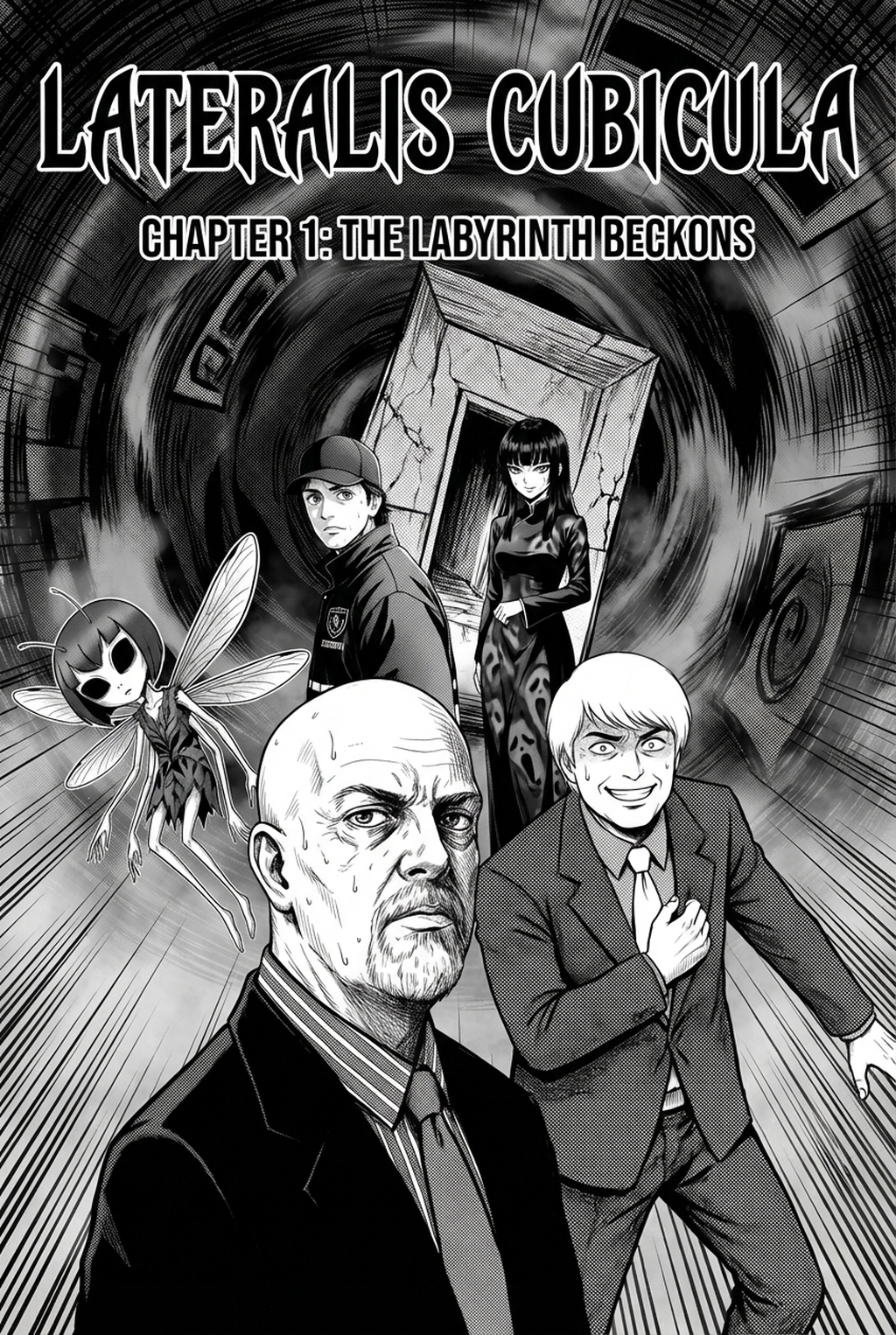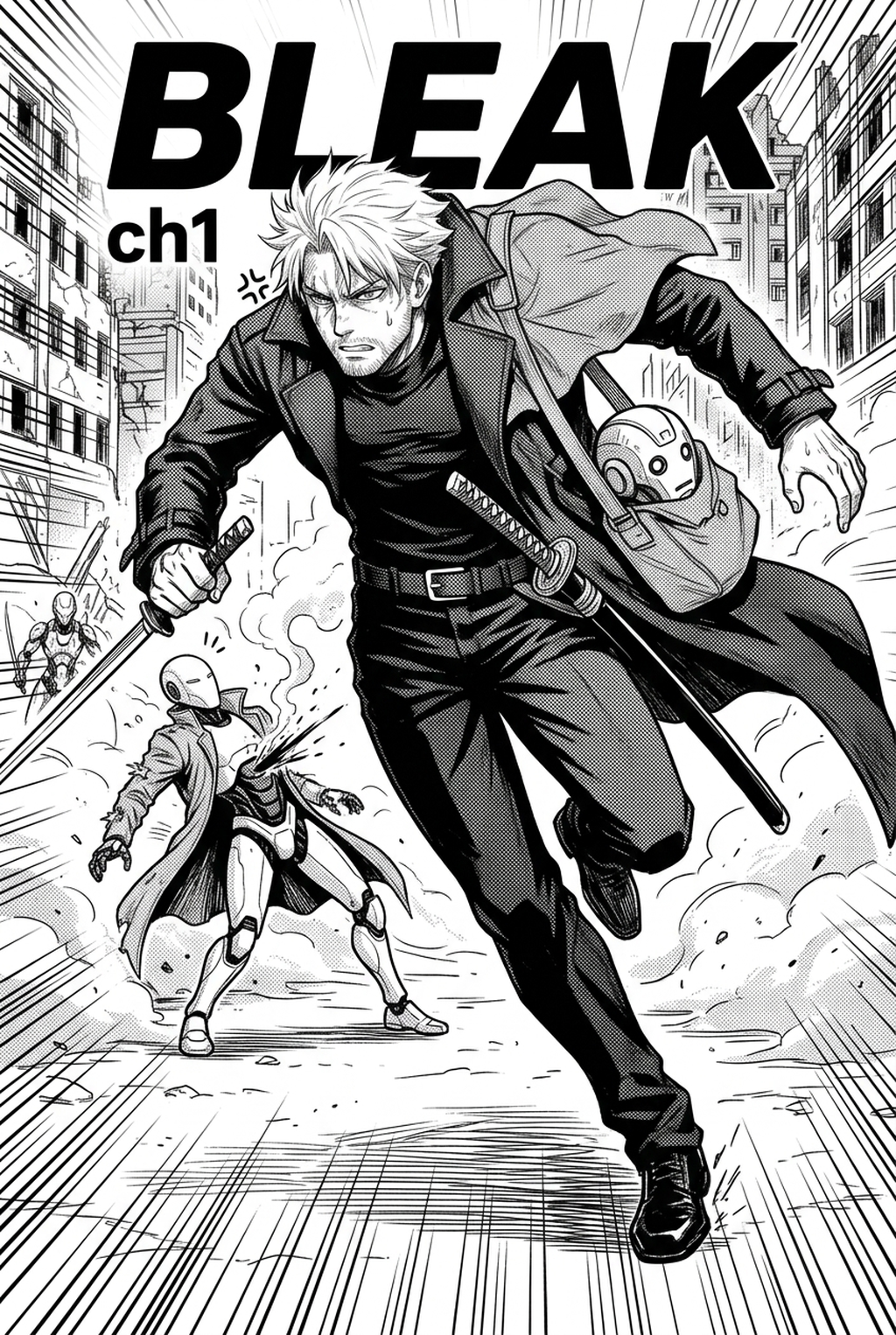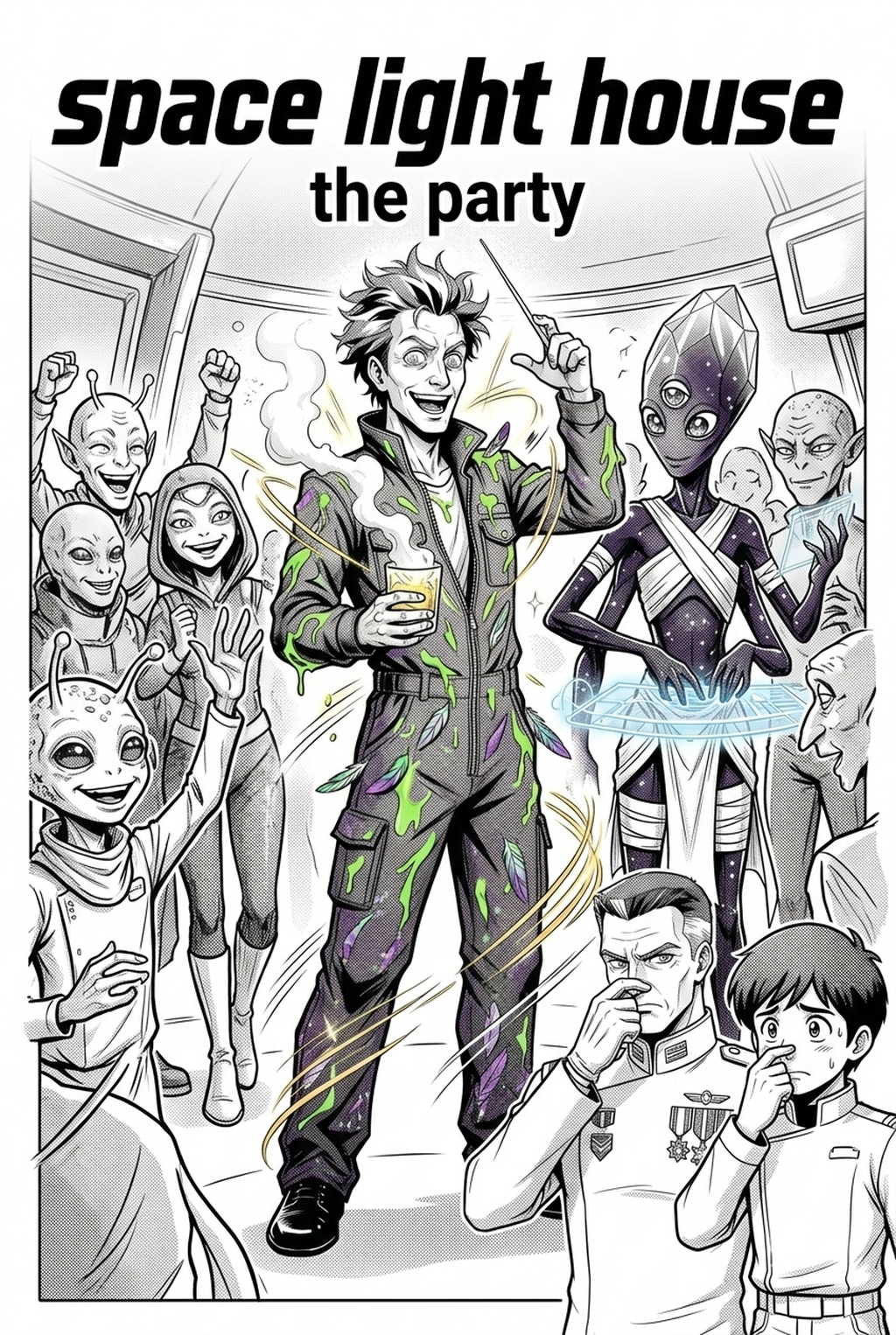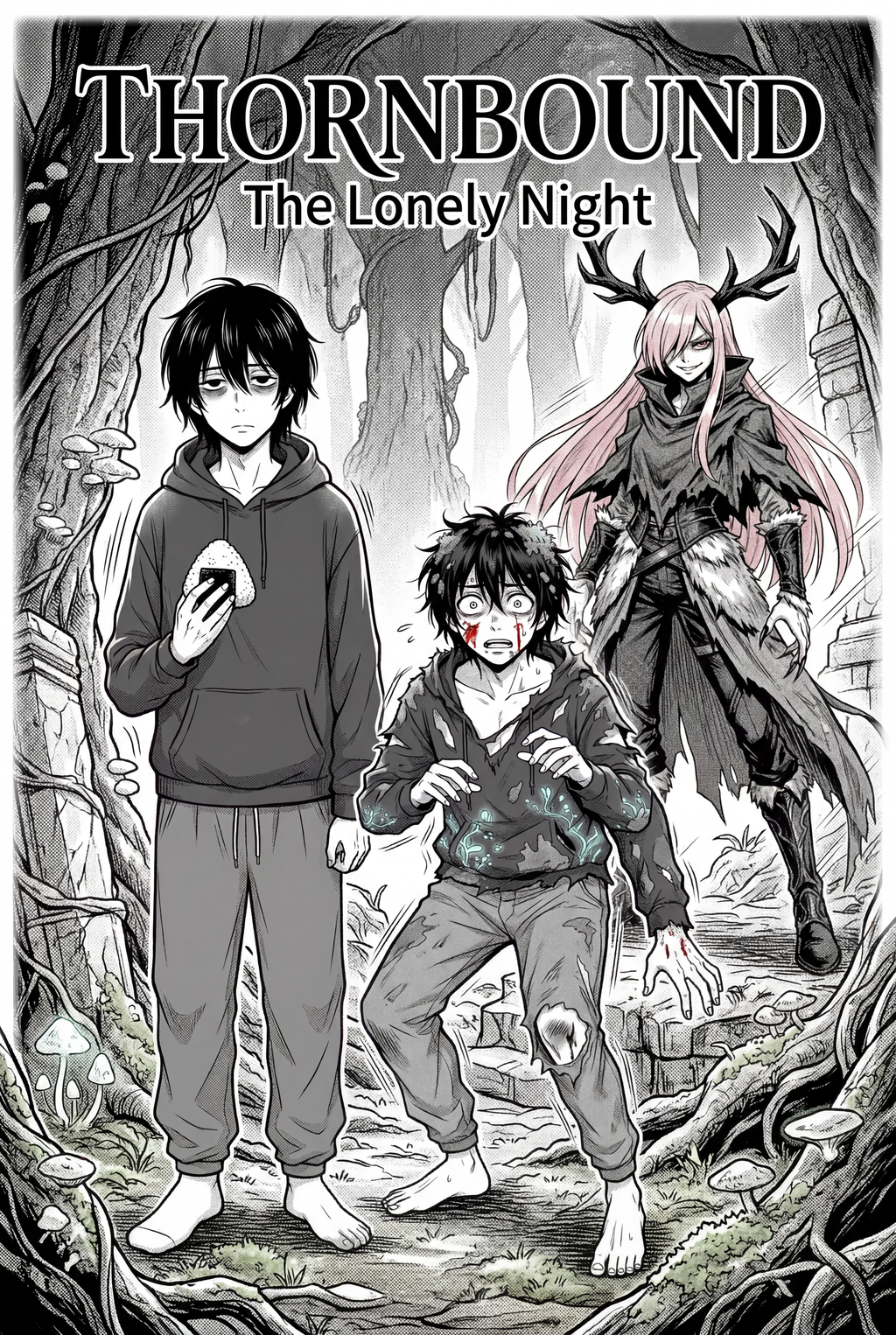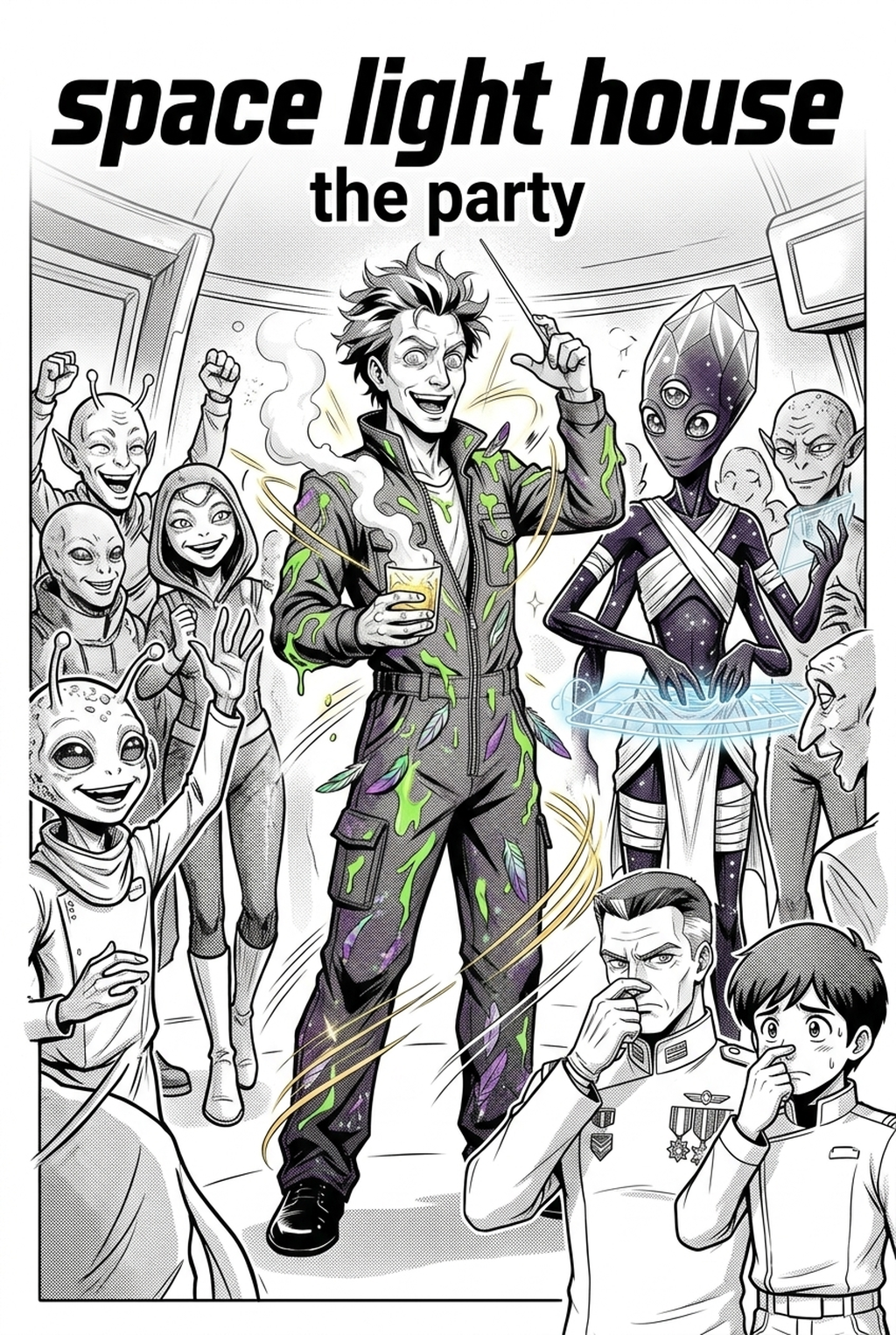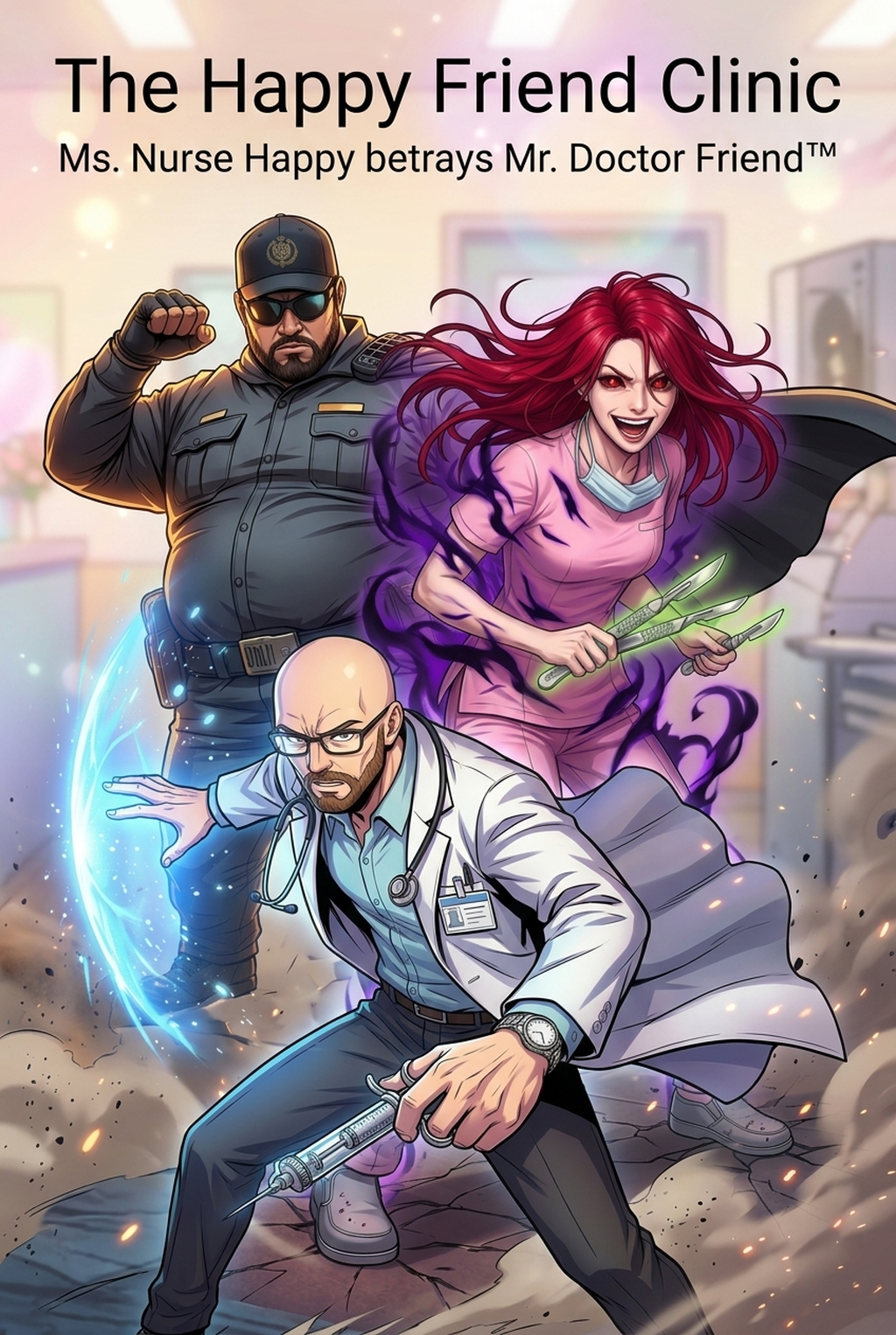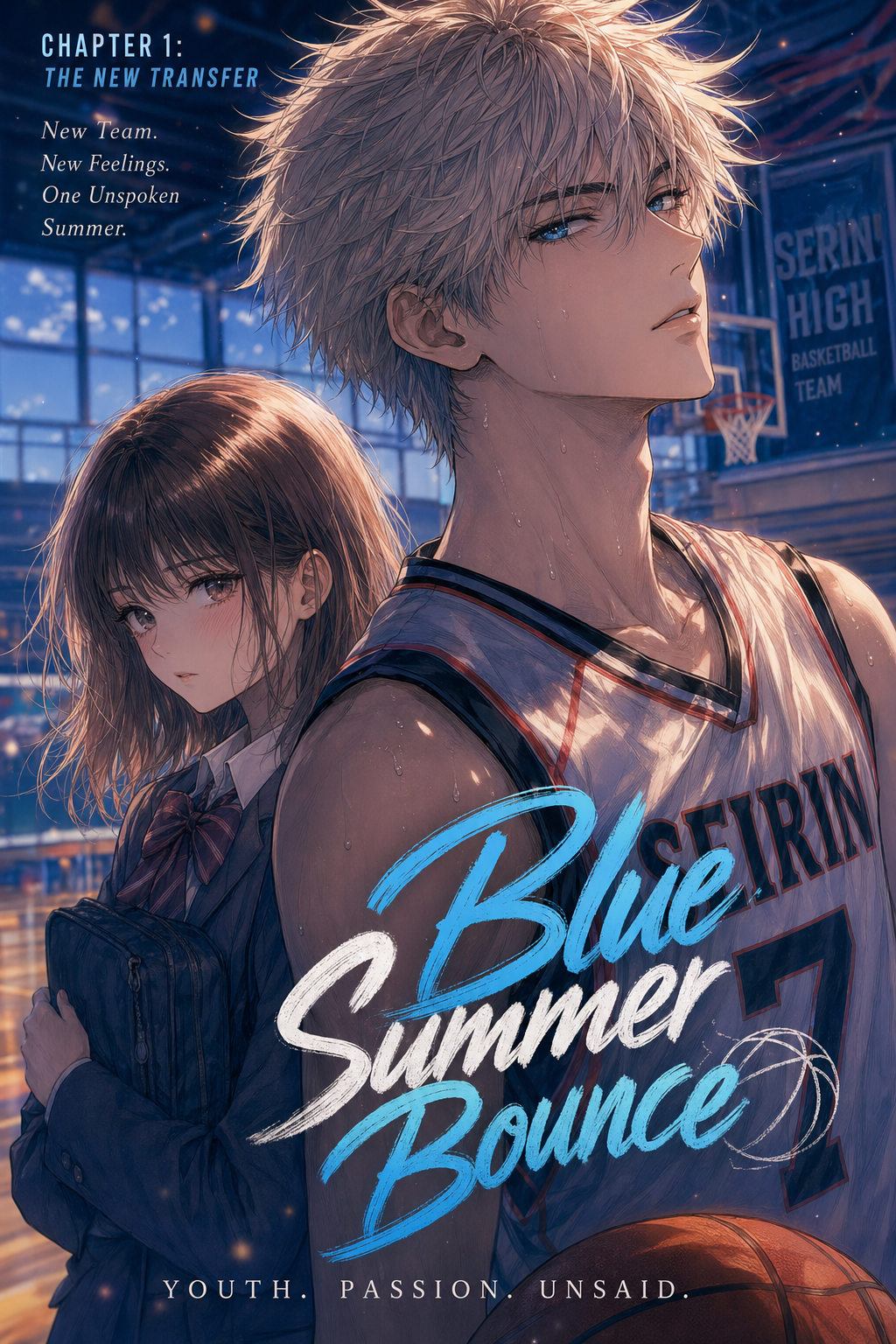
Defining the Art of AI Manga Inker
Inking represents the final structural anchor of a page, converting fleeting, graphite-based intent into permanent, reproducible vector or pixel-based lines. This process necessitates a delicate balance between varying line widths to establish depth and ensuring that character silhouettes remain distinct against dense, hatched backgrounds.
- Weight hierarchy: Skilled artists modulate pressure to differentiate between foreground characters, which feature thick, bold contours, and distant objects, which use thinner, lighter line weights. * Ink-tone separation: Clean inking acts as a barrier, preventing complex textures or gray-scale screen tones applied in later steps from bleeding into crucial character silhouettes. * Evolution of media: While historical methods relied on actual ink wells and dip pens, current studio standards prioritize digital interfaces to allow for non-destructive layering and rapid iteration of complex panel layouts.
Why AI Manga Inker Matters for Manga Creators
Professional-grade inking is the primary visual differentiator that defines a series' identity, dictating how a reader perceives the tone of the artwork. Poorly executed lines can flatten a dynamic action sequence or turn a somber Seinen panel into a confusing, muddy blob of black ink.
The inking must emphasize kinetic energy through aggressive, sweeping strokes and hyper-thick impact lines that follow the trajectory of a punch or a character's dash. Failing to maintain this bold pressure during action panels often results in a "limp" visual experience where the combat loses its sense of immediate force.
Seinen titles rely on complex hatching and cross-hatching to build atmosphere in backgrounds and architectural renders. Using inconsistent line pressure in these areas destroys the illusion of grayscale depth, causing the background to compete for dominance with the central character silhouette and ultimately ruining the page's readability.
Properly inked lines are essential for reliable output in diverse formats, from high-resolution digital uploads to lower-quality printed tankobon volumes. If the linework is too thin or fragmented, the moiré effect can occur when shrinking a page to fit standard print margins, rendering your carefully crafted panels unreadable to the target audience.
How Inking Evolves with Mangaka
Digital workflows have introduced non-destructive paths for artists, but manual tracing remains a bottleneck that prevents many creators from meeting tight publication deadlines. The arrival of AI-driven tools creates a faster alternative by interpreting the source context of a drawing, identifying where a sketch intends for a line to connect, and vectorizing it into a finished stroke.
- Intent recognition: The software scans your original pencil layer to differentiate between construction lines and final contours, isolating your intended drawing before creating the ink path. * Infinite correction: Because the underlying pencil sketch remains an editable source context, you can adjust the original input and re-generate the ink at any time without starting the entire page from scratch. * Vector precision: AI automation handles the technical labor of closing gaps in your lines, ensuring that your export files are clean enough for high-end printers and mobile platforms alike.
Use Cases for AI Manga Inker
The AI Manga Inker serves as a bridge for creators who want to maintain their unique artistic soul while removing the repetitive physical stress of the tracing phase. By automating the mechanical aspects of tracing, artists can dedicate more time to complex composition and narrative pacing, which are the true drivers of reader engagement.
- Contour preservation: Advanced algorithms identify the weight of your hand-drawn input, translating your personal hatching style into a clean digital equivalent that retains your original artistic signature. * Complex scene generation: You can categorize background elements as distinct inputs, allowing the AI to apply specific detail levels that avoid overcrowding the primary action panel. * Labor delegation: By offloading the repetitive task of tracing every individual hair strand or clothing fold to an automated tool, you reclaim hours of studio time for storytelling adjustments.
a creator working on a 20-page chapter might struggle to finish background inking in time for the weekly deadline. By uploading raw sketches in 300 DPI, the Mangaka tool processes the line paths and generates clean, professional-grade line art in seconds, allowing the artist to review the output and perform a final export as a PSD file, ready for color or tone work.
How to Get Started with Mangaka
Transitioning to an automated workflow does not mean sacrificing your creative control; it means refining your output efficiency. Most artists find that by structuring their input sketches with clear, deliberate strokes, the AI interprets their unique art style with surprising accuracy.
- Style fidelity: Because modern AI interprets the source lines provided, your specific habits—such as stylized tapering or blocky, heavy-weighted corners—are preserved in the final digital output. * Publication readiness: Major publishers have updated their submission standards, and today, high-resolution digital files generated through modern, non-destructive tools are widely accepted as the industry standard. * Background categorization: If your page contains intricate settings, try uploading your character layers separately from your architectural layers; this ensures the AI applies the correct level of detail to each asset without muddying the composition.
Creators can evaluate manga inking with Mangaka mid-workflow when they need the product path tied directly to review, refinement, and export. A real test should use the same sketch, character goal, or panel sequence that would otherwise need manual cleanup after generation.
The Bottom Line
AI Manga Inker workflow represents the vital transition from a rough vision to a published reality, and you no longer have to spend entire nights manually tracing every stroke to achieve professional quality. By leveraging AI automation, you shift your focus toward the creative composition and storytelling elements that define your series while leaving the repetitive technical labor to the manga inking tool. Start your first automated inking workflow today by uploading your latest sketch to see how much production time you can save.
Related articles
Professional Manga Inking: Turn Your Sketches into Ink 2026
How to Create Stunning Fantasy Manga Background Art in 2026
Mastering Isekai Manga Background Art: A Creator’S Guide