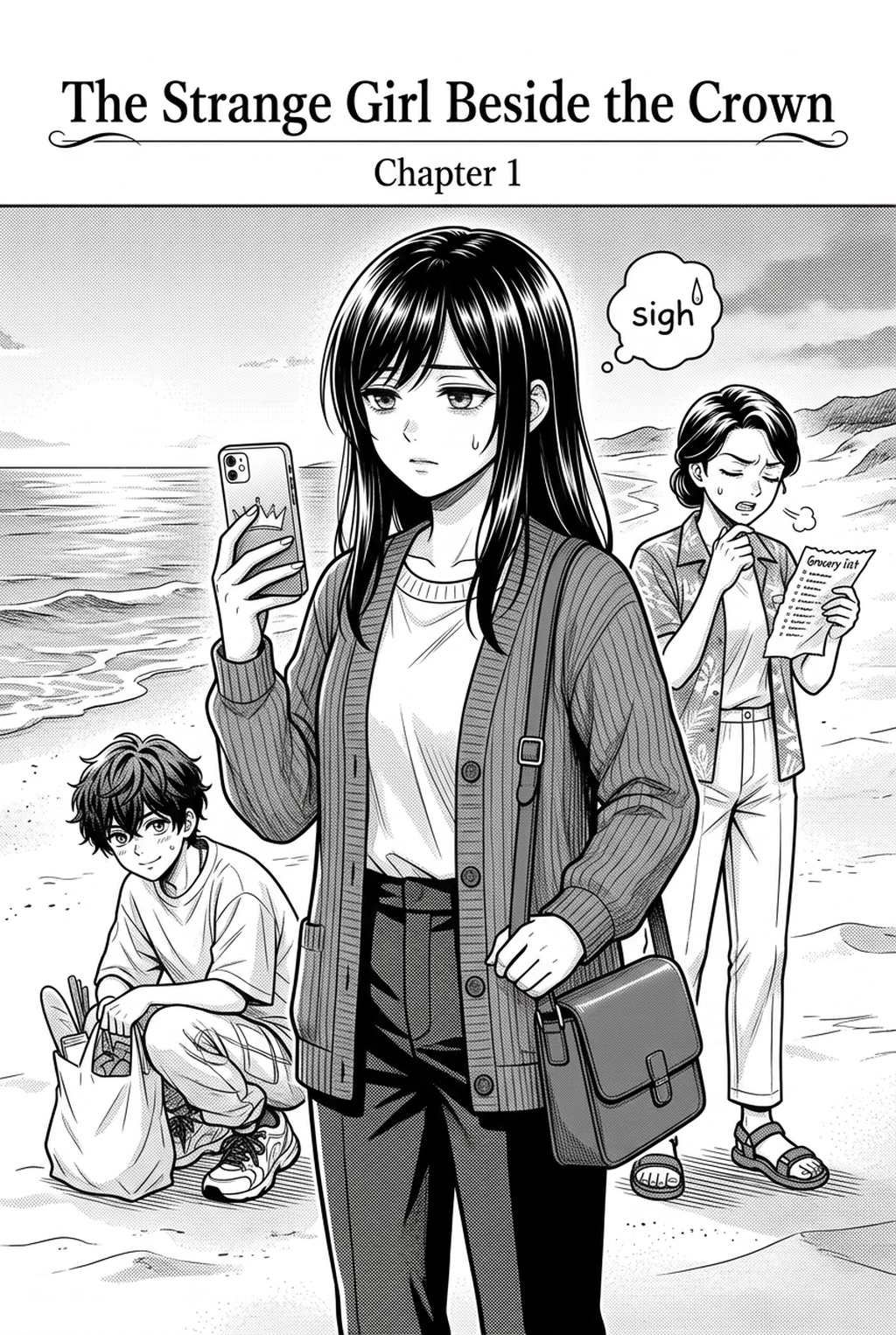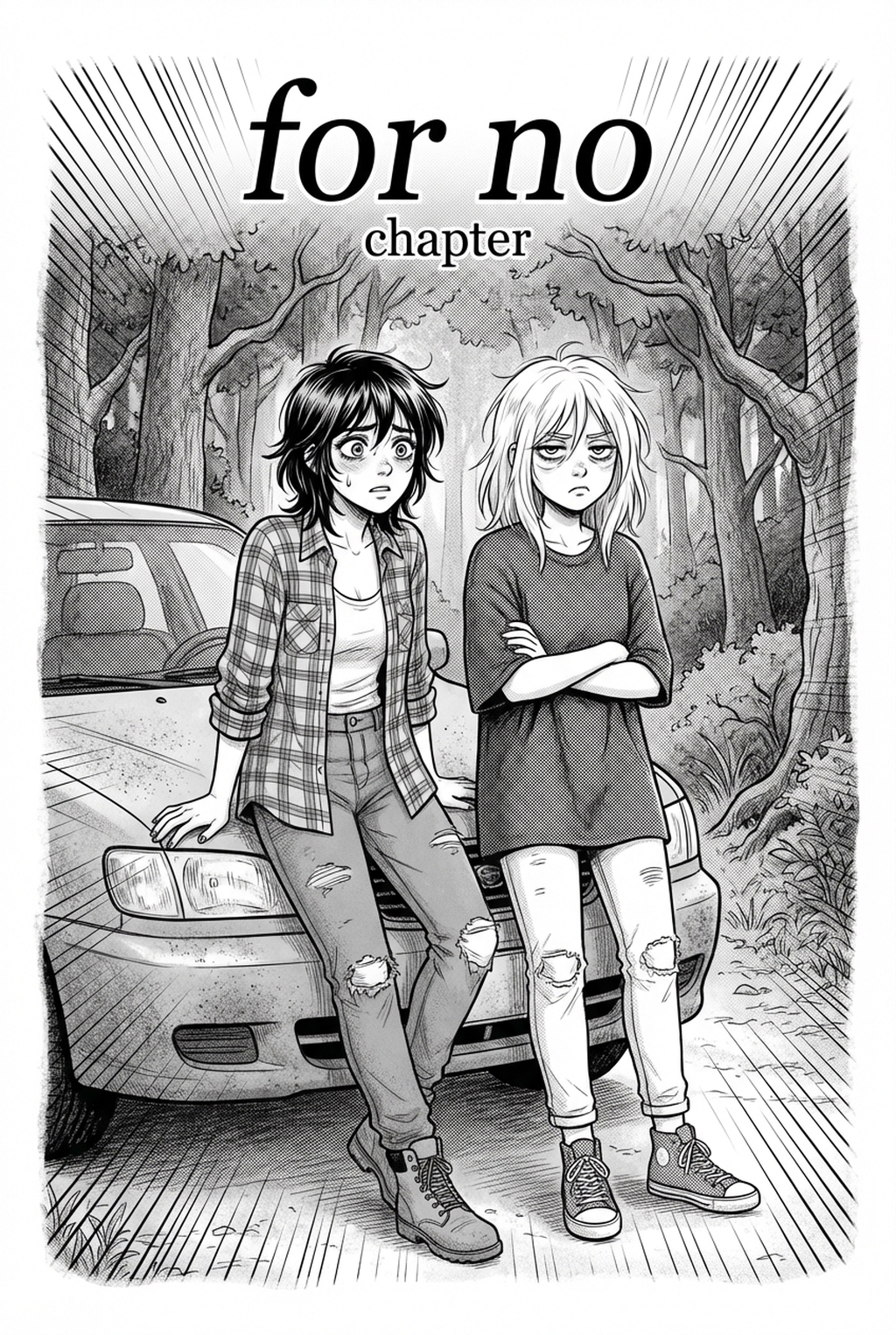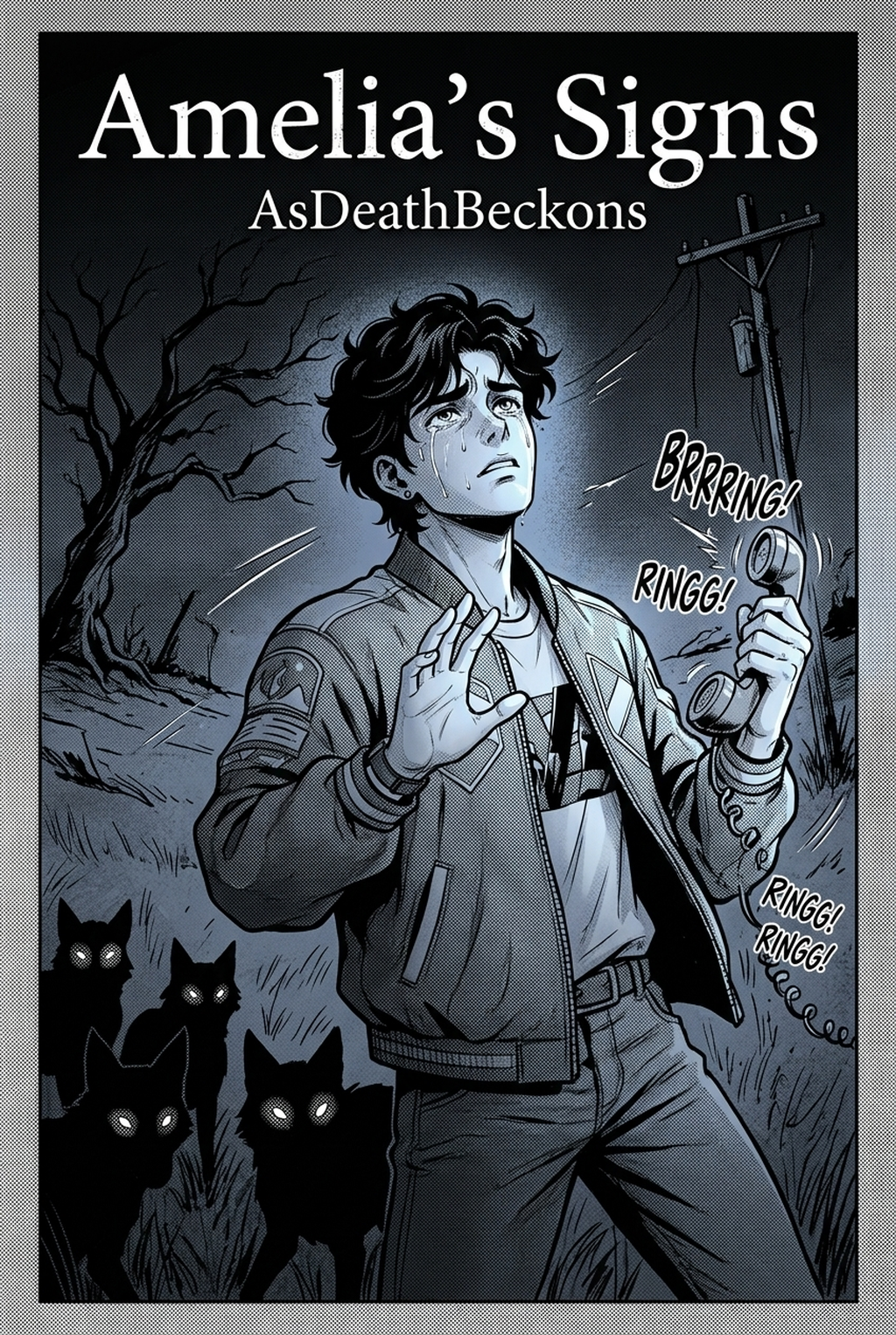
Nature of AI Manga Background Artist
Effective backgrounds serve as the physical vessel for kinetic energy, using spatial context to justify the force of a blow. Rather than treating an environment as a static prop, top-tier artists utilize extreme foreshortening and depth-of-field manipulation to force the reader’s perspective into the center of the fray.
- Focal Compression: Using tight, high-angle perspective shifts that pull the environment toward the moment of collision, preventing visual drift. * Vector Integration: Aligning the background’s architecture with the character’s speed lines to create a unified sense of momentum across the panel gutter. * Dynamic Debris: Placing floating objects or fractured stone shards along the trajectory path to provide the eye with a clear roadmap of the movement.
You must design these elements to support the narrative, not merely fill the frame. If your background is too detailed, the reader’s brain spends precious milliseconds decoding the room’s layout instead of feeling the impact of the action.
Importance for Action-Heavy Storytelling
For artists tasked with maintaining high-octane sequences across multiple chapters, the departure from standard architectural realism is necessary for survival. High-intensity choreography relies on kinetic layouts that emphasize urgency over perfect structural accuracy, which is where many creators fall behind their intended release schedule.
By scaling perspective lines to match the intensity of a character’s strike, you effectively simulate a camera shutter lag. This creates a subconscious reaction in the reader that the movement is too fast for the eye to track, forcing a focus on the primary subject of the blow.
Backgrounds that show the immediate destruction of the setting serve as a visual gauge for your character’s power level. A crumbling building or shattered floor in the background confirms the intensity of the scene, allowing the character’s expression to remain the primary focus while the environment does the heavy lifting of narrative exposition.
Strategic use of empty space in the background architecture creates a vacuum around the "hero moment" of an attack. This is a deliberate choice to let the action breathe, preventing the visual noise of a cluttered background from drowning out the primary character’s dynamic pose.
Automation of Complex Environmental Construction
Manga action scene backgrounds with Mangaka transforms the production workflow by allowing creators to translate dense scene descriptions into perspective-perfect backgrounds in mere seconds. By defining parameters like time of day, destruction levels, and the specific camera angle for your storyboard, you remove the tedious, multi-hour process of inking non-character elements while ensuring the background is ready for your page export.
The system excels at maintaining consistent line weights, which is the most common failure mode when blending hand-drawn characters with digital backgrounds. When you generate a background to fit your specific panel layout, the tool calculates the necessary perspective grid based on your camera angle, ensuring your characters don't look like they are floating on a separate, non-matching plane.
Instead of spending days on a single page, you can generate multiple environmental variations for a complex fight scene in minutes. Once you identify the most dynamic composition, you export the resulting line art as a high-resolution file to be integrated with your character layers.
Strategic Applications for Visual Impact
Integrating automated background generation allows you to pivot your human effort toward character expressions and crucial framing. When you are no longer manually drawing every brick, wood splinter, or cityscape detail, you gain the freedom to iterate through different compositional layouts to see which heightens the emotional weight of a specific encounter.
| Application Type | Primary Benefit | Workflow Impact |
|---|---|---|
| Iterative Layouts | Rapidly test composition | High speed, low resource waste |
| Style Synchronization | Matches character linework | Maintains visual consistency |
| Mass Destruction | Automates debris placement | Reduces inking overhead |
Using these tools for multiple layout options for a single scene ensures you aren't stuck with the first design you sketch. Testing three different camera angles before committing to a final panel layout can be the difference between a static image and a truly kinetic, memorable page.
Getting Started with Mangaka
Transitioning to an automated background workflow requires a shift in how you plan your pages. The most effective way to start is by identifying simple action panels in your current storyboards where the environment is currently a distraction or a bottleneck for your production speed.
- Consistency Maintenance: Always input your character's reference style or the specific line-weight settings used in your character sketches when defining the environment. * Debris Control: Use the description parameters to explicitly define the intensity of the environmental damage, such as "shattered glass" or "splintered concrete," to ensure the background reflects the combat's power scale. * Blending Techniques: Apply a slight blur filter to background elements that are far from the center of action to create a realistic depth-of-field effect that makes your foreground characters pop.
The goal of utilizing a tool like Mangaka is to offload the environmental technicalities that would otherwise drain your energy. By automating the construction of complex backgrounds, you reclaim valuable time for the storytelling elements that only you can provide.
The Bottom Line
Mastering the construction of action-focused environments is a balance of traditional perspective knowledge and modern, efficient production tooling. By offloading environmental technicalities to tools like Manga action scene backgrounds , you reclaim the time necessary to push your character-driven narrative forward. Start by testing AI-generated environments on simple action panels today to see how drastically they shift the energy and flow of your scene.
Related articles
Manga Storyboard Guide: Plan Your Narrative Flow (2026)
Mastering Manga Background Composition in 2026
How to Create Professional Manga Background Scenes Faster