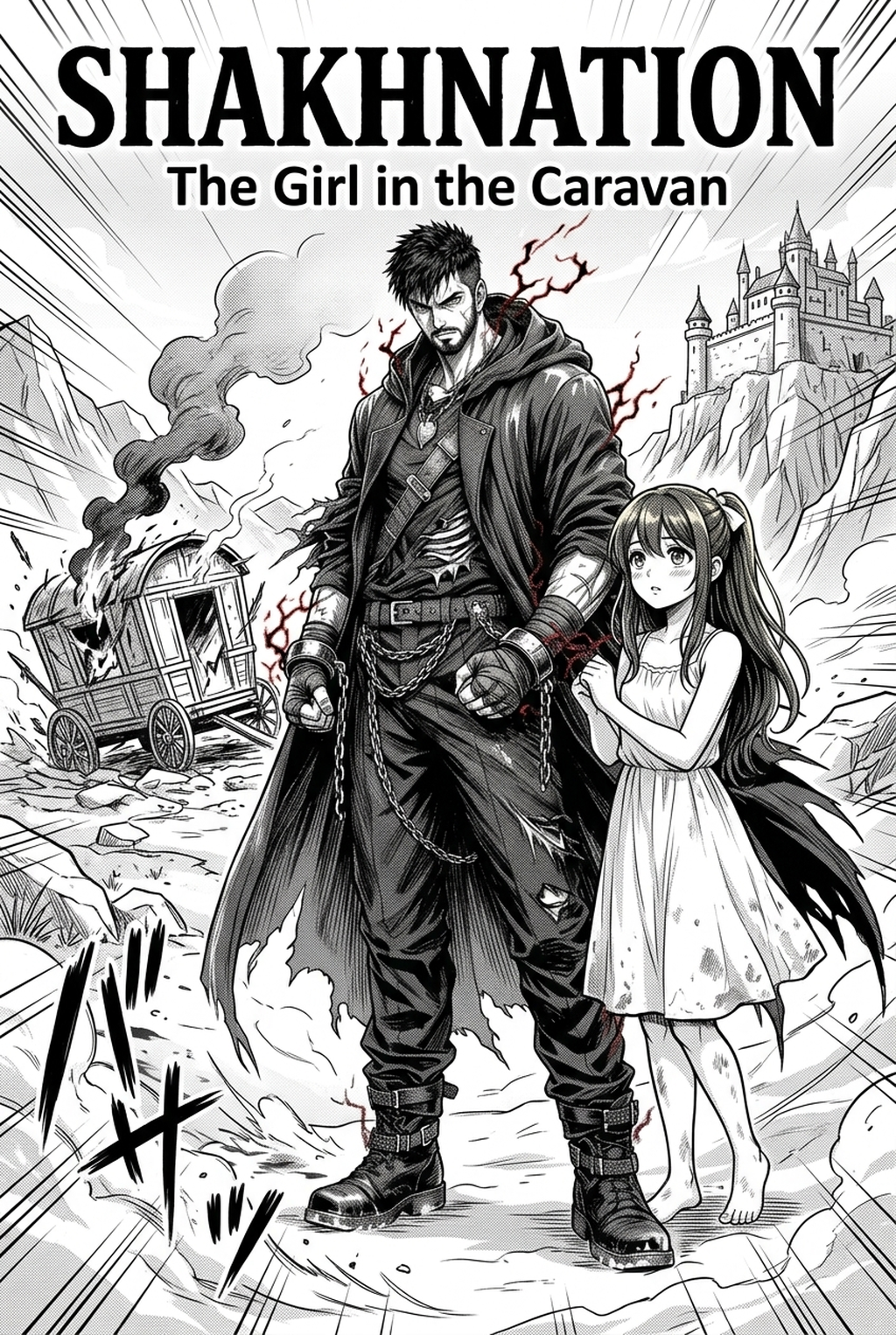
AI Manga Background Artist: Foundational Principles of Scene Architecture
Effective composition relies on the deliberate use of the Rule of Thirds and leading lines to anchor the character within the environment. By placing structural focal points along these grid intersections, you prevent the eye from wandering aimlessly across the panel, ensuring that the reader understands the physical geography of the scene without needing extra narrative boxes.
Controlling the depth of field is essential to keep the reader focused on the action rather than the architecture. Use high-detail line work for immediate foreground elements where the character is interacting with objects, and transition to looser, motion-blurred lines for peripheral scenery or deep background structures.
Spatial awareness is maintained through consistent vanishing points that act as the backbone for every panel in a sequence. If a 10-panel action sequence on page 14 lacks a shared perspective baseline, your readers will experience a subtle feeling of "wrongness" that breaks their immersion, regardless of how well-rendered the characters appear.
Why Composition Matters for Visual Storytelling
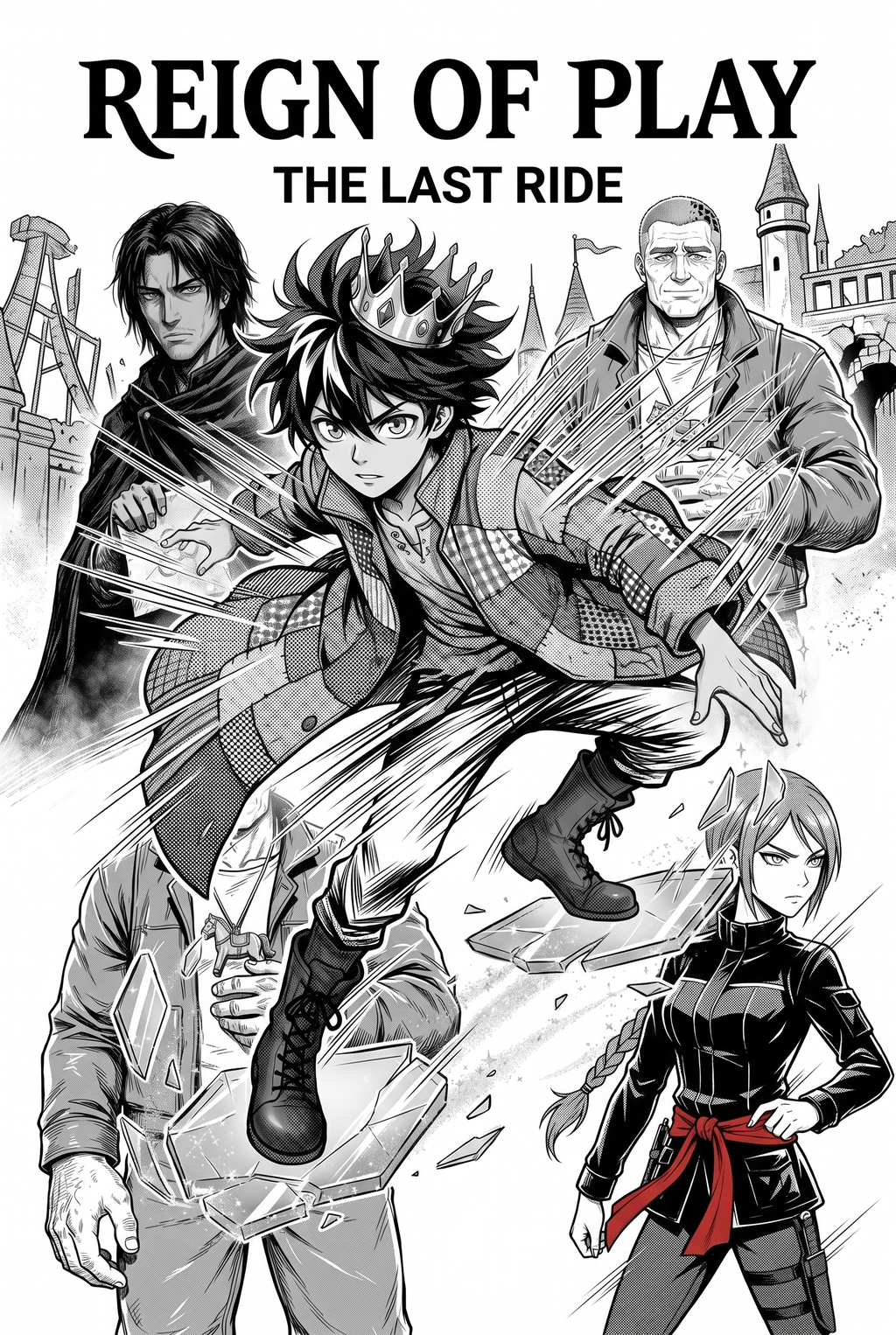
In high-stakes Shonen titles, dynamic, high-angle shots are used to emphasize movement and the raw scale of the power system, whereas Seinen often prioritizes grounded, atmospheric detail for psychological depth. A well-composed scene acts as a stage, framing the character’s internal struggle against the backdrop of their specific world.
Poor composition creates 'visual noise' that forces the reader to stop and decipher the space, effectively breaking the immersion of the story. When background hatching competes with character hair textures or line art, the viewer loses track of the narrative flow, turning a fluid read into a tedious exercise in deciphering cluttered panels.
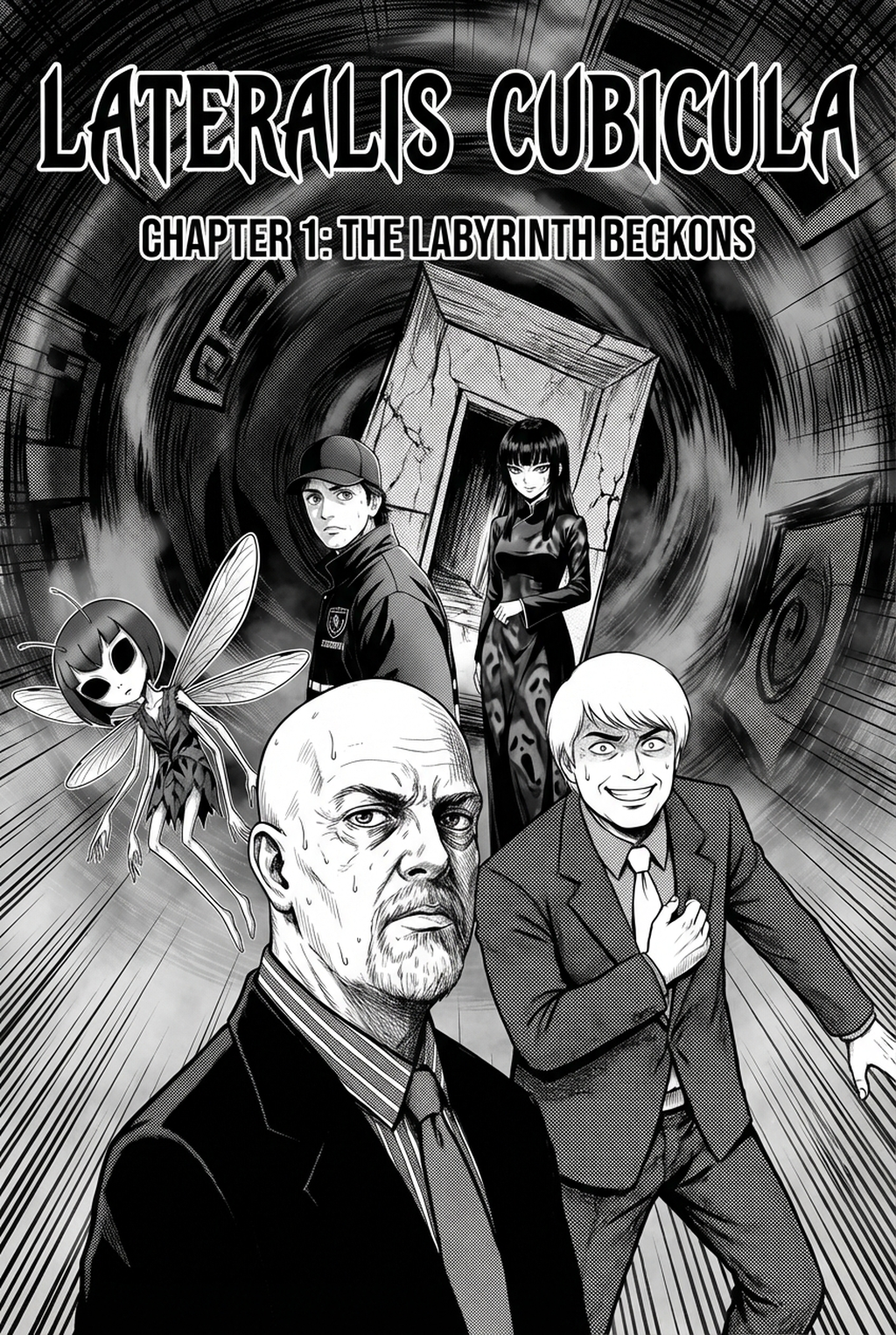
Strategic use of negative space in backgrounds prevents page crowding, keeping the focus squarely on the character’s reaction and dialogue. By leaving areas of the panel empty or using simple gradients instead of complex architecture, you provide a necessary 'visual pause' that makes the subsequent, high-detail action panel hit with significantly more impact.
How Mangaka Simplifies Your Layout Process
AI-driven tools allow creators to generate perspective-perfect backgrounds from simple text descriptions, bypassing hours of manual ruler work that often leads to hand fatigue. By inputting a precise description of the scene—such as "cramped, dimly lit apartment with stacks of manga volumes and a single window showing rain"—you establish the source context immediately.
Integration of AI into your workflow means you can match lighting and tone across disparate panels, ensuring visual consistency throughout a chapter. When you generate a consistent base, you maintain the same architectural style and ink density, which eliminates the common issue of background drift where buildings or landscapes change shape between panels.
By automating the 'source context' of the environment, you dedicate more 'review owner' time to final character inking and emotional panel impact. Instead of spending five hours drafting the perspective lines for a city street, you spend that time perfecting the character's eye line or adding micro-details to their costume, knowing the background is already technically sound.
Practical Use Cases for Automated Backgrounds
Mangaka provides an AI-powered interface that translates descriptive scene inputs into high-quality manga backgrounds, eliminating the need for manual sketch layouts. The tool handles complex elements like architecture, nature, and interior design, applying a manga-style halftone or ink aesthetic automatically to match your personal output.
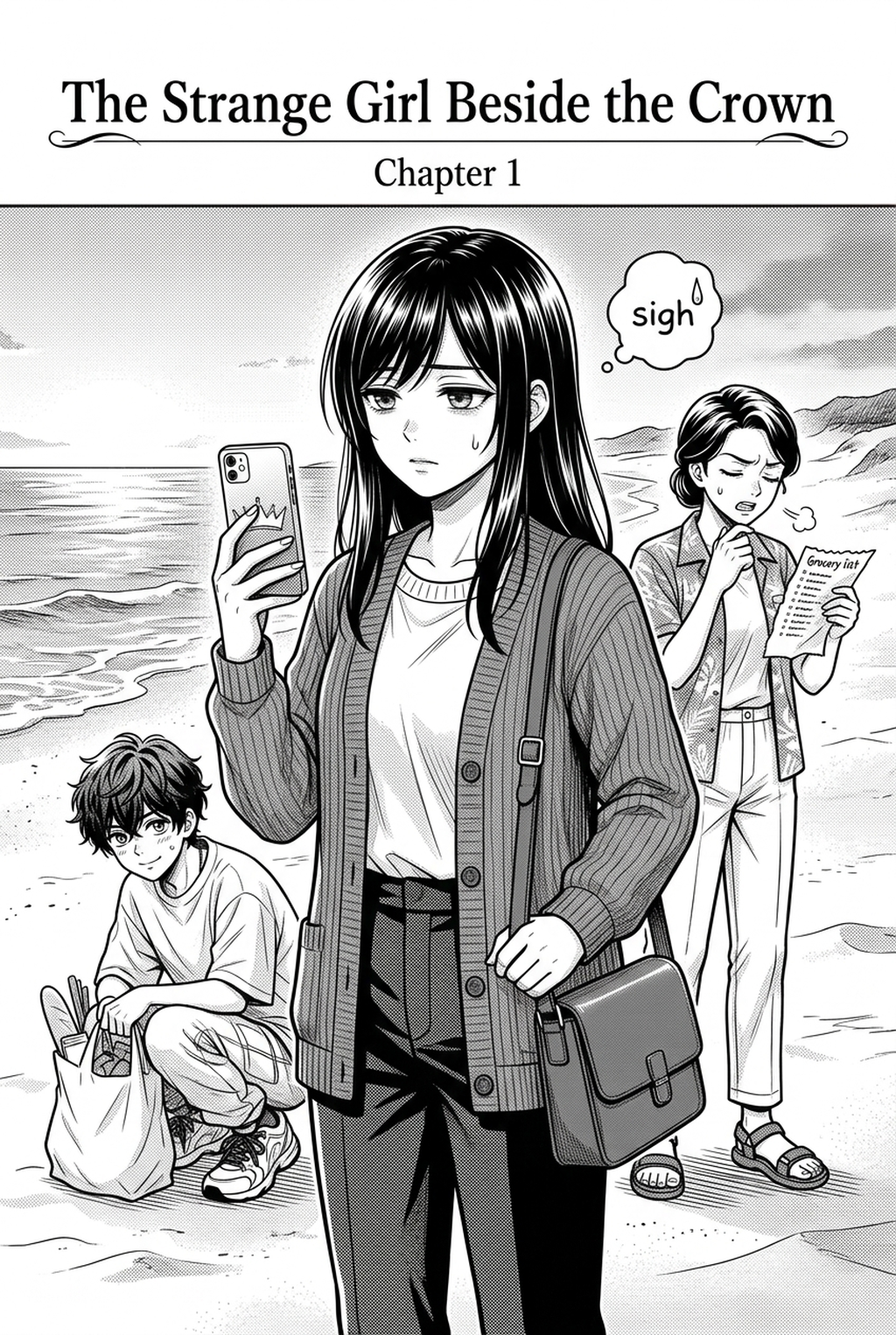
- Intricate Architecture: Generate detailed cityscapes or fantasy castle interiors while defining the specific vanishing point to match your character's eye level. * Natural Landscapes: Create expansive forest or mountain scenes that follow the rule of thirds, leaving clear negative space for your character's primary reaction or dialogue bubbles. * Interior Design: Populate a character's room with clutter and specific props, ensuring the layout reinforces the character's personality rather than just acting as filler.
You maintain total control over the composition by iterating on descriptions, ensuring the final image fits the specific delivery format of your storyboard. If the background feels too dominant for a particular emotional beat, you can simply adjust the creative brief to reduce the complexity or darken the line work, keeping your creative intent front and center.
Essential Strategies for Getting Started
Q: Can AI-generated backgrounds handle multiple vanishing points? A: Yes, advanced tools like Mangaka are trained on architectural datasets that calculate complex perspective automatically, allowing for three-point or isometric views that are notoriously difficult to draft by hand.
Q: Does using AI for backgrounds make a manga feel generic? A: Not if you use custom creative briefs to inject the specific architectural style and mood required by your unique world-building; the key is to treat the AI as an assistant that follows your design brief.
Q: How do I blend AI backgrounds with hand-drawn characters? A: By adjusting the line-weight settings and filtering the AI output to match the grit and brush style of your character inking, you can achieve a seamless transition between your characters and their world.
Q: Is it possible to use these backgrounds for high-resolution print? A: Absolutely, because the system exports at high DPI, you can integrate these backgrounds into your final production workflow alongside your high-res character layers, ensuring the finished page maintains maximum fidelity.
Creators can evaluate manga background composition with Mangaka mid-workflow when they need the product path tied directly to review, refinement, and export. A real test should use the same sketch, character goal, or panel sequence that would otherwise need manual cleanup after generation.
The Bottom Line
Manga background composition is the bridge between a character and their world, requiring a mix of artistic intent and technical precision. Leveraging AI tools allows indie creators to match professional-grade background quality without sacrificing the time required for character development. Focusing on narrative-led composition rather than manual perspective drafting is the key to faster, more immersive production. To refine your pages and eliminate the hours spent on tedious background drafting, manga background composition and see how it fits your specific style and delivery format.
Related articles
How to Create Professional Manga Background Scenes Faster
Automate Your Manga Inking: Instant Clean Line Art for 2026
How to Create a Dynamic Manga Action Scene Background 2026