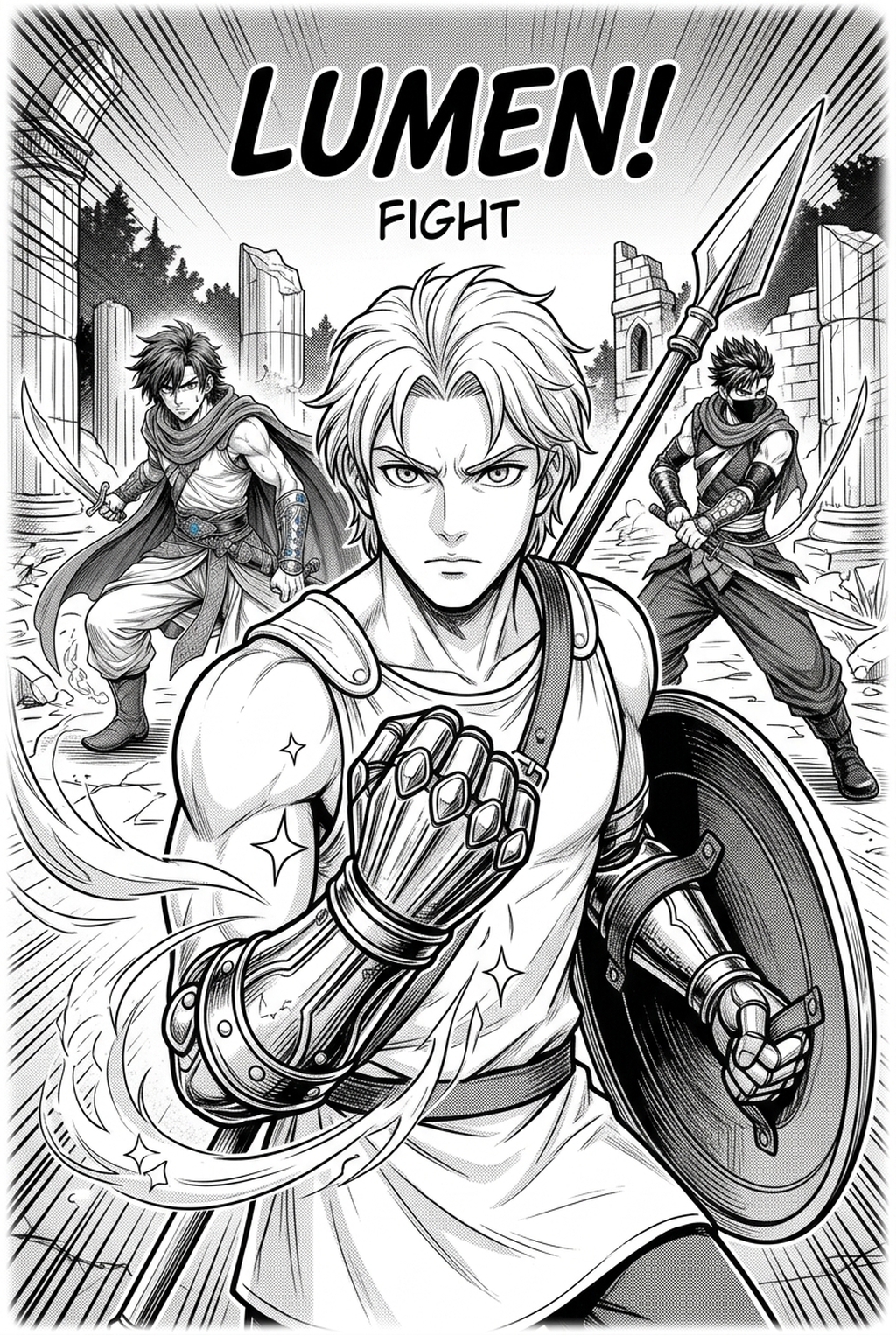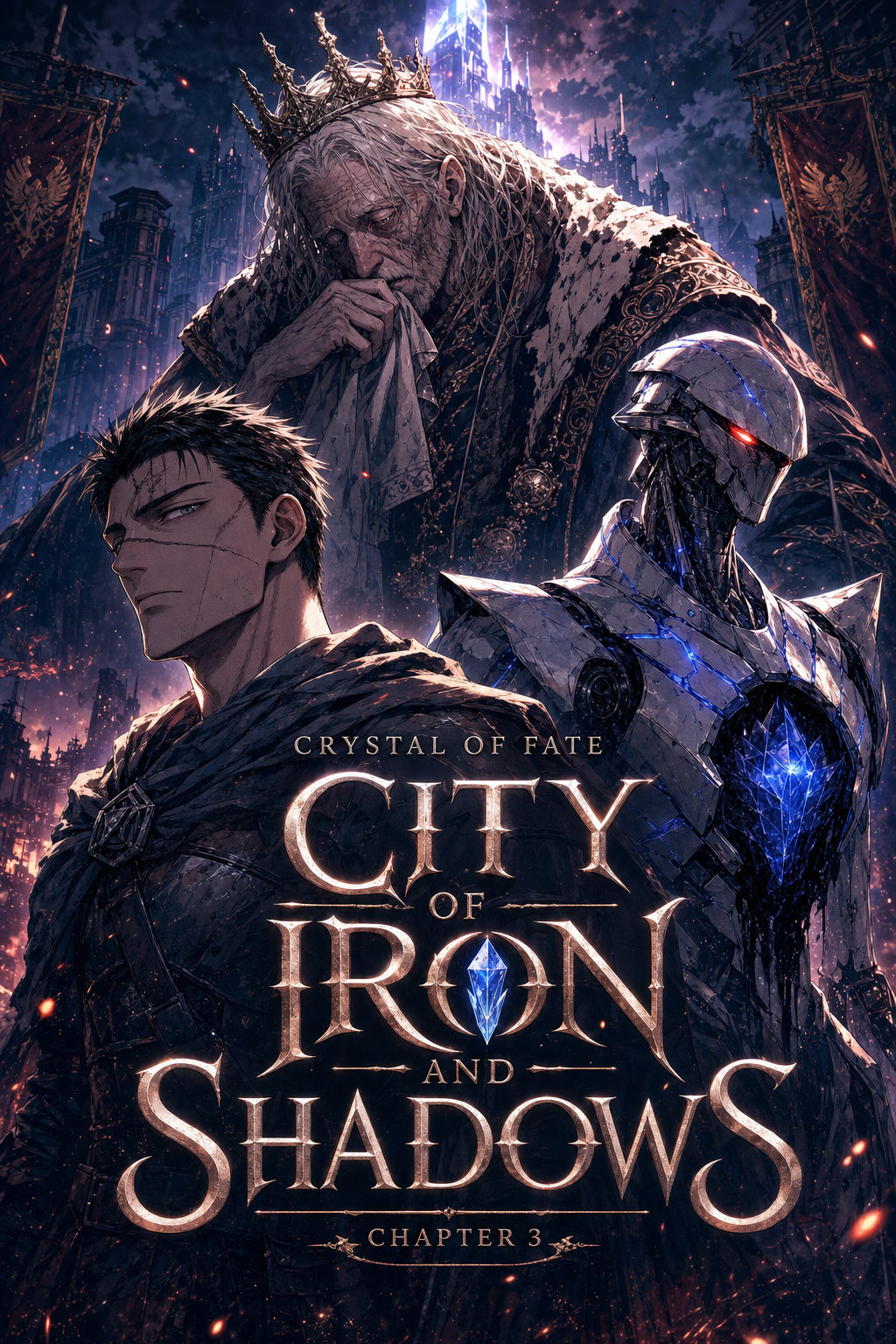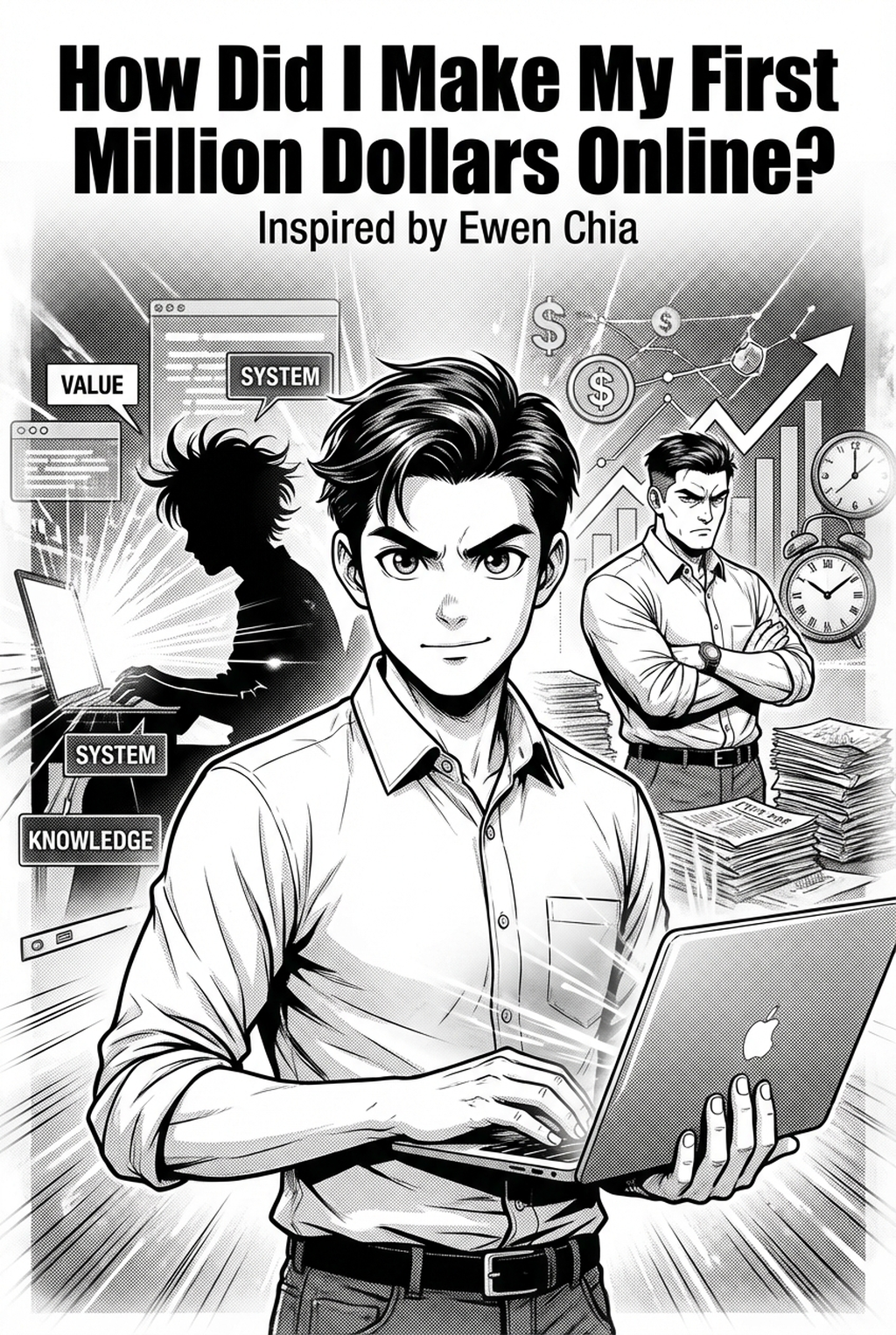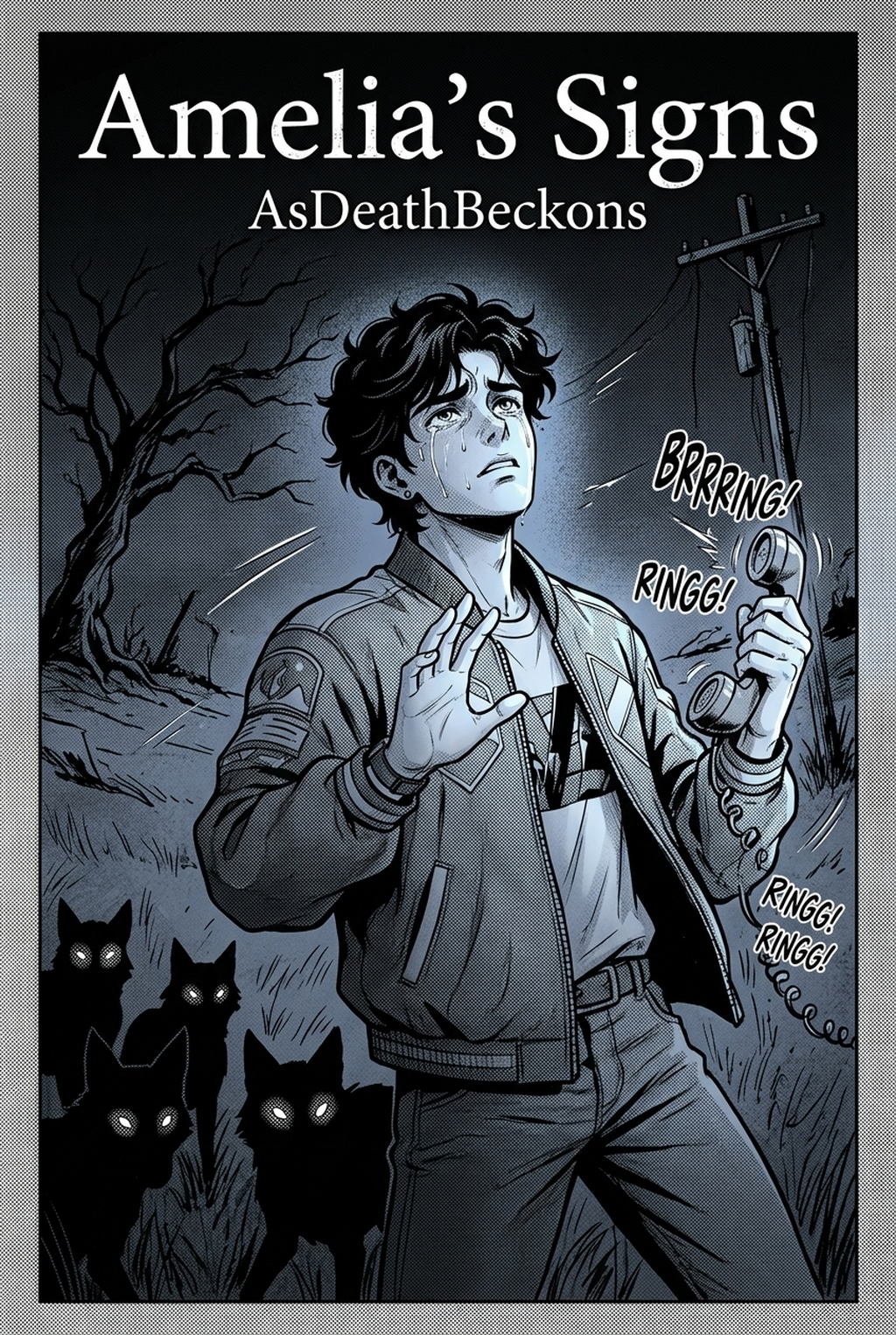
What Is Manga Background Scenes?
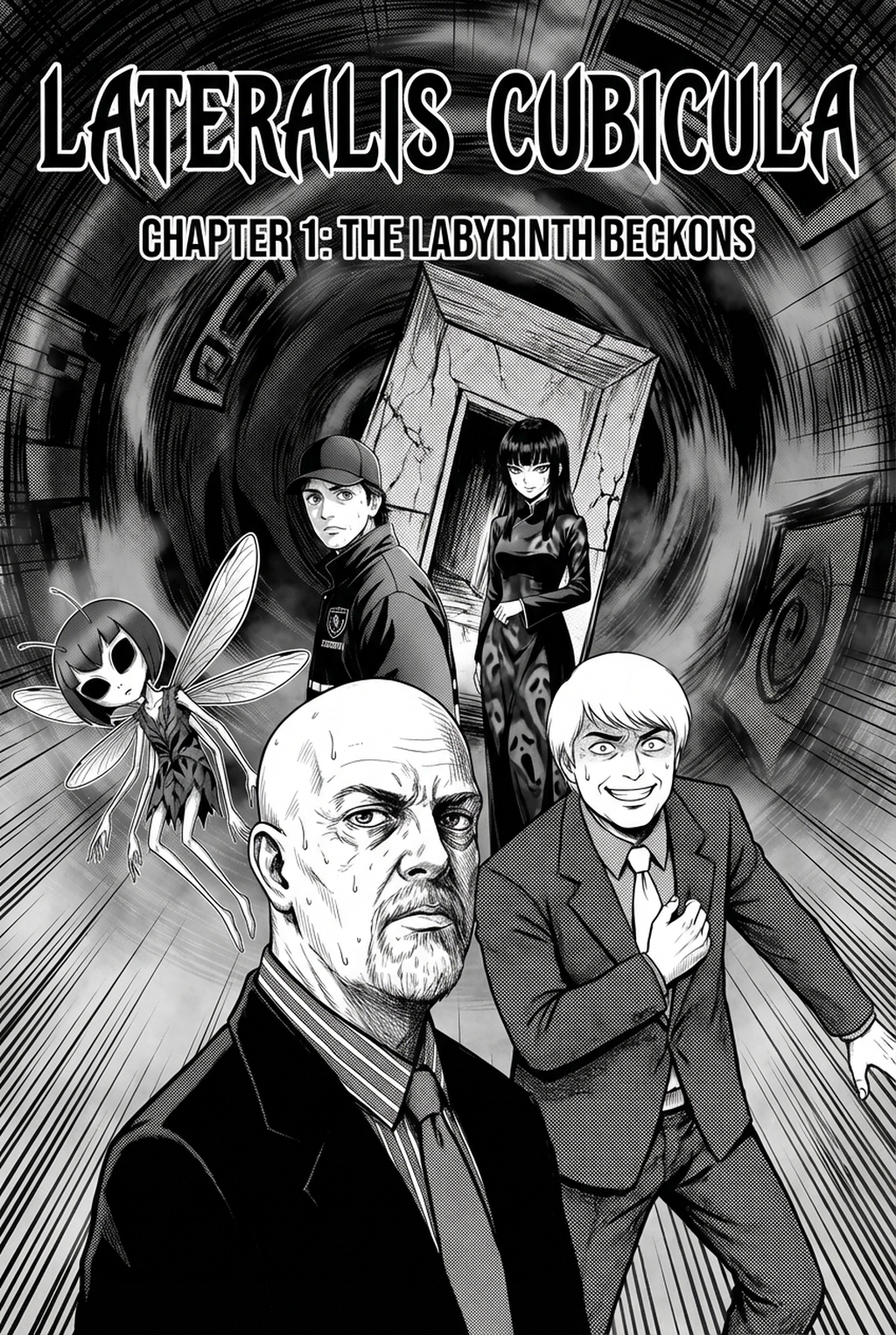
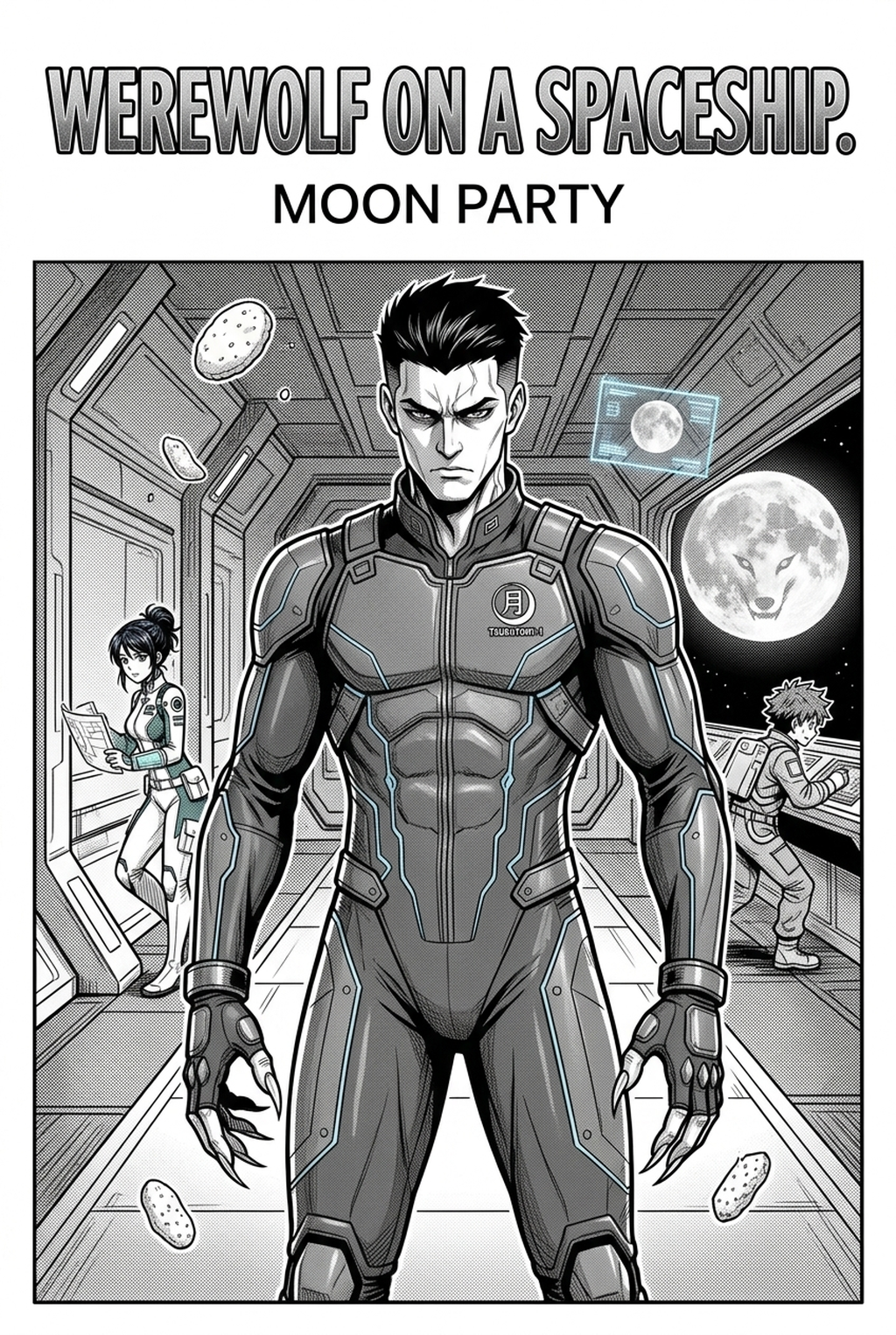
Effective background design relies on achieving a delicate balance between high-detail perspective and visual readability. When a background is too busy, it competes with your character’s silhouette, forcing the reader’s eye away from the primary narrative action.
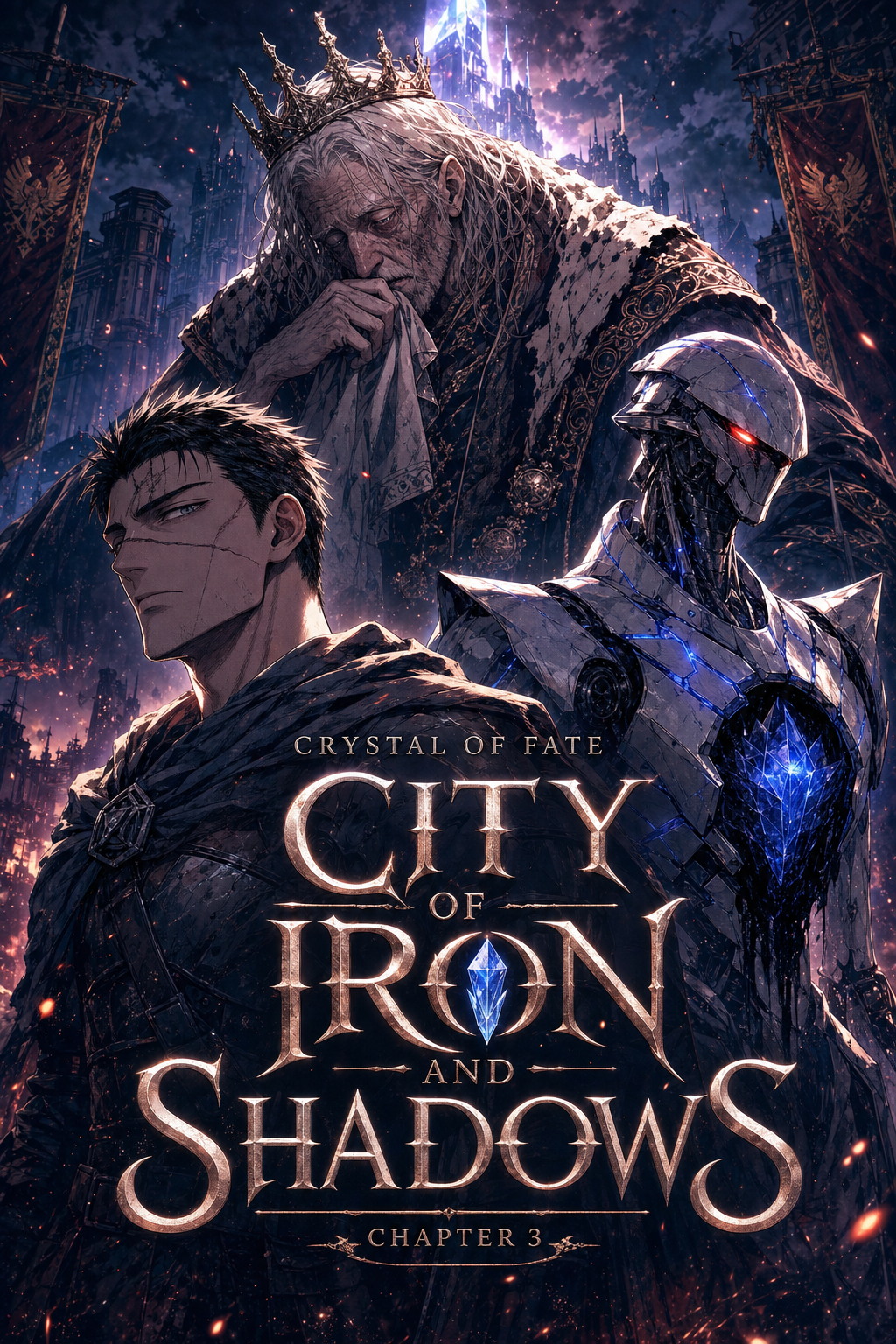
- Layered Visual Density: Proper manga pages utilize distinct foreground, mid-ground, and background layers to create a sense of scale, often requiring intricate hand-drawn hatching that eats into your weekly release schedule. * Genre-Specific Accuracy: Whether you are depicting the gritty, industrial decay of a Seinen work or the sweeping, clean lines of a high-fantasy palace, the architectural vocabulary must match the tone of your script.
Why AI Manga Background Artist Matters for Manga Creators
Environments function as the primary narrative framework that grounds your reader in the world, often communicating vital plot information without using a single dialogue bubble. This keeps the review focused on story intent, line weight, panel readability, and the export quality behind the final AI Manga Background Artist output.
- Non-Verbal Exposition: A cluttered, disorganized shop background can visually convey a protagonist's poverty or chaos far more effectively than descriptive exposition panels, saving you space for character interaction. * Immersive Hook: Professional-grade environmental art acts as the initial visual hook in a serialized chapter, setting the mood and emotional tension for the scenes to follow. * Serial Continuity: High-quality background assets differentiate serialized professional manga from hobbyist sketches, establishing a sense of authority and permanence in your world-building.
How Manga Background Scenes Works with Mangaka
Mangaka solves the problem of 'blank page' syndrome by allowing you to generate perspective-correct environments directly from your scene descriptions. This process removes the heavy technical burden of setting up complex geometric grids and manually inking every stone or beam.
Seamless Integration into Your Workflow. By integrating manga background scenes into your standard production process, you regain the freedom to focus on character acting and panel pacing. The platform provides specific training models designed to mimic traditional pen-and-ink aesthetics, ensuring your generated assets integrate perfectly with your hand-drawn character layers.
When you define a scene—for example, a "cramped, rain-slicked Tokyo alleyway at night with high-contrast shadows"—the tool handles the perspective math. This allows you to generate high-resolution PNG exports that match your specific page resolution, such as a 600dpi B4-sized file, without needing to clean up perspective distortion errors or realign speech bubbles afterward.
Use Cases for AI Manga Background Artist
To maintain visual cohesion, you should implement a standardized style parameter across all environmental assets within a single chapter. This prevents the "patchwork" effect where different panels feel like they belong to different artists, which is a common failure mode when using disjointed reference images.
- Tone Matching: Utilize scene tags that define specific lighting conditions, such as "harsh moonlight," "overcast noon," or "dappled forest shade," to ensure every panel in a sequence shares a unified atmosphere. * Scale Verification: Always check the focal length of generated environments against your character anatomy in the sketch phase to avoid perspective "clashing," where a character appears to be floating in front of a background that lacks a consistent horizon line. * Workflow Efficiency: For a 20-page chapter, you can pre-generate your core environmental hubs to define the setting, then only draft custom "hero" panels where the architecture interacts directly with the character, significantly reducing your total inking time.
How to Get Started with Mangaka
Creators often ask if these tools can truly handle the intricacies of traditional work. While it is true that you must define your style inputs clearly, the technology allows you to automate the technical grind while retaining full control over the creative output.
- Character Readability: To ensure backgrounds don't distract from your characters, use the tool’s density adjustment features to soften or "blur" background line-work in panels where character expressions take precedence. * Screentone Integration: Many creators worry about whether AI can replicate traditional screentone techniques; modern models now allow you to export assets that mimic the dot-density and noise patterns of classic manga paper, making them ready for immediate use in digital and print formats. * Publication Readiness: Because you generate high-resolution output directly, these assets are ready for immediate export into your layout software of choice, bypassing the need for manual scanning or heavy post-process cleanup.
- Before Export. Creators should compare the generated line art with the original sketch and confirm that facial expressions, props, speed lines, and speech-bubble space still support the scene. A repeatable review pass should cover character consistency, panel readability, background clarity, and whether the final file is ready for coloring, lettering, or editor feedback.
- For Longer Projects. Creators should save approved examples of line weight, face detail, clothing folds, and background density. Those references keep later chapters closer to the intended style. For collaboration, creators should mark which panels are final and which panels still need redraws. Clear status labels prevent an assistant, editor, or colorist from polishing the wrong version.
- For Publishing. Creators should review the page at the actual reading size before export. Small screens expose crowded dialogue, weak silhouettes, and line details that looked fine while zoomed in. Creators can use each revision decision to clarify panel readability, character consistency, and export quality before publishing or sharing.
The Bottom Line
Modern manga production demands a rigorous balance between artistic integrity and the speed required to sustain a regular, successful release schedule. By offloading the technical burden of perspective drafting and architectural construction, you reclaim the creative freedom to focus on the story-driven aspects of your work. If you are ready to scale your production capabilities without expanding your team, you can manga background scenes and see how it streamlines your next chapter today.
Related articles
Automate Your Manga Inking: Instant Clean Line Art for 2026
How to Create a Dynamic Manga Action Scene Background 2026
Mastering Manga Background Art: A Guide for Solo Creators