AI Manga Style Transfer: Characteristics of the Grand Blue Visual Language
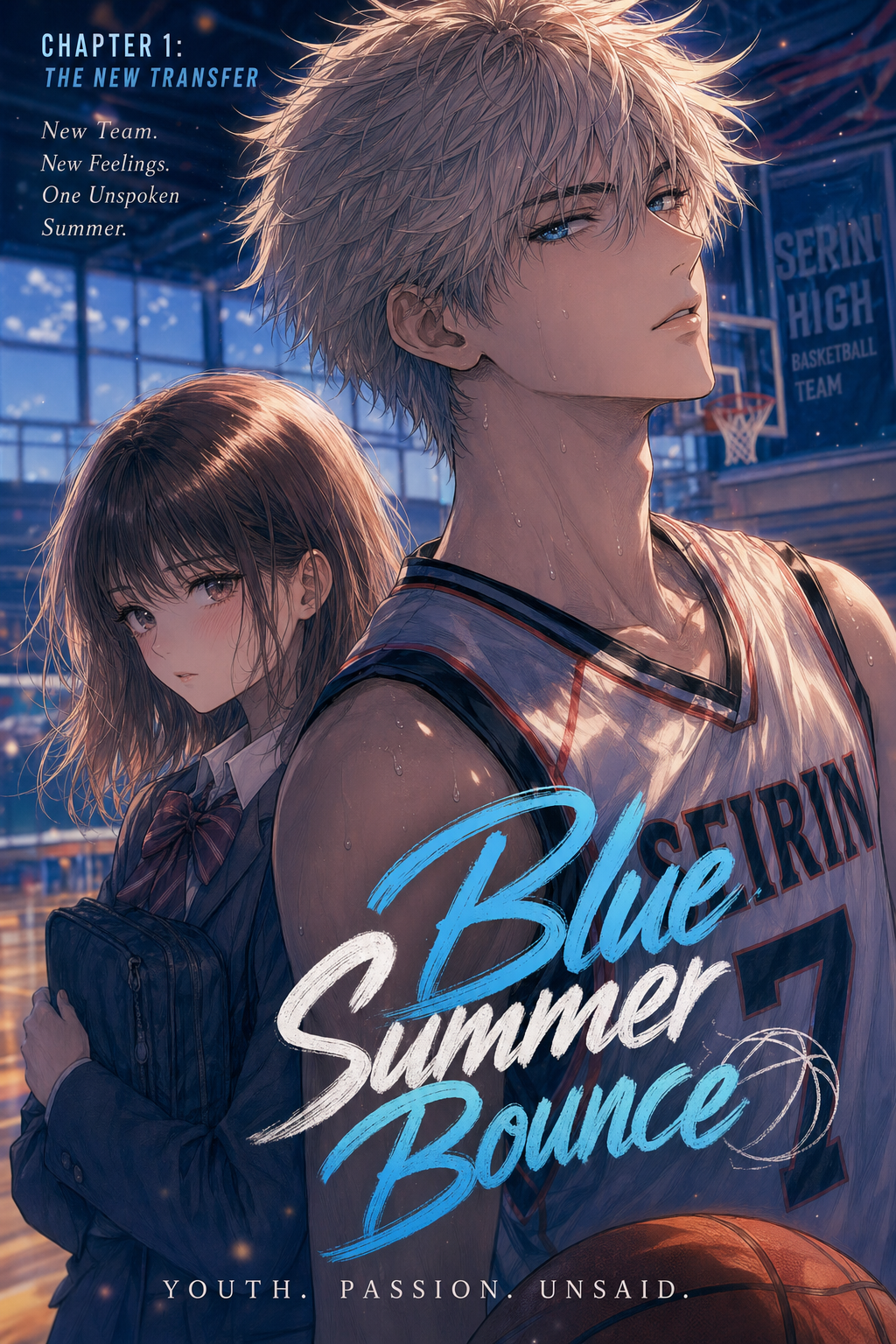
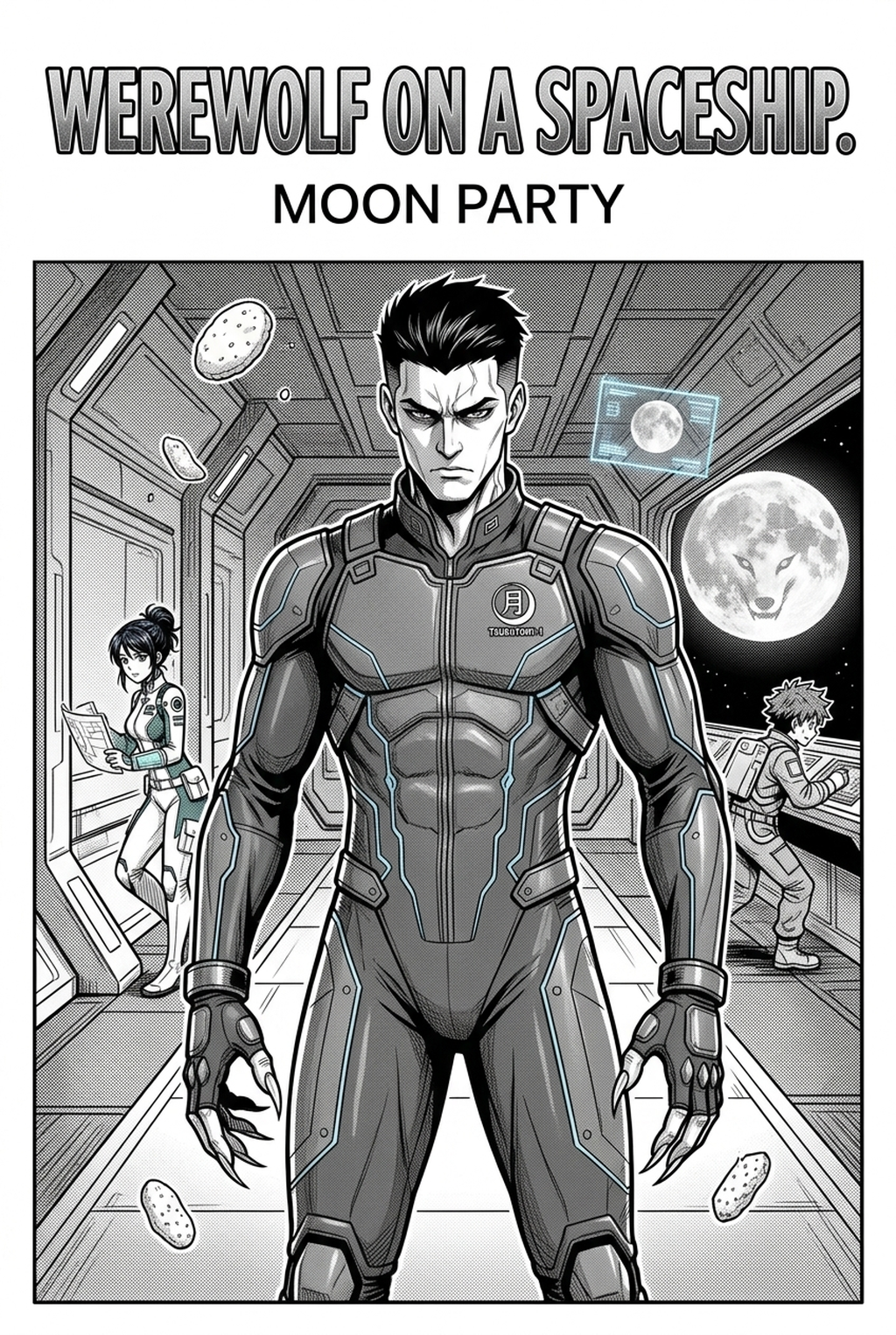
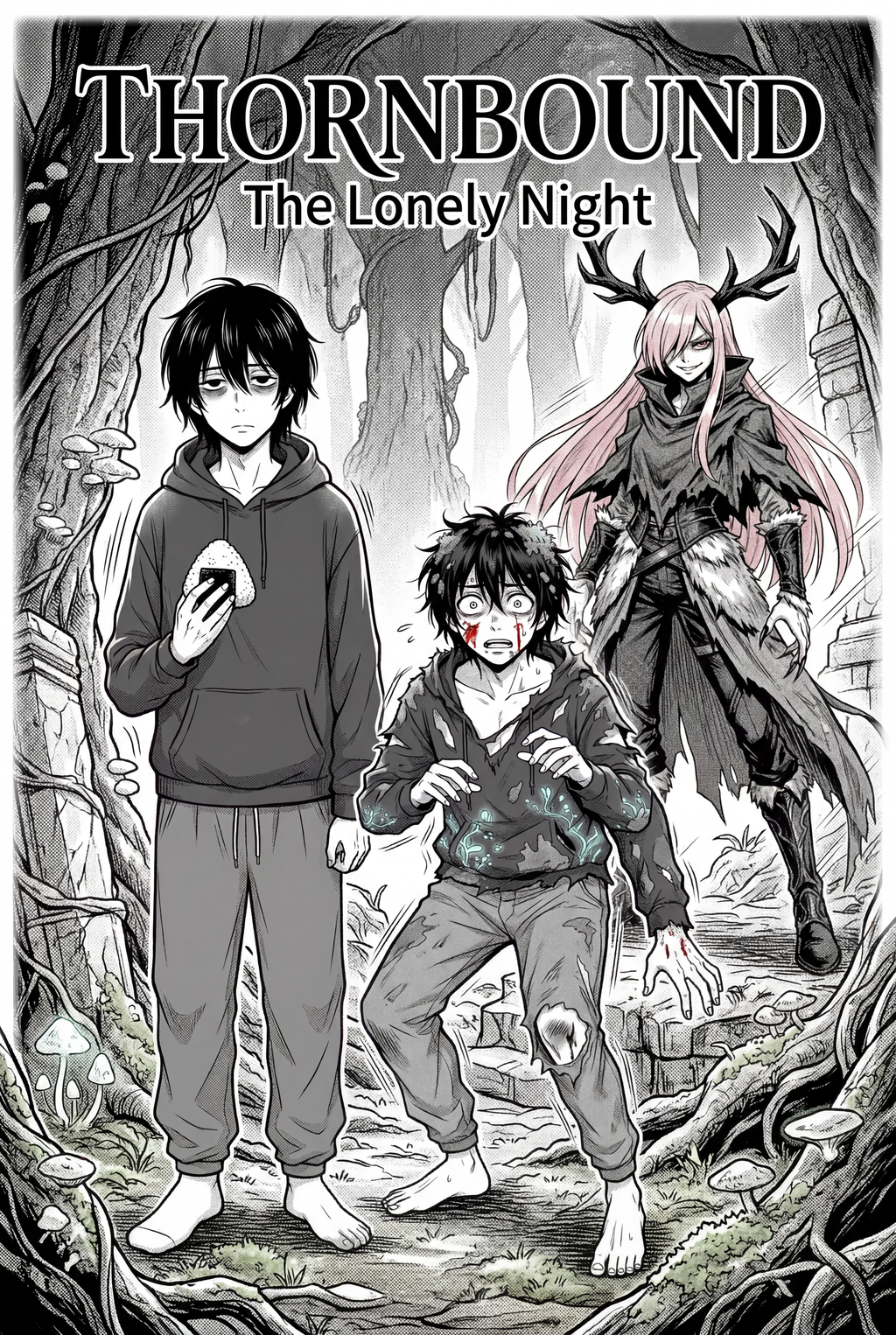
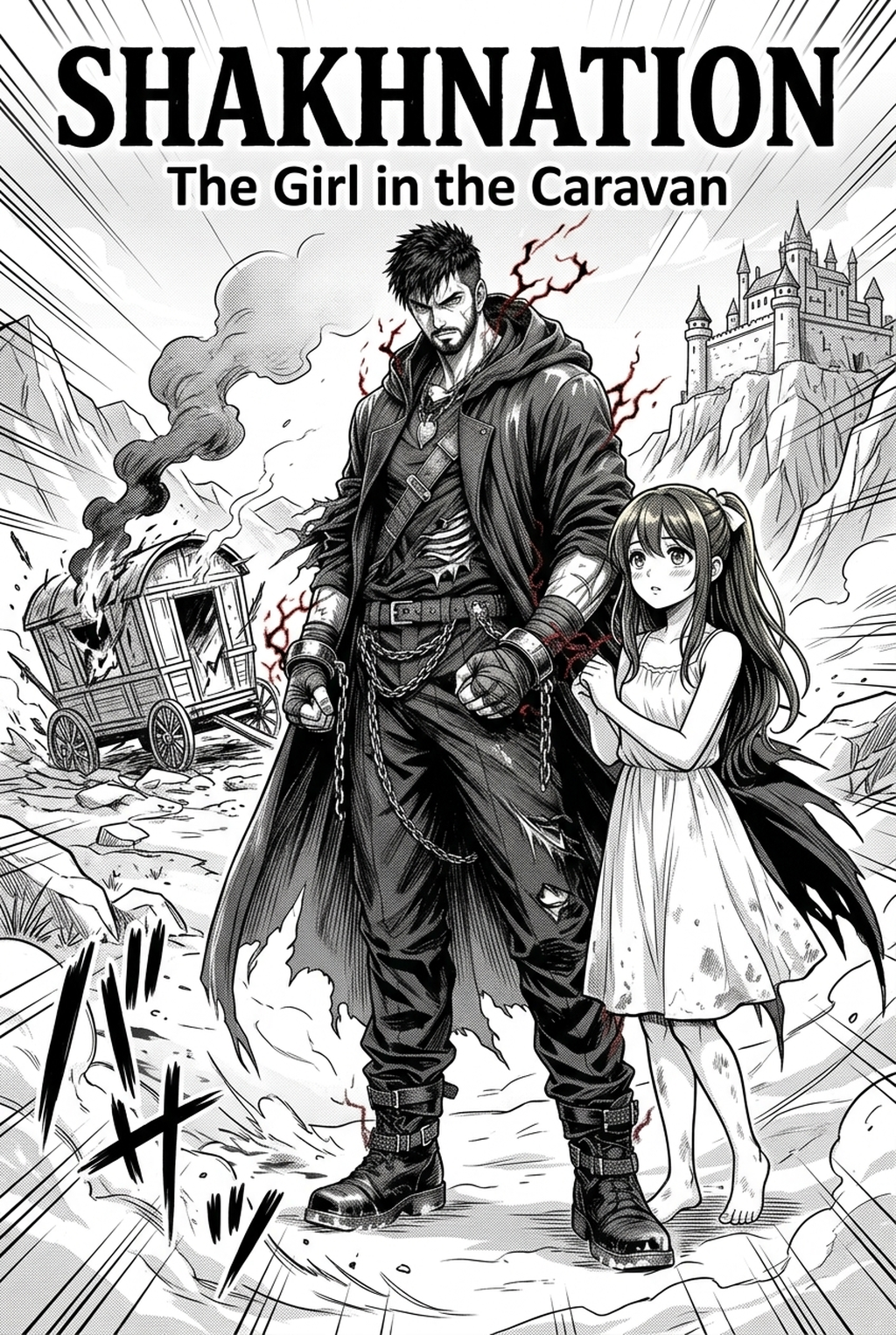
This style functions primarily through the sharp contrast between two distinct modes of execution: high-fidelity character linework for "cool" atmospheric moments and thick, sketchy markers for comedic reaction faces. The visual rhythm depends on the abrupt transition between hyper-detailed background elements—such as water refraction or oceanic textures—and flat-shaded, grotesque panels that signal the start of a comedic beat.
When the narrative shifts to diving or dramatic character beats, the line weight drops to a refined, thin scale that emphasizes anatomy and serene environments. This discipline ensures that the audience recognizes the character's "serious" mode, which makes the inevitable, sudden descent into chaotic slapstick more impactful for the reader.
Comedic panels in this series utilize heavy, rough-edged ink brushes that contrast with the thinner, more stable lines used in the remainder of the page. You must ensure that these extreme expressions—often characterized by wide-mouthed, sunken-eyed designs—maintain the character’s basic proportions so they remain recognizable even during the most grotesque moments.
Importance for Modern Seinen Comedy Creators
Mastering this stylistic dichotomy is essential for anyone aiming to control visual pacing in modern Seinen comedy. The Contrast-as-Comedy" technique relies on the audience identifying the art style shift as an immediate narrative cue; if your transitions between serious and comedic art are too muddy, the timing of your punchlines will fail to land effectively.
Applying these stylistic shifts consistently throughout a chapter prevents visual monotony, which is a common failure in long-form series where character designs often become static. By using the transition to signal emotional resets, you help the audience navigate complex scene changes without needing extra dialogue or exposition to clarify the change in tone.
Implementation of Style Transfer Workflows
Mangaka bridges the gap between your initial rough sketches and the polished, high-detail finish required for a professional look. By utilizing Grand Blue manga art style with Mangaka technology, you can bypass the tedious, manual re-inking process that often causes line-weight drift, allowing you to spend more time refining the specific, exaggerated expressions that define your series.
You can upload your rough layout sketches into the dashboard to generate clean, high-fidelity lines that match the specific aesthetic of the target genre. The model identifies your primary linework and clarifies it, ensuring that your background details retain their structural integrity while your characters receive the necessary polish.
Because the tool preserves the original input's composition, you can avoid the common frustration of losing character consistency or proportion during the final rendering phase. This allows for a more fluid creative process where the focus remains on the storytelling and the visual timing rather than the labor-intensive act of manual inking for every single reaction panel.
Common Application Scenarios
Effective use of this aesthetic requires balancing serene background depth with the sudden chaos of comedic tropes. When crafting a scene, you might find that while the environment demands soft gradients, your characters need to switch to high-contrast, bold-line expressions that demand the reader's immediate attention.
You should focus on preserving your high-detail background art while using the platform’s parameters to push character expressions toward exaggerated, grotesque tropes. This creates a visually arresting page where the contrast itself becomes a primary storytelling tool. Check character consistency, panel readability, line quality, and export readiness before publishing. Creators should also record why the page passed review, which panel details still need manual cleanup, and which export format the next collaborator will use. That makes the subsection useful instead of leaving a short checklist under a large heading.
Using the platform’s character-specific reference features, you can ensure your protagonist remains recognizable even when their face is distorted into a comedic expression. Without these consistency markers, an artist might accidentally create a design that looks like a different person entirely, which destroys the reader's suspension of disbelief.
Initiating Your Creative Workflow
To begin, you should upload your existing storyboards or layout drafts directly into the project dashboard. By selecting the 'Seinen/Comedy' preset and refining your results with specific descriptive creative briefs, you can achieve the exact line-weight balance required to mimic the professional appearance of industry-standard manga.
- Storyboard Upload: Import your initial sketches as PNG or PSD files to begin the rendering process. * Style Selection: Choose the appropriate genre preset to lock in the baseline line-weight and shading preferences. * Iterative Refinement: Use descriptive text inputs to adjust the intensity of comedic distortions in specific, non-serious panels. * Export Verification: Check your final output for consistent line density, ensuring it meets the required resolution for professional distribution.
Creators should compare the generated line art with the original sketch and confirm that facial expressions, props, speed lines, and speech-bubble space still support the scene. A repeatable review pass should cover character consistency, panel readability, background clarity, and whether the final file is ready for coloring, lettering, or editor feedback. For longer projects, creators should save approved examples of line weight, face detail, clothing folds, and background density. Those references keep later chapters closer to the intended style.
The Bottom Line
Mastering the AI Manga Style Transfer workflow requires a disciplined approach to the contrast between serene, high-fidelity environments and sharp, comedic character distortions. By using Grand Blue manga art style to automate the heavy lifting of re-inking and style transfer, you can scale this complex aesthetic across entire chapters without sacrificing the quality of your source context. Focusing your efforts on the visual timing and narrative structure, rather than repetitive ink work, ensures your comedy lands with maximum impact while maintaining the professional polish your readers expect.
Related articles
Mastering the Fairy Tale Manga Art Style: A 2026 Guide
Creating an Immersive Gourmet Manga Background: 2026 Guide
Automate Your Action Manga Inking with Mangaka AI in 2026