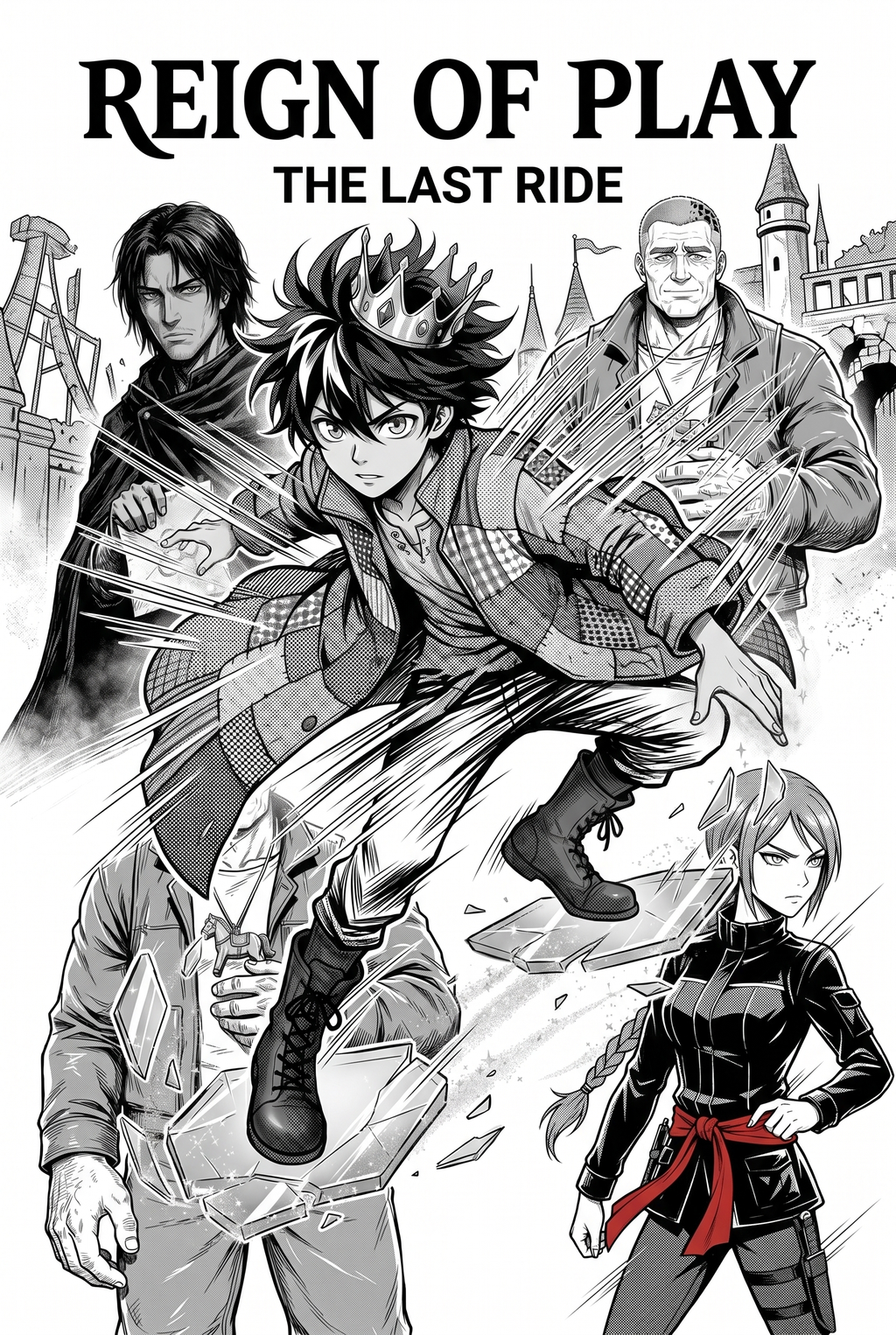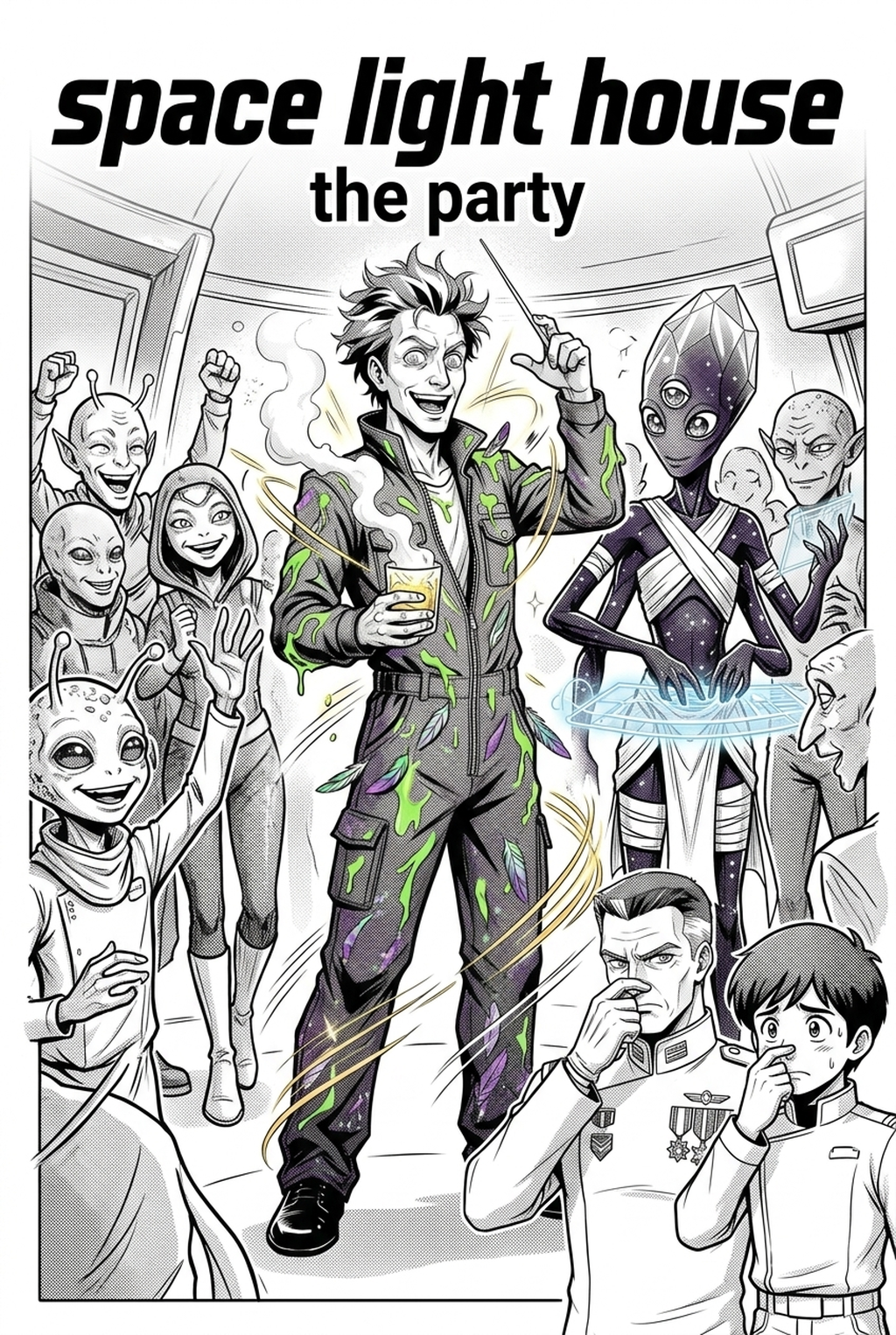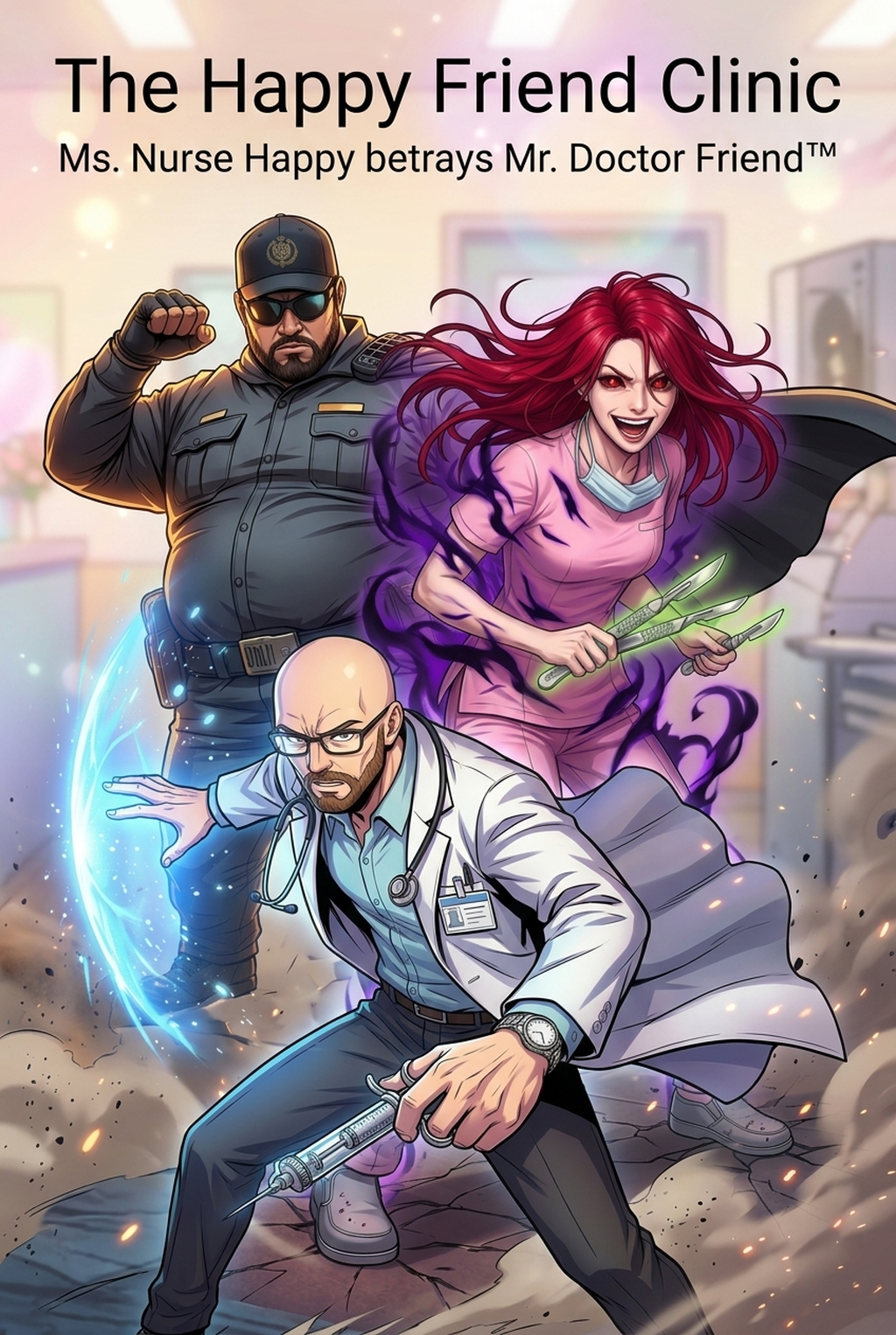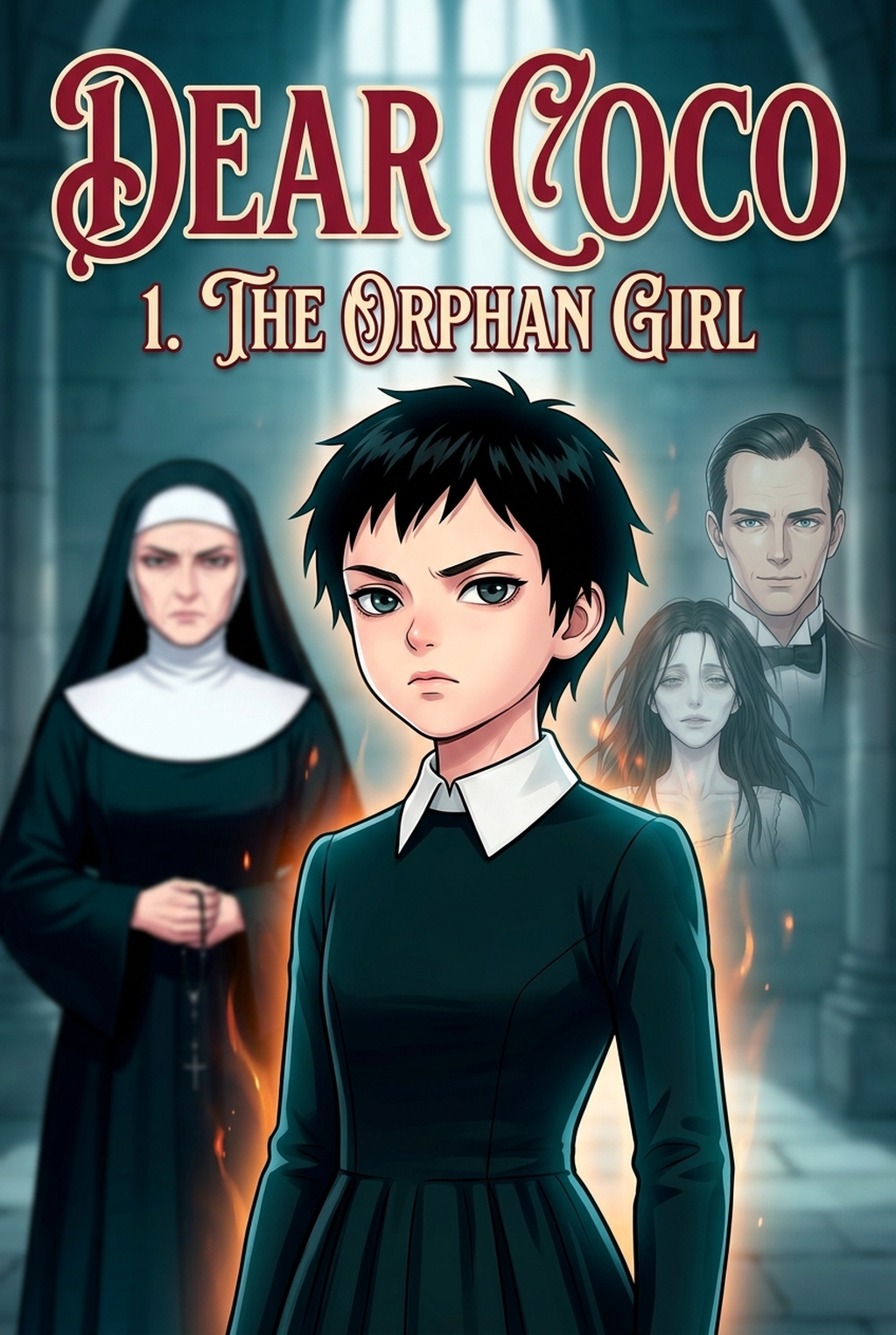
Understanding the AI Manga Style Transfer
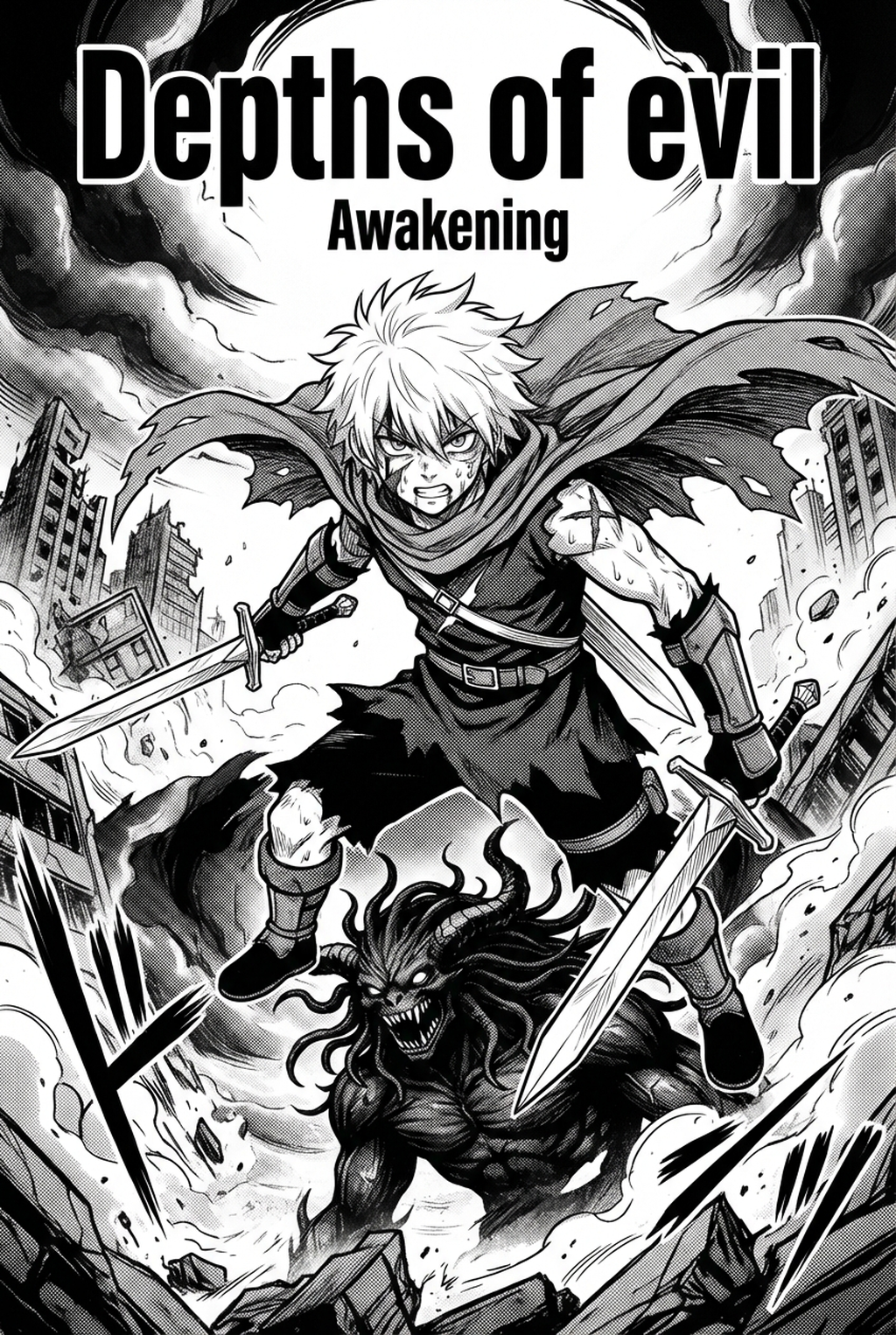
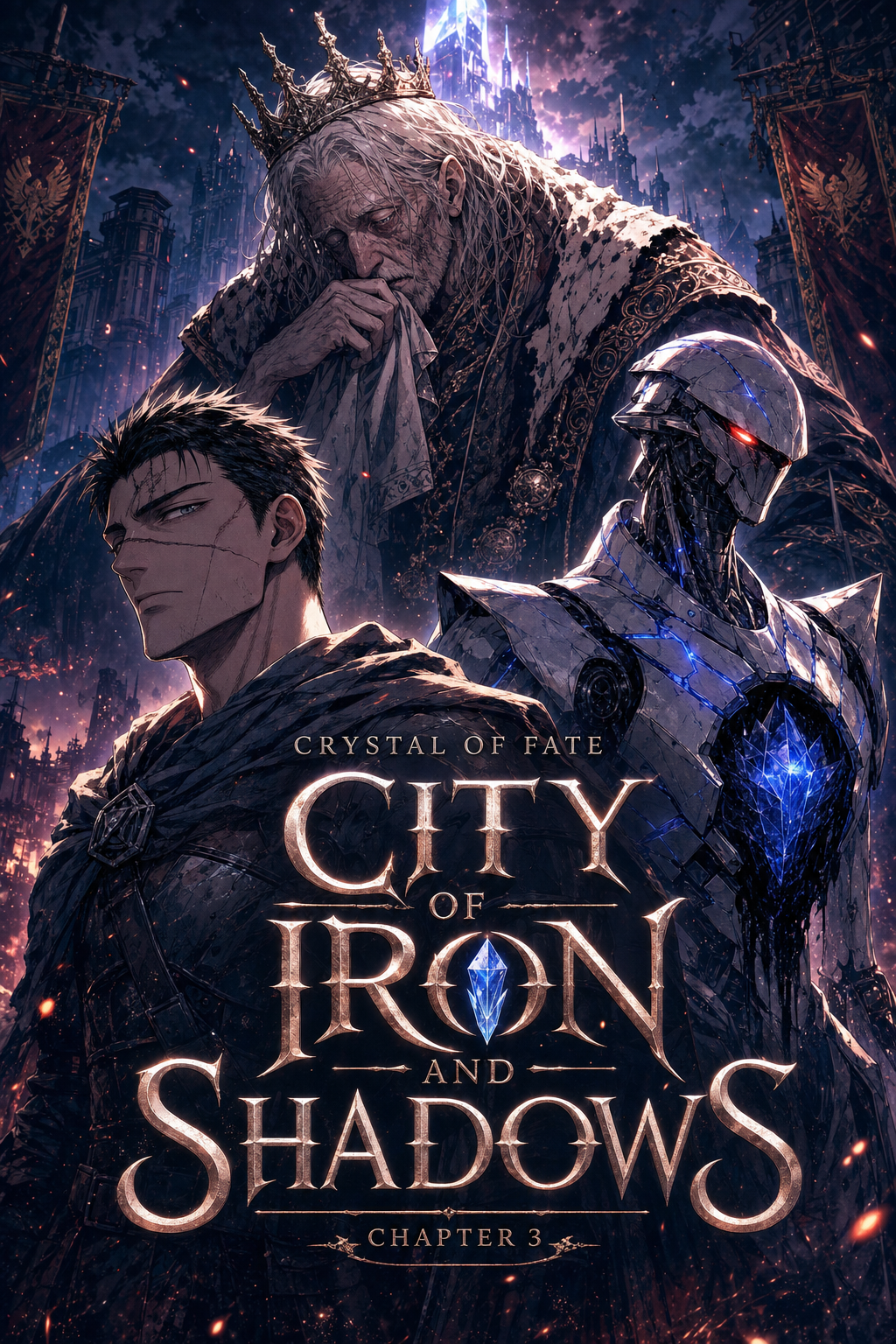
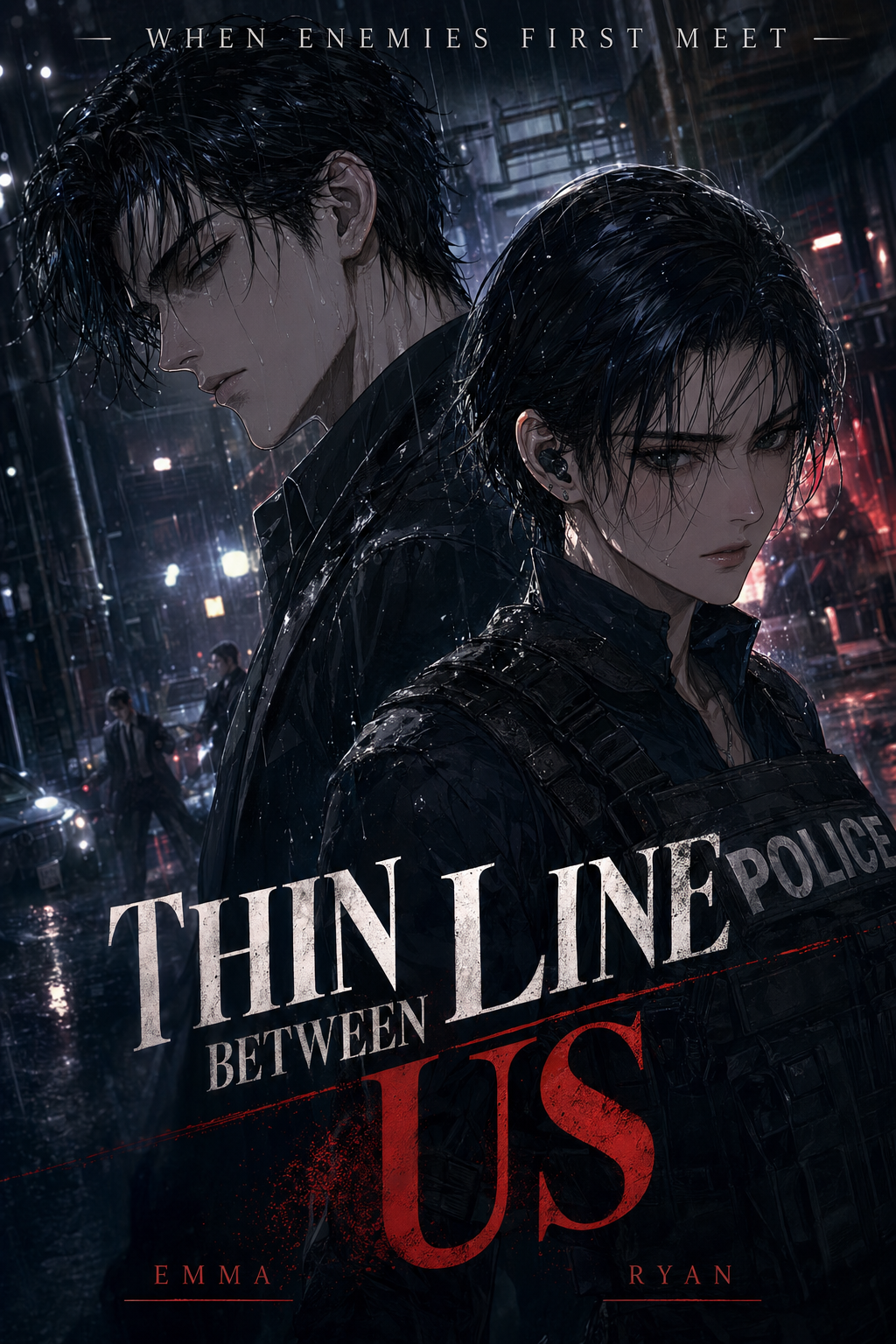
The Manchuria Opium Squad art style relies on deliberate chiaroscuro and rough, charcoal-like textures to build a world defined by its moral ambiguity and historical weight. This look breaks away from the clean, geometric lines of Shonen manga, opting instead for heavy shadow-weighting on character eyes and faces to convey hidden motives and internal conflict.
- Shadow distribution: Focuses on deep, high-contrast black fills that push character features into dramatic silhouette, creating a sense of immediate tension. * Atmospheric blurring: Employs environmental gradients that soften background elements, forcing the reader to fixate on the focal character in the foreground. * Detailed cross-hatching: Replaces simple flat-shading with complex, intersecting line-work that mimics the grit of weathered paper and period-appropriate degradation.
Modern Seinen manga requires a specific balance between movement and stillness, where the Manchuria aesthetic thrives in long-form serialized layouts. By emphasizing sharp-angled action beats, creators can maintain visual intensity even in non-combat scenes, ensuring that the heavy ink-weight remains consistent across hundreds of page sequences.
Why This Aesthetic Defines Period Grit
Adopting a specific historical visual cue serves as an immediate anchor for reader immersion, effectively communicating the setting’s danger without relying on exposition. When you master these specific visual markers, you reduce the time required for scene-setting, as the environment's gritty tone naturally complements the characters’ moral ambiguity.
The use of 'low-key lighting' is the defining trait of this crime-drama look, allowing creators to hide character motivations in shadow until the exact moment of narrative revelation. This technique provides a stark contrast to the clean-line, high-key style favored in typical hero-driven manga, making it an essential tool for mature, complex character studies.
Serialized manga lives or dies by character consistency, especially when scenes rely on heavy, layered shading that typically risks becoming messy or muddy over time. Utilizing a structured approach to your shadows ensures that even during high-paced production cycles, your character anatomy remains intact while the surrounding ink-density stays uniform.
How the Manchuria Opium Squad Art Style Works with Mangaka
Mangaka bridges the gap between rough, initial storyboards and high-fidelity, publication-ready panels by mapping your base anatomy onto the specific gritty textures of this style. You do not need to manually labor over every cross-hatched stroke, as the system intelligently interprets your sketch’s intent to apply professional-grade shading.
The AI produces higher quality results when your original inputs feature bold, high-contrast anatomy that defines the boundaries of your shadows. When you submit a rough sketch, prioritize clear line separation between the figure and the background; this allows the AI to better distinguish between the character’s rugged facial features and the atmospheric environment.
One common failure in manual shading is the loss of anatomical proportions during heavy inking, leading to distorted faces in high-intensity panels. Mangaka preserves your original character anatomy, ensuring that even under the weight of dramatic, deep shadows, the essential character consistency remains perfect for the reader's eye.
Use Cases for High-Contrast Rendering
Artists drafting expansive period dramas find this workflow particularly effective for managing the labor-intensive nature of background cross-hatching. Rather than spending dozens of hours per page on intricate architectural shadows, you can rely on the AI to generate atmosphere that complements your primary action.
When composing complex panels, you can use these style filters to fill in large swathes of environmental grit that would otherwise overwhelm an independent artist's schedule. This is vital for action sequences where the environment acts as a secondary character, enhancing the intensity of the scene through lighting and texture. This tool provides a scalable method to keep character portraits uniform. You can maintain a consistent level of 'ruggedness' without the risk of line-weight drift, which often occurs when shading is applied inconsistently across different days of work.
- Chapter cadence. Use the AI pass for pages where speed matters most, such as repeated action poses, transformation beats, or dense speed-line panels. Keep manual cleanup for hero panels where the line style defines the emotional peak.
- Character continuity. Compare the generated lines against the same model sheet, costume notes, and facial-expression range used during sketching. This prevents a fast inking pass from drifting away from the character identity readers recognize.
- Export readiness. Check whether the final manga output can move into lettering, coloring, or final layout without rebuilding panel borders or speech-bubble space. A good manga workflow should save time while keeping the next production step predictable.
How to Get Started with Mangaka
Getting started requires uploading your initial sketches to the platform and navigating to the stylistic preset menu. By visiting Manchuria Opium Squad art style , you can immediately test how your current sketches translate into the creator workflow using your preferred resolution and page density settings.
Once you upload your base files, use the platform’s ink-transfer feature to convert flat, digital lines into the layered, high-texture style characteristic of Seinen hits. This process turns your base sketches into print-ready art, allowing you to export high-resolution assets that are ready for immediate use in your storyboards or final layouts.
The key to finding your unique voice within this aesthetic is iterating on the style-strength parameters during each generation. By balancing the input sketch against the intensity of the applied shadows, you can adjust the output to ensure the final panels feel distinctively yours rather than a generic replica. Before export, creators should compare the generated line art with the original sketch and confirm that facial expressions, props, speed lines, and speech-bubble space still support the scene.
The Bottom Line
Mastering the creator workflow requires a disciplined approach to high-contrast lighting and the intentional application of gritty, textured ink-work. By leveraging automated tools to handle the heavy-lifting of shading and cross-hatching, you can focus on the critical elements of storytelling and panel pacing. Start refining your visual output today by visiting the Manchuria Opium Squad art style creation suite to transform your rough sketches into professional, publication-ready panels.
Related articles
How to Create an Isekai Character Sheet for Your Manga 2026
Rebuild World Character Design: A 2026 Manga Creator Guide
Mastering the Thunder 3 Art Style for Modern Manga 2026