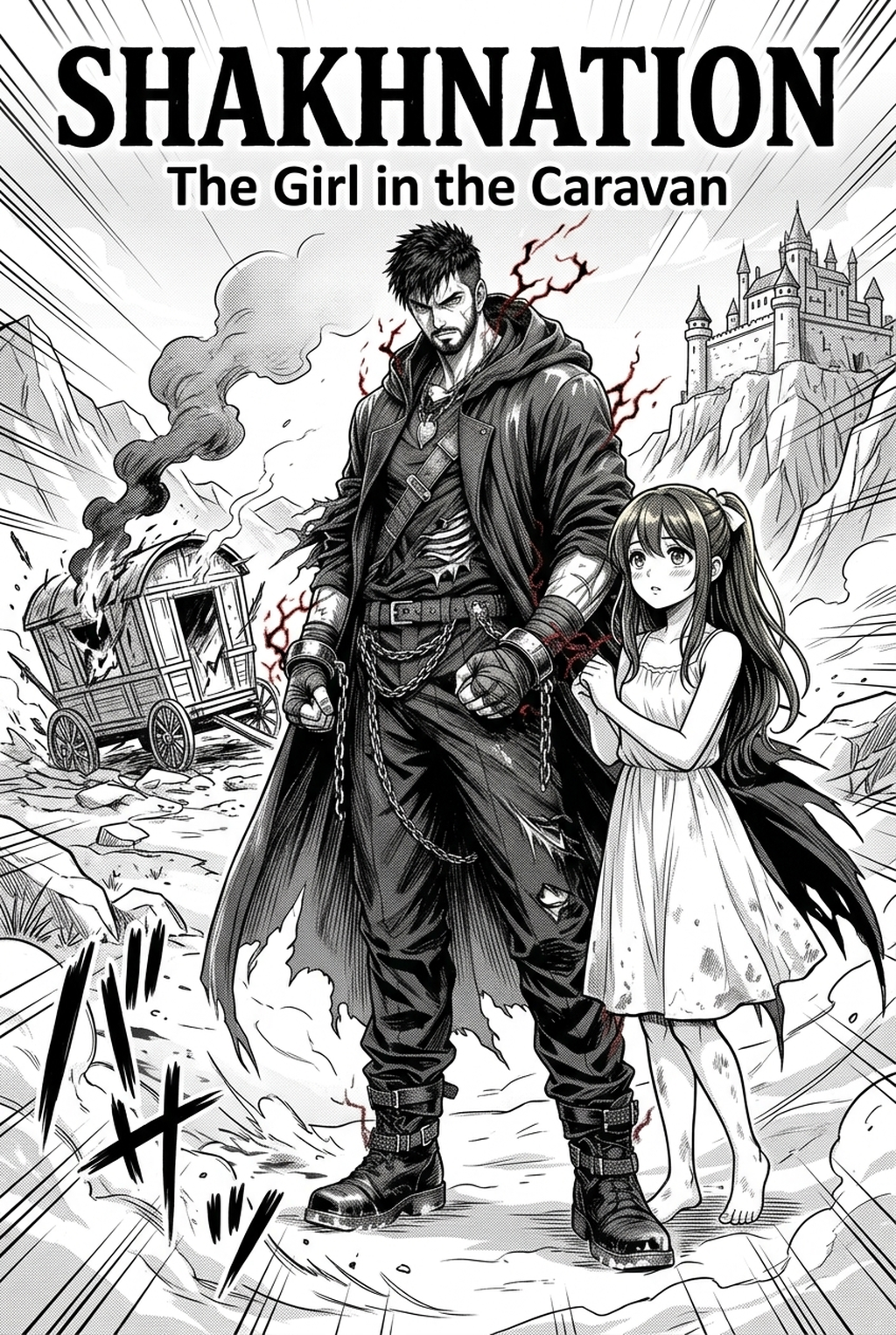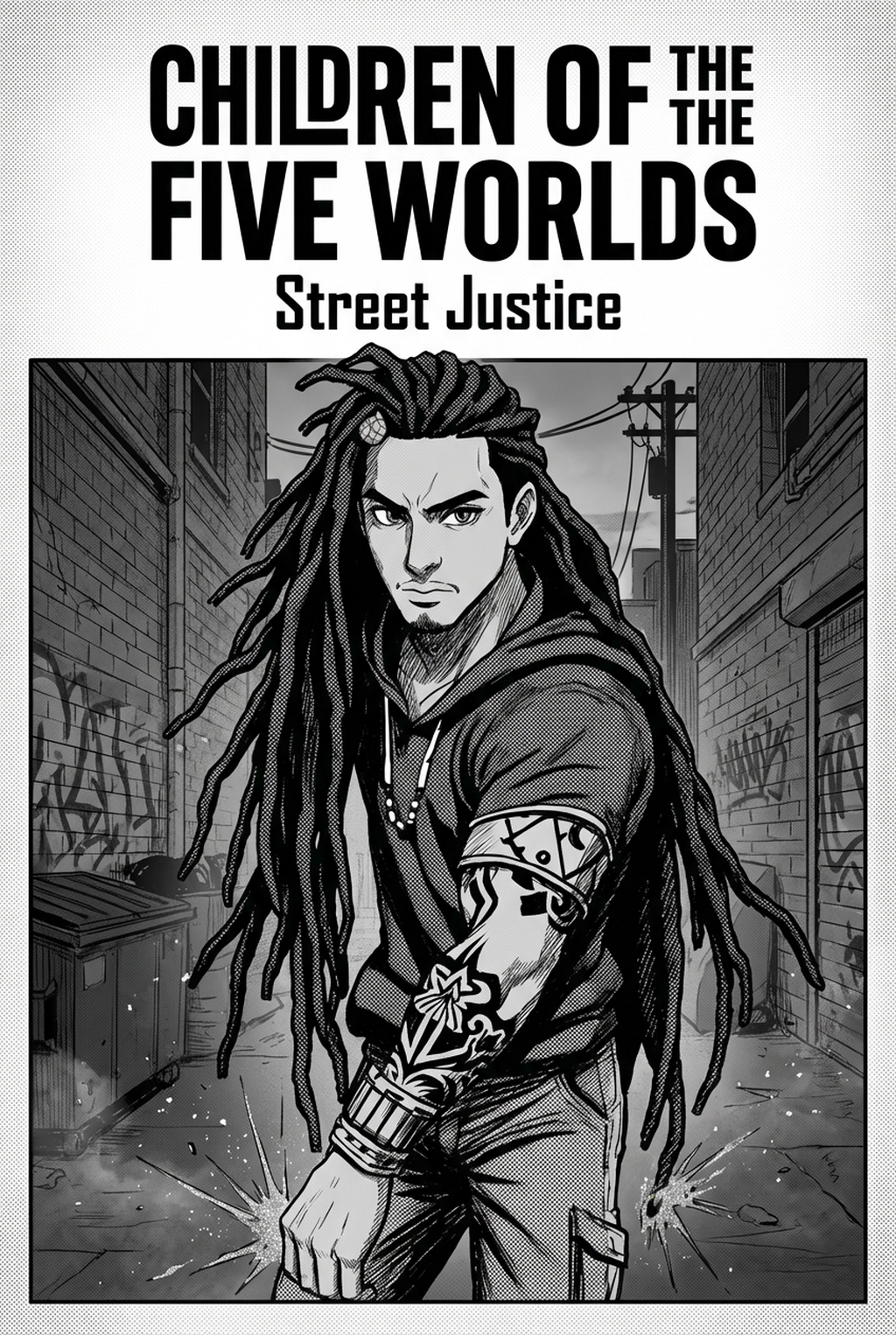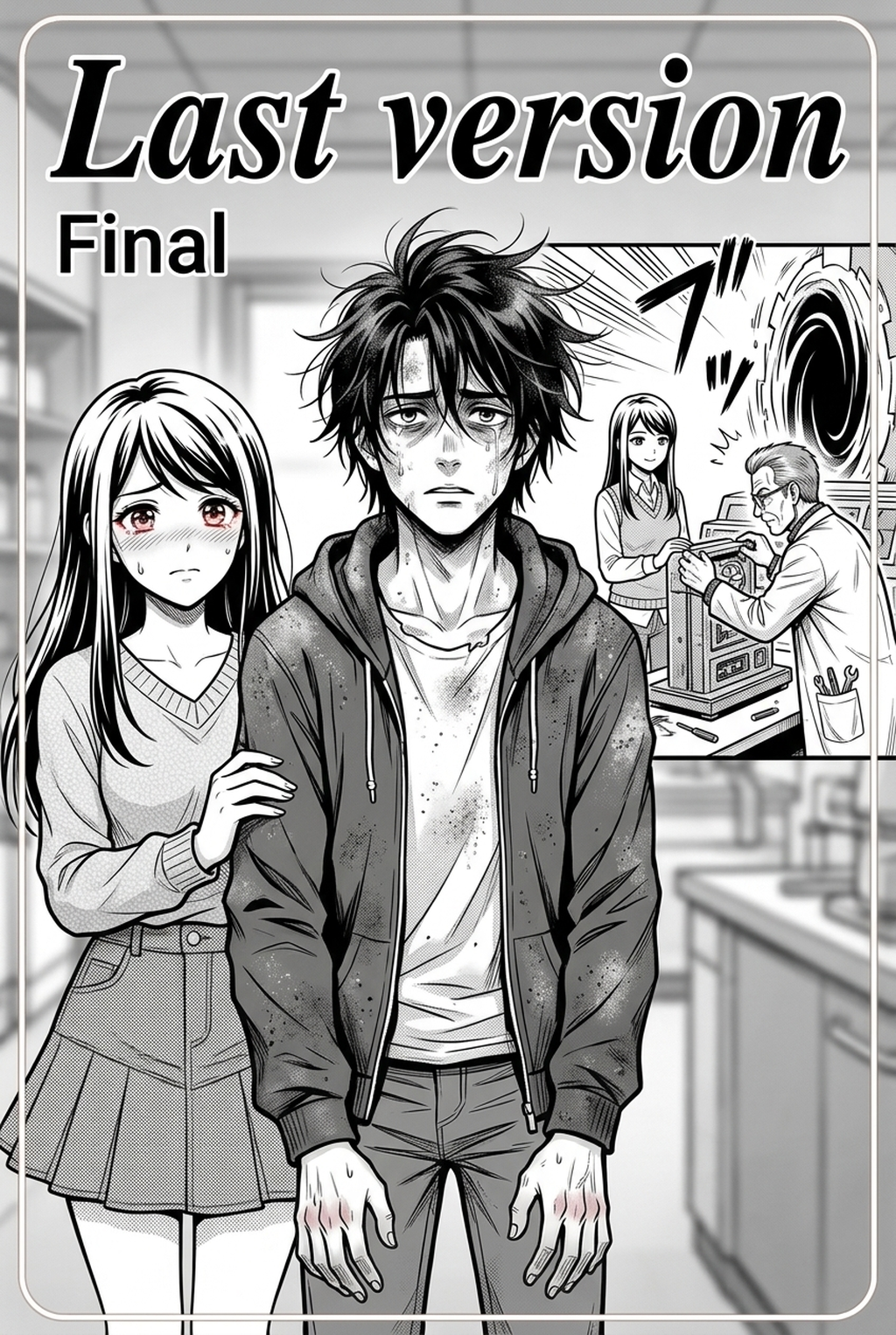
AI Manga Character Designer: Defining the Isekai Character Reference
A specialized design sheet functions as the production bible for your portal-fantasy project, ensuring that aesthetic changes—such as evolving fantasy armor patterns or the specific mutation of modern-day streetwear into magic-infused gear—remain identical across every chapter. Without this documentation, even seasoned artists often suffer from "detail creep," where the number of buckles on a guild uniform or the geometry of an enchanted blade fluctuates significantly between the first and last panel of an action sequence.
- Core Profiles: A standard sheet captures the character from front, back, and 3/4 side profiles to ensure consistent limb length and torso anatomy. * Action Callouts: These callouts provide magnified views of specialized items, such as the internal mechanism of a portal-summoned weapon or the intricate embroidery on a royal cape. * Identity Duality: You must document both the "original world" casual appearance and the "reincarnated" fantasy form to establish a visual baseline for the audience to recognize the protagonist’s growth.
Why Documentation Stabilizes Long-Term Serialization
Consistency prevents visual drift during rapid serialization cycles, as it allows your team or your future self to reference a single source of truth for magic auras, weapon sheaths, or specific accessory hardware. Relying on memory during a late-night inking session inevitably leads to variations that confuse readers, especially when an isekai narrative demands precise, repeated imagery for iconic relics or character-defining items.
- Production Velocity: By locking in design specifications during the concept phase, you eliminate the need to reverse-engineer complex armor layouts when a new panel composition requires a fresh perspective. * Style Integrity: A master reference ensures that your ink weight, shading density, and cross-hatching style remain uniform even when the workload scales across dozens of pages. * Outsourcing Readiness: A standardized reference allows for seamless collaboration, as inkers or colorists can match the established look without requiring constant feedback or redrafts.
Technical Workflows Using Mangaka
Mangaka automates the translation of text-based descriptions into production-ready character sheets, allowing creators to generate complex, multi-angle views without manually redrawing every iteration. Instead of drafting every angle from scratch, you provide descriptive parameters for your protagonist’s fantasy attire, and the system applies style-consistent weights to maintain the integrity of their appearance throughout the generation process.
The tool handles the heavy lifting of isekai tropes, such as applying consistent ethereal magic effects or medieval-fantasy textures to your character model. By inputting specific creative brief-based descriptions—such as "high-collar knight armor with glowing indigo runes"—you test variations of guild uniforms and fantasy accessories in minutes. Once you identify the version that fits your narrative, you save it as the permanent blueprint for your manga.
When the generated output requires a slight tweak, such as adding a specific modern-world item to a fantasy ensemble, you simply adjust the textual input. This workflow prevents the time-consuming process of manually editing layer by layer, ensuring that your final asset remains clean and ready for immediate placement into a storyboard or ink-ready layout.
Essential Use Cases for Character Sheets
Effective sheets prioritize high-impact visual elements that ground the reader in the logic of your world, specifically focusing on how the protagonist’s modern identity collides with their new reality. While it is tempting to focus on generic body shapes, the most successful manga designs rely on Signature Trait Callouts" that emphasize the unique, impossible items the protagonist carries over from their previous life.
- Signature Trait Callouts: Highlight the specific modern item, such as a tactical backpack or a digital watch, that remains unchanged despite the shift to a fantasy setting. * Expression Grids: Define the character’s emotional vocabulary early to ensure that their reactions to strange new environments feel consistent, whether they are in a high-tension combat scene or a quiet dialogue panel. * Gear and Weapon Schematics: Provide clear visual instructions for complex tools—such as magic-imbued spears or mana-tracking goggles—to ensure accuracy in both static character portraits and chaotic, high-speed combat movements.
Launching Your Design Process
Generating a complete reference requires only a handful of essential poses, starting with a basic front, 3/4 view, and back profile, followed by a high-intensity action pose that displays the primary gear in motion. You can use platforms like isekai character sheet with Mangaka to generate these sheets, as the underlying architecture is specifically calibrated to preserve facial features and gear geometry across multiple outputs, which is the most effective way to eliminate technical inconsistencies that typically plague long-running, serialized stories. Determining Required Asset Complexity.
- Front View: Essential for establishing height, basic armor placement, and hair length relative to the shoulders. * 3/4 View: Provides the necessary depth to understand how complex layers, such as capes or overlapping plate armor, interact with the character’s movement. * Back View: Critical for tracking details like weapon holsters, hair ties, or back-mounted magical apparatuses that appear in rear-view panels. * Action Pose: Ensures that the gear doesn't visually glitch or vanish when the character is in a dynamic, high-speed movement state.
The Bottom Line
Prototyping your character's visual identity through an AI Manga Character Designer workflow is the most reliable way to avoid the artistic inconsistencies that plague many long-running series. By focusing on consistency during the pre-production stage, you gain the freedom to focus on the narrative beats that drive a successful portal-fantasy story. Explore how to build your first set of consistent character assets by visiting the isekai character sheet today.
Related articles
Rebuild World Character Design: A 2026 Manga Creator Guide
Mastering the Thunder 3 Art Style for Modern Manga 2026
Mastering the Supernatural Manga Art Style for 2026