AI Manga Inker: The Definition of Professional Inking
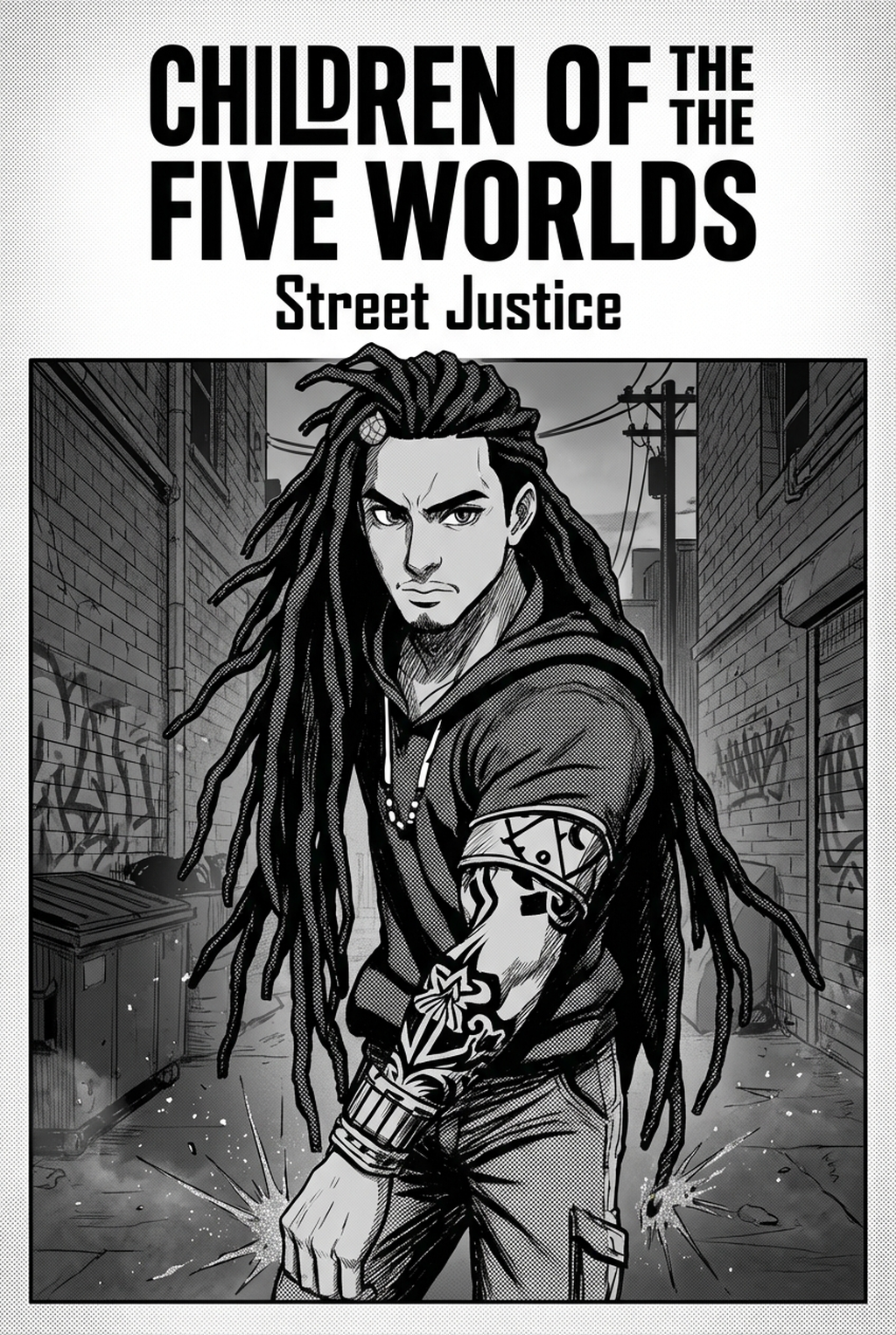
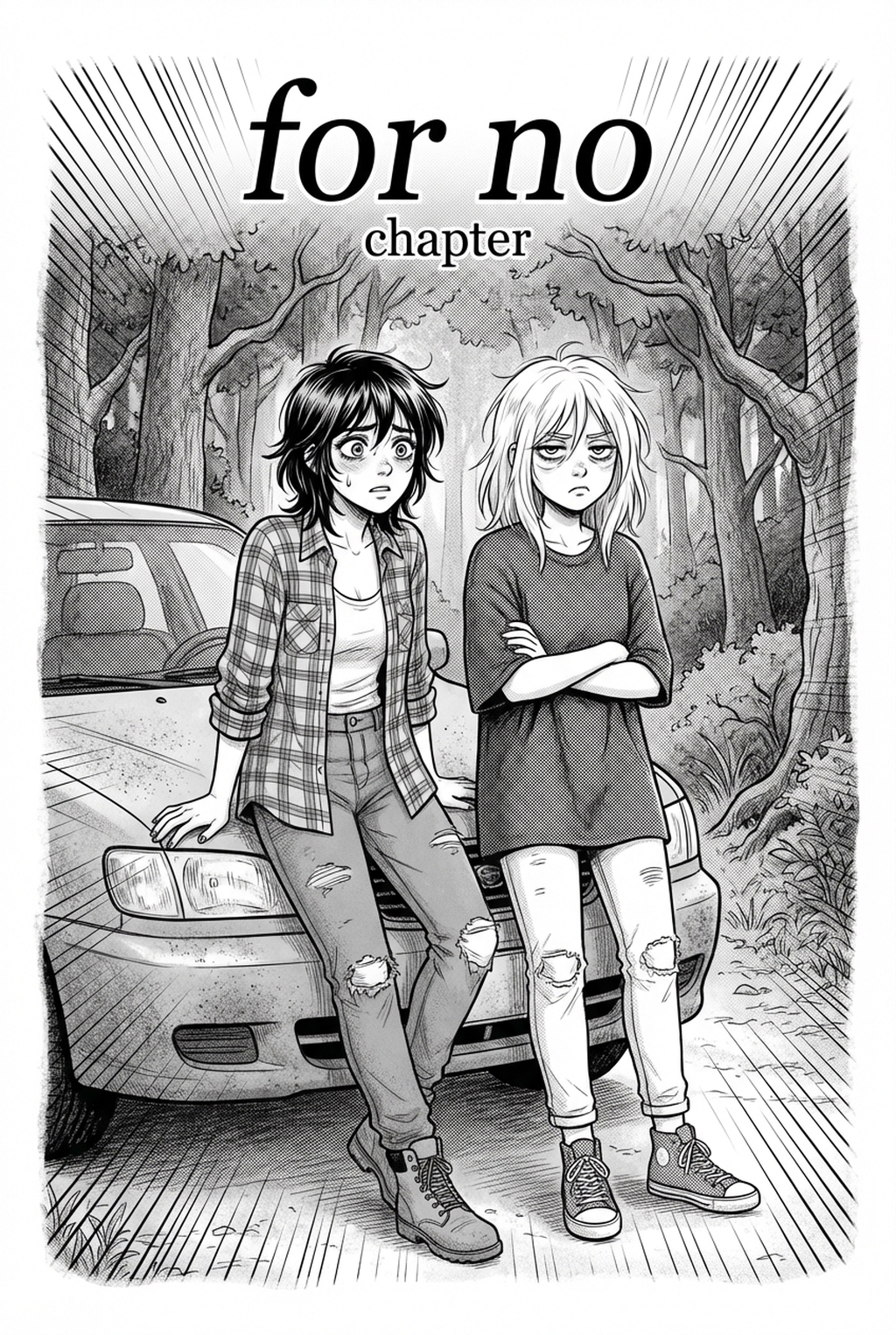
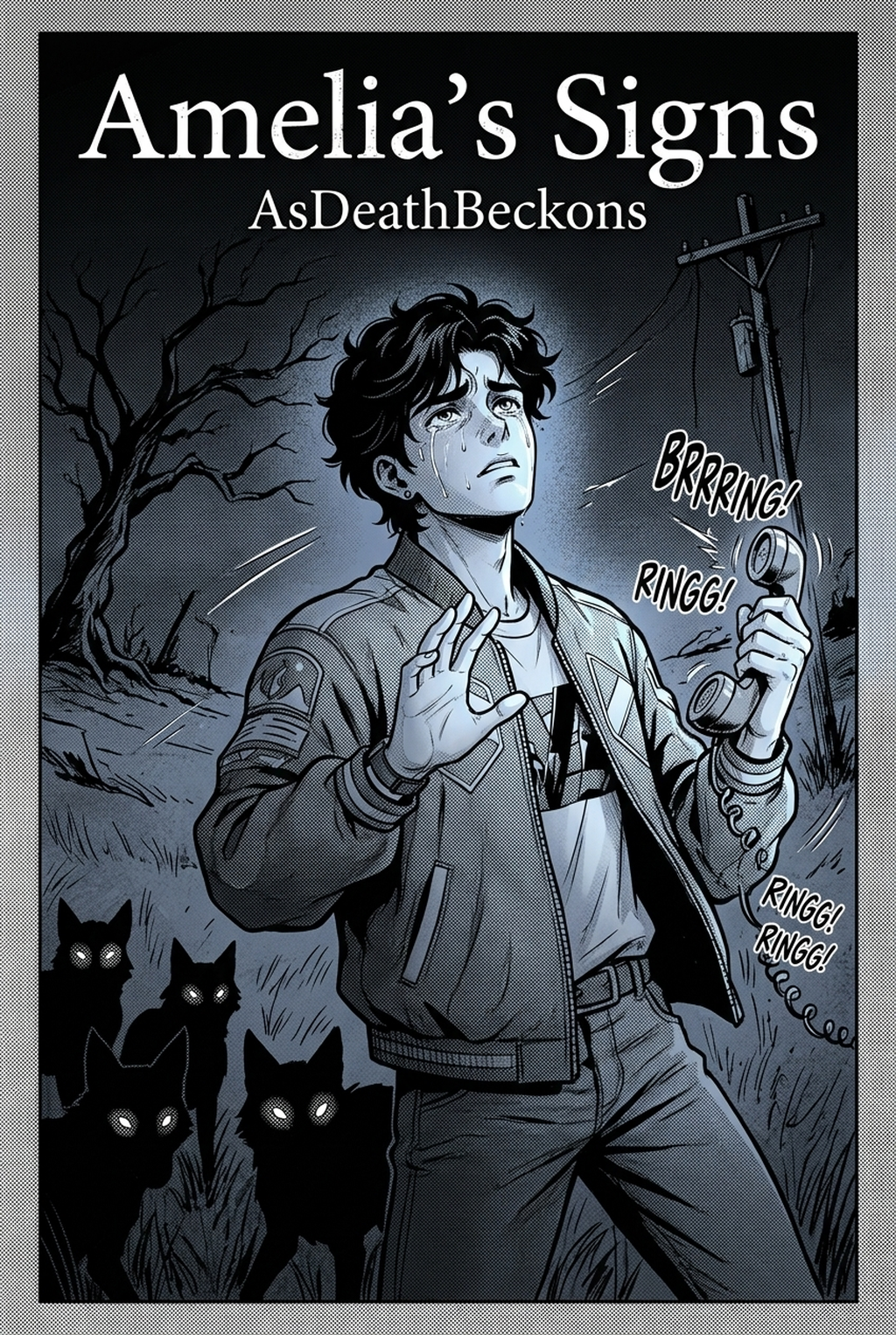
Professional inking serves as the essential bridge between a gestural storyboard and a final page, focusing on the strategic placement of line weight to control viewer focus. By translating loose pencil marks into precise, rhythmic strokes, the artist carves out shapes and textures, separating foreground subjects from background environments.
The classic G-pen remains a staple for its ability to produce sharp, tapered ends that mimic the tension of human hand-eye coordination. Conversely, the Maru-pen provides a consistent, delicate line ideal for intricate character hair or subtle background expressions. Mastering the friction between these two tools allows you to dictate which objects demand the reader's immediate attention.
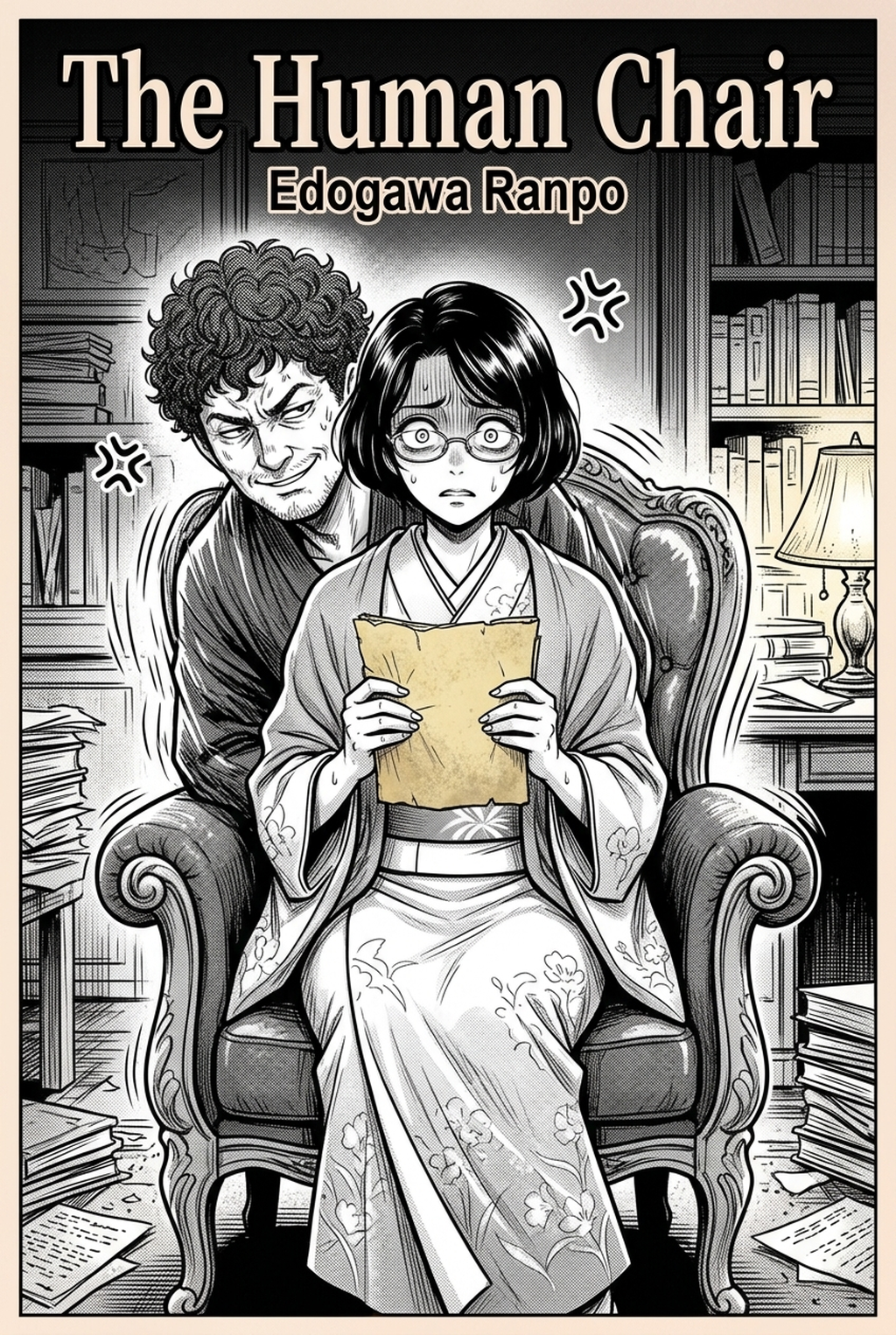
Beyond simple outlines, professional inking utilizes dense cross-hatching patterns to suggest shadow and form without muddying the panel. When applying these patterns, artists must maintain a strict black-to-white ratio to ensure the page remains legible when reduced to typical B4 or A4 magazine formats.
Check character consistency, panel readability, line quality, and export readiness before publishing. Creators should also record why the page passed review, which panel details still need manual cleanup, and which export format the next collaborator will use. That makes the subsection useful instead of leaving a short checklist under a large heading.
- Chapter cadence. Use the AI pass for pages where speed matters most, such as repeated action poses, transformation beats, or dense speed-line panels. Keep manual cleanup for hero panels where the line style defines the emotional peak.
- Character continuity. Compare the generated lines against the same model sheet, costume notes, and facial-expression range used during sketching. This prevents a fast inking pass from drifting away from the character identity readers recognize.
- Export readiness. Check whether the final manga output can move into lettering, coloring, or final layout without rebuilding panel borders or speech-bubble space. A good manga workflow should save time while keeping the next production step predictable.
Why Inking Precision Matters
Effective inking acts as a visual filter that removes "noise" from the page, guiding the reader’s eye through complex action sequences without confusion. A failure in line-weight consistency leads to "visual drift," where the reader struggles to differentiate between a character’s arm and a cluttered background wall, effectively breaking the immersion of the narrative.
Foreground characters require thicker, more confident outer contours, while background details should rely on lighter, thinner lines to recede visually. This layering technique prevents the panel from appearing flat or overcrowded, ensuring that even a dense 5-panel page retains its structural integrity.
How Mangaka Optimizes Line Art
Mangaka streamlines the mechanical labor of inking by interpreting raw pencil gestures and outputting clean, professional-grade vector linework that retains the artist’s original character design. This tool acts as a specialized production assistant, offloading the repetitive, time-intensive task of manual tracing while preserving the intent behind your storyboard gestures.
When working on a 15-page chapter, maintaining line-weight consistency across different character perspectives is a common point of failure. The AI analyzes your initial sketches to ensure the stroke depth for a character’s silhouette remains identical, whether they are featured in a wide shot or a close-up reaction panel.
Rather than replacing your creative direction, this technology enhances it by cleaning up jittery or uneven lines while keeping the organic flow of the original sketch intact. You retain full control over character proportions and staging, as the tool functions within your existing creative brief to turn rough pencil work into polished final assets ready for the next phase of the workflow.
Common Hurdles in Inking
Managing line jitter and maintaining a consistent stroke flow remain the most significant barriers to professional-grade output. Many creators suffer from "over-inking," where the urge to refine every detail results in a sterile, lifeless drawing that loses the energy captured in the initial rough sketch.
Erratic hand movements often produce jittery lines that distract from the character design and reduce the overall quality of the panel. Utilizing automated post-processing helps bridge these gaps, turning shaky inputs into smooth, sweeping curves that look as though they were drawn by a seasoned professional with years of hand-eye coordination training.
Over-inking flattens the drawing by adding unnecessary detail to shadows or textures where it does not belong. Artists who struggle with this often find that their characters blend into their surroundings; solving this requires a disciplined approach to selective detail, ensuring that only the most critical visual cues are prioritized.
Getting Started with Mangaka
Transitioning to automated inking allows creators to focus on composition and pacing, but it requires a strategic setup to ensure high-quality, professional results. Use the tool to handle the heavy lifting while you oversee the creative integrity of every character panel.
To keep line art feeling authentic, rely on the AI's ability to interpret your pressure-sensitive input; the tool reads the depth of your stylus input to ensure that every contour matches your specific stylistic needs. If you notice a line is too rigid, adjust your input pressure to signal the intended weight to the generator.
For Professional Publication. Always export your finalized pages at 600 DPI to guarantee that every detail—from the finest cross-hatching to the sharpest character silhouette—remains crisp when rendered on physical paper. You can explore the tool's output capabilities at manga inking techniques with Mangaka to see how it handles your specific resolution requirements.
The Bottom Line
Achieving a professional finish requires a balance between rigorous traditional discipline and the intelligent application of modern production tools. By mastering the principles of line-weight variation and leveraging AI to handle the time-consuming mechanical aspects of your workflow, you can meet the high-volume demands of serial publication without compromising on artistic quality. Ready to elevate your workflow and streamline your panel production? Start using manga inking techniques today to focus on what matters most: your story.
Related articles
Automate Your Manga Inking: Instant Clean Line Art Now 2026
Mastering Manga Background Art: A 2026 Indie Creator Guide
Mastering Manga Background Art: A Modern Creator's Guide