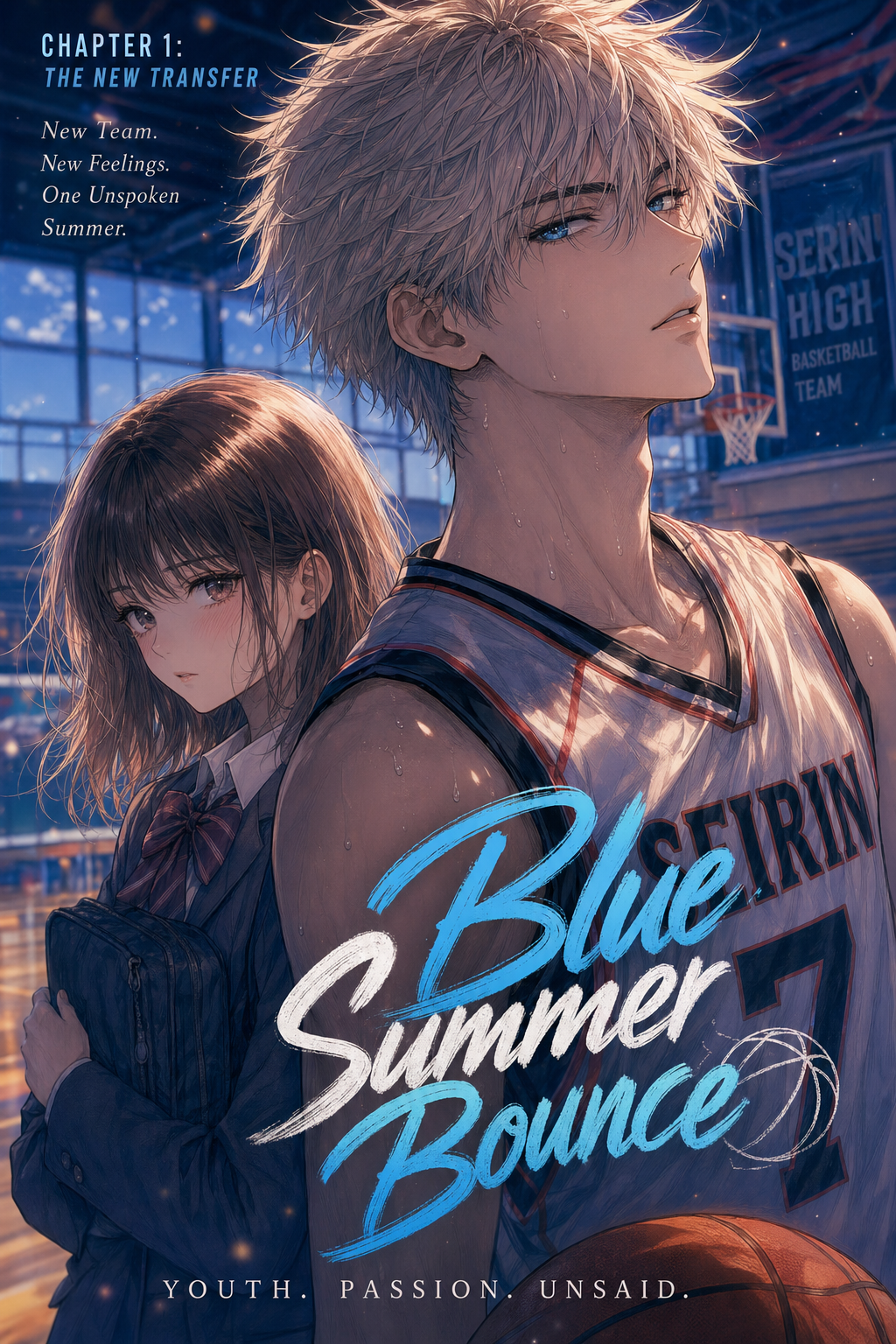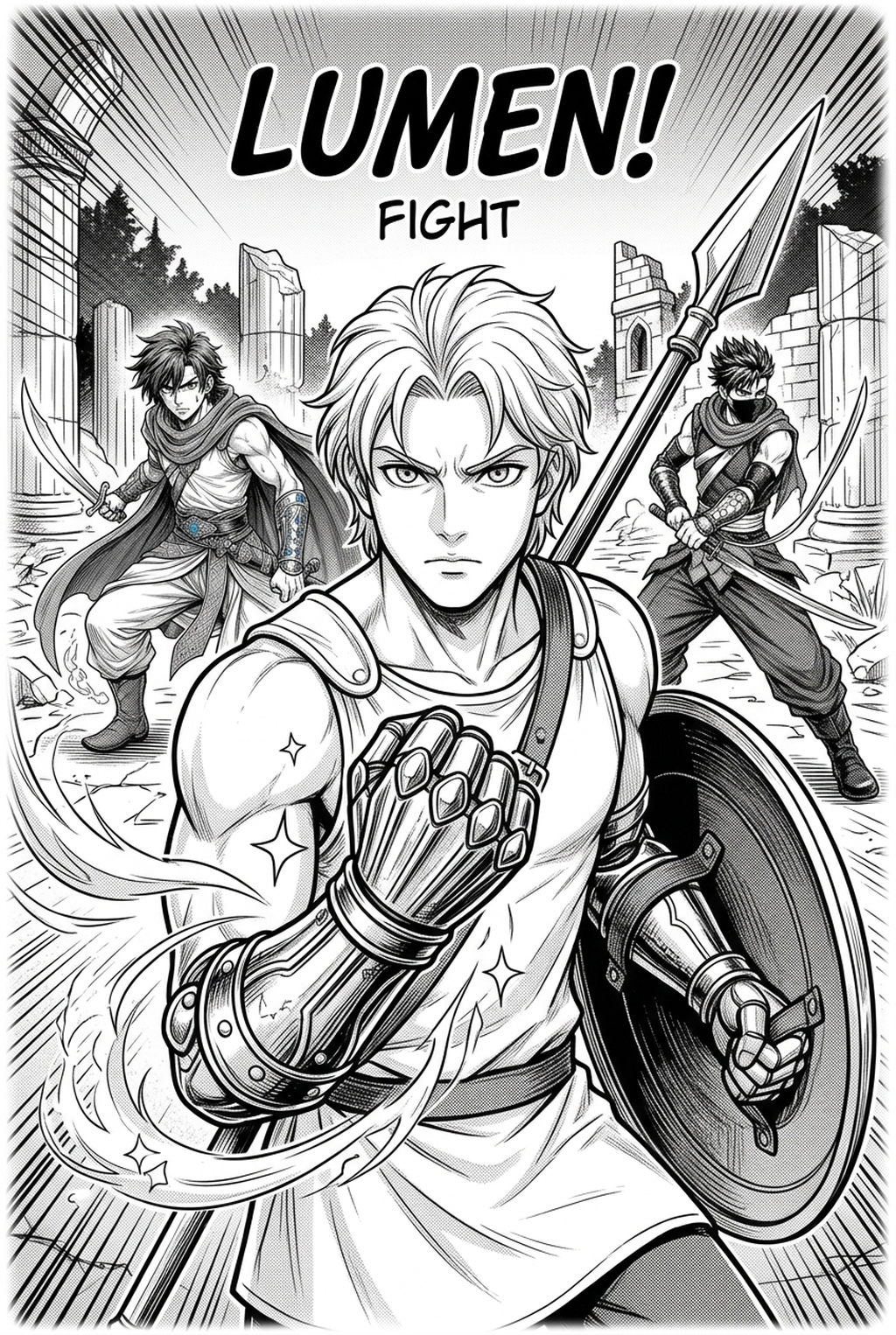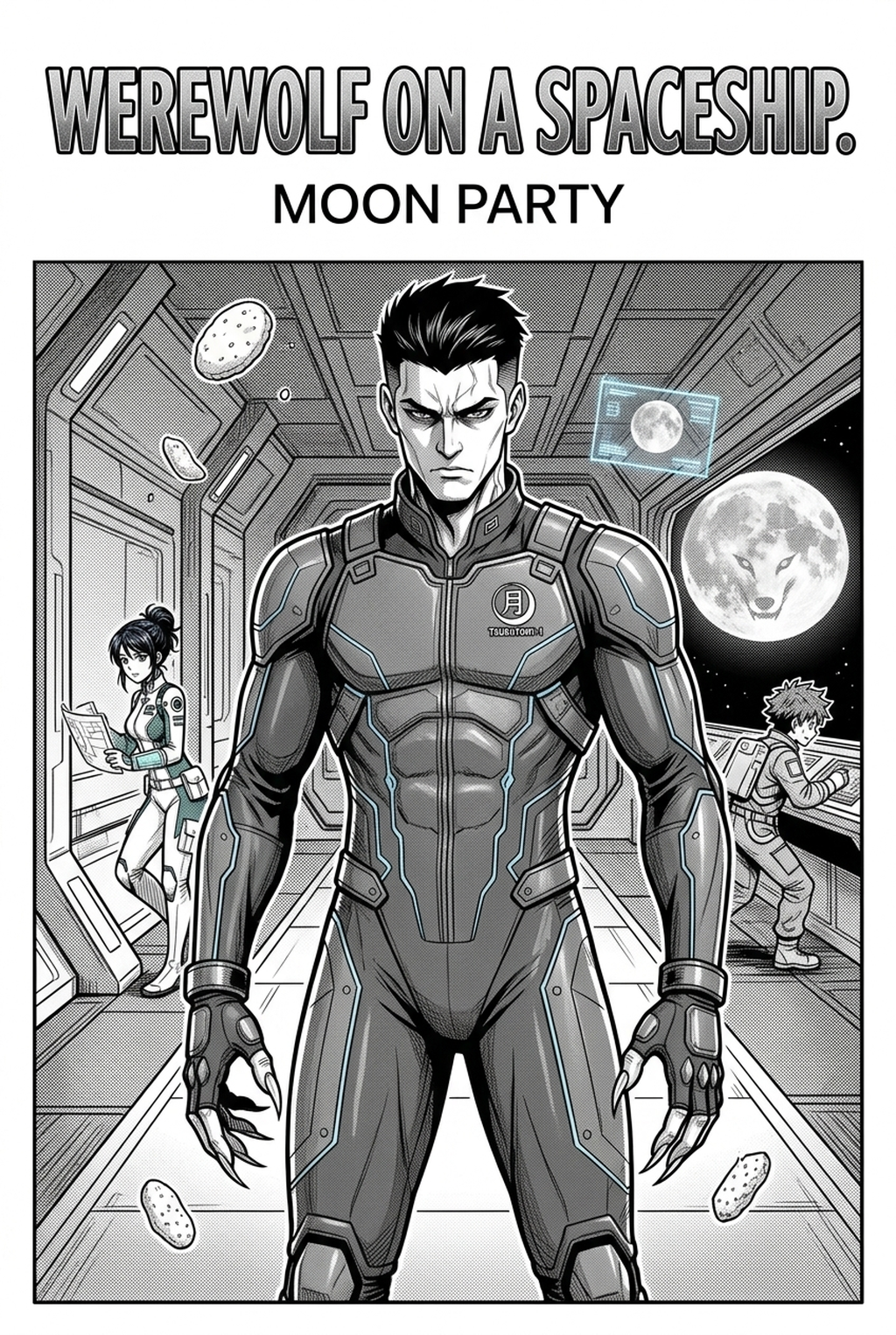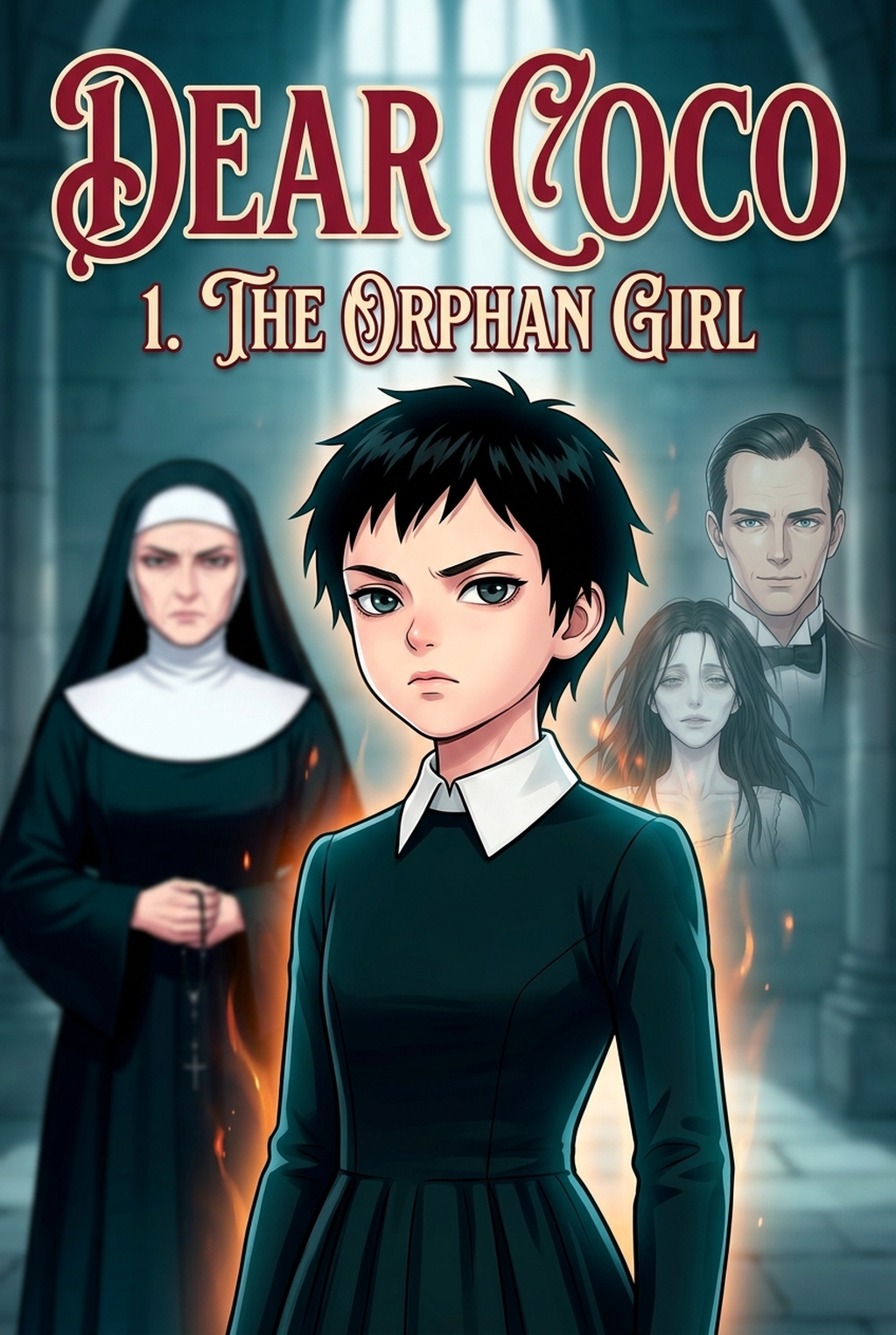
AI Manga Character Designer: Why Hybrid Consistency Matters for Creators
Maintaining character consistency is the greatest challenge in manga production, as minor slips in supernatural trait placement can break reader immersion during intense plot points. If a character’s spectral limb shifts position relative to their shoulder blade between page 4 and page 12, the panel flow loses its structural integrity.
Managing the ratio of human to yokai traits across different panels requires a standardized reference sheet that governs how hybrid features evolve. By pre-defining the threshold where human skin gives way to beast-like textures, you prevent visual clutter during frantic, ink-heavy fight scenes where clean silhouettes are mandatory for reader comprehension.
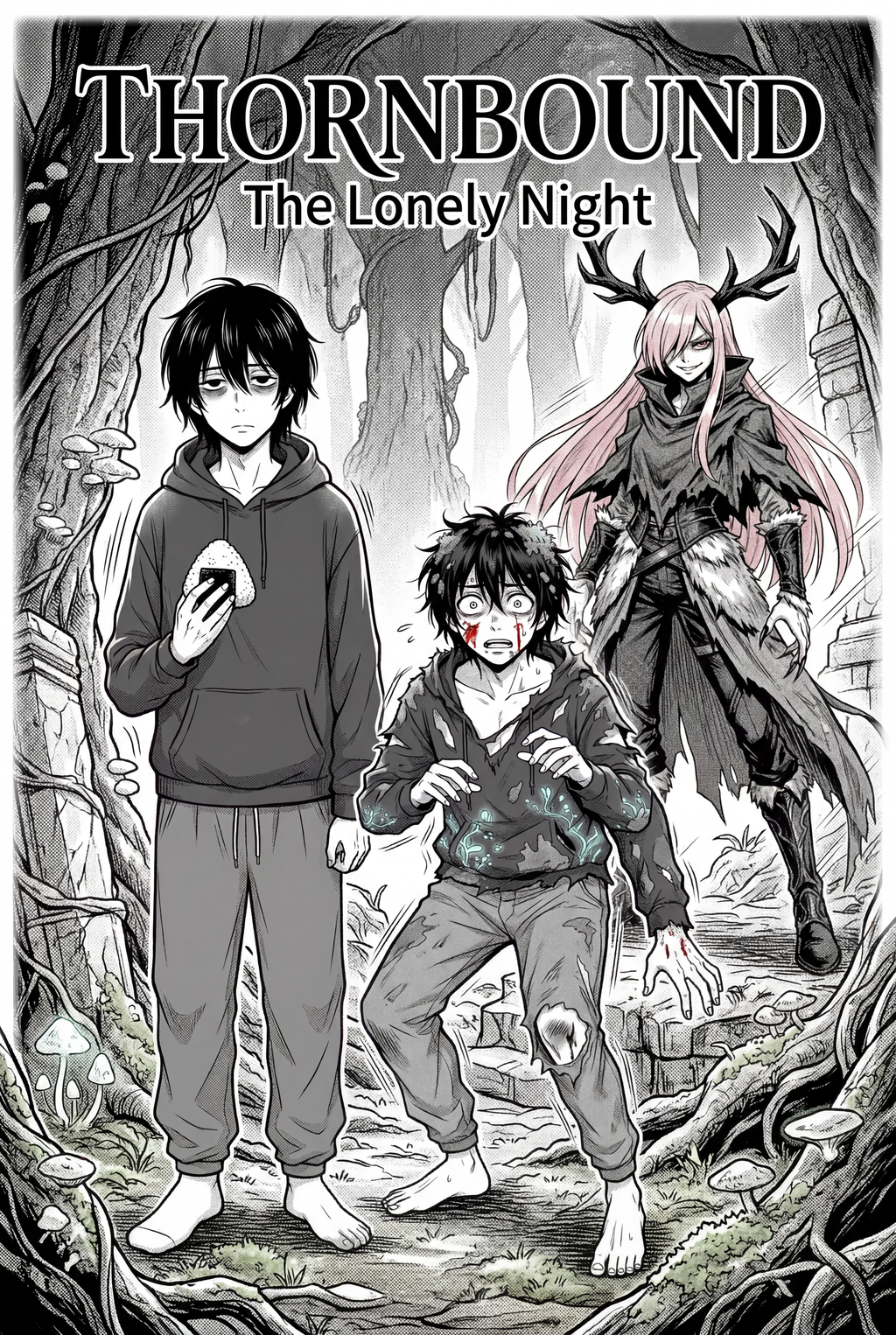
Audience insight suggests that a well-defined 'transformation trigger' for hybrid traits prevents visual noise, ensuring your character remains recognizable regardless of the scene's intensity. This trigger—whether triggered by blood loss, extreme emotion, or environmental proximity to other yokai—must remain a fixed, consistent design constraint across your entire series.
Managing Design with Mangaka
Mangaka automates the complex task of maintaining character consistency by allowing you to define core hybrid traits once and apply them across multiple pages. The platform acts as a force multiplier for your artistic intent, ensuring that high-detail elements like glowing markings or unnatural iris shapes do not suffer from proportion drift during page-to-page transitions.
The text-to-design engine allows you to experiment with disparate folklore combinations, enabling rapid iteration of unique hybrids that retain a cohesive style. You can test how a tengu’s wing structure integrates with various clothing silhouettes, generating multiple iterations in minutes while maintaining the same base character model.
Leverage the half-yokai character design with Mangaka to 'lock in' specific supernatural features, ensuring they remain uniform whether the character is in a close-up portrait or a dynamic, ink-heavy action panel. This consistency allows you to focus on the 'why' behind your design choices rather than the manual labor of cleaning up line-weight inconsistencies after every export.
Strategic Use Cases for Hybrid Characters
Great design should communicate your character’s origin story at a glance, using visual elements to hint at the nature of their yokai bloodline. For instance, a character with an oni-blooded lineage should exhibit aggressive, jagged inking patterns that contrast with the softer, flowing lines of their human side, making them instantly distinct during intense plot reveals.
Focus on color grading and ink density to distinguish the character's 'human' side from their 'supernatural' side. In black-and-white print, this is achieved by shifting from thin, delicate line work for human features to bold, heavy blacks or high-contrast screen tones for the yokai influence.
Utilizing visual callbacks to specific myths, such as kitsune or tengu, helps the reader instantly categorize the character's powers. By visually signaling a character's heritage through these recognized archetypes, you minimize the need for lengthy dialogue, letting the visual design handle the narrative load.
Check character consistency, panel readability, line quality, and export readiness before publishing. Creators should also record why the page passed review, which panel details still need manual cleanup, and which export format the next collaborator will use. That makes the subsection useful instead of leaving a short checklist under a large heading.
Getting Started with Mangaka Design
Creating a hybrid character often brings up technical questions about control and execution. Focus on mixing disparate folklore elements with modern fashion or historical silhouettes to make your hybrid look unique while maintaining a grounded, readable aesthetic. The most important element for a half-yokai is the 'anchor' trait—a single, repeating supernatural feature that remains consistent throughout your series. Whether it is a unique spectral mark or a specific eye color, this anchor keeps the character grounded in the reader's memory even when the rest of their body is shifting through transformations.
Tools like Mangaka serve as a force multiplier for character consistency, freeing you to focus on the creative 'why' behind your design choices. By outsourcing the technical grind of manual panel consistency, you gain the time to invest in better page layout and more complex, emotion-driven panel pacing. Before export, creators should compare the generated line art with the original sketch and confirm that facial expressions, props, speed lines, and speech-bubble space still support the scene.
- Before Export. Creators should compare the generated line art with the original sketch and confirm that facial expressions, props, speed lines, and speech-bubble space still support the scene. A repeatable review pass should cover character consistency, panel readability, background clarity, and whether the final file is ready for coloring, lettering, or editor feedback.
- For Longer Projects. Creators should save approved examples of line weight, face detail, clothing folds, and background density. Those references keep later chapters closer to the intended style. For collaboration, creators should mark which panels are final and which panels still need redraws. Clear status labels prevent an assistant, editor, or colorist from polishing the wrong version.
- For Publishing. Creators should review the page at the actual reading size before export. Small screens expose crowded dialogue, weak silhouettes, and line details that looked fine while zoomed in. This keeps the review focused on story intent, line weight, panel readability, and the export quality behind the final AI Manga Character Designer output.
The Bottom Line
Effective AI Manga Character Designer workflow hinges on the successful synthesis of human relatability and supernatural intrigue. By utilizing specialized tools like half-yokai character design to manage your consistent design assets, you can dedicate more time to storytelling and less to the technical grind of manual panel consistency.
Related articles
Mastering Yokai Character Design: A Guide for Manga Artists
Mastering Space Battleship Background Art in Manga in 2026
Defining the Vampire Manga Art Style: A Visual Guide 2026