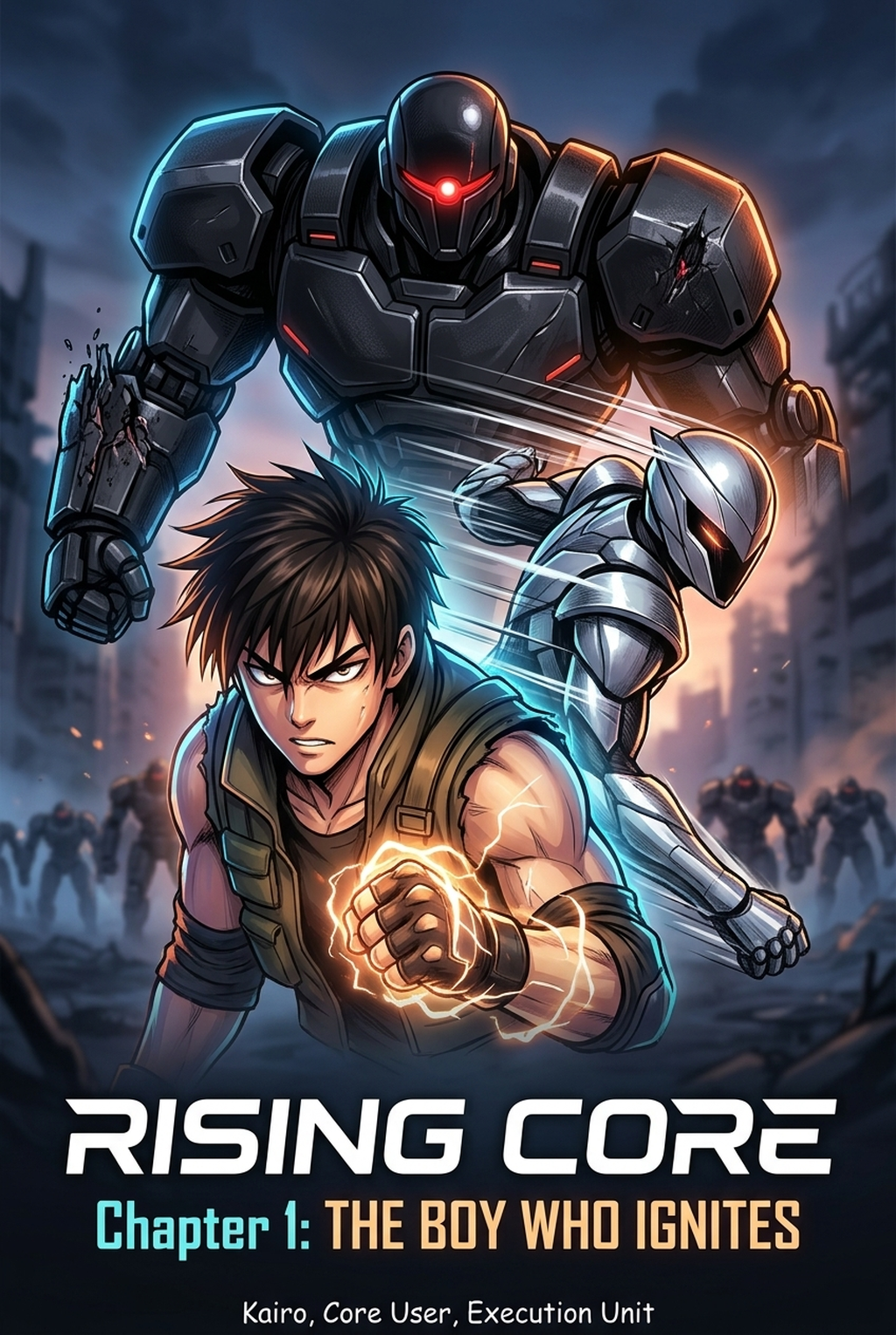
Anatomy of a AI Manga Storyboard Builder
A science club storyboard acts as the foundational blueprint mapping out lab-equipment placement and character interactions before the final art phase begins. It prioritizes the narrative connection between experiment setups and the club members' reactions to ensure the pacing remains tight and digestible for your readers.
Effective visual planning bridges the gap between static "explanation" pages and dynamic "action" beats. By treating complex STEM terminology as a design element rather than a narrative burden, you ensure that dense information about chemical reactions or physical constants never stifles your page’s visual momentum.
Why This Planning Stage Matters for Creators
Balancing the "lab scene" requires intentional shifts in perspective to avoid reader fatigue. If every panel presents a medium shot of a student at a desk, the story loses its urgency; instead, alternate between tight close-ups of specific equipment interactions and wide establishing shots of the club room to ground the setting.
Adopting a structural approach to your scientific beats ensures that every experiment feels like a cohesive story arc. Use these phases to structure your page layout: This keeps the review focused on story intent, line weight, panel readability, and the export quality behind the final AI Manga Storyboard Builder output.
- Hypothesis Beat: This initial setup establishes the conflict and the stakes, often utilizing long panels to emphasize the scale of the equipment. * Test Beat: This climax of the sequence utilizes high-frequency, rapid-fire paneling to increase tension as the experiment reaches a critical, volatile point. * Result Beat: The final payoff focuses on character reactions, where speech bubbles are placed to lead the eye toward the outcome, whether it is a discovery or a comedic failure.
You should embed scientific data directly into the artwork rather than treating it as background noise. For example, chemical formulas, structural diagrams, or lab schematics should be woven into the panel design as intentional visual anchors. This reinforces the "club" atmosphere while keeping the reader informed about the technical work occurring in the scene.
How Mangaka Optimizes Your Workflow
Mangaka assists creators by auto-arranging panels to emphasize the specific focus of a scientific discovery, saving you hours of trial-and-error in manual sketching. This automated process ensures that the narrative flow of a complex lab experiment remains consistent across multi-page sequences, preventing the disjointed panel transitions that often occur when adjusting layouts manually.
By using science club manga storyboard with Mangaka for your pre-visualization, you gain the ability to iterate on room spatial layouts—such as shifting the perspective of a centrifuge or a crowded workbench—without the need to redraw the entire scene from scratch. This allows for rapid adjustments to the "camera angle" before you commit to final line art, ensuring the composition is perfect for your specific storytelling needs.
Use Cases for AI Manga Storyboard Builder
Avoiding "wall of text" fatigue is a significant challenge when your characters are explaining complex scientific procedures. Instead of cramming explanations into one massive speech bubble, map the dialogue across at least three distinct panels, utilizing visual cues to break up the text.
- Visual Annotations: Utilize graphical overlays for lab terminology, ensuring the reader understands the procedure through diagrams without breaking the immersion of the conversation. * Technical Accuracy: Consider safety protocols—like the usage of specific glassware, fume hood position, or protective gear—during the initial planning phase to avoid major revisions during the inking stage. * Pacing Control: If a scene involves a long-term experiment, use a montage of panel-insets showing the passage of time to demonstrate progress without dedicating an entire page to static monitoring.
How to Get Started with Mangaka
When approaching your next project, keep in mind that the storyboard stage is the most effective time to identify pacing issues, specifically ensuring your science-to-comedy ratio is balanced. You can easily test if your lab-based dialogue feels dynamic by using contrasting camera angles between characters, which transforms a static observational scene into a heated scientific debate.
If you are struggling with complex instrument design, our AI tools help pre-visualize technical gear to maintain consistent dimensions and shapes in every panel. This consistency is vital for maintaining the "professional club" aesthetic, as drift in the size or shape of your equipment can distract the reader from the narrative.
- Before Export. Creators should compare the generated line art with the original sketch and confirm that facial expressions, props, speed lines, and speech-bubble space still support the scene. A repeatable review pass should cover character consistency, panel readability, background clarity, and whether the final file is ready for coloring, lettering, or editor feedback.
- For Longer Projects. Creators should save approved examples of line weight, face detail, clothing folds, and background density. Those references keep later chapters closer to the intended style. For collaboration, creators should mark which panels are final and which panels still need redraws. Clear status labels prevent an assistant, editor, or colorist from polishing the wrong version.
- For Publishing. Creators should review the page at the actual reading size before export. Small screens expose crowded dialogue, weak silhouettes, and line details that looked fine while zoomed in. Creators can use each revision decision to clarify panel readability, character consistency, and export quality before publishing or sharing.
The Bottom Line
A successful AI Manga Storyboard Builder workflow balances the rigid accuracy of scientific work with the high-energy, personality-driven interactions found in classic club-themed manga. By leveraging science club manga storyboard to handle the technical spatial arrangement, you can dedicate your energy to refining character development and the emotional stakes of your experiment design. Start your next project by mapping out your key narrative beats today to maintain a professional, high-quality flow from the first lab scene to the final, world-changing discovery.
Related articles
What Is 4-Koma Manga? A Guide to the 4-Panel Storytelling
Fantasy Science Manga Storyboard: A Visual Narrative Guide
Manga Storyboard Guide: Planning Layouts for 2026 Impact