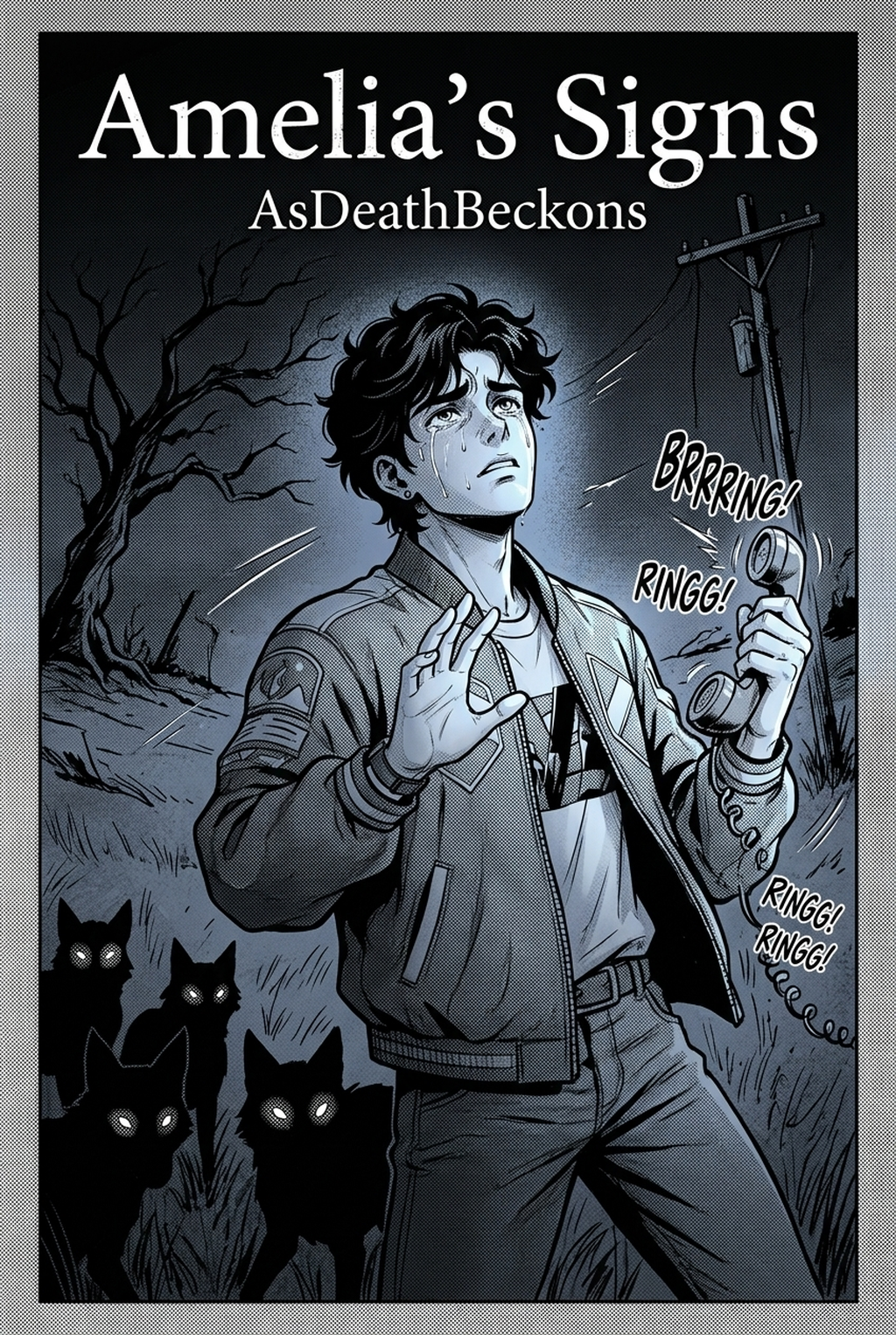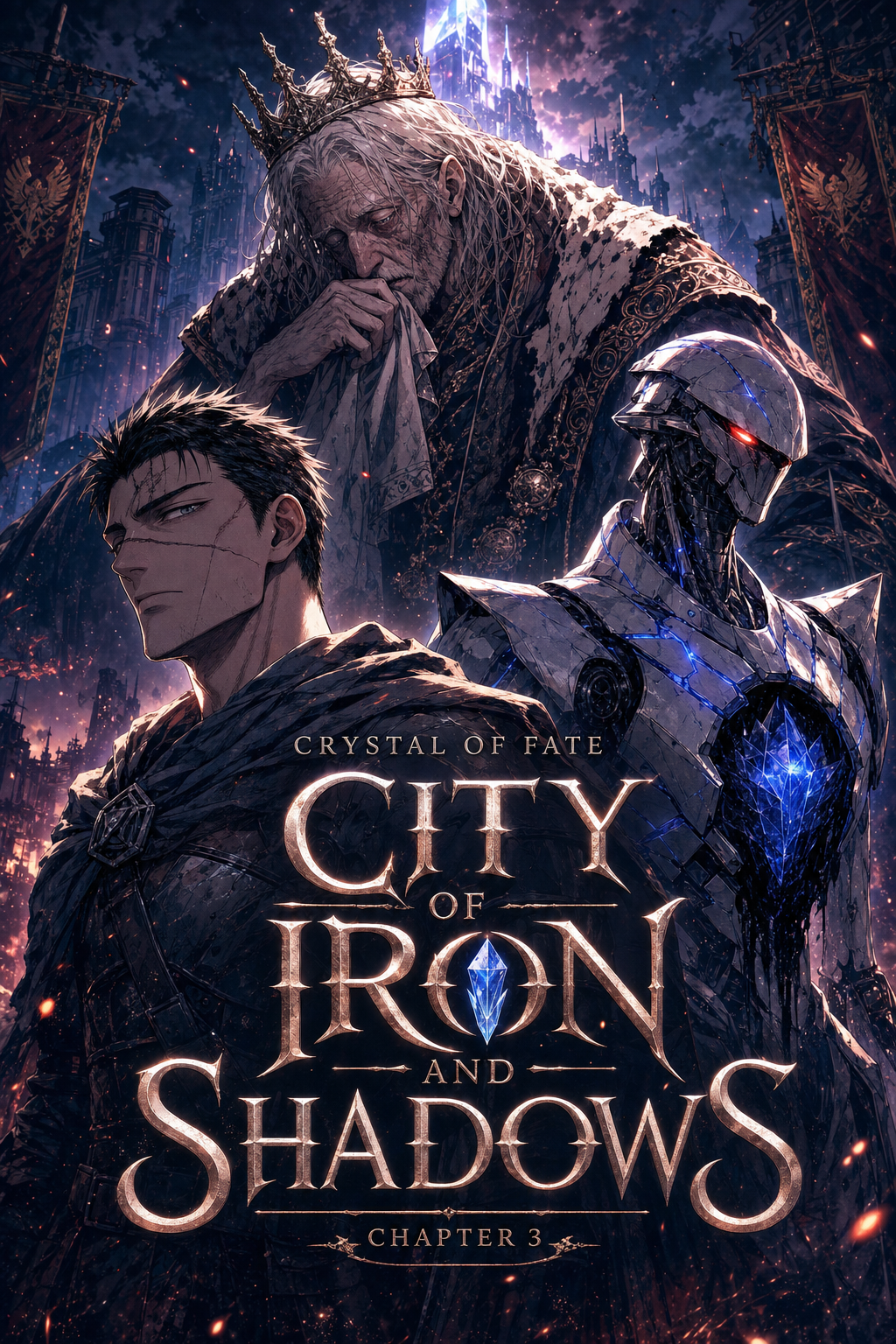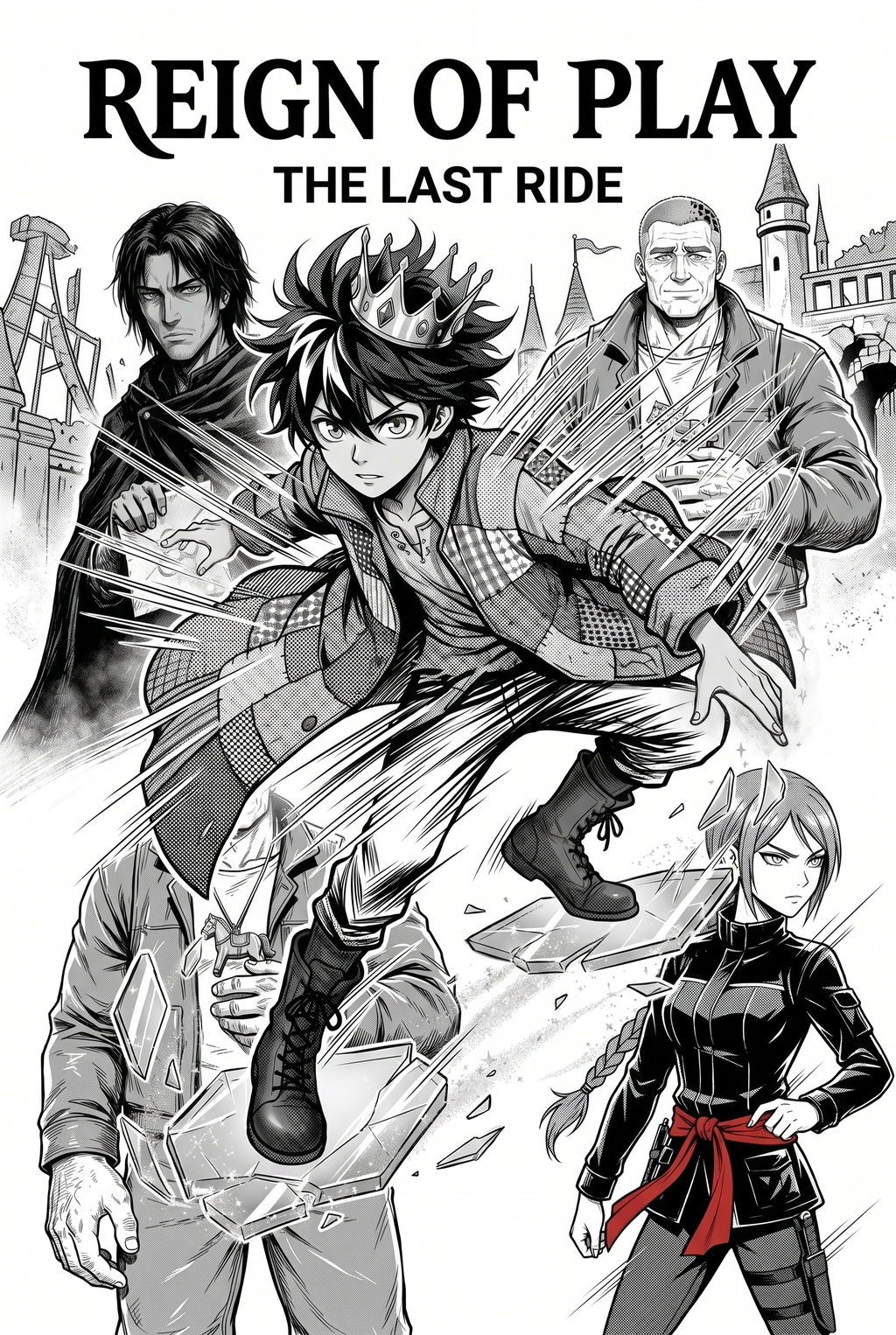
Understanding the AI Manga Background Artist
An effective environment for a fight sequence does more than fill space; it provides the vital source context that grounds the reader in the stakes of the battle. You must balance the density of debris and motion lines with enough negative space to keep the reader’s eye locked on the primary subject, such as a character mid-air or mid-strike.
Structural disintegration is the primary tool for conveying weight and velocity in shonen panels. If you fail to maintain architectural consistency—such as the specific height of a building or the placement of pillars—the reader loses the sense of scale, making your protagonist’s power-up look smaller or less impactful than intended. You need the background to function as a narrative device that narrates the destruction, proving that the action has real consequences on the world of the chapter.
Efficiency Gains for the Creator Workflow
Perspective accuracy in complex fight scenes frequently stalls the delivery format for weekly or monthly manga authors. When you spend too much time calculating vanishing points for a single demolished building, your total page-per-day output drops, often leading to missed deadlines or lowered quality in the later pages of your manuscript.
Manual perspective grids often result in line-weight drift, where the density of your background ink clashes with the crispness of your character, creating a jarring disconnect in the final print or digital display. Many solo creators struggle to maintain identical environmental terminology across different camera angles in a high-speed fight. By outsourcing the rendering of complex backgrounds to AI, you eliminate the risk of smudged inking and misaligned architectural elements, ensuring that your production flow remains uninterrupted during the final week of submission.
Working with Mangaka
Mangaka functions as an automated environmental artist that allows you to input specific descriptions of your scene to generate backgrounds that match your established stylistic requirements. By leveraging this for your storyboarded layouts, you bypass the manual rendering phase while retaining full control over where objects sit in the frame.
- creative brief Alignment: You describe the level of destruction, specific materials like reinforced concrete or wooden shrapnel, and the desired atmospheric perspective. * Layer Separation: The system provides layers that isolate foreground debris, middle-ground structures, and far-background silhouettes, which simplifies the process of placing characters between them. * Perspective Locking: Once you set the horizon line and camera angle, the tool enforces consistency across subsequent panels, maintaining the same visual logic even as the character moves rapidly across the page.
If you are working on a 15-panel sequence, you can generate the baseline for the entire destruction sequence in under an hour. This manga action scene background with Mangaka removes the mechanical burden of building architecture, letting you focus your energy on character posture, subtle inking details, and the final tone of the page.
Use Cases for Action Environments
You should emphasize high verticality and explosive debris that follows the trajectory of the strike. The environment must act as a visual guide for the energy output of the move, with debris flows clearly marking the path of the character's movement.
In contrast, seinen-style storytelling requires a focus on gritty, realistic textures and environmental storytelling that implies a darker, more grounded atmosphere. You might use subtle background layering to show the decay of a city over several panels, implying that the fight is taking a toll on the environment beyond just a simple destruction event. Always keep your background in check by ensuring it doesn't bleed into your speech bubble layout; the negative space around the dialogue must remain clear to ensure reader flow is never compromised.
Getting Started with Mangaka
When you begin, focus on the structural consistency of your scene before adding character layers. You might generate a base environment for a 5-panel layout, ensuring the same ruined wall appears correctly from three different viewpoints to establish a sense of spatial awareness.
- Consistency Control: Use the same descriptive style markers in your creative brief to ensure the masonry looks like the same material across multiple panels in a single sequence. * Commercial Standards: These generated files can be integrated into your professional workflow as a foundation for your own ink overlays, allowing you to maintain a unique look that meets industry standards for print. * Post-Production Needs: While the tool provides professional-grade assets, a quick pass of digital inking or tone adjustment is usually all that is required to blend the background perfectly with your hand-drawn character layers.
Creators should compare the generated line art with the original sketch and confirm that facial expressions, props, speed lines, and speech-bubble space still support the scene. A repeatable review pass should cover character consistency, panel readability, background clarity, and whether the final file is ready for coloring, lettering, or editor feedback.
Creators should save approved examples of line weight, face detail, clothing folds, and background density. Those references keep later chapters closer to the intended style. For collaboration, creators should mark which panels are final and which panels still need redraws. Clear status labels prevent an assistant, editor, or colorist from polishing the wrong version.
The Bottom Line
Mastering the action background involves choosing the right tools to balance your creative vision with the reality of production speed. You can deliver a highly cinematic experience without the risk of creative burnout by letting manga action scene background for your next manga project.
Related articles
Mastering Manga Background Art: A Guide for Solo Creators
What Is a 4-Koma Strip? A Guide to Manga Storytelling 2026
Manga Storyboard Pacing: A Guide to Cinematic Flow in 2026