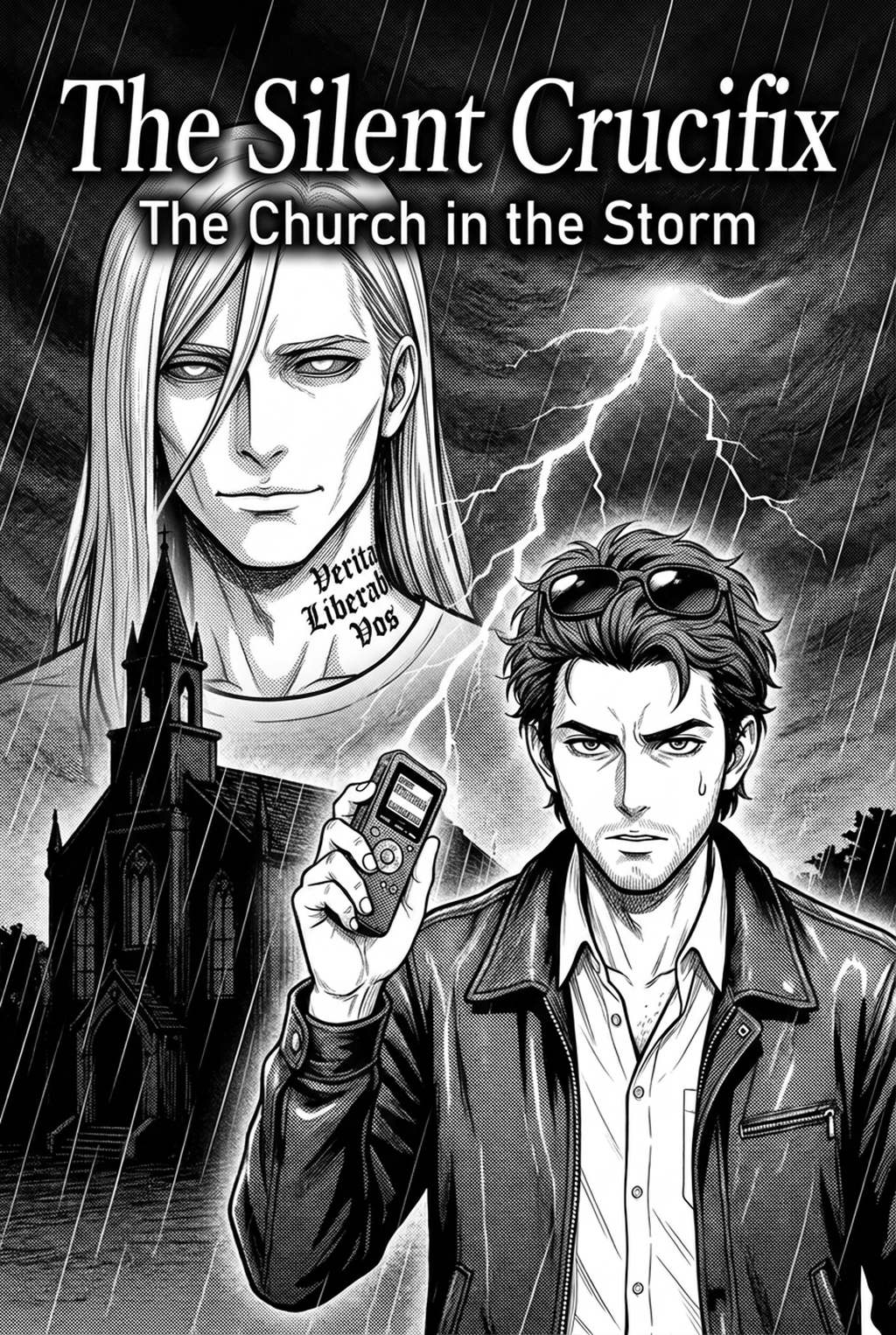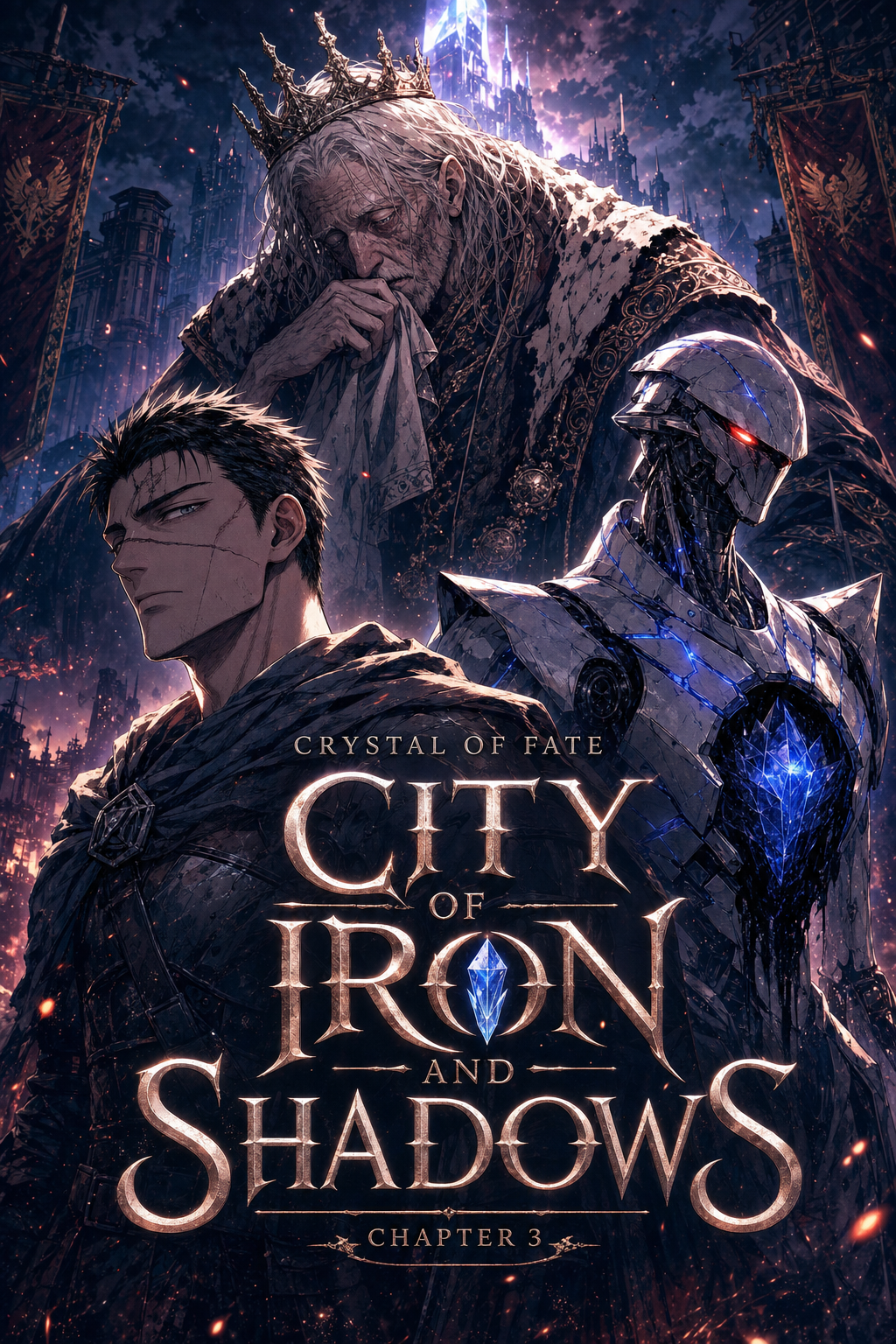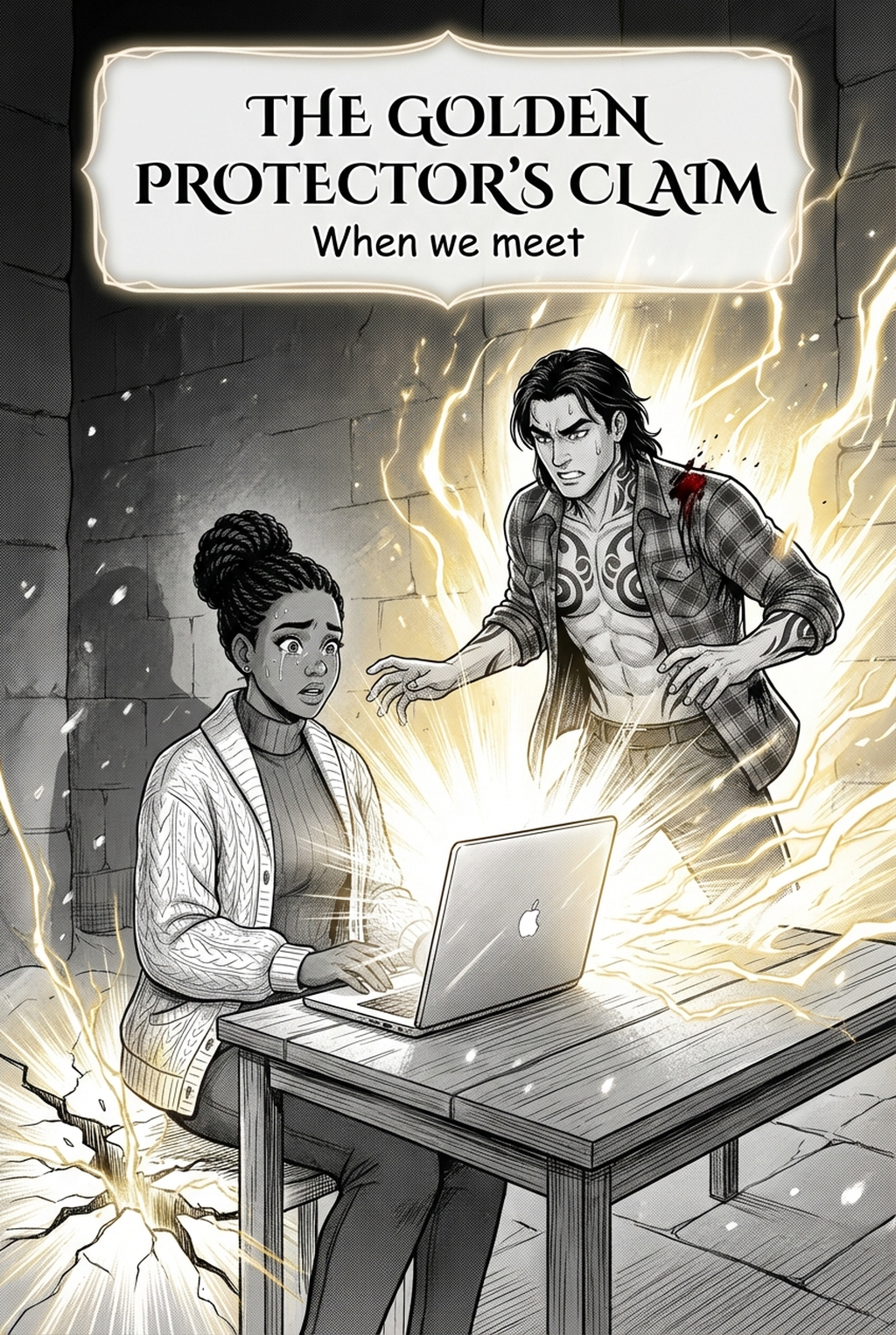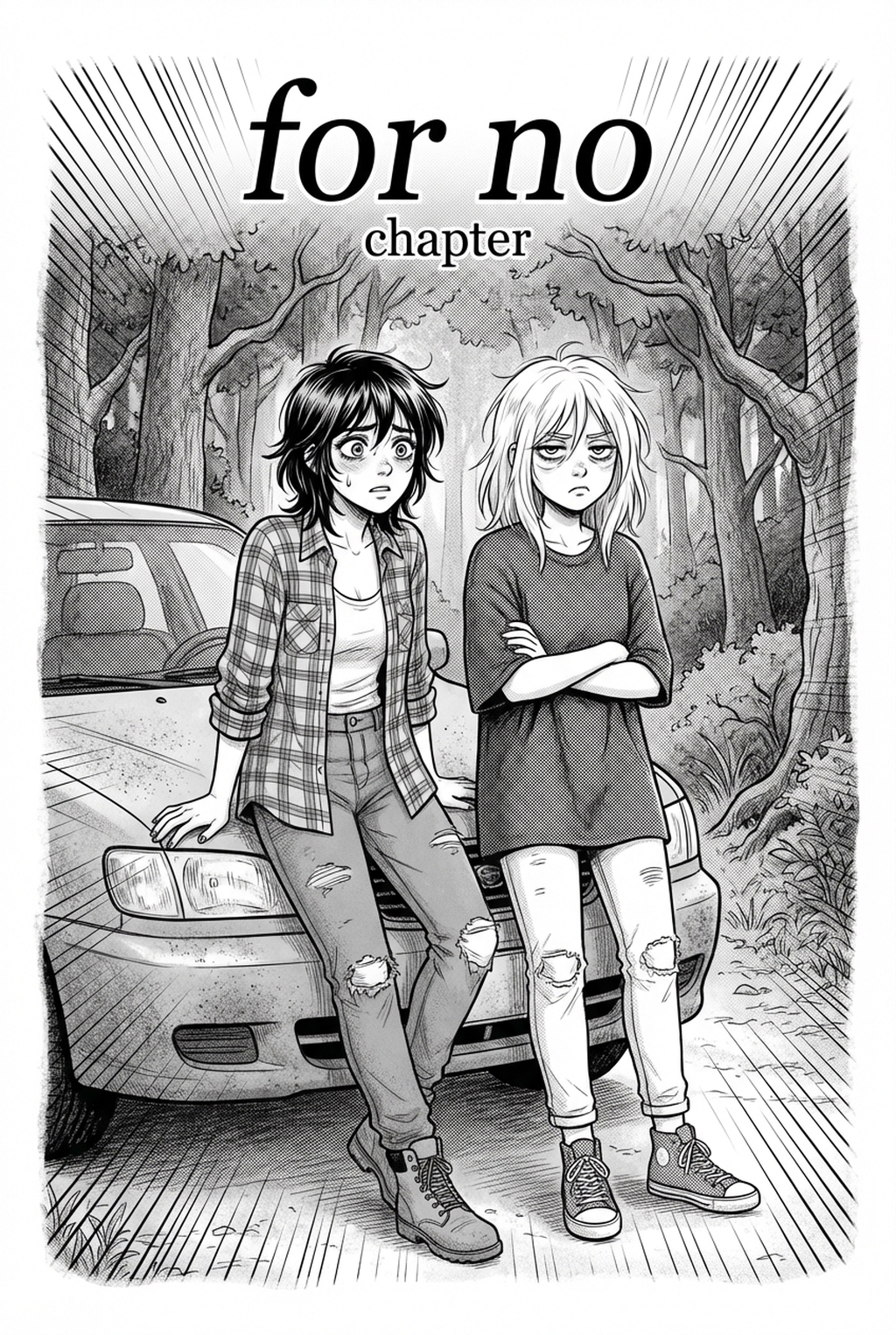
Defining the AI Manga Background Artist
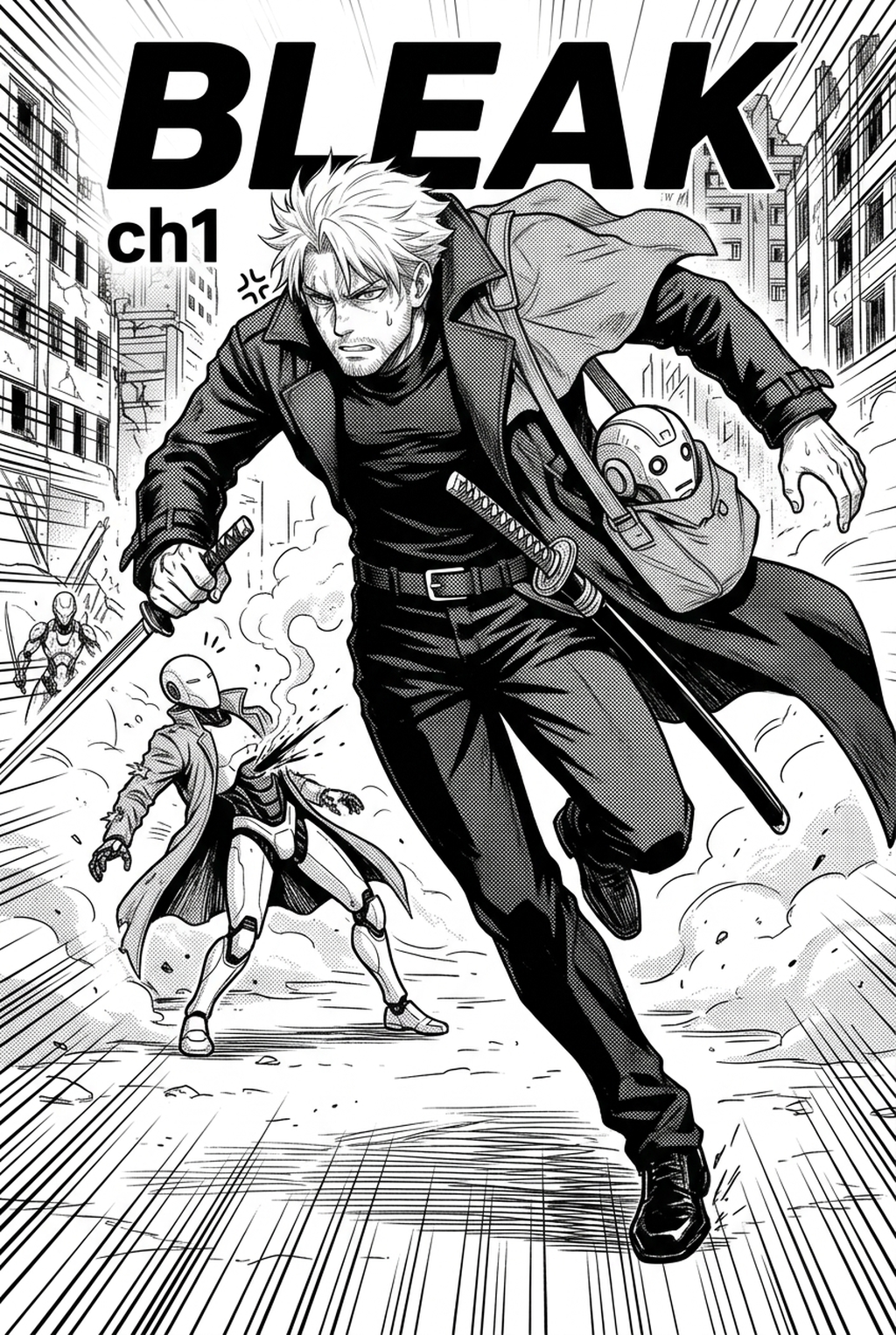
An action manga background acts as an extension of the character’s physical power, forcing the viewer to perceive velocity through intentional environmental distortion. Unlike slice-of-life scenery, these backdrops prioritize the "line of action" above geometric accuracy, using extreme perspective, aggressive speed lines, and debris layering to anchor the character in a space that feels like it is responding to a massive impact.
These backgrounds rely on three specific pillars to succeed in a professional manga workflow:
- Perspective Distortion: Stretching the vanishing points beyond reality to emphasize the speed of a projectile or a rapid dash toward the camera. * Environmental Interaction: The inclusion of secondary elements like cracked ground, airborne dust, or swaying foliage that signals the "wake" left by a character's special move. * Narrative Momentum: The use of motion-blur effects and high-contrast ink patterns to dictate the direction the reader’s eye moves within a single panel.
Why Specialized Environments Impact Reader Immersion
If your character appears to be floating in a vacuum because the background lacks a clear horizon or physical interaction, the reader loses their sense of scale and the battle’s stakes feel diminished. In Shonen-style manga, audiences expect the environment to sustain permanent damage, such as crumbled concrete or cratered floors, which proves that the character’s abilities are exerting real, measurable force upon the world.
Well-staged environments perform several critical narrative functions:
- Anchor Points: By providing a clear foreground and background, you establish where the character stands, which prevents the disorientation that often happens during mid-air fight sequences. * Epic Scaling: Massive environments make minor character movements, like a small pivot or a defensive stance, feel significant by framing them against overwhelming structures. * Visual Hierarchy: High-detail backgrounds provide the necessary "noise" to balance the clean, minimalist lines of the character, allowing the reader to distinguish between the protagonist and their surroundings.
How Your Production Workflow Evolves with Mangaka
Mangaka automates the conversion of your creative brief into production-ready line-art, effectively removing the manual perspective grid drafting that often stalls the inking process. Instead of spending six hours measuring ruler lines for a 3-point perspective building, you describe the scene’s energy—such as "crumbled wall fragments with heavy wind trails"—and the tool generates a background that aligns with your specific panel composition.
This integration functions as a powerful source context, allowing you to:
- Define Action Modifiers: Input specific visual descriptors for destruction, such as "shattered glass" or "explosive smoke," which the tool integrates into the existing perspective geometry. * Maintain Visual Consistency: Ensure that even as a fight moves through three separate locations, the background lighting and ink weight remain cohesive across the entire chapter. * Streamline Inking: Because the output provides clean, professional-grade lines, you spend less time cleaning up smudged sketches and more time refining the character’s expression.
To see how these generated backgrounds look in an actual, finished layout, action manga background to generate your first draft based on your current storyboards. This keeps the review focused on story intent, line weight, panel readability, and the export quality behind the final AI Manga Background Artist output.
Strategic Use Cases for Dynamic Backgrounds
Professional creators treat the background as a separate source context during the layout phase to ensure the character remains the visual priority. By treating the background as a layer-first element, you can apply screen tones or slight blurs to knock back the environment, creating a professional "camera focus" that directs the reader exactly where the action occurs.
Effective background management involves these professional tactics:
- Extreme Wide-Angle Beats: Use wide, sprawling environments to emphasize the size of an enemy or the scope of a battlefield during the opening pages of a major arc. * Atmospheric Depth: Contrast sharp, detailed foreground debris against a soft, hatched background to give the panel a sense of professional cinematic layering. * Shadow Terminology: Ensure that the light source from your character design is replicated exactly within the background; if the hero is backlit by an explosion, the background shadows must pull away from the viewer to maintain consistency.
Beginning Your Production with Mangaka
Starting with this tool is straightforward, but the real benefit lies in how it handles composition adjustments during your iteration phase. You do not need to settle for the first result; if the background feels too crowded, you can adjust the creative brief-based composition to pull back the perspective or reduce the density of the debris until the panel feels perfectly balanced.
Use the tool to generate lower-detail atmospheric backgrounds for close-ups, and save the high-density destruction backgrounds for double-page spreads. Yes, the tool allows for granular adjustments, meaning you can iterate on the environment until the layout perfectly supports the story beat. Use motion-blur modifiers and sharp perspective angles within your generation request to create the illusion of a character traveling at high speed.
Creators should compare the generated line art with the original sketch and confirm that facial expressions, props, speed lines, and speech-bubble space still support the scene. Creators can use each revision decision to clarify panel readability, character consistency, and export quality before publishing or sharing.
The Bottom Line
Elevating your action sequences requires backgrounds that actively participate in the narrative rather than just serving as a static backdrop. By incorporating automated tools that handle the heavy lifting of perspective and line-art, you gain the freedom to focus on the storytelling rhythm that defines a masterpiece. Start building your next fight scene by action manga background and see how much time you save on your next chapter.
Related articles
Creating an Isekai Manga Background: A Creator's Guide 2026
Manga Inking: From Traditional Dip Pens to AI Automation
Professional Manga Inking: Turn Your Sketches into Ink 2026