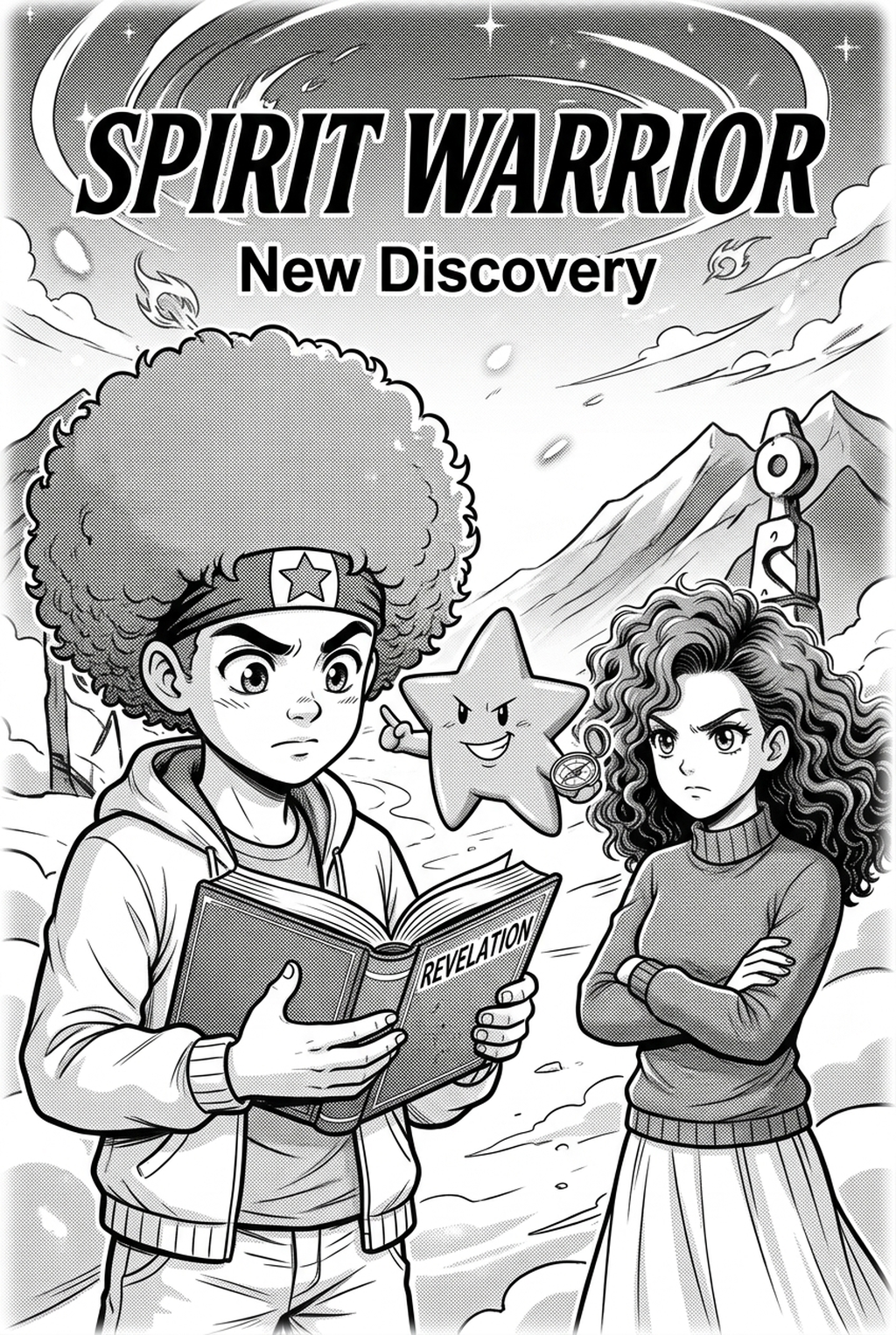
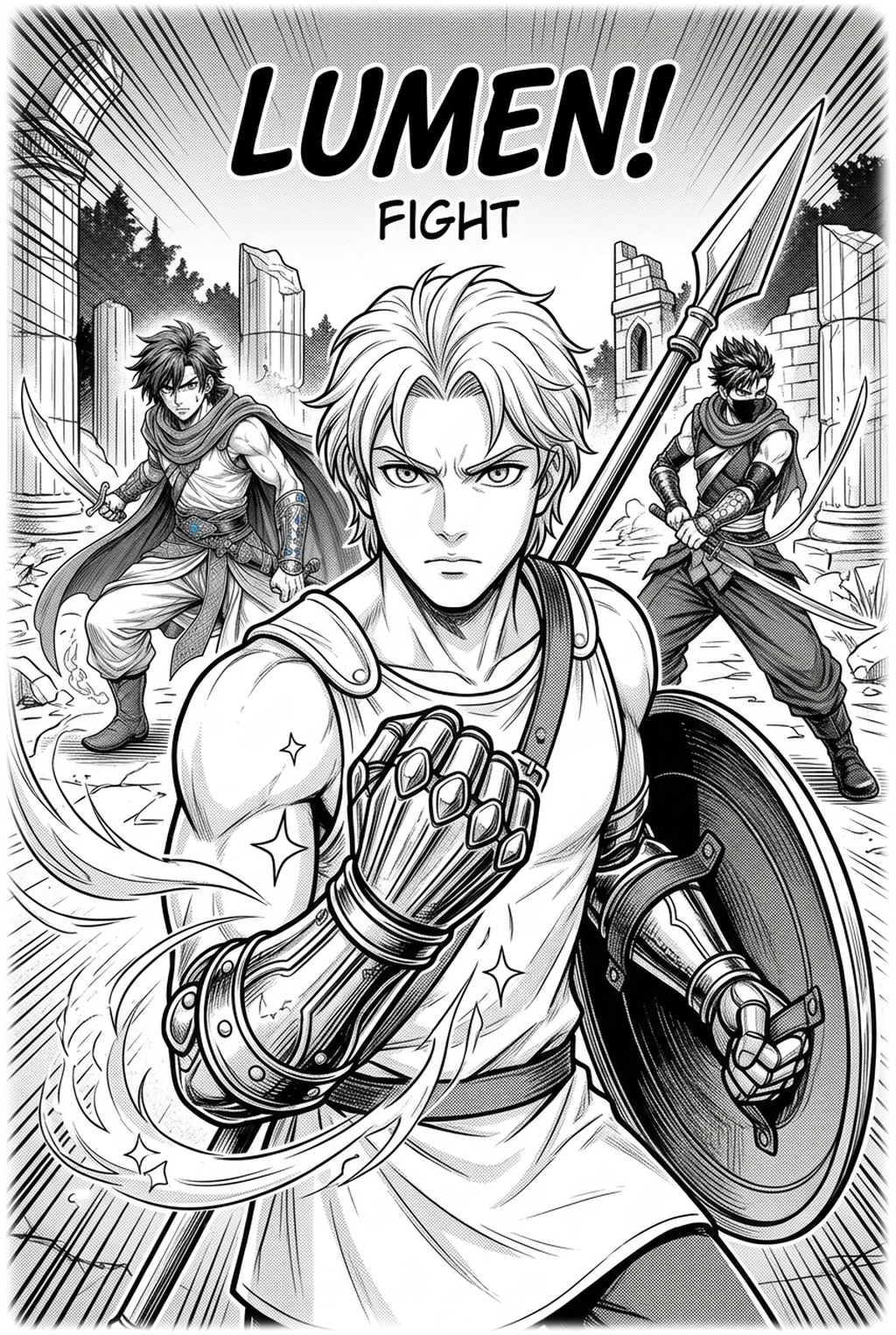
Creating a manga or digital webcomic from an initial written script has traditionally demanded extensive teams of storyboard artists, pencilers, and background designers. In 2026, the rise of advanced generative art and sequential workflow engines has democratized visual storytelling for Indian creators, enabling independent writers to adapt mythological epics, contemporary romance, and sci-fi graphic novels into professional manga format with unprecedented speed.
In this practical guide, we walk through the exact end-to-end production pipeline: converting raw screenplay drafts into panel-by-panel storyboards, maintaining character consistency, designing dynamic layouts, and publishing directly on platforms like Mangaka .
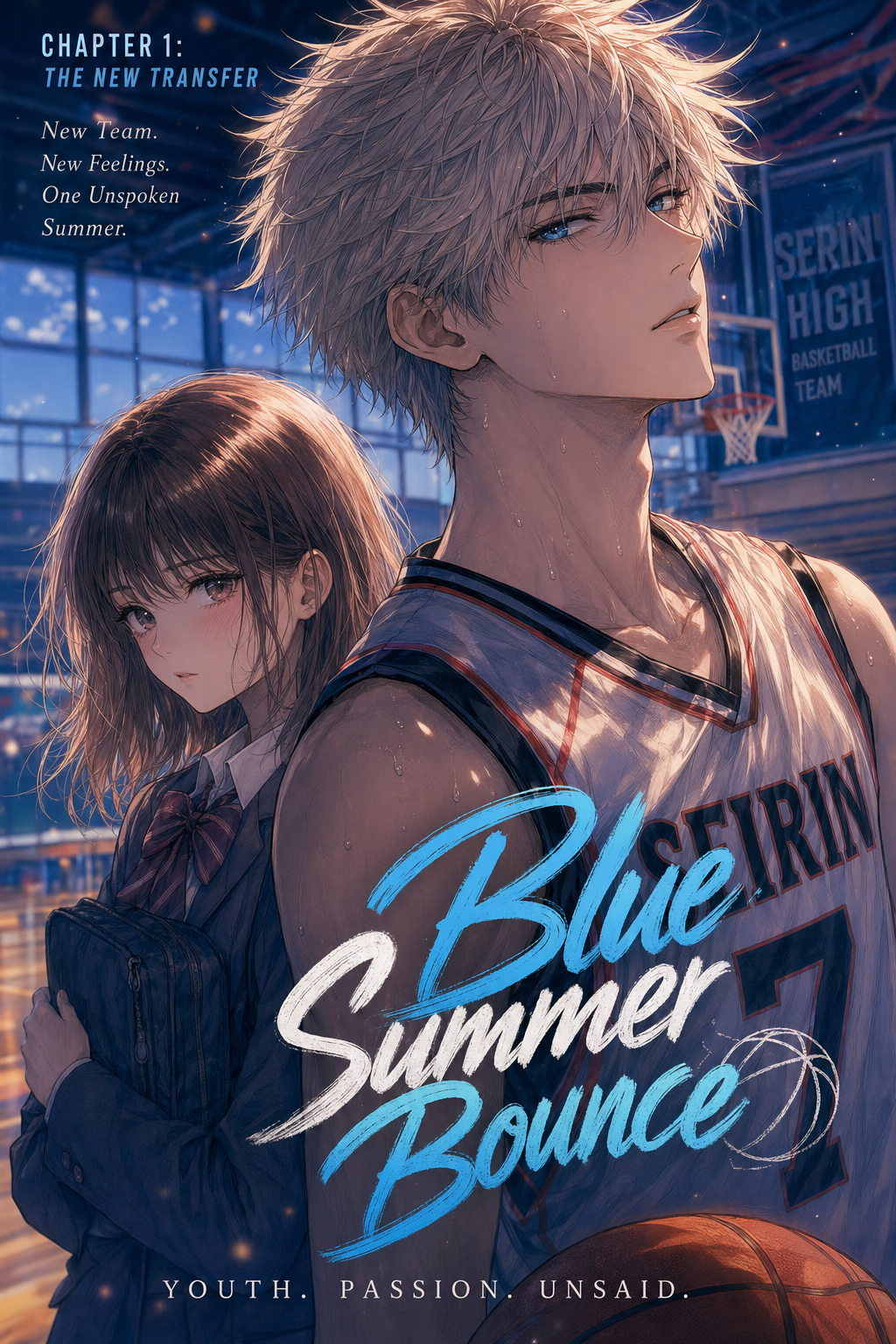
! Indian Creator Manga Production Workflow Figure 1: Adapting written scripts into structured visual storyboard frames with consistent style guidance on Mangaka.
What Is the Script-to-Manga Workflow?
The script-to-manga workflow is the systematic translation of written prose or screenplay scenes into sequential comic panels governed by visual pacing, focal hierarchy, and reading direction. Unlike standard text illustration, manga storytelling relies on rhythmic variation between compressed multi-panel dialogue beats and wide impact splash panels.
For independent creators in India, transforming regional literature, mythology, or modern drama into manga requires mastering three core phases:
- Scene Breakdown (Beats to Panels): Allocating 4 to 6 panels per page based on emotional intensity and narrative priority.
- Visual Continuity (Turnarounds & Model Sheets): Defining stable character facial features, hairstyles, and wardrobe across varied camera angles.
- Pacing and Flow: Arranging dialogue speech bubbles and onomatopoeia sound effects to guide the reader's eye naturally from panel to panel.
Step 1: Breaking Down the Script into Sequential Beats
Every compelling manga page revolves around a single dramatic focus or punchline. When adapting a screenplay into manga panels, avoid equalizing panel sizes; establish visual rhythm by contrasting small establishing shots with dominant key action panels.
| Panel Type | Narrative Function | Framing Technique |
|---|---|---|
| Establishing Frame | Introduces the environment, setting, and mood | Extreme wide angle, detailed architecture |
| Interaction Beat | Captures dialogue exchanges and character dynamics | Medium shot, over-the-shoulder framing |
| Emotional Climax | Highlights internal realization or sudden plot twist | Close-up on facial expressions and eyes |
| Action Splash | Delivers peak physical kinetic energy or impact | Diagonal framing, dynamic perspective, broken borders |
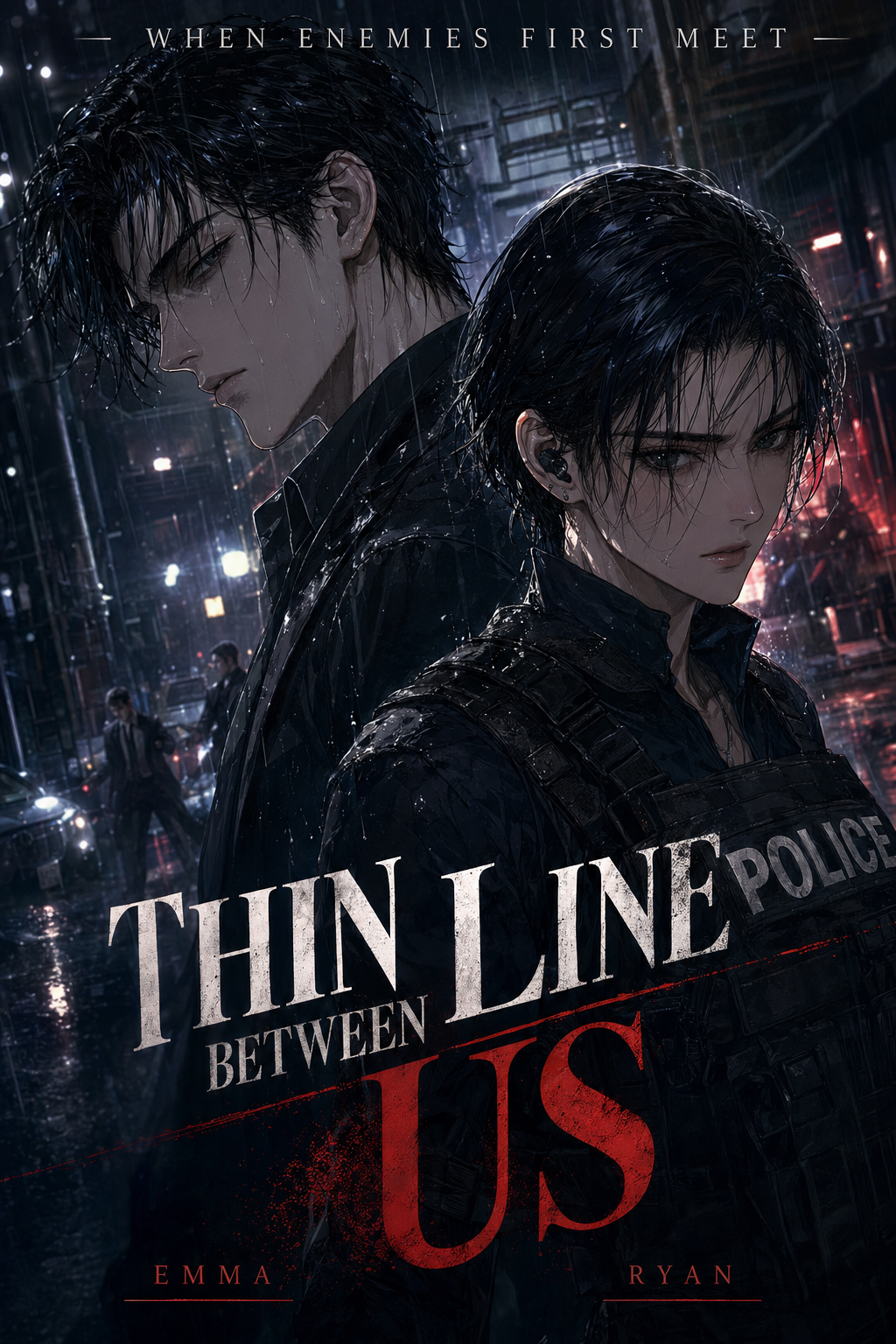
! Character Design and Pacing Breakdown Figure 2: Defining character model sheets and facial expression charts to maintain design integrity across panels.
Step 2: Ensuring Character Consistency Across AI Generations
The primary challenge writers encounter when creating manga with artificial intelligence is character drift—subtle alterations in facial structure, wardrobe details, and accessories across sequential shots. To eliminate inconsistencies:
- Build Comprehensive Character Model Sheets: Generate a multi-angle turnaround (front, 3/4 profile, side, and rear) before producing narrative panels.
- Lock Distinctive Visual Anchors: Utilize recognizable hair silhouettes, signature accessories, or contrasting costume elements that remain identifiable even in stylized silhouettes.
- Reference Seed Management: In Mangaka Studio , use dedicated character token slots to anchor recurring identities across chapters.
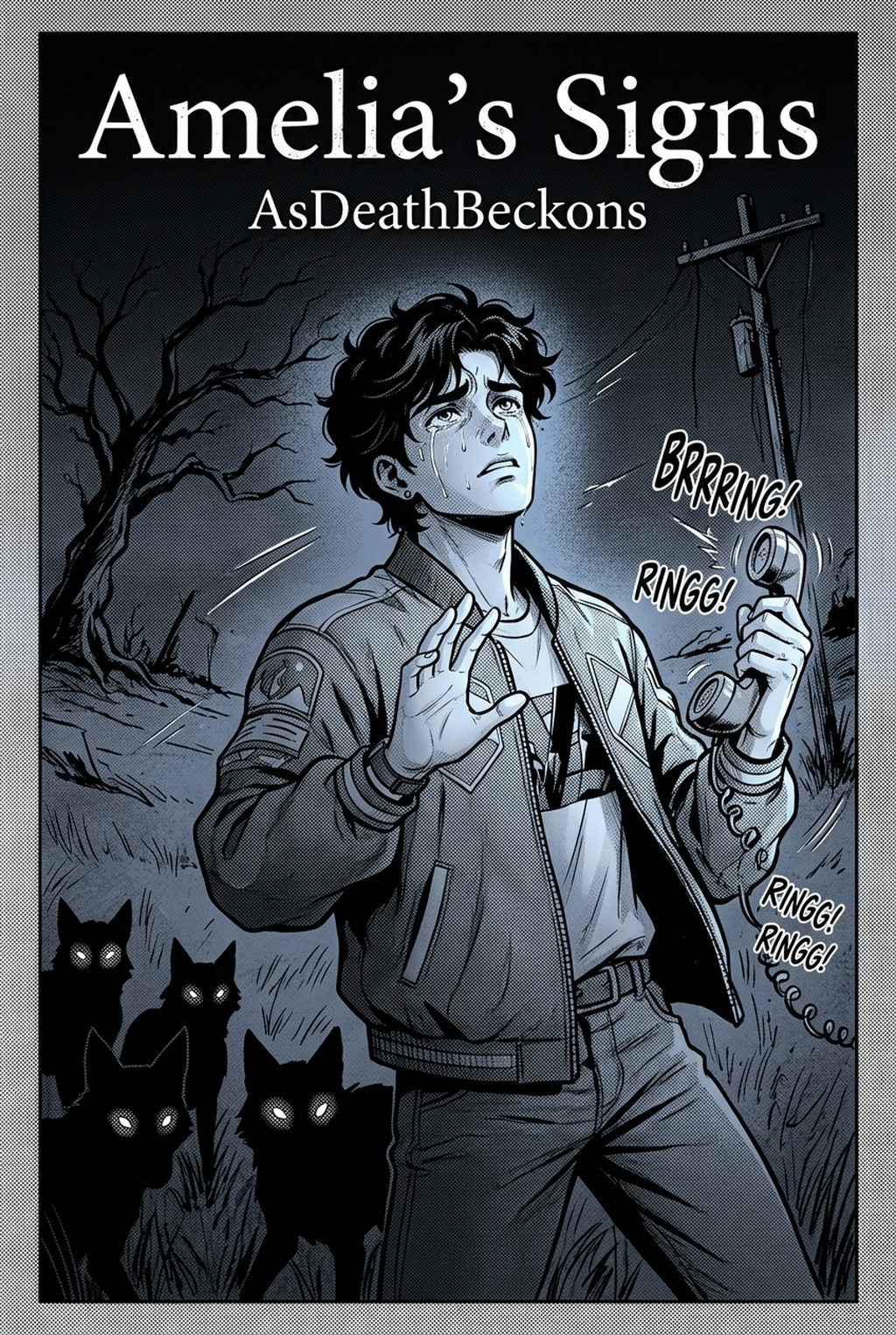
! Manga Background and Spatial Perspective Figure 3: Generating consistent background perspectives aligned with character placement and panel borders.
Step 3: Lettering, Dialogue Bubbles, and Visual Sound Effects
Lettering in manga is an integral artistic element rather than a mechanical afterthought. The positioning and shape of dialogue balloons direct the reader's eye path across the page:
- Speech Bubble Hierarchy: Place the first dialogue balloon at the top-left (for Western left-to-right reading) or top-right (for Japanese right-to-left format) to initiate the reading vector.
- Shape Language: Rounded bubbles convey calm natural speech; jagged angular bubbles denote shouting or sudden surprise; dashed outlines signify whispered secrets.
- Onomatopoeia (SFX): Integrate stylized sound effects directly into the composition to amplify visceral action beats and atmospheric ambiance.
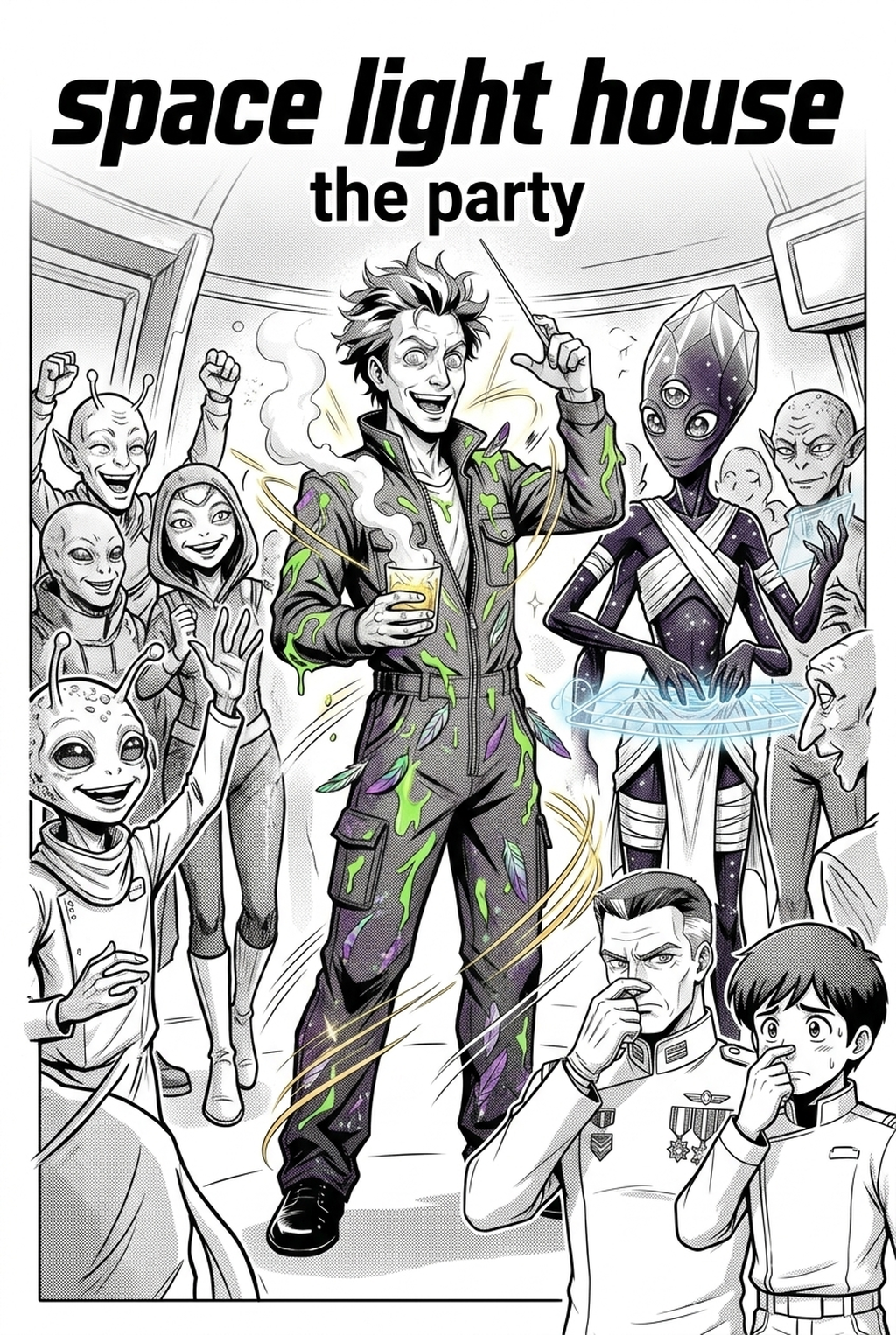
! Final Sequential Manga Page Production Figure 4: Final assembled manga spread showcasing dynamic paneling, balanced dialogue placement, and polished screentones.
Frequently Asked Questions (FAQ)
Can Indian creators publish manga in English and regional languages on Mangaka?
Yes, creators can author, serialize, and distribute manga across multiple languages on Mangaka, reaching international readers while preserving local narrative authenticity.
What is the ideal page count for an introductory manga chapter?
A standard introductory pilot or one-shot typically runs between 16 and 24 pages, allowing sufficient space for world-building, character introduction, and a self-contained narrative arc.
How does AI assist with panel pacing and thumbnail drafts?
AI engines help creators rapidly explore multiple panel layout variations, perspective angles, and camera compositions from written text prompts before committing to finalized line art.
Do I need prior digital drawing experience to make manga with AI?
No, modern AI-driven storytelling platforms emphasize directorial vision, narrative pacing, and layout composition, allowing scriptwriters to produce professional sequential art without traditional illustration training.
What resolution should digital manga pages be formatted in?
For standard digital web distribution and print readiness, pages should be designed at a minimum of 2000 pixels wide at 300 DPI to ensure crisp screentone reproduction and legible typography.
How can I monetize my manga series once completed?
Creators can monetize digital comics through platform revenue sharing, subscriber early access, crowd-supported serialization, and licensing intellectual property for physical publishing.