How to Create a Manga in Hindi with AI: Dual-Script & Visual Guide
<div class="tldr-block" style="background:#f8f9fa; border-left:4px solid #2563eb; padding:18px 24px; margin:24px 0; border-radius:6px;"> <strong>Key Highlights & Direct Overview:</strong> <ul> <li><strong>Cultural Synthesis:</strong> Master the integration of Indian visual motifs, architectural depth, and traditional epic themes with Japanese manga grammar.</li> <li><strong>Digital Production Pipeline:</strong> Step-by-step guidance on prompt engineering, line art control, Devanagari lettering, and multi-panel continuity.</li> <li><strong>Commercial Monetization:</strong> Actionable strategies for publishing across Indian digital platforms and establishing sustainable creator revenue streams.</li> </ul> <p style="margin-top:12px; font-weight:500; color:#1e293b;"> Creating an exceptional project centered on how to create a manga in hindi with ai in 2026 requires blending culturally authentic Indian narrative traditions with cutting-edge digital AI generation workflows. By structuring character sheets, Devanagari typography, and dynamic panelling, Indian creators can produce international-grade manga and webcomics while retaining authentic desi visual storytelling. </p> </div>
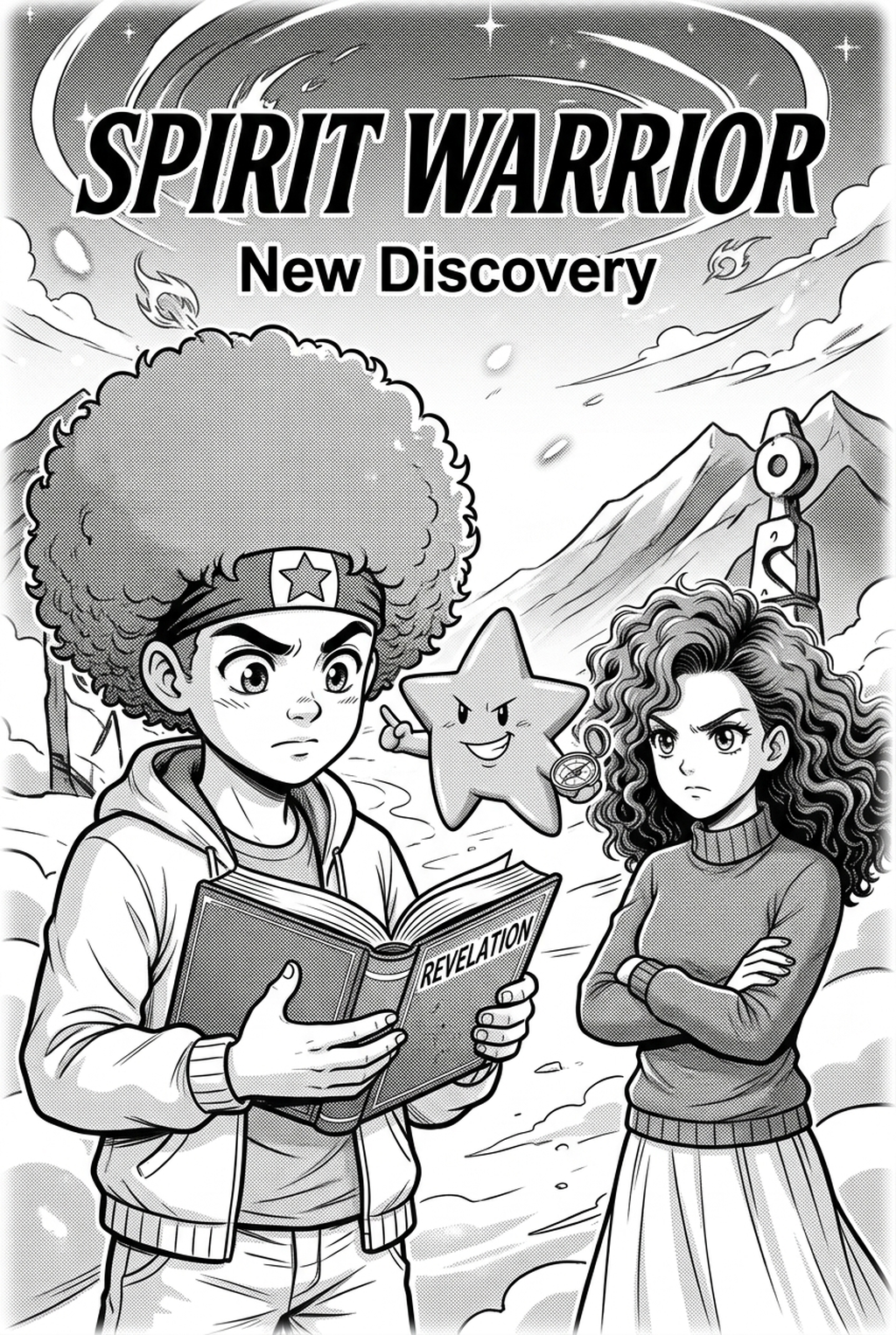
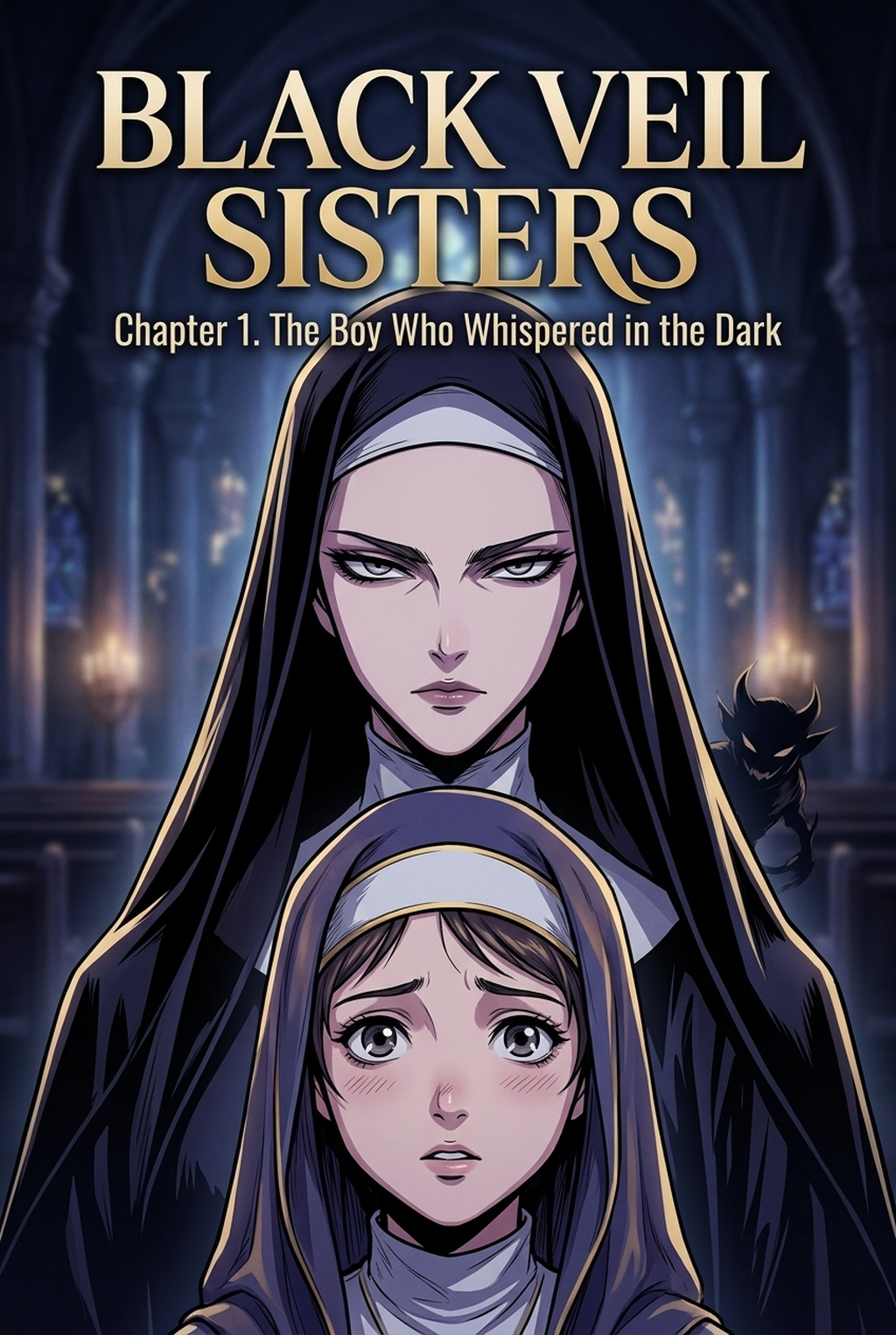
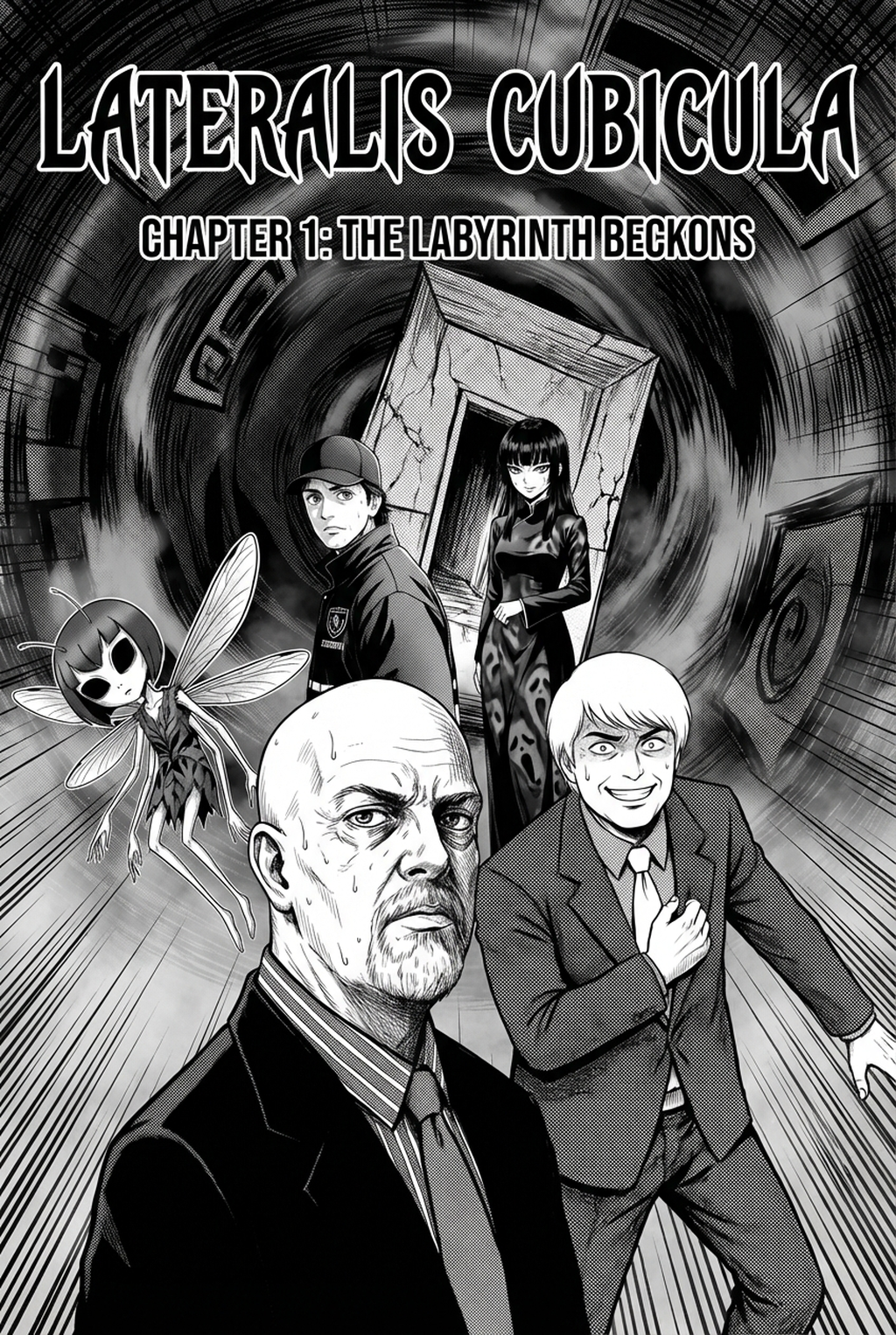
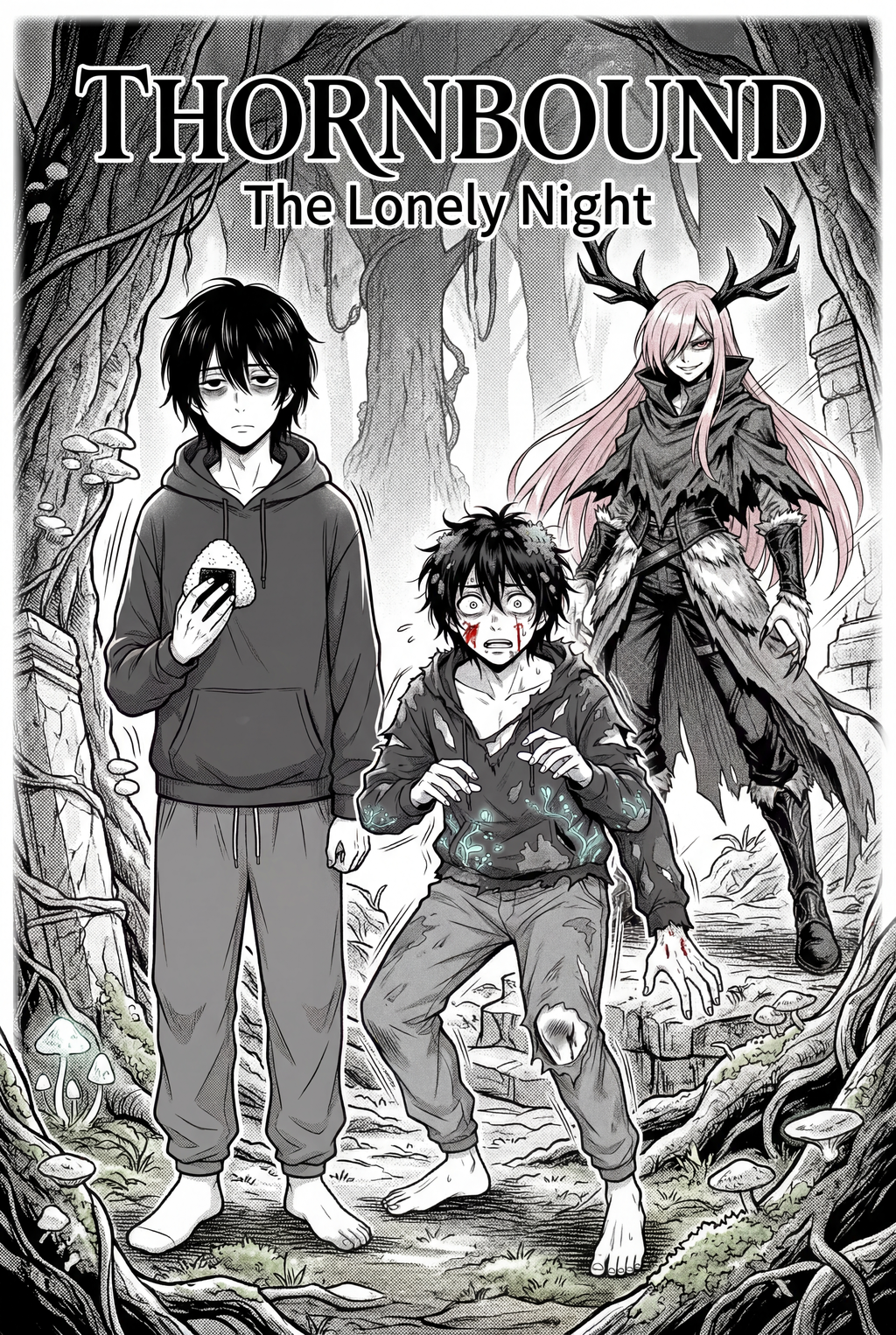
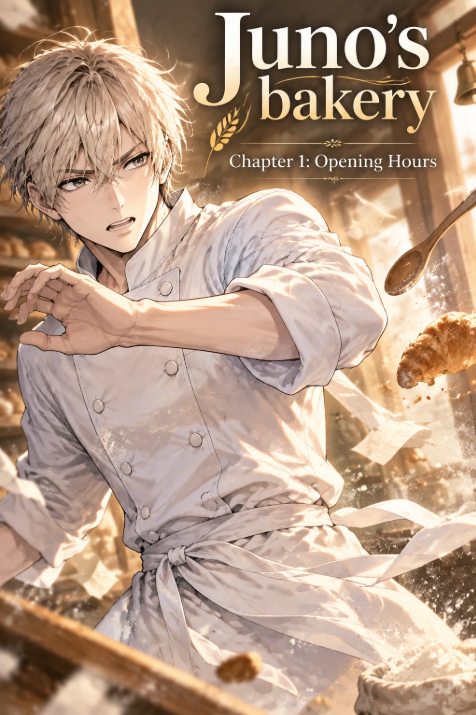
! How to Create a Manga in Hindi with AI: Dual-Script & Visual Guide - Hero Cover Visual Figure 1: Conceptual illustration showcasing Hindi Manga Creation and Localization with dynamic visual depth and modern digital comic styling.
1. Introduction: The Cultural Renaissance of Indian Comic Art in 2026
The comic industry across South Asia has entered an extraordinary golden era. Over the past five years, the rapid explosion of anime fandom across Tier 1, 2, and 3 Indian cities—from Mumbai and Bengaluru to Lucknow and Kochi—has sparked immense demand for visual stories that resonate with authentic local culture while adopting the kinetic energy of global manga.
Historically, Indian graphic storytelling thrived through legendary publishers like Amar Chitra Katha, Raj Comics, and Diamond Comics. Today, a new generation of indie creators is redefining the medium. By exploring how to create a manga in hindi with ai, artists are fusing centuries of rich mythology, diverse regional folklore, and modern desi youth culture with the expressive visual language pioneered by Japanese mangaka.
For indie creators, this convergence represents an unprecedented creative frontier. Where traditional comic publishing once required massive publishing houses, specialized printing presses, and prohibitive capital investment, today's creator stack leverages sophisticated digital suites. Creators can transition from an initial conceptual brainstorm to fully finished, printable, and mobile-optimized graphic narratives in a fraction of the time.
In this comprehensive guide, we will unpack the complete architecture of Hindi Manga Creation and Localization. Whether your ambition is to launch a viral vertical webtoon, publish a physical graphic novel volume on Amazon KDP, or build an engaged community at Indian Comic Con festivals, this blueprint provides the practical, technical, and artistic principles necessary to succeed.
2. Comparative Analysis: Traditional Indian Comic Production vs. Modern AI-Powered Workflows
To understand the strategic advantage of modern workflows, we must evaluate the resource requirements across each phase of the comic creation lifecycle.
Traditional comic production in India has often faced structural bottlenecks: long production cycles, high costs per colored page, and limited access to professional mentorship. Conversely, modern generative pipelines democratize access, allowing solo storytellers to operate with the output capacity of an entire production studio.
| Production Phase | Traditional Indie Workflow (Manual) | AI-Assisted Creator Pipeline (2026) | Strategic Advantage for Indian Creators |
|---|---|---|---|
| Scriptwriting & Pacing | Handwritten scripts or generic text editors with separate storyboards | Integrated text engines generating panel-by-panel breakdown and camera directions | Reduces storyboard iteration time from 2 weeks to under 4 hours |
| Character Design | Dozens of hand-drawn turnaround sheets and manual palette matching | Prompt-guided consistent character sheets with fixed seed anchors | Rapid visual development across costumes, ornaments, and expressions |
| Line Art & Inking | Manual pencil drafting, digital pen inking (10–18 hours per page) | High-resolution line generation with customized screentones (<10 mins per panel) | Enables weekly serialization schedules without artist burnout |
| Background & Perspective | Complex manual perspective grids for historical palaces or temple architecture | Spatial perspective engines rendering 1-point, 2-point, and 3-point architectural grids | Accurately renders intricate Mughal, Dravidian, and Rajput architectural details |
| Lettering & Typography | Tedious manual typesetting, difficult Devanagari font rendering | Automated balloon positioning with dual-script English-Hindi text optimization | Flawless glyph placement and readability on small smartphone displays |
| Publishing & Distribution | Physical print runs (500–1,000 copy minimum) or static PDF sharing | Direct export to Webtoon vertical format, Mangaka digital hosting, and KDP print | Instant zero-cost distribution to millions of mobile-first comic readers |
3. Cultural Elements and Aesthetic Integration: Devanagari typography, Matra placement in vertical/horizontal dialogue, Hindi vernacular storytelling, colloquialisms vs formal Hindi, Indian indie manga readers.
A critical pitfall in graphic storytelling is superficial localization. Simply placing a character in traditional clothing without understanding visual weight, cultural context, and narrative nuance results in jarring, unconvincing artwork.
When developing artwork for Hindi Manga Creation and Localization, creators must master specific aesthetic disciplines:
3.1 Architectural Authenticity and Environmental Perspective
Indian architecture provides some of the most dynamic, awe-inspiring backdrops in visual literature. When depicting mythological or contemporary Indian settings, consider:
- Dravidian Temple Gopurams: Characterized by steep, pyramidal towers covered in rhythmic sculptures. Use high-angle bird's-eye camera angles to emphasize dramatic scale.
- Rajput and Mughal Jharokhas: Intricate stone lattice windows (jaali work) and arched balconies offer natural framing devices for panels, drawing the reader's eye toward character dialogue.
- Urban Desi Contrasts: If your comic is set in contemporary urban India, contrast the clean lines of modern metro stations with bustling roadside chai stalls, vibrant street murals, and overhead electrical lines.
3.2 Costume Silhouette, Fabric Physics, and Ornamentation
Manga thrives on expressive movement, which pairs exquisitely with traditional Indian fabrics. When characters leap, fight, or perform supernatural feats:
- Draped Fabrics: Sarees, dhotis, and dupattas possess unique drape and tension points. Ensure that folds follow gravitational and kinetic vectors during action scenes.
- Traditional Armor & Weapons: Explore iconic weaponry such as the Khanda (double-edged straight sword), Urumi (flexible whip-like blade), and ornate Gadas (blunt maces), utilizing high-contrast inking to highlight reflective metal textures.
! Cultural Character Design Study Figure 2: Detailed character design exploration illustrating the integration of classical Indian textile patterns, expressive facial anatomy, and clean manga line art.
4. Step-by-Step Production Roadmap: From Initial Concept to Finished Comic Pages
Executing a professional comic project requires a systematic, disciplined methodology. Follow this proven six-step framework to transition your creative vision into an internationally competitive publication:
[Phase 1: Narrative Architecture] ──> [Phase 2: Character Sheet Generation]
               │                                      │
               ▼                                      ▼
[Phase 3: Panel Layout & Composition] <── [Phase 4: Line Art & Screentone Inking]
               │                                      │
               ▼                                      ▼
[Phase 5: Bilingual Lettering] ─────────> [Phase 6: Quality Control & Publishing]
Step 1: Establish Your Narrative Architecture and Script Format
Every memorable comic begins with an airtight script. Organize your screenplay using the standardized manga two-column format:
- Divide your narrative into distinct narrative arcs and chapter milestones (typically 18–24 pages for standard manga, or 45–60 panels for vertical webtoons).
- For each panel, define three clear parameters: camera angle (e.g., Extreme Close-Up, Worm's Eye View), environmental background description, and character dialogue/sound effects.
- Review our foundational guide on how-to-write-manga-script-format-storyboarding-pacing-guide to master professional storyboarding syntax and dialogue pacing.
Step 2: Develop Consistent Character Model Sheets
Visual continuity is the hallmark of professional visual storytelling. In AI-assisted comic production, character drift can quickly alienate readers:
- Generate an authoritative master model sheet showcasing your protagonist in multiple rotations: front facing, 3/4 hero angle, profile, and back view.
- Establish unambiguous physical anchors: a signature hairstyle, distinct eye shape, specific scar or ornament, and structured clothing palette.
- Lock these parameters into your prompt libraries. For a deep dive into maintaining character stability across multiple chapters, consult our visual tutorial on how-to-keep-characters-consistent-in-ai-manga-visual-guide .
Step 3: Architect Dynamic Panel Compositions and Visual Flow
Paneling dictates the emotional heartbeat of your story. Indian action sequences and emotional confrontations require purposeful composition:
- Employ the Japanese "Z-reading path" for English/Hindi left-to-right reading conventions. Position entry-point focal subjects at the top-left and climax moments at the bottom-right.
- Vary panel dimensions dynamically: wide panoramic panels for sweeping mythological battlefields or majestic palace courtyards, narrow vertical panels for swift acrobatic strikes.
- Study our comprehensive breakdown of how-to-master-manga-panel-composition-visual-flow-guide and how-to-layout-manga-page-dynamic-panels-gutters to perfect gutter spacing and panel bleeding.
Step 4: Generate High-Resolution Line Art and Digital Backgrounds
Once panel blocking is finalized, generate your core line art and atmospheric backgrounds:
- Utilize prompt descriptors specifying clean black-and-white ink work, variable line weight, and authentic cross-hatching.
- Synthesize background perspective grids that align naturally with your character's horizon line. Learn advanced architectural rendering in our guide on how-to-create-manga-backgrounds-with-ai-perspective-guide .
- Apply digital screentones for shading, shadows, and textile textures, referencing our technical walkthrough on manga-screentones-and-shading-digital-texture-guide .
Step 5: Master Lettering, Speech Bubbles, and Dual-Script Typography
Lettering is the unsung hero of comic readability:
- Ensure speech balloons never obscure focal facial expressions or crucial background storytelling elements.
- When formatting Devanagari or regional Indian scripts, maintain adequate vertical line-height (leading) to prevent matras (vowel diacritics) from clipping against bubble borders.
- Follow the digital typography guidelines established by international web standards at the W3C Digital Writing Modes Specification .
Step 6: Final Digital Assembly, Export, and Quality Control
- Compile your finished panels into standardized high-resolution print files (300–600 DPI TIFF/PDF) or optimized mobile webtoon strips (800x1280px JPG/WebP).
- For mobile webtoon formatting, review our guide on webtoon-vertical-scroll-formatting-mobile-pacing-guide .
- Verify that your storytelling follows the end-to-end production standards outlined in how-to-turn-story-into-manga-with-ai-script-to-pages and how-to-create-manga-using-ai-beginner-step-by-step-guide .
<div class="cta-mid-block" style="background: linear-gradient(135deg, #1e1b4b 0%, #312e81 100%); color: #ffffff; padding: 32px; border-radius: 12px; margin: 36px 0; text-align: center;"> <h3 style="color:#ffffff; margin-bottom:12px; font-size:22px;">Transform Your Indian Story Ideas into Finished Manga</h3> <p style="color:#e0e7ff; max-width:650px; margin:0 auto 20px auto; font-size:15px; line-height:1.6;"> Ready to bring your mythological epics and original graphic novels to life? Mangaka gives Indian creators all-in-one AI tools for consistent character creation, automated panel layouts, and professional digital screentoning. </p> <a href="https://www.mangaka.app" target="_blank" rel="noopener noreferrer" style="background:#f59e0b; color:#111827; font-weight:700; padding:12px 28px; border-radius:8px; text-decoration:none; display:inline-block; transition:background 0.2s;">Start Creating on Mangaka Now</a> </div>
5. Technical Hardware and Software Tool Stack for Indian Creators
Creating high-volume, professional digital comics does not require spending lakhs on enterprise equipment. Modern creators in India can establish an elite workstation on a practical budget:
| Tool Category | Recommended Solutions | Indian Market Cost (INR) | Primary Functional Role in Comic Workflow |
|---|---|---|---|
| Drawing Tablet (Input Hardware) | Huion Inspiroy H640P / XP-Pen Deco 01 V2 | ₹3,500 – ₹5,500 | Ergonomic pressure-sensitive sketching, touch-up inking, and manual adjustments |
| All-in-One AI Manga Studio | Mangaka AI Platform | Cloud-based / Freemium | End-to-end comic generation: character turnaround, panel layout, script adaptation |
| Raster & Vector Editing | Krita (Free/Open Source) / Clip Studio Paint | Free / ₹4,200 one-time | Final panel assembly, color balance, specialized speedlines, and raster touchups |
| Typography & Lettering Suite | Inkscape / Adobe Illustrator | Free / Subscription | Scalable vector word balloons, custom Devanagari fonts, and dynamic sound effects |
| Display Hardware | 1080p IPS Monitor (24-inch) or iPad 9th Gen | ₹9,500 – ₹26,000 | Color-accurate proofing and vertical mobile layout preview testing |
! Hardware and Digital Drawing Setup Figure 3: Modern digital creator desk setup featuring a budget-friendly pen tablet, dual monitor orientation for script reference, and cloud AI production interfaces.
6. Publishing Channels and Distribution Channels in India
Once your comic chapter is completed and polished, choosing the right distribution channels determines your readership velocity and commercial viability. In 2026, Indian comic creators have access to both thriving domestic platforms and global digital ecosystems:
6.1 Domestic Indian Comic & Webtoon Apps
- Pratilipi Comics: India's largest storytelling network with millions of active vernacular readers across Hindi, Tamil, Telugu, Bengali, and English. Ideal for serialized webcomics with regional cultural appeal.
- Kross Komics: A specialized digital vertical comic app with strong engagement among youth and college demographics.
- Self-Published Print on Demand: Platforms like Notion Press and Pothi offer affordable print-on-demand services, enabling indie artists to sell paperback volumes across Amazon India and Flipkart with zero upfront inventory risk.
6.2 Global Digital Webtoon Platforms
- WEBTOON CANVAS: The premier global self-publishing hub. Allows Indian creators to reach global audiences directly. Discover more about the history of digital scroll comics at the Wikipedia Webtoon Reference .
- Tapas Community: Highly monetization-friendly platform with strong reader support for fantasy, action, and romance genres.
- Global Manga Portals: Read about the broader cultural impact and structural conventions of Japanese comics at the Wikipedia Manga Reference .
7. Monetization Playbook: How Indian Indie Artists Earn Sustainable Revenue
Creating comics is a labor of love, but transforming it into a sustainable full-time career requires a multi-tiered monetization strategy. Successful creators rarely depend on a single income stream:
7.1 Direct Reader Support and UPI Tipping
India's Unified Payments Interface (UPI) has revolutionized digital payments. Indie creators can integrate direct reader tipping links (via Razorpay, Buy Me a Coffee with Indian cards, or custom QR codes) directly into the end credits of each published chapter. When readers feel a genuine connection to your characters, micro-donations of ₹50, ₹100, or ₹500 accumulate rapidly.
7.2 Crowdfunding and Fan Subscriptions
Platforms like Patreon, coupled with domestic alternatives, allow dedicated superfans to access exclusive tier perks:
- Early access to new chapters 1–2 weeks before public release.
- High-resolution digital wallpapers and printable character posters.
- Behind-the-scenes script drafts, prompt formulas, and character concept art.
7.3 Merchandise and Convention Presence
India's Comic Con ecosystem—spanning Delhi, Mumbai, Bengaluru, Hyderabad, and Chennai—draws tens of thousands of passionate fans annually. Indie creators who establish distinct intellectual property (IP) can sell high-margin merchandise:
- Acrylic keychains and metallic pin badges featuring original characters.
- High-quality oversized graphic tees and hoodies produced via Indian print-on-demand services.
- Limited-edition signed art prints and sketchbook compilations.
Learn more about the rich history of Indian comic conventions and publishing milestones via the Wikipedia Comics in India Documentation .
! Comic Convention and Reader Engagement Figure 4: Vibrant indie creator booth at an Indian Comic Con festival, illustrating direct engagement with fans, physical book sales, and merchandise showcase.
8. Legal Frameworks, Intellectual Property, and Fair Use in India
A frequent question among aspiring graphic novelists concerns the legal status of AI-assisted comics under Indian copyright law:
- Human Authorship Requirement: The Indian Copyright Act (1957) emphasizes the doctrine of human creative intellect. To secure robust copyright protection, ensure that your creative contributions—such as original script writing, character worldbuilding, panel arrangement, and human editorial revisions—are comprehensively documented.
- Attribution and Open Assets: When utilizing open-source textures, public reference photographs, or third-party fonts, ensure compliance with recognized licensing frameworks like the Creative Commons Attribution 4.0 International License .
- Trademarking Original Character IP: If your webcomic gains substantial traction, consider registering your series title and lead character names as trademarks with the Controller General of Patents, Designs, and Trade Marks (CGPDTM) in India to safeguard your commercial licensing rights.
9. Comprehensive Quality Assurance Checklist for Creators
Before pushing your comic live to any publishing platform, review this eight-point quality assurance matrix to ensure flawless technical and artistic delivery:
[Quality Assurance Matrix]
├── 1. Anatomy & Silhouette: Clear character poses with readable action lines
├── 2. Perspective Consistency: Horizon line matches character eye-levels
├── 3. Screentone Moire Prevention: Dot screen frequencies optimized for digital screens
├── 4. Gutter Spacing: Adequate visual breathing room between sequential beats
├── 5. Dialogue Legibility: Font size >= 14pt on mobile screens; no matra clipping
├── 6. Contrast & Lighting: Balanced deep blacks, mid-tone grays, and highlights
├── 7. File Optimization: Page files under 2MB for rapid mobile loading
└── 8. Metadata & SEO: Accurate category tags, synopsis, and engaging cover art
! Quality Control and Final Page Proofing Figure 5: Creator conducting thorough quality control and digital proofing on a dual-screen tablet setup before final chapter export and web publishing.
11. Advanced Production Deep-Dive: Mastering Hindi Manga Creation and Localization for the Indian Market
To elevate a project focused on how to create a manga in hindi with ai from an amateur experiment to a benchmark series in the Indian digital comics ecosystem, creators must address the technical nuances of Unicode Devanagari OpenType ligatures, Shirorekha (top-bar) spacing inside elliptical speech balloons, Hinglish vs Shuddh Hindi register selection, Hindi sound effect (dhwani) hand-lettering, and regional distribution across North and Central India.. While surface-level guides stop at basic prompt generation, professional serialization demands rigorous engineering across visual staging, cultural research, and reader retention.
11.1 Granular Scene Staging and Visual Direction for Hindi Manga Creation and Localization
When directing sequential pages for Indian readers, every scene should balance emotional intimacy with cinematic spectacle. Consider how visual rhythm operates across a standard 20-page manga chapter or a 55-panel vertical webtoon episode:
- Opening Hook (Panels 1–6): Establish the geographical and atmospheric setting immediately. Whether the scene opens on a monsoon-drenched railway platform in Mumbai, an ancient stone mandapa in Hampi, or a bustling coaching institute corridor in Kota, anchor the reader's eye with a wide establishing shot before cutting to a tight close-up of the protagonist's eyes.
- Narrative Escalation (Panels 7–25): Alternate between medium two-shots for dialogue exchanges and diagonal dynamic panels for tension. When illustrating Devanagari typography, Matra placement in vertical/horizontal dialogue, Hindi vernacular storytelling, colloquialisms vs formal Hindi, Indian indie manga readers., use foreground silhouettes—such as temple pillars, banyan tree roots, or crowded market stalls—to create multi-plane parallax depth.
- Mid-Episode Turning Point (Panels 26–40): Introduce a visual contrast shift. In monochrome manga workflows on Mangaka.app , shift from light 15% screentone backgrounds to heavy 70% cross-hatched shadow blocks or dramatic beta-flash speedlines to signal psychological or physical conflict.
- Climax and Cliffhanger Payoff (Panels 41–55): Reserve your largest vertical bleed panel or full-page splash for the emotional peak. Leave the final two panels as a lingering reaction shot or an unanswered narrative question that compels readers to scroll straight into the next episode.
11.2 Technical Specification Matrix for Indian Digital & Print Distribution
Indian creators frequently distribute the same intellectual property across multiple formats—from smartphone vertical scroll apps to physical trade paperbacks sold at conventions. Maintaining master files with proper resolution and bleed margins prevents costly redrawing:
| Deliverable Format | Master Canvas Dimensions | Resolution (DPI) | Color Profile | Safe Text Margin | Primary Indian Distribution Channel |
|---|---|---|---|---|---|
| Vertical Webtoon Strip | 800 x 1280 px per slice (stitched from 3200 px wide master) | 72–150 DPI | sRGB IEC61966-2.1 | 60 px left/right padding | Webtoon Canvas, Pratilipi Comics, Instagram Carousel |
| Standard B&W Manga Page | 148 x 210 mm (A5 trim) + 3 mm bleed | 600 DPI (monochrome) | Grayscale / 1-bit Bitmap | 12 mm inner binding gutter | Amazon KDP India, Notion Press, Indie Comix Fest |
| Collector Graphic Novel | 170 x 260 mm (Standard Comic) + 5 mm bleed | 300–450 DPI | CMYK (FOGRA39) | 15 mm safe zone | Delhi/Mumbai/Bengaluru Comic Con Booths |
| Promotional Motion Reel | 1080 x 1920 px (9:16 vertical video) | 300 DPI source assets | sRGB | 150 px top/bottom UI buffer | YouTube Shorts, Instagram Reels, ShareChat |
11.3 Solving the 5 Most Common Production Bottlenecks in Hindi Manga Creation and Localization
Even experienced digital illustrators encounter recurring roadblocks when scaling up output for how to create a manga in hindi with ai. Below is a field-tested troubleshooting protocol tailored for solo creators and small indie teams:
- Inconsistent Costume Ornaments Across Angles: Indian attire and mythological jewelry contain intricate geometric patterns that can drift between panels. Solution: Simplify secondary ornaments in medium and wide shots, reserving hyper-detailed filigree and zari embroidery strictly for close-up focal panels. Lock the primary silhouette and colour-value blocking in your character reference sheet.
- Cramped Speech Bubbles in Bilingual Editions: Translating English dialogue into Hindi or regional languages often expands vertical text height by 20% to 35% due to vowel matras. Solution: Size all speech balloons during the initial layout phase with a 30% whitespace buffer so localized editions never obscure character faces.
- Visual Fatigue on Budget Smartphone Screens: Over 85% of Indian webcomic readers consume episodes on 6.1-inch to 6.7-inch mobile screens outdoors or during commutes. Solution: Avoid muddy mid-gray tonal washes; maintain crisp black-and-white contrast and keep dialogue font sizes at a minimum of 14pt equivalent at 800px width.
- Slow Chapter Turnaround Breaking Algorithmic Momentum: Serialization algorithms reward weekly or bi-weekly consistency. Solution: Batch-produce your scripts and thumbnail storyboards four chapters at a time, then use Mangaka's AI studio workflow to generate consistent base panels in parallel before doing a unified manual inking and lettering pass.
- Weak Reader Conversion from Social Media to Core Series: Viral art posts on Instagram often fail to convert into long-term comic readers. Solution: Post 4-panel self-contained teaser strips or animated panel reels that end on a dramatic narrative hook, pairing them with a direct bio link and QR code pointing to your hosted series on Mangaka.
11.4 Deep-Dive Operational Playbook: Mastering Unicode Devanagari OpenType ligatures, Shirorekha (top-bar) spacing inside elliptical speech balloons, Hinglish vs Shuddh Hindi register selection, Hindi sound effect (dhwani) hand-lettering, and regional distribution across North and Central India.
When executing Unicode Devanagari OpenType ligatures, Shirorekha (top-bar) spacing inside elliptical speech balloons, Hinglish vs Shuddh Hindi register selection, Hindi sound effect (dhwani) hand-lettering, and regional distribution across North and Central India., creators benefit from establishing a reusable studio asset library before drawing Page 1 of Chapter 1. Break your pre-production bible into four concrete folders:
- Folder A — Character Turnarounds and Expression Grids: Store neutral front, three-quarter, profile, and rear views alongside six core emotional expressions (determined, shocked, comedic panic, contemplative, grieving, and victorious). Having these locked references ensures that every AI-assisted generation pass preserves the exact jawline, eye tilt, and hair volume of your cast.
- Folder B — Architectural and Prop Reference Plates: Compile perspective-checked line art plates for recurring locations—such as the protagonist's bedroom, a temple courtyard, a futuristic Bengaluru skybridge, or a college canteen. Reusing environmental master plates as background underlays cuts page production time by nearly 40% while making your world feel tangible and lived-in.
- Folder C — Tonal Screentone and Brush Presets: Standardize three line-weight brushes (G-pen for dynamic character contours, Maru-pen for fine hair and jewelry details, and technical ruling pen for architectural straight lines) alongside four fixed dot-screen densities (15%, 30%, 50%, and 70% LPI). Restraint in brush and tone selection is what gives professional manga pages their cohesive visual harmony.
- Folder D — Typography, SFX Templates, and Publication Metadata: Maintain pre-formatted templates for chapter title pages, credit pages with UPI/social links, recurring katakana/Devanagari sound effect vectors, and SEO-optimized chapter synopses.
11.5 Financial Planning and 12-Month Growth Roadmap for Indian Indie Creators
Treating your comic series as a sustainable creative venture requires realistic milestone tracking. Rather than expecting overnight monetization on Chapter 1, follow a structured four-quarter roadmap:
- Quarter 1 (Foundation & Buffer Building): Complete your worldbuilding bible, lock character sheets on Mangaka.app , and produce a 6-chapter buffer before launching publicly. Focus 100% on visual consistency and storytelling clarity.
- Quarter 2 (Public Launch & Audience Discovery): Release Episode 1–3 simultaneously on launch day to hook binge-readers, then settle into a predictable weekly release slot (such as Friday evenings at 7:00 PM IST). Repurpose panel progressions into short-form vertical videos for Instagram Reels and YouTube Shorts.
- Quarter 3 (Community Monetization & Merch Prototyping): Once your series crosses 2,000–5,000 regular readers, activate UPI micro-tipping in chapter end-notes, launch a Discord community for early-access sketch previews, and test small-batch print-on-demand stickers and acrylic standees.
- Quarter 4 (Print Compilation & Convention Debut): Compile your first 8 to 10 chapters into a print-ready A5 tankobon volume, adding 6–8 pages of exclusive bonus lore, character design commentary, and guest illustrations. Debut the physical volume on Amazon KDP India and at regional Comic Con artist alleys.
By combining disciplined pre-production, culturally resonant storytelling, and modern AI-assisted panel generation, Indian creators working on how to create a manga in hindi with ai can build enduring graphic novel franchises that captivate readers both across India and around the world.
12. Frequently Asked Questions (FAQ)
What makes how to create a manga in hindi with ai unique in the modern digital comics landscape?
The unique appeal lies in the synthesis of classic Indian visual aesthetics—such as intricate textile drapery, historical architecture, and epic mythology—with high-energy Japanese manga paneling and dynamic visual pacing.
Can beginners without formal art school training create these comics using AI?
Yes. Modern generative AI platforms like Mangaka allow creators to focus on scriptwriting, worldbuilding, and visual direction, generating perspective-consistent line art and panel compositions without years of manual rendering.
How can creators ensure character consistency across dozens of panels?
Creators should establish structured character model sheets with fixed physical anchors, turnaround angles (front, 3/4, side, back), and distinct costume silhouettes, referencing standardized seeds and visual prompts.
What software and hardware setup is best for Indian indie comic creators?
An entry-level digital drawing tablet (such as Huion Inspiroy or XP-Pen Deco) paired with cloud-based manga generators like Mangaka and open-source layout tools provides a cost-effective, high-performance studio pipeline.
How can Indian creators monetize their webcomics effectively in 2026?
Monetization combines direct reader support via UPI tipping and Patreon, ad revenue sharing on platforms like Webtoon CANVAS and Pratilipi Comics, print-on-demand merchandise, and self-publishing on Amazon KDP India.
Are there copyright or legal concerns when publishing AI-assisted manga in India?
In India, human creative contribution remains central to copyright protection. Providing original scripts, custom character layouts, and human editing establishes clear authorial ownership over the finalized comic compilation.
<script type="application/ld+json"> { "@context": "https://schema.org", "@type": "FAQPage", "mainEntity": [ { "@type": "Question", "name": "What makes how to create a manga in hindi with ai unique in the modern digital comics landscape?", "acceptedAnswer": { "@type": "Answer", "text": "The unique appeal lies in the synthesis of classic Indian visual aesthetics\u2014such as intricate textile drapery, historical architecture, and epic mythology\u2014with high-energy Japanese manga paneling and dynamic visual pacing." } }, { "@type": "Question", "name": "Can beginners without formal art school training create these comics using AI?", "acceptedAnswer": { "@type": "Answer", "text": "Yes. Modern generative AI platforms like Mangaka allow creators to focus on scriptwriting, worldbuilding, and visual direction, generating perspective-consistent line art and panel compositions without years of manual rendering." } }, { "@type": "Question", "name": "How can creators ensure character consistency across dozens of panels?", "acceptedAnswer": { "@type": "Answer", "text": "Creators should establish structured character model sheets with fixed physical anchors, turnaround angles (front, 3/4, side, back), and distinct costume silhouettes, referencing standardized seeds and visual prompts." } }, { "@type": "Question", "name": "What software and hardware setup is best for Indian indie comic creators?", "acceptedAnswer": { "@type": "Answer", "text": "An entry-level digital drawing tablet (such as Huion Inspiroy or XP-Pen Deco) paired with cloud-based manga generators like Mangaka and open-source layout tools provides a cost-effective, high-performance studio pipeline." } }, { "@type": "Question", "name": "How can Indian creators monetize their webcomics effectively in 2026?", "acceptedAnswer": { "@type": "Answer", "text": "Monetization combines direct reader support via UPI tipping and Patreon, ad revenue sharing on platforms like Webtoon CANVAS and Pratilipi Comics, print-on-demand merchandise, and self-publishing on Amazon KDP India." } }, { "@type": "Question", "name": "Are there copyright or legal concerns when publishing AI-assisted manga in India?", "acceptedAnswer": { "@type": "Answer", "text": "In India, human creative contribution remains central to copyright protection. Providing original scripts, custom character layouts, and human editing establishes clear authorial ownership over the finalized comic compilation." } } ] } </script>
<div class="cta-bottom-block" style="background: linear-gradient(135deg, #0f172a 0%, #1e293b 100%); color: #ffffff; padding: 36px; border-radius: 12px; margin: 40px 0; text-align: center; border: 1px solid #334155;"> <h3 style="color:#ffffff; margin-bottom:14px; font-size:24px;">Start Your Manga Publishing Journey Today</h3> <p style="color:#cbd5e1; max-width:650px; margin:0 auto 24px auto; font-size:16px; line-height:1.6;"> Join thousands of global and Indian creators crafting dynamic visual stories on Mangaka. Generate panel layouts, maintain perfect character consistency, and export professional manga chapters in minutes. </p> <a href="https://www.mangaka.app" target="_blank" rel="noopener noreferrer" style="background:#3b82f6; color:#ffffff; font-weight:700; padding:14px 32px; border-radius:8px; text-decoration:none; display:inline-block; font-size:16px; box-shadow:0 4px 14px rgba(59,130,246,0.4);">Create on Mangaka.app</a> </div>