Defining Essential Environment Composition
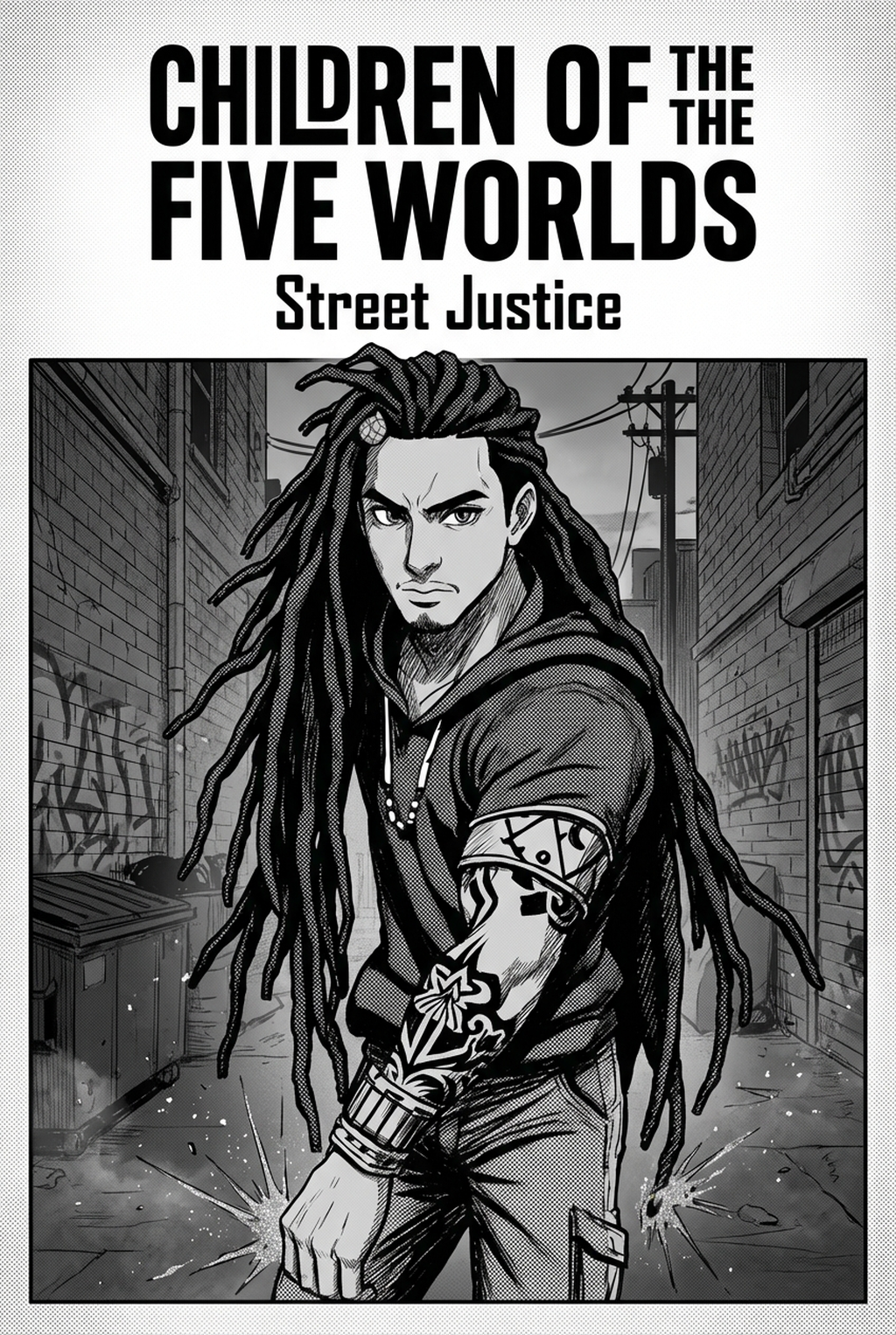
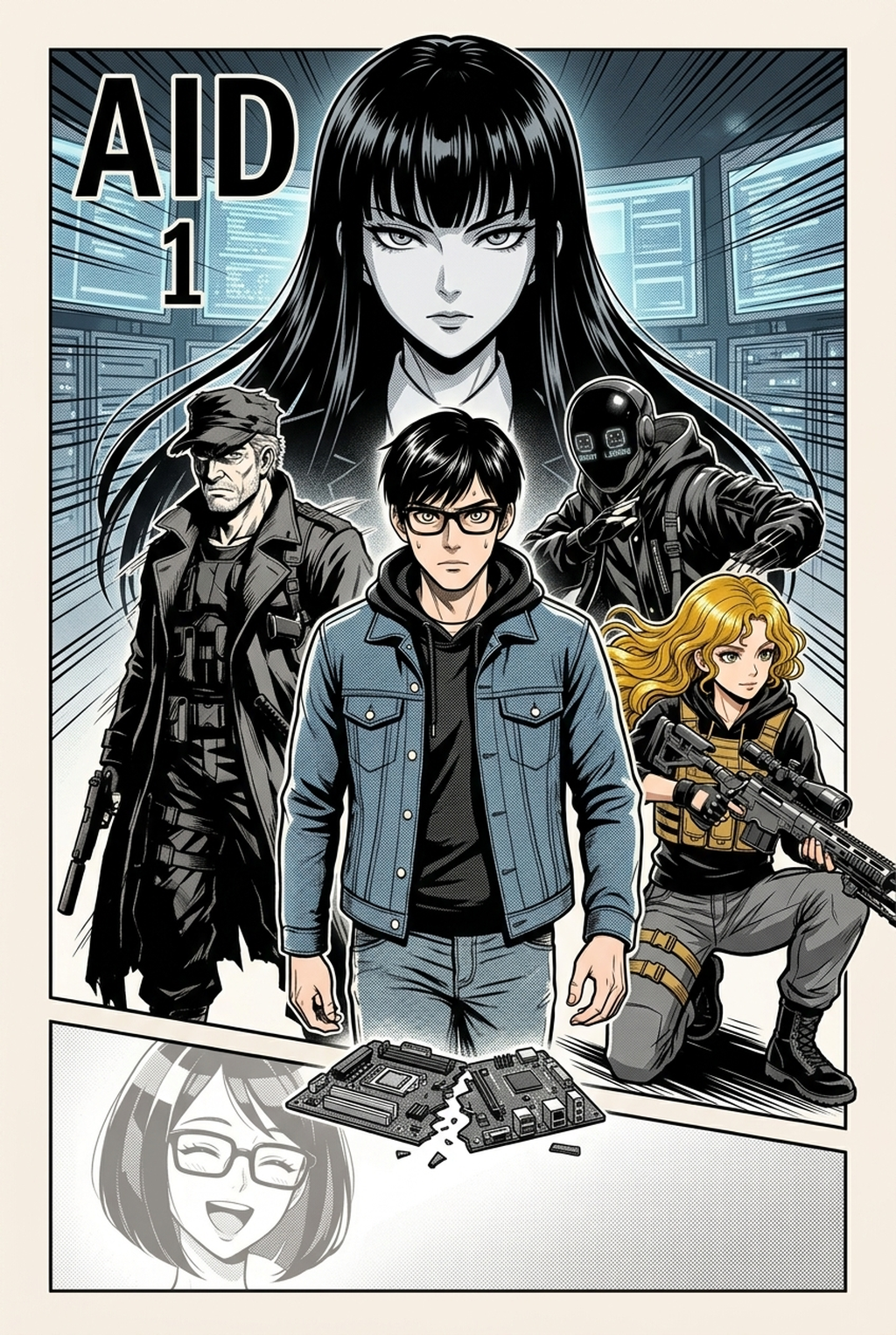
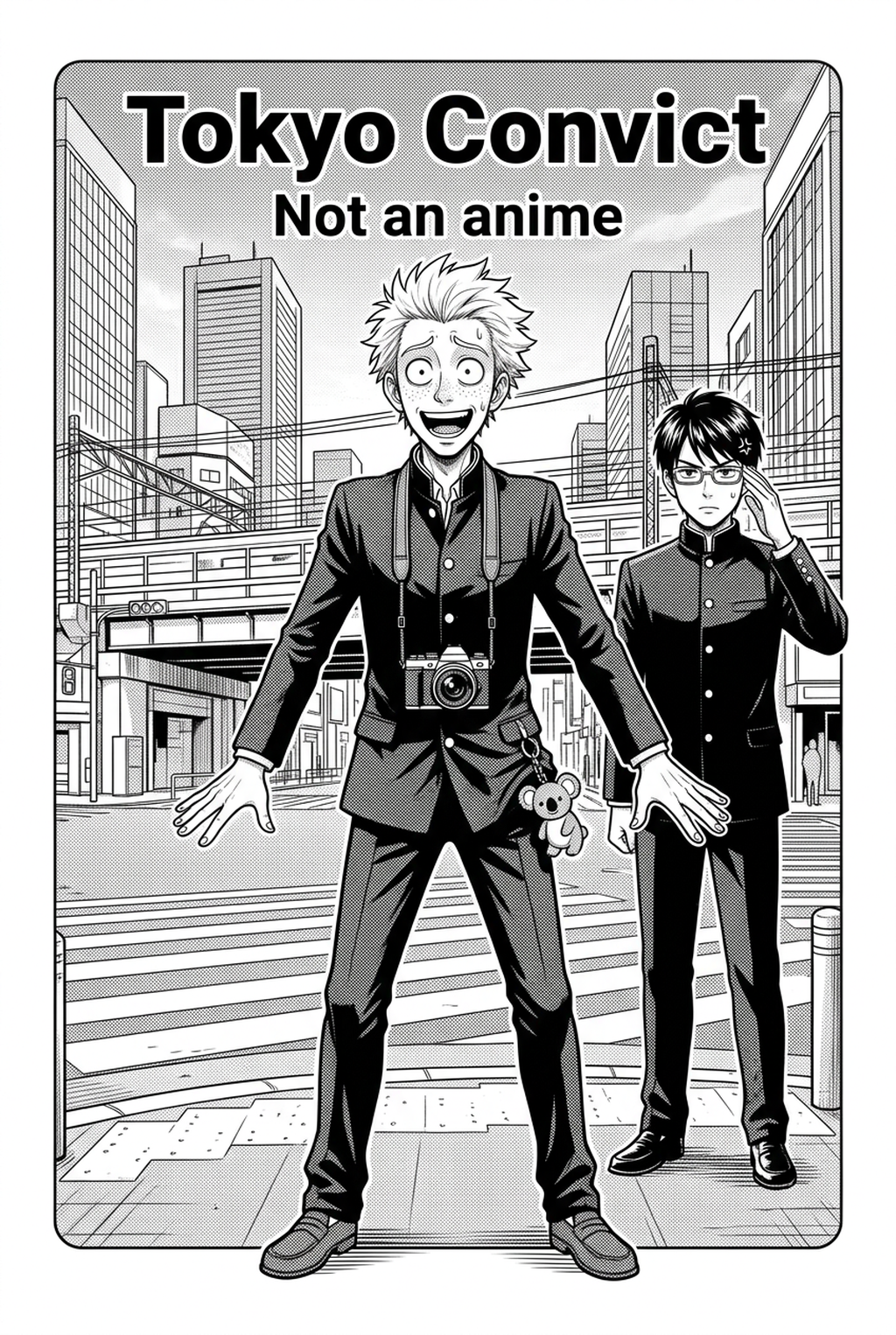
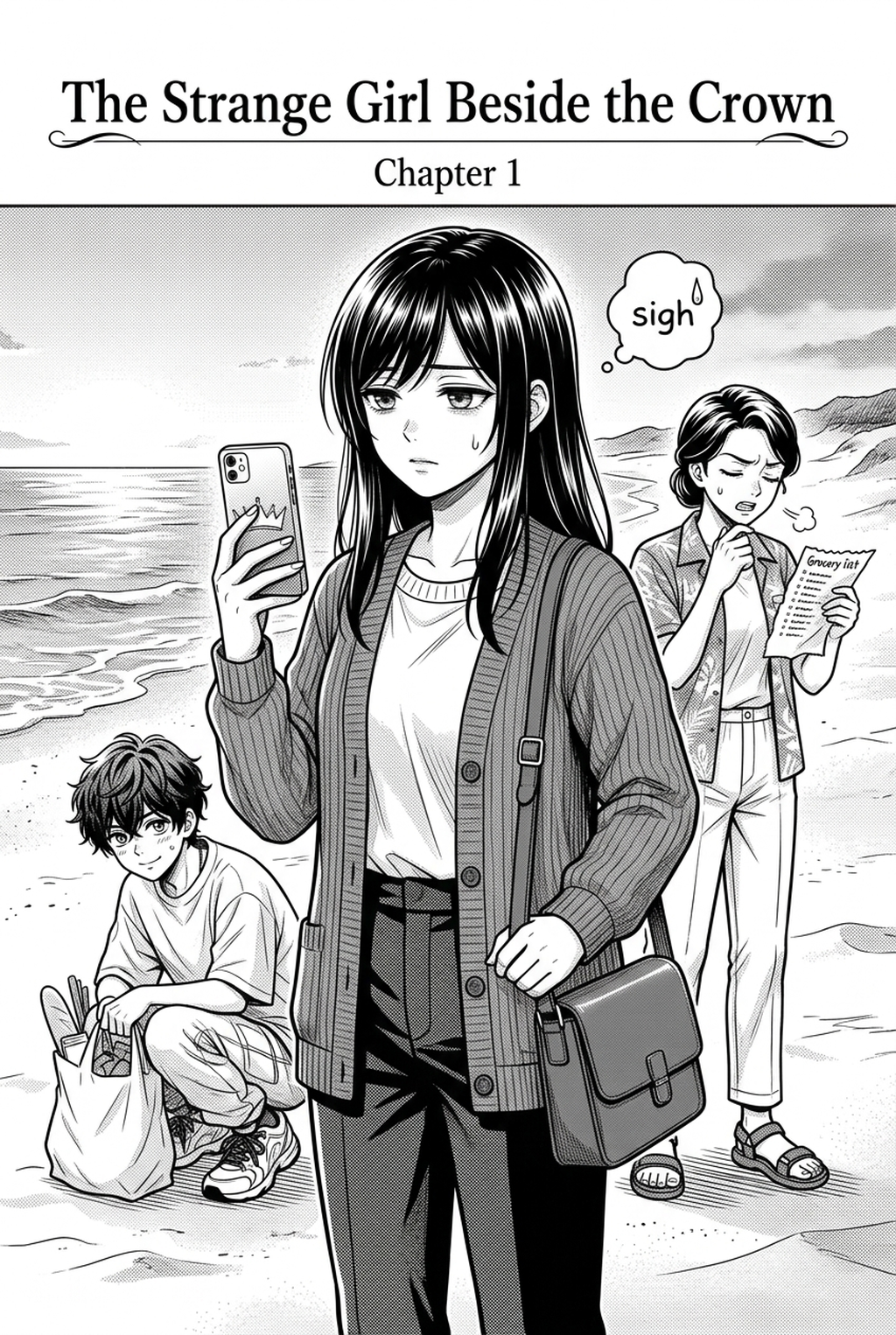
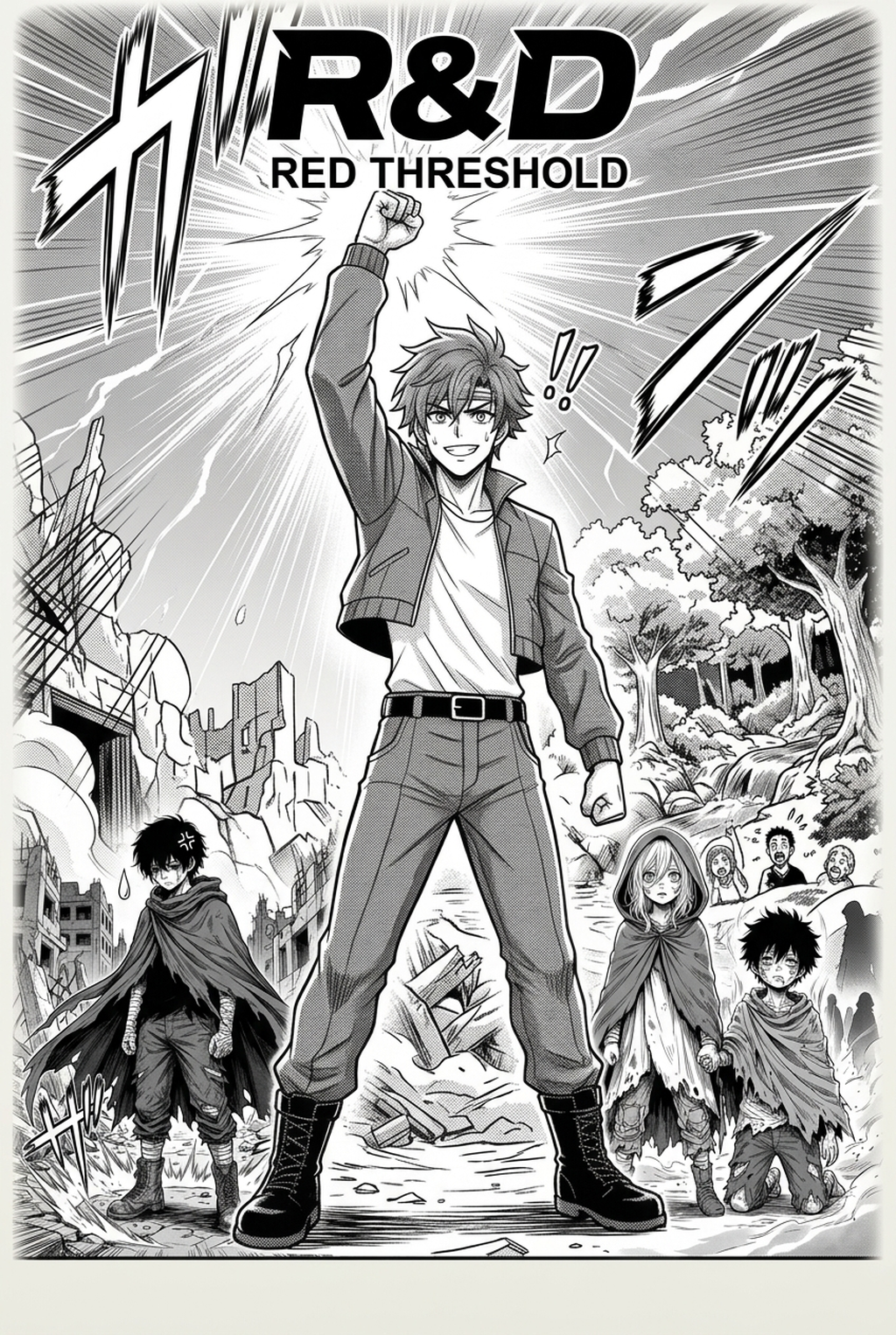
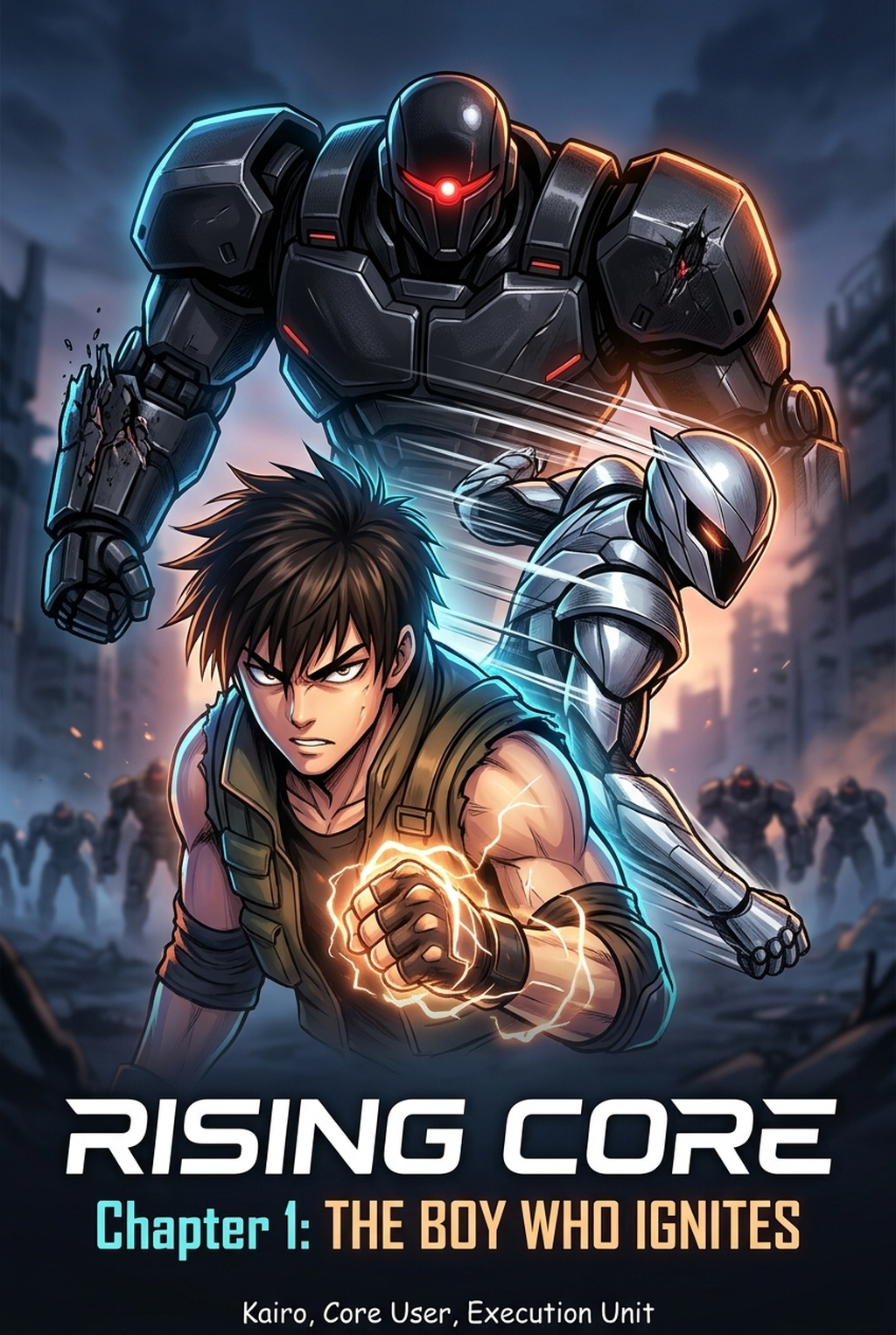
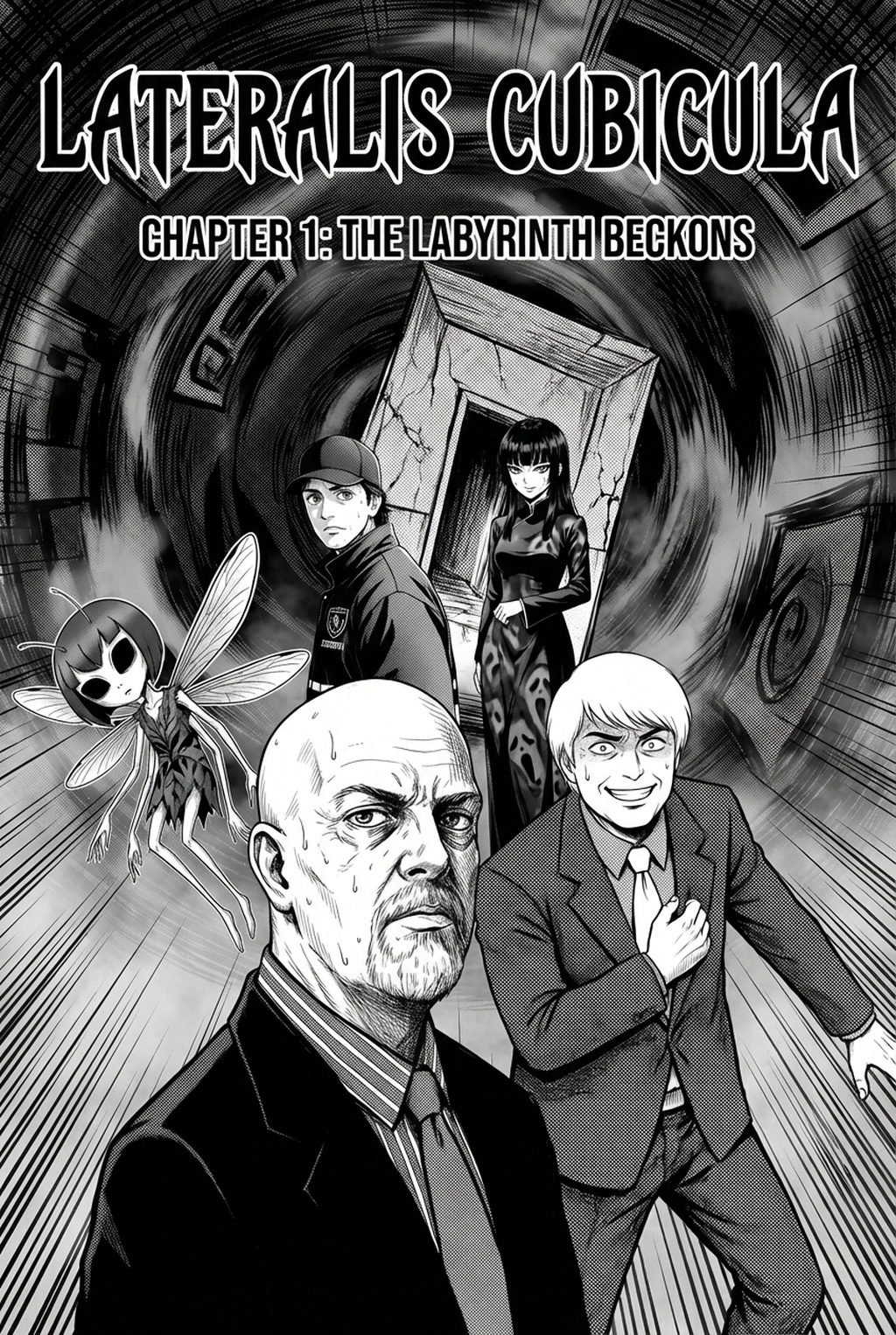
Manga background scenes occupy a unique position in visual storytelling, requiring artists to balance high-detail perspective with the immediate legibility needed for fast-paced reading. In genres like Seinen, environments often demand hyper-realistic industrial decay, which requires laborious, high-frequency line work to convey grit and texture. Conversely, Shonen action scenes rely on dynamic speed lines and simplified geometric architecture to keep the reader's eye focused on the central kinetic movement of the characters.
Achieving this balance without sacrificing the integrity of the panel layout is the primary technical hurdle for any mangaka. If the environmental scale is slightly off, the reader’s internal map of the location breaks down, leading to frustration as they attempt to track movement between panels. High-quality background design does not merely fill space; it provides the atmospheric cues that tell the reader exactly how to feel about a specific location, from the oppressive shadows of a high-security prison to the open, light-drenched skies of a suburban schoolyard.
Why Structural Consistency Matters for Creators
Traditional workflows for generating complex backgrounds are notoriously time-consuming, often consuming up to 70% of the total production schedule per page. Manually constructing perspective grids, importing 3D models, or painstakingly tracing photographic textures creates a bottleneck that prevents artists from focusing on character acting and panel sequencing. When an artist spends four hours on a single cross-hatched city street, they are losing valuable time that should be spent refining the subtle facial expressions that define the core emotional stakes of the chapter.
| Workflow Stage | Manual Time Allocation | AI-Accelerated Time Allocation |
|---|---|---|
| Perspective Gridding | 60 Minutes | 2 Minutes |
| Line Art Inking | 120 Minutes | 8 Minutes |
| Atmosphere/Shading | 45 Minutes | 5 Minutes |
| Final Composition | 30 Minutes | 5 Minutes |
The shift toward manga background scenes with Mangaka allows creators to reclaim these hours. By offloading the technical geometry of perspective and shadow to specialized software, you ensure that the background is technically sound while allowing yourself to act as a curator of the final visual output. This shift turns the artist into a "review owner," someone who approves the layout, adjusts the ink weight to match character profiles, and oversees the final delivery format for the publisher.
Leveraging AI for Complex Environment Design
The integration of specialized software begins with defining the source context, which includes the physical location, time of day, and the stylistic requirements inherent to your specific series. By inputting descriptive terminology—such as requesting "shonen-style heavy cross-hatching" or "seinen-depth atmospheric shading"—you guide the generation process to mirror your established aesthetic. It is no longer enough to generate a generic city street; the generation must match the existing line-art fidelity of your character inkings to prevent visual dissonance.
One common error in manga production is the mismatch between the character's line weight and the environment's line weight. If your background is too soft or blurred, your character will look like a sticker pasted onto a blurry photograph. The best approach is to verify the generated asset against your established ink weight, ensuring the contrast ratios align before you move the file into your final editing software for page-tone application.
A critical technical requirement for any background asset is its compliance with the page's vanishing points. If the AI tool does not honor the specific horizon line you have set for the panel sequence, the page will appear warped. You must use tools that generate depth-map-compliant environments, allowing you to manipulate the camera angle slightly after the initial generation to ensure it fits perfectly behind your character models.
Practical Use Cases in Modern Production
When designing a complex 20-panel sequence, creators frequently encounter the need for recurring settings. AI tools handle this by allowing you to save the specific "source context" of a location, such as a school rooftop, and generate it across different weather conditions or lighting setups without redrawing the architecture from scratch. You retain control over the delivery format, choosing between crisp, high-contrast line art or tonal, gray-scaled environments suitable for digital consumption.
- Localized Inking Adjustments: High-end generation allows you to ink over specific foreground elements while letting the AI handle the complex, repetitive background structures. * Variable Weather Logic: Generate the same classroom scene with rainy atmospheric effects or harsh, high-noon sunlight without needing to re-model the entire room. * Perspective Locking: Ensure all environmental assets share a common vanishing point, preventing the "tilting" effect common in hastily assembled composite images.
Steps for Getting Started with Environment Automation
Transitioning your workflow requires starting small. Begin by replacing static environmental fillers—those shots of sky, empty corridors, or general exterior building shots—with AI-generated scenes. You will quickly notice an increase in production efficiency as you stop drawing individual bricks and start focusing on the emotional composition of your pages. Mastering these scenes is ultimately about choosing the right technology to handle the heavy lifting of geometric perspective, freeing your hands to focus on the expressive art that readers actually pay for.
The Bottom Line
Mastering background creation is no longer about testing your patience with repetitive perspective lines; it is about reclaiming the hours required to polish the narrative heart of your manga. By using intelligent, context-aware tools to handle the environmental heavy lifting, you preserve your energy for the character storytelling that keeps readers coming back each week. If you are ready to modernize your production process, start generating your manga background scenes today and see how much time you can recover for your core creative work.
Related articles
Mastering Your Manga Action Scene Storyboard in 2026
Mastering the 4-Koma Punchline: A Guide for Manga Creators
Manga Storyboard Layout: A Guide to Perfect Flow in 2026