Understanding the AI 4-Koma Strip Maker Structure
A successful 4-koma punchline relies on the 'Ki-Sho-Ten-Ketsu' framework to organize narrative beats within a strict four-panel grid. This ancient storytelling structure divides the strip into four essential segments: the 'Ki' (introduction), 'Sho' (development), 'Ten' (twist), and 'Ketsu' (conclusion).
The 'Ten' or twist serves as the primary engine for comedy, where reader expectations are forcefully subverted to create a cognitive gap that the 'Ketsu' punchline must bridge. Without a significant pivot in this third panel, the final panel feels like a logical progression rather than a comedic payoff, stripping the 4-koma of its impact.
Creators must balance panel-by-panel pacing to ensure the reader’s eye-flow naturally descends toward the final emotional or comedic beat. Every visual cue, from speech-bubble alignment to character reaction-shot framing, acts as a directional guide for the reader's progression. If the gutter space or the internal panel composition is too chaotic, the reader may glance ahead, inadvertently ruining the timing before they reach the critical final reveal.
Why Punchline Delivery Matters for Manga Creators
Punchline delivery is driven by visual spacing; even a brilliant script fails if the reader subconsciously identifies the joke’s trajectory in the second panel. Effective 4-koma pacing uses the first two panels to establish a 'normal' status quo, making the third-panel pivot sharper and the transition to the 'Ketsu' more satisfying.
Visual cues like exaggerated reaction shots or silent "beat" panels are essential for building tension before the punchline strikes. Inserting a single, dialogue-free panel just before the punchline acts as a comedic pause, mimicking the timing of a stand-up comedian taking a breath. If your character proportions drift or your line weights fluctuate across these high-stakes panels, the professionalism of the gag is diminished, distracting the reader from the humor.
The most common failure mode is the "telegraphed punchline," where the third panel provides too much context, leaving nothing for the fourth panel to resolve. To prevent this, focus on maintaining strict character consistency and clear focal points within each panel. Using consistent assets ensures the reader focuses on the dialogue rhythm rather than struggling to reconcile changing character designs, which can break the immersion of a rapid-fire joke.
How 4-Koma Punchline Works with Mangaka
Creators today leverage advanced AI tools to move beyond linear drafting, using technology to bridge the gap between initial scripts and final polished pages. By utilizing 4-Koma Punchline , you can transform a single, raw punchline concept into multiple visual iterations of the 'Ten' twist, allowing for rapid testing of different comedic angles.
The platform automates the tedious aspects of panel layout, allowing you to focus your energy on the dialogue rhythm and the precise comedic timing required for a successful Ketsu. By generating various 'Ten' variations, you can compare how different visual gags land, helping you choose the composition that most effectively builds toward your punchline.
Using AI-assisted iteration allows for real-world A/B testing of your punchlines against specific reader demographics. You can test whether a wide-angle reaction shot or a close-up profile produces a better comedic response. Because the system maintains character consistency across these generated panels, you spend less time on manual cleanup and more time refining the comedic beat.
Use Cases for AI 4-Koma Strip Maker
| Method | Focus Area | Best For |
|---|---|---|
| Standard 4-Panel | Ki-Sho-Ten-Ketsu | Classic gag manga |
| 3-Panel Compression | Immediate Impact | Rapid-fire web gags |
| Beat-Panel Injection | Pacing Control | Building comedic tension |
A 3-panel strip requires the 'Ten' to occur almost simultaneously with the 'Ketsu', demanding a higher level of visual brevity. You should practice punchline timing by deconstructing successful professional manga, specifically counting the visual 'beats'—the moments of transition or reaction—that precede the final reveal.
AI does not replace human humor; instead, it serves as a brainstorming engine that suggests twist possibilities that you can refine. If you are stuck on a gag, use the tool to explore five different ways to visualize the pivot. You might find that a subtle change in character expression, which you hadn't initially considered, dramatically enhances the irony of your punchline.
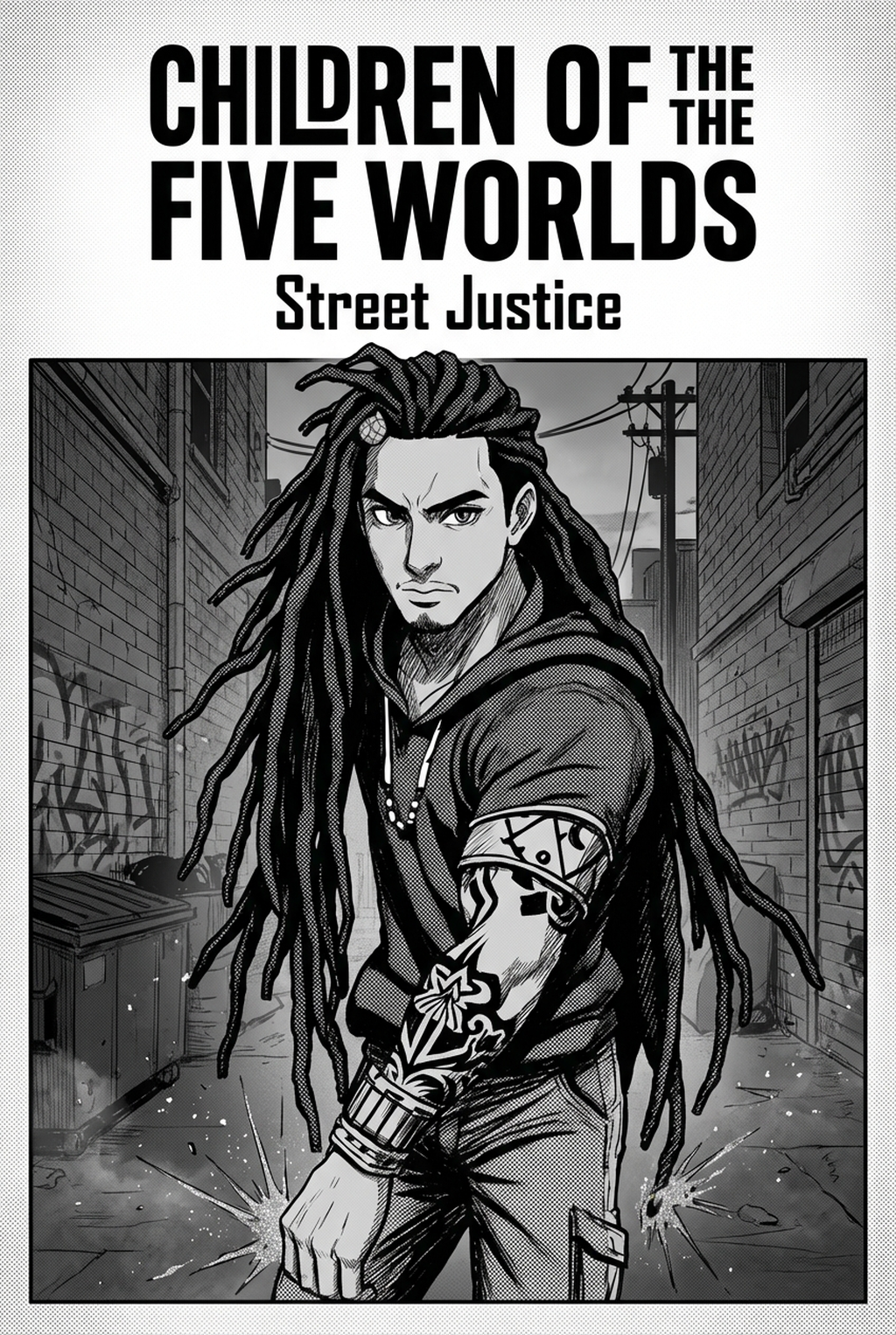
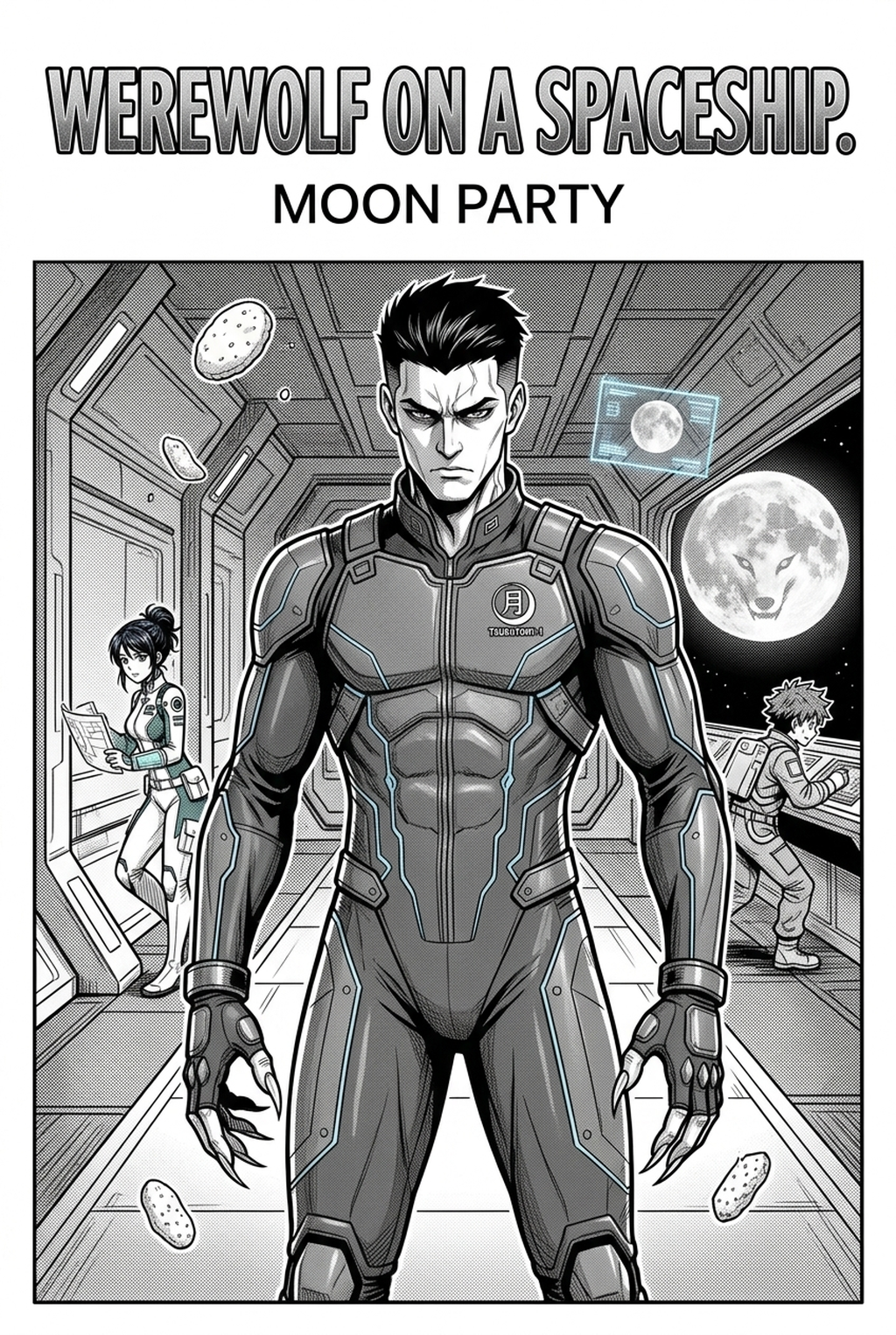
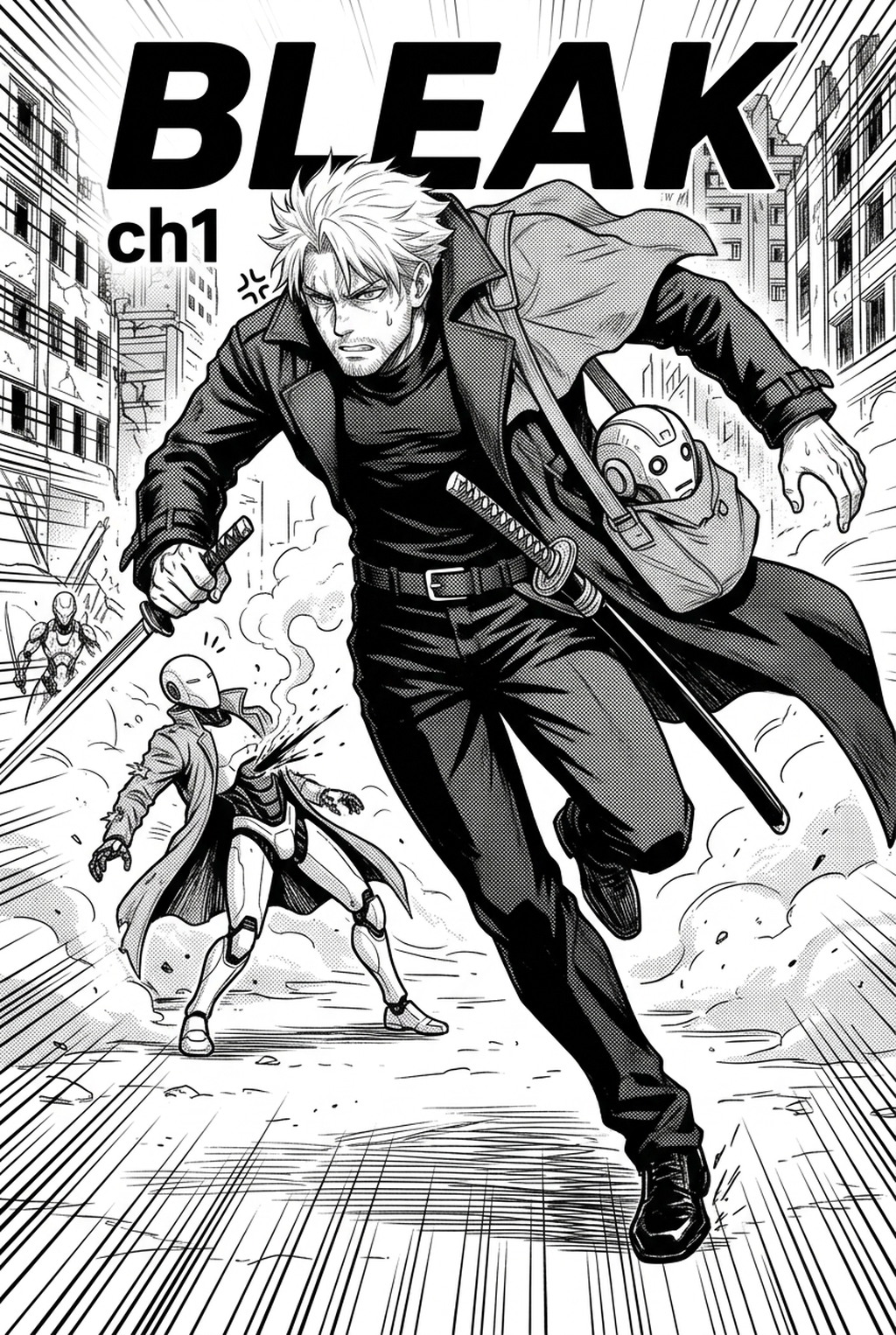
- Chapter cadence. Use the AI pass for pages where speed matters most, such as repeated action poses, transformation beats, or dense speed-line panels. Keep manual cleanup for hero panels where the line style defines the emotional peak.
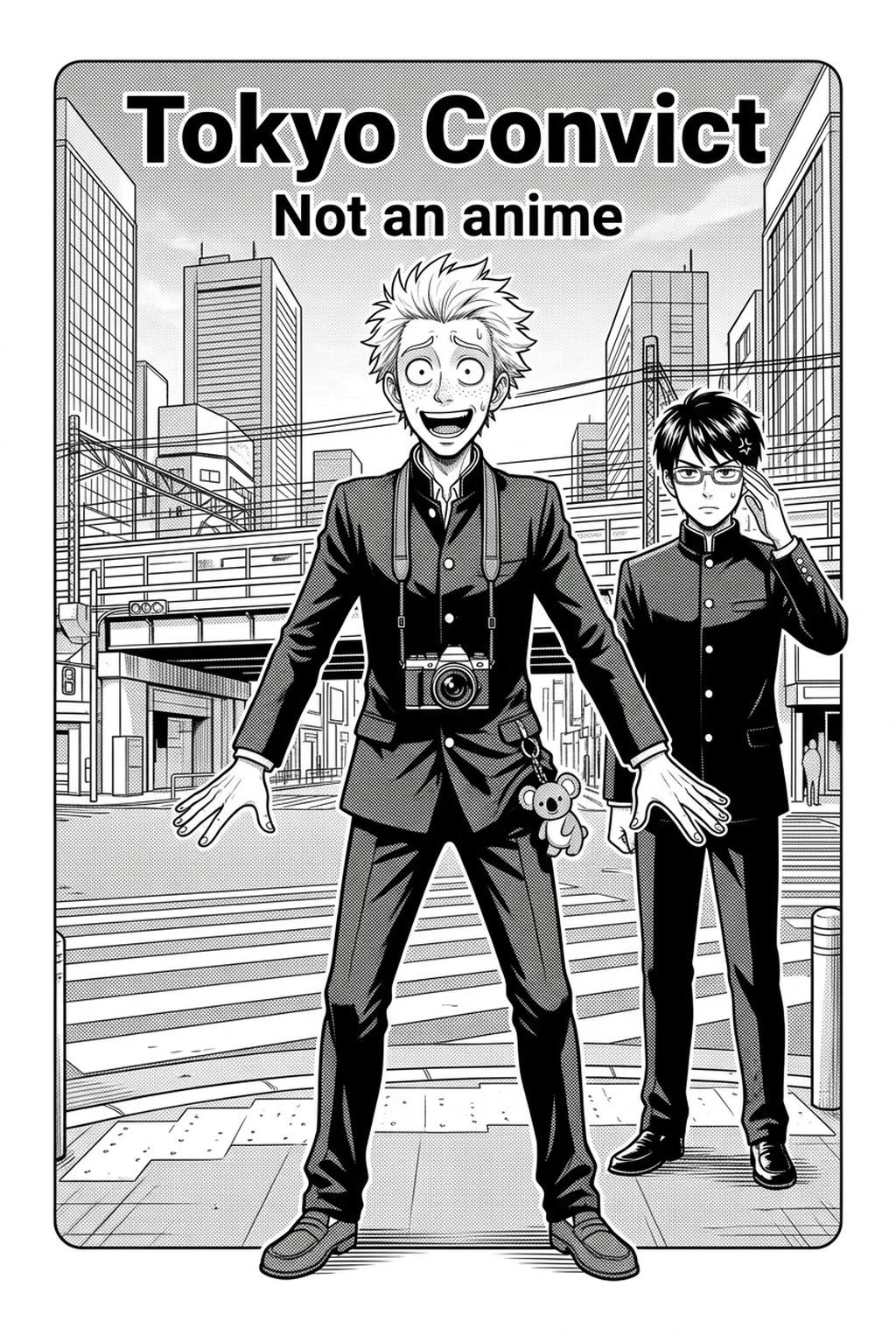
- Character continuity. Compare the generated lines against the same model sheet, costume notes, and facial-expression range used during sketching. This prevents a fast inking pass from drifting away from the character identity readers recognize.
- Export readiness. Check whether the final manga output can move into lettering, coloring, or final layout without rebuilding panel borders or speech-bubble space. A good manga workflow should save time while keeping the next production step predictable.
How to Get Started with Mangaka
The creator workflow is the heartbeat of short-form manga, requiring a precise blend of setup and surprise. When you are ready to begin, start by defining your status quo in the first two panels, then use the tool to generate variations for the third-panel twist.
Once you have selected your preferred variation, utilize the platform to handle the final composition, including speech-bubble placement and clear line-art rendering. Export your strips in your preferred format—whether PNG for web viewing or PDF for print preparation—ensuring the final product remains crisp at 300 DPI or higher for maximum legibility on digital screens. By offloading the technical drafting to the AI, you secure the time needed to perfect the rhythmic timing that keeps your audience returning for the next episode.
The Bottom Line
Mastering the 4-koma format requires a relentless focus on the 'Ten' twist and the subsequent 'Ketsu' payoff, as the success of the strip hinges entirely on the quality of that final beat. By streamlining the technical layout and using automated iteration to test various visual outcomes, you ensure that your comedic intent reaches the reader exactly as intended. 4-Koma Punchline and see how quickly you can refine your storytelling rhythm.
Related articles
Manga Storyboard Layout: A Guide to Perfect Flow in 2026
How to Plan an Action Manga Storyboard: A 2026 Guide
Build Your Manga Storyboard Instantly with AI in 2026