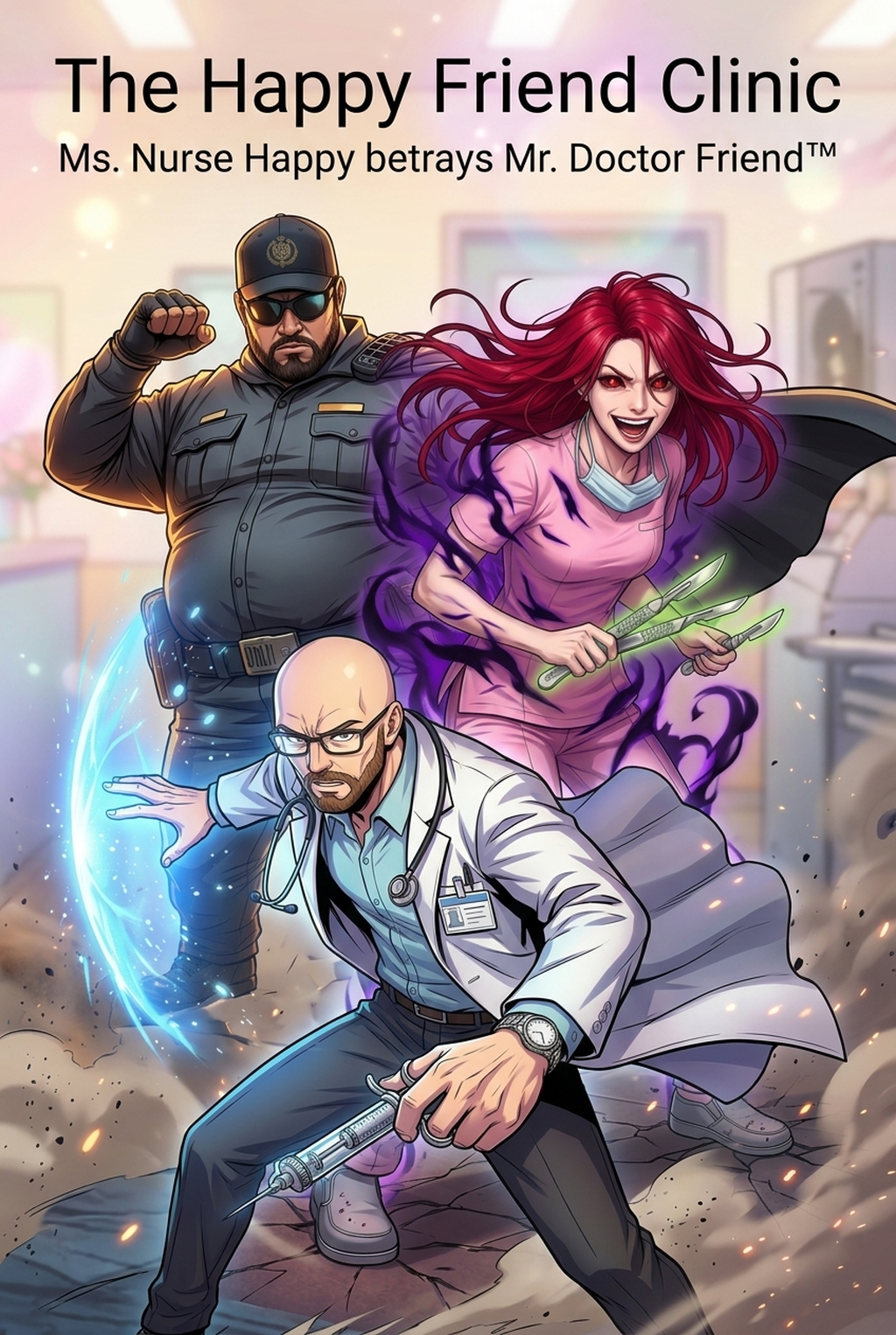
The Essence of AI Manga Storyboard Builder Logic
A storyboard serves as the rough, low-fidelity visualization of your manga pages, primarily designed to establish the spatial relationships between characters and text boxes. Unlike the final inked page, the primary goal here is to establish the reading flow, specifically guiding the eye through a Z-pattern or sequence of flow lines to maintain narrative momentum.
Professional artists leverage this stage to translate a raw script into a sequence that clarifies whether a segment requires a tight close-up, a dynamic wide shot, or an action-heavy bleed. If you skip this, you risk "compositional drift," where the logic of your layout fails to support the dialogue, leaving the reader confused about who is speaking or where the characters are positioned in the environment.
Why Structural Planning Matters for Creators
Effective panel arrangement directly dictates the speed at which a reader consumes information, serving as the primary barrier against the "info-dumping" trap that plagues amateur releases. By controlling the white space between panels, you manipulate the reader’s perception of time and impact, which is essential for maintaining audience engagement across multiple chapters.
- Shonen Impact Gaps: For high-intensity action, the gutter width must be wider to create a visceral "impact gap" that forces a micro-pause, punctuating the moment before a punch lands or an explosion triggers. * Seinen Emotional Pacing: Character-driven dramas benefit from larger, slower-paced panels that provide necessary breathing room for subtle facial expressions and complex dialogue beats. * Shojo Perspective Flow: Emotional storytelling often thrives on overlapping, non-traditional panel shapes that break the strict grid to mirror the subjective, fluid perspective of the protagonist.
Ignoring these nuances during the initial planning phase often forces creators to redraw entire panels when the "reading rhythm" feels stagnant or too frantic during the later inking stage. This keeps the review focused on story intent, line weight, panel readability, and the export quality behind the final AI Manga Storyboard Builder output.
How Mangaka Manages Panel Logistics
The Mangaka AI Manga Storyboard Builder removes the manual trial-and-error cycle by auto-arranging your panels based on your specific narrative inputs, ensuring your layout conforms to industry-standard reading patterns. Instead of wasting time on rulers and manual grid alignments, you focus on the "story-beat" of the page—the emotional core that determines if a moment requires a cinematic spread or a frantic, multi-panel breakdown.
By defining the essential content for each panel, the system handles the spatial logistics automatically. This ensures that character size and position remain consistent across every frame, preventing the jarring "proportion drift" that occurs when an artist draws individual panels without a unified layout map. As you scale from a one-shot to a serialized volume, this automation preserves your professional structure, meaning every page maintains a consistent, polished look that meets professional print requirements.
Practical Use Cases for Storyboarding
Adopting a digital-first layout approach allows you to iterate on page flow without the overhead of erasing and re-sketching full-scale art, which saves significant production hours. This is especially vital when you need to maintain "source context," ensuring that characters are not accidentally resized or mirrored during the transition from rough sketches to refined line art.
- Iterative Flow Testing: Move panel boundaries dynamically to observe how the eye moves across the page, identifying "dead zones" where the eye loses its path. * Print-Ready Margin Compliance: Use predefined layout templates to ensure your final export format—whether that is a standard 182mm x 257mm B5 page or a custom web-optimized resolution—never forces you to trim critical art elements or speech bubbles. * Character Consistency Controls: By establishing the visual hierarchy early, you ensure that the lead characters maintain their relative scale within the composition, regardless of how many panels you cram onto a single page.
Getting Started with Your Layout
You do not need to be a master illustrator to construct a professional storyboard, as the primary requirement is organizational logic rather than aesthetic finish. Many professionals use simple geometric blobs or stick figures during this phase to map out the page rhythm, focusing entirely on how the story hits the reader.
AI tools provide the structural foundation for your page, yet they leave the "review owner"—you—with full creative control over the final artistic style and emotional delivery. The technology acts as a drafting assistant that handles the technical heavy lifting, which allows you to spend your limited creative energy on perfecting the emotional weight of a scene rather than fighting with technical alignment.
Should you storyboard the entire book before starting the final art? Ideally, yes, because creating a global layout guide ensures that your manga maintains a coherent pacing rhythm from the first chapter to the last. This bird’s-eye view of your narrative allows you to identify where you need a "pacing break" or where you can ramp up the intensity with a series of smaller, overlapping panels. Before export, creators should compare the generated line art with the original sketch and confirm that facial expressions, props, speed lines, and speech-bubble space still support the scene.
The Bottom Line
Mastering the storyboard is the single most effective way to elevate your manga from a collection of isolated drawings to a cohesive, professional visual story. By utilizing intelligent tools to automate the technical heavy lifting of panel layouts, you free up massive amounts of time to focus on character development and narrative impact. If you are ready to stop fighting with grids and start focusing on your story, manga storyboard to transform your vision into a professionally paced, reader-ready manga page.
Related articles
Manga Storyboard: Your 2026 Comprehensive Guide
How to Plan a Manga Storyboard for Better Pacing in 2026
How to Create a Manga Storyboard That Hooks Readers Fast