Understanding the Blueprint of Your Story
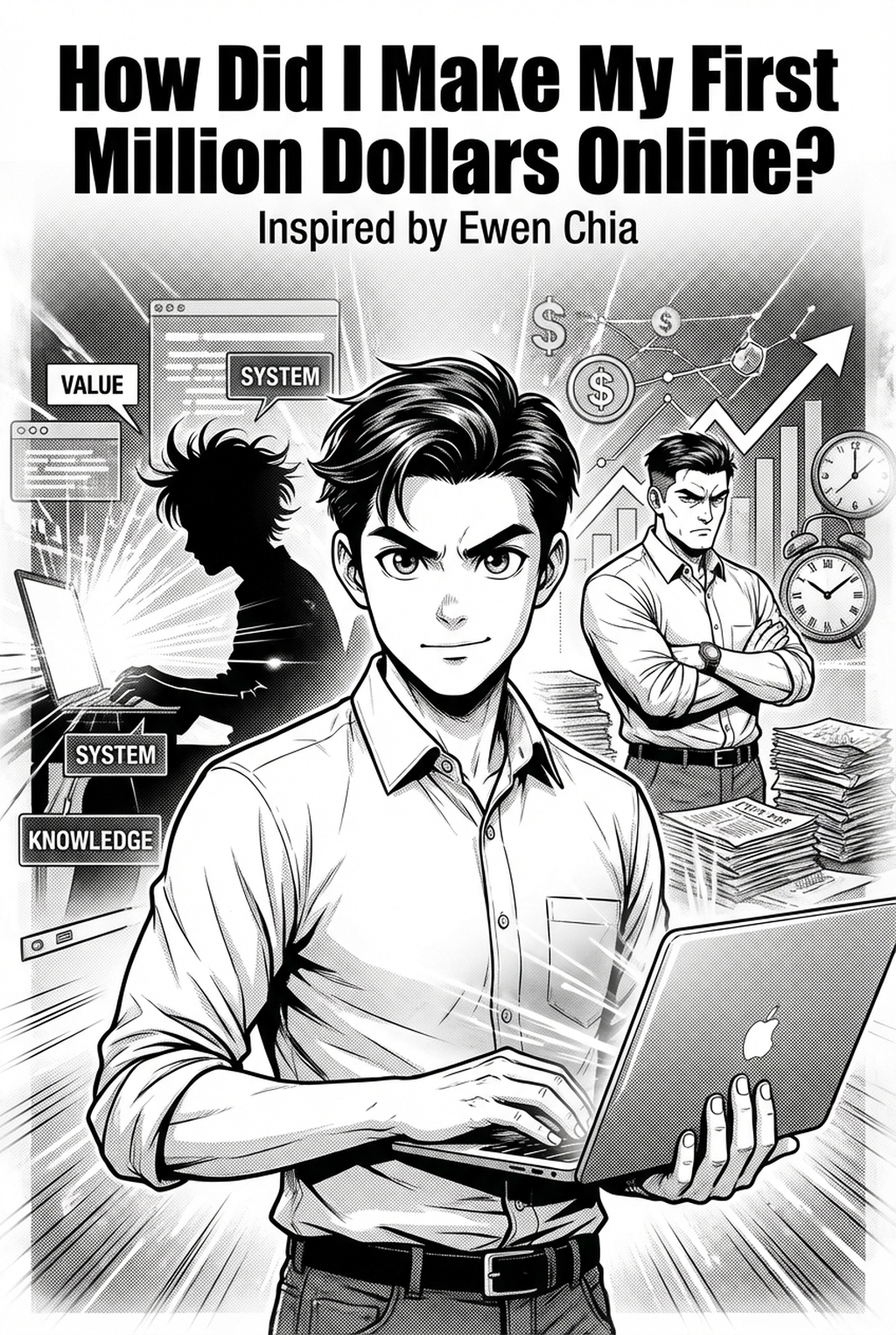
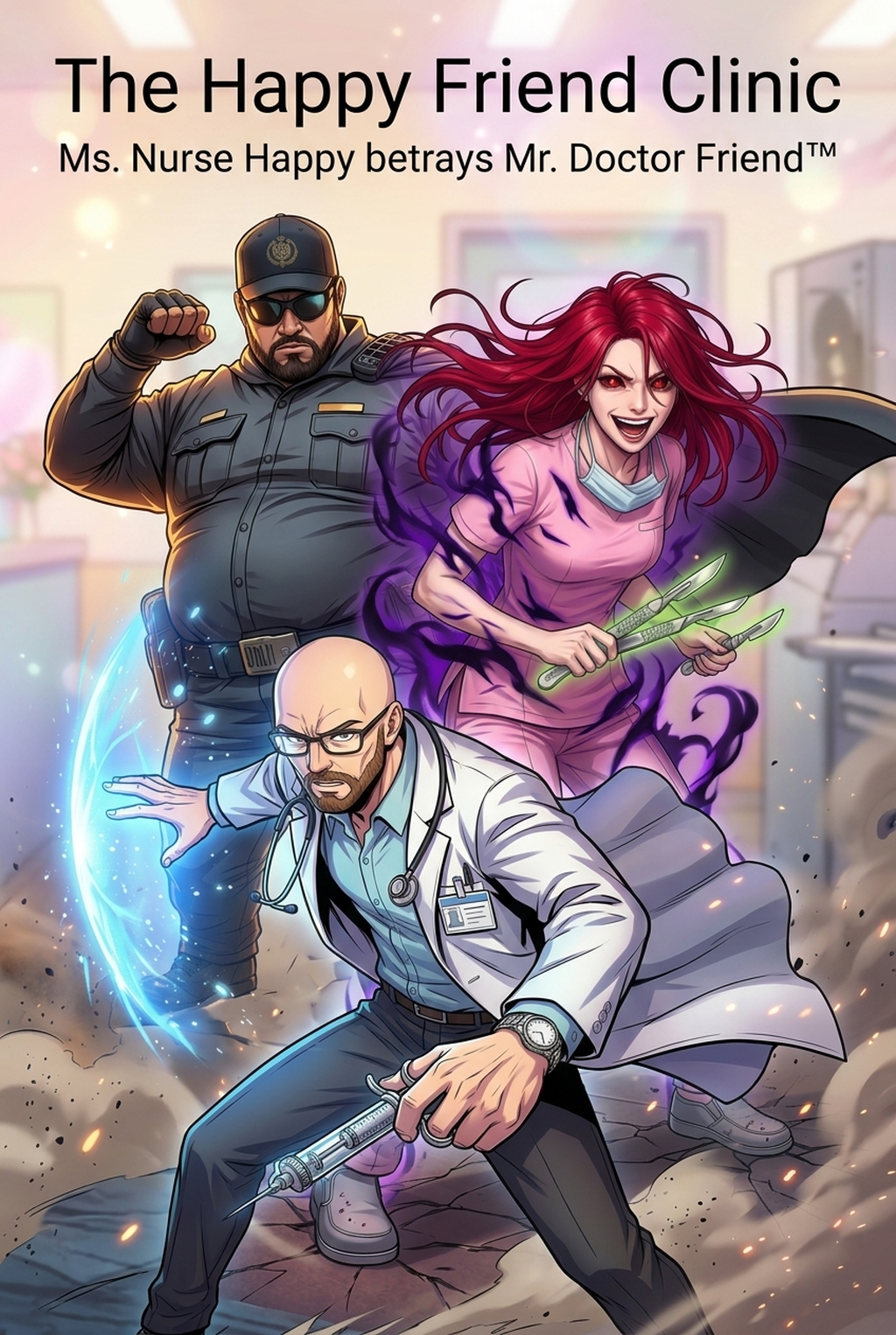
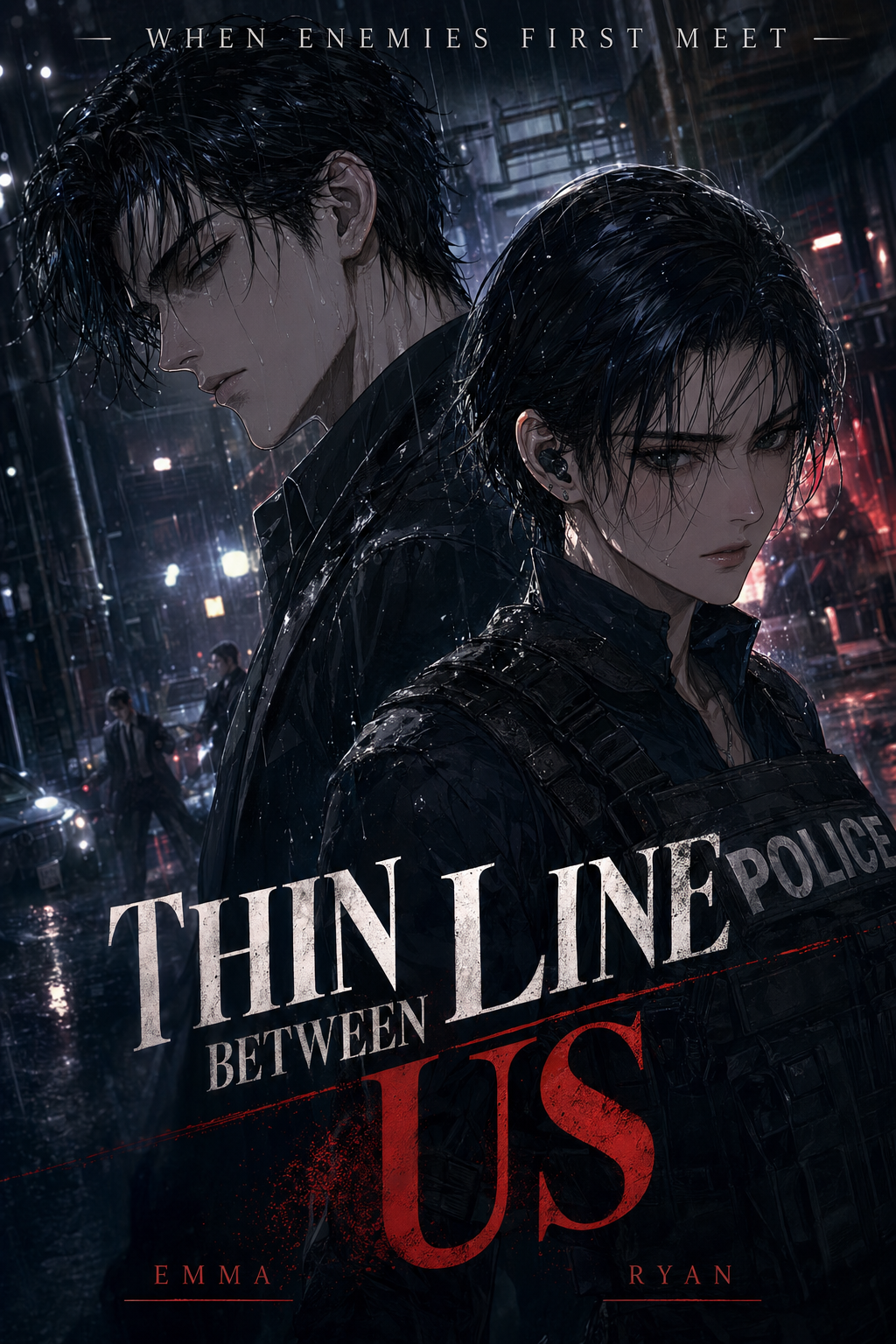
A manga storyboard serves as the essential skeleton of your chapter, mapping out key frames, dialogue placement, and visual hierarchy to dictate exactly how the reader’s eye traverses the page. It functions as the director’s cut of your script, determining panel density, action beats, and the necessary "breath" between major plot points.
In Shonen or Seinen genres, the storyboard must account for the specific pacing requirements of intense action sequences versus slower, introspective character moments. Without this stage, creators often encounter "visual clutter," where complex dialogue bubbles overwhelm the composition and cause readers to lose interest by the third page.
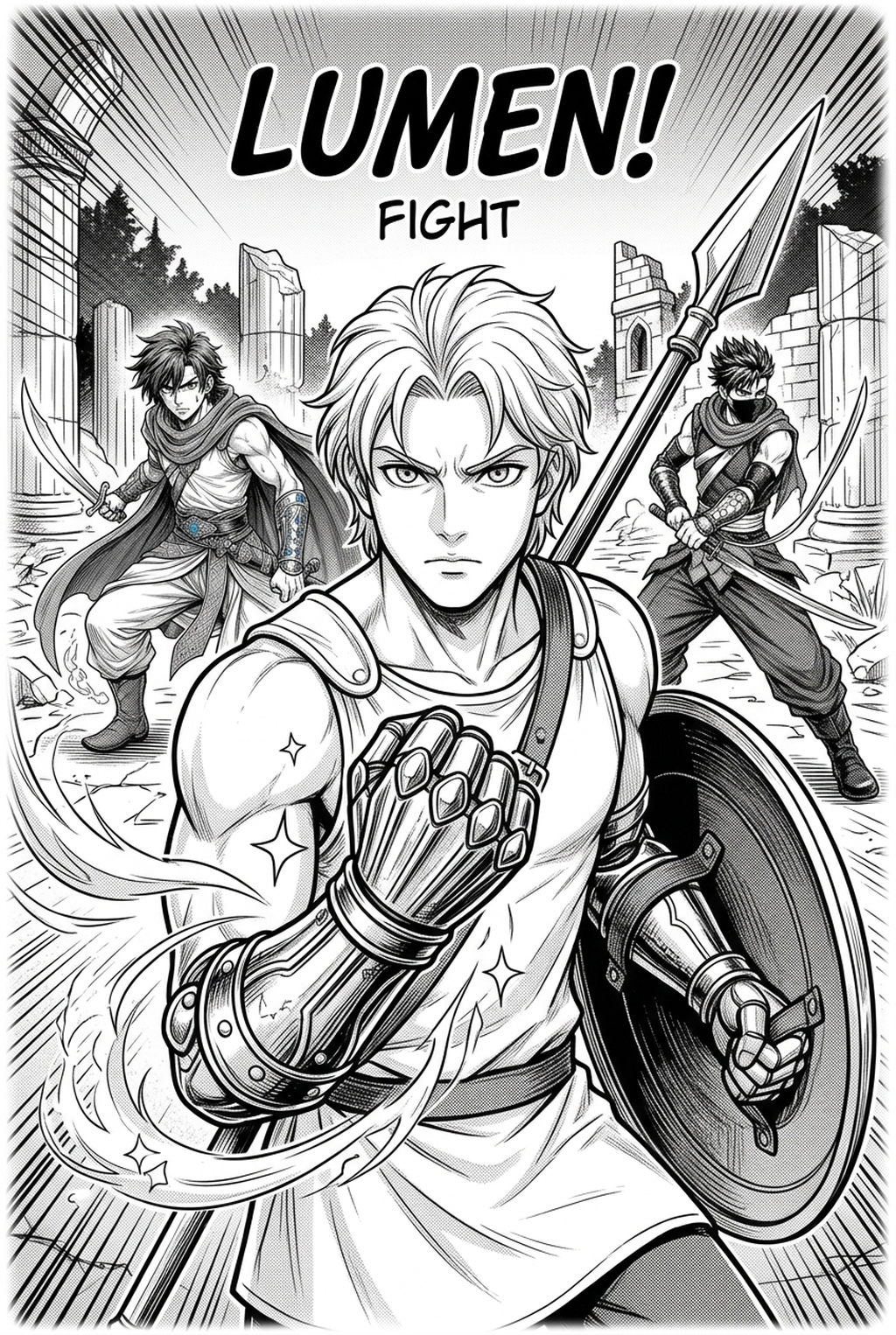
Effective pacing prevents reader fatigue by balancing information-heavy exposition frames with whitespace panels that allow the audience to process emotional beats. Shonen sequences demand impact framing, utilizing oversized splash panels to heighten the stakes of a combat scene, whereas Seinen shifts focus to atmospheric framing to build psychological tension through smaller, detail-oriented panels.
While some artists prefer to dive straight into line art, this approach almost guarantees inconsistent character scales and misaligned speech bubbles. A storyboard acts as a logic map rather than a final piece of art, allowing you to catch errors in flow before the labor-intensive inking phase.
- Chapter cadence. Use the AI pass for pages where speed matters most, such as repeated action poses, transformation beats, or dense speed-line panels. Keep manual cleanup for hero panels where the line style defines the emotional peak.
- Character continuity. Compare the generated lines against the same model sheet, costume notes, and facial-expression range used during sketching. This prevents a fast inking pass from drifting away from the character identity readers recognize.
- Export readiness. Check whether the final manga output can move into lettering, coloring, or final layout without rebuilding panel borders or speech-bubble space. A good manga workflow should save time while keeping the next production step predictable.
Why Structural Planning Defines Professional Quality
Creators who skip the planning phase often struggle with incoherent page layouts that fail to guide the reader through complex action sequences. Your storyboard is the primary defense against losing your audience's focus during high-intensity chapters where character positioning is critical.
Prioritizing large, cinematic action beats keeps the reader engaged through the physical conflict. Conversely, in Seinen titles, the goal is psychological immersion; you must carefully curate small, intimate panels that zoom in on subtle facial expressions or setting details. Failing to plan these differences often results in scenes that feel flat or emotionally detached, regardless of how clean your final ink lines appear.
Harnessing Intelligence for Panel Architecture
AI tools allow you to instantly visualize complex panel arrangements, removing the manual labor of sketching dozens of failed layout iterations. By automating the frame-structure process, these tools ensure that narrative flow remains consistent across a 20-page chapter, regardless of your personal technical draftsmanship.
Using an AI storyboard builder allows creators to maintain narrative continuity by storing character position data, ensuring key assets are placed correctly within the frame before the rendering phase. This avoids the common headache of "character-proportion drift," where a protagonist changes size or build between adjacent panels. Because these tools process your script and metadata, they suggest effective angles that interpret your movement descriptors, allowing you to focus on the emotional core of the scene rather than struggling with perspective grids.
Implementing Your Layout for Maximum Engagement
You should start by defining your page objectives, such as "the big reveal" or "the climactic fight," then use a digital storyboard tool to auto-generate the optimal panel layout based on your script requirements. Once the architecture is defined, review your layout specifically for eye-gaze direction; the reader's path should never be interrupted by confusing panel overlaps or illogical flow transitions.
| Phase | Output Artifact | Primary Goal |
|---|---|---|
| Storyboard | Low-fi Wireframes | Validate flow and panel density |
| Inking | PSD / PNG Layers | Define final character silhouettes |
| Toning | Grayscale Files | Establish mood and light depth |
You can move to the inking and detail phase with absolute confidence, knowing your narrative architecture is already optimized for reader retention. This sequence prevents the need for massive "re-dos" that occur when a composition fails to read clearly at a standard 1200 DPI resolution.
Getting Started with Efficient Digital Drafting
You do not need to create highly detailed drawings at this stage; instead, focus on the logic of the frames and the spatial relationship between your characters. For example, if you are planning a chase sequence, you might input a 5-panel layout descriptor into manga storyboard with Mangaka to visualize movement across two pages. The tool will suggest the optimal panel size and placement, ensuring you don't crowd your high-energy frames with too much text, preserving the visual impact of your line art. If the AI suggests an angle that feels too static, you can adjust the camera descriptor to "dynamic low-angle," resulting in an immediate refresh of the layout that better captures the intensity of the scene.
Creators should compare the generated line art with the original sketch and confirm that facial expressions, props, speed lines, and speech-bubble space still support the scene. A repeatable review pass should cover character consistency, panel readability, background clarity, and whether the final file is ready for coloring, lettering, or editor feedback.
Creators should save approved examples of line weight, face detail, clothing folds, and background density. Those references keep later chapters closer to the intended style. For collaboration, creators should mark which panels are final and which panels still need redraws. Clear status labels prevent an assistant, editor, or colorist from polishing the wrong version.
The Bottom Line
Mastering your storyboard is the single most effective way to improve the quality of your work without needing to be a master illustrator. By utilizing tools like Mangaka to manage the technical aspects of frame arrangement, you can dedicate more creative energy to your story's characters and world-building. manga storyboard and experience a smoother path from script to final page.
Related articles
Build Your Sci-Fi Manga Storyboard Instantly with AI in 2026
Create Your Historical Romance Manga Storyboard Today 2026
How to Build a High-Tension Zombie Manga Storyboard in 2026