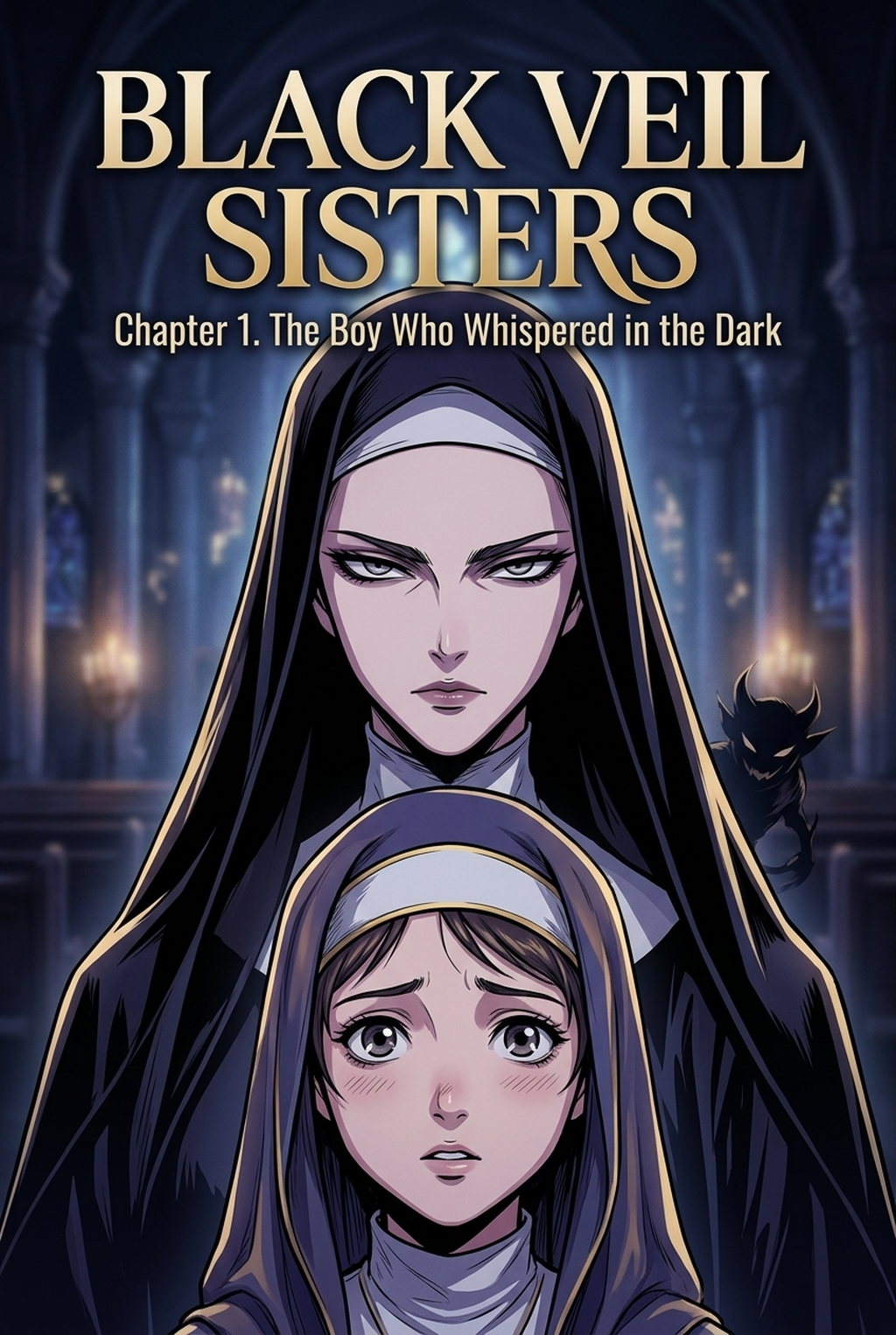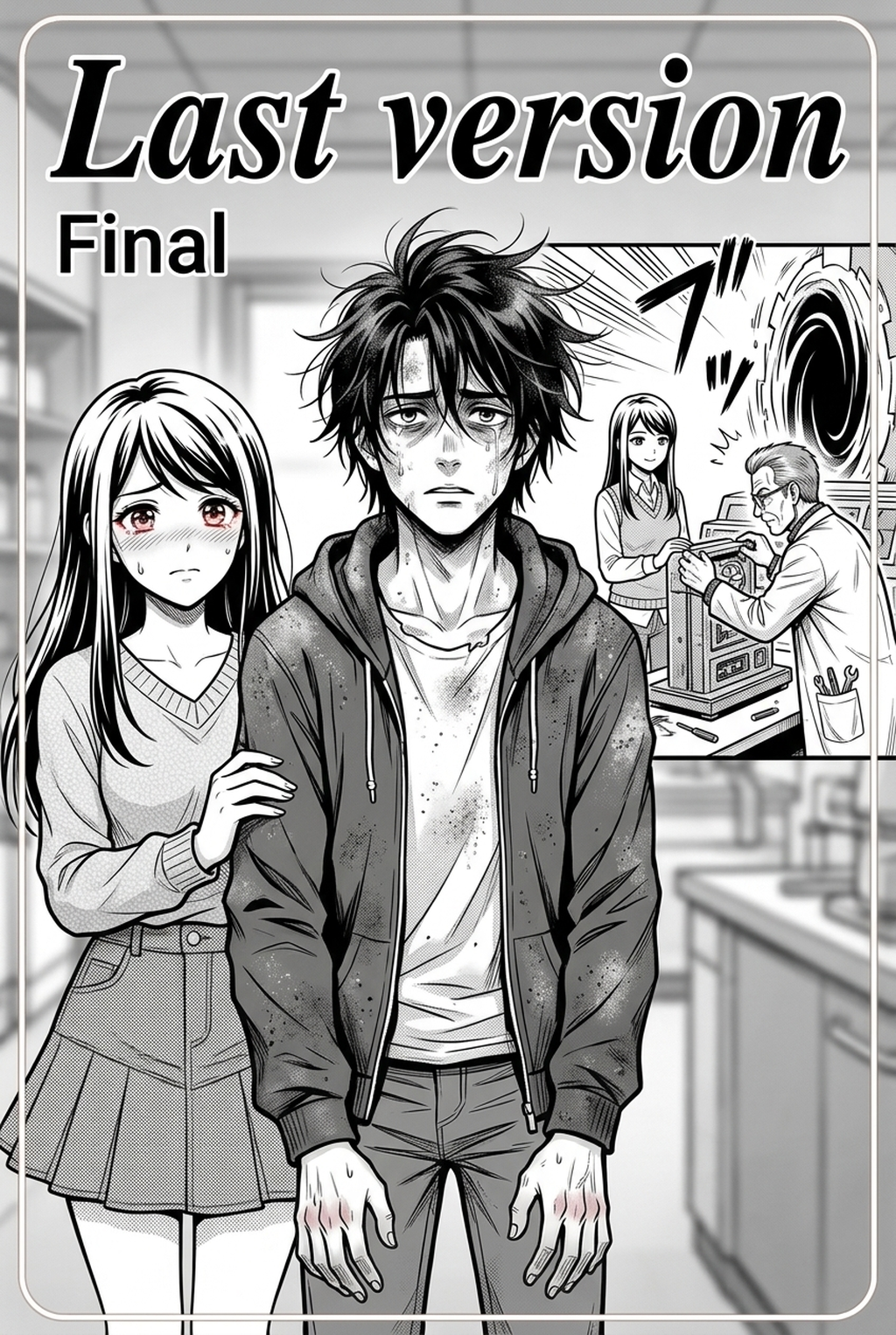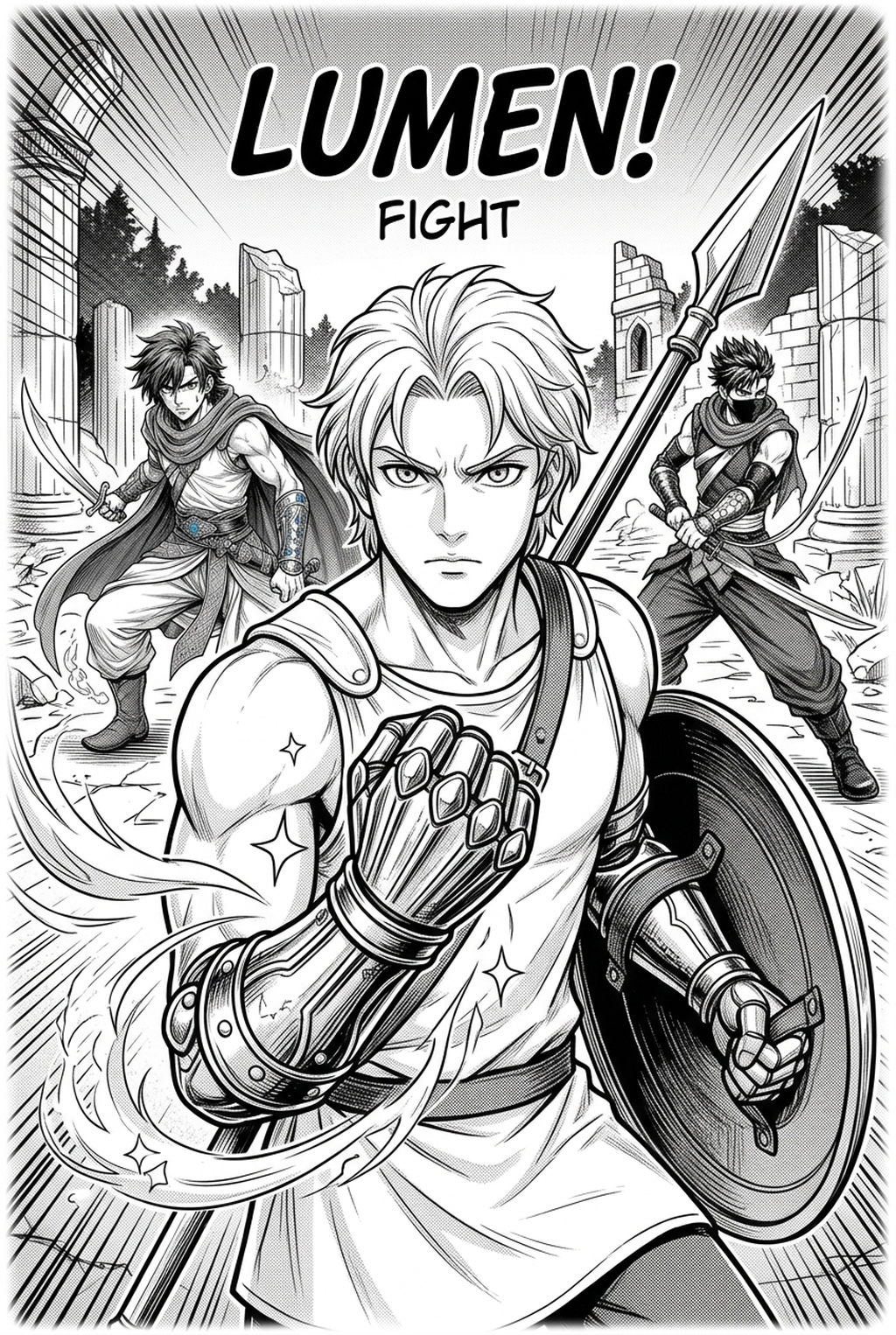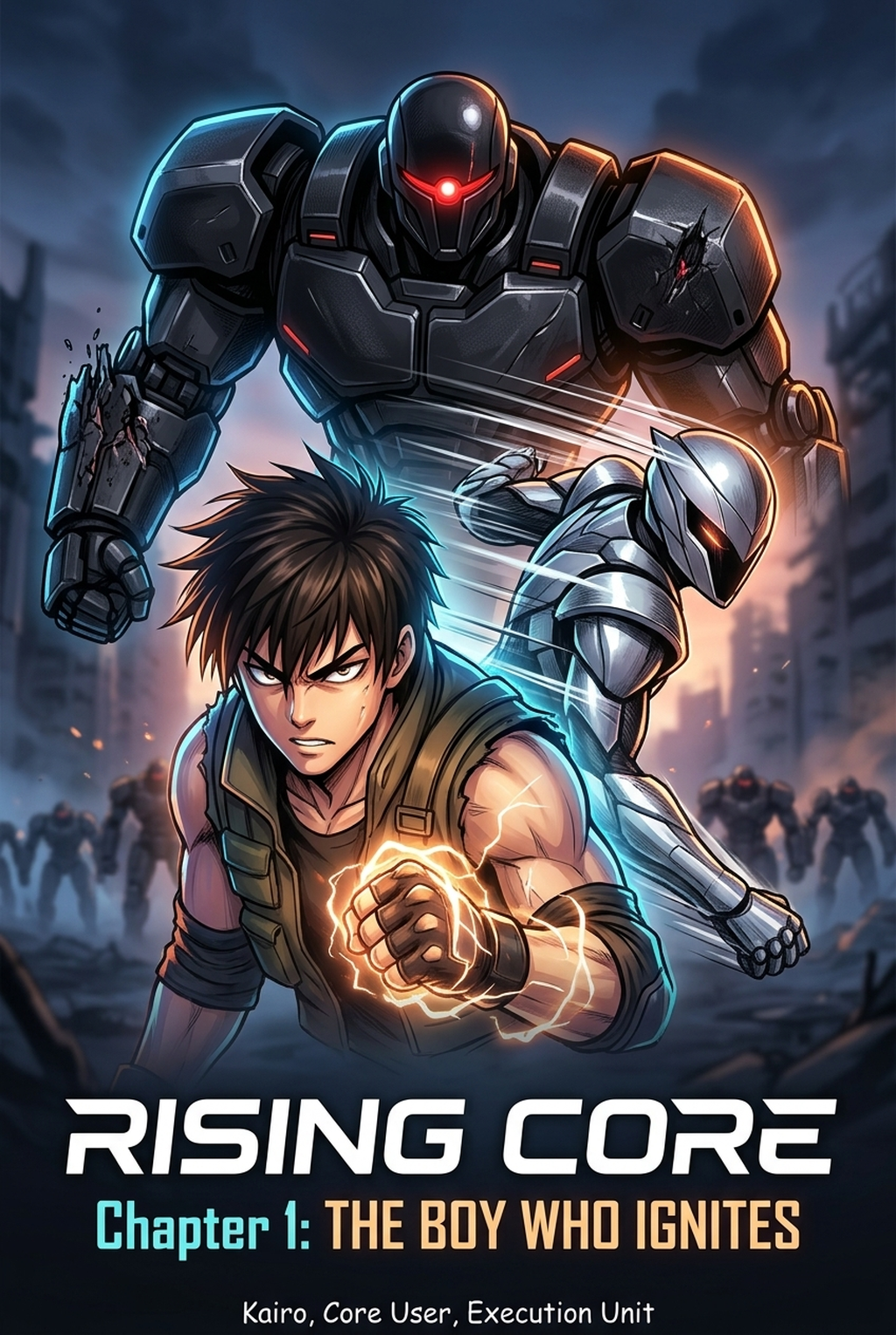
AI Manga Character Designer: Essential Elements in Character Appearance
Effective designs rely on symbolic accessories that signal both the character's internal power and their personality type. By utilizing recurring shapes like hearts, wings, or geometric star-motifs, you provide the reader with a subconscious roadmap to the character's core element, such as light, water, or shadow.
- Design Anchors: Use a singular, unchanging shape—like a celestial compass or a crystalline brooch—that serves as the focal point for your character’s magical attire. * Thematic Contrast: Build a visual bridge between the civilian clothing and the magical outfit by mirroring a color palette while radically shifting the silhouette complexity. * Accessory Logic: Ensure that staves or weaponry are physically grounded; a magical staff should feel like a weighted extension of the arm, not a disconnected, floating prop.
Many artists fall into the trap of over-complicating attire, which leads to character-proportion drift as the story progresses. If your character’s skirt layer count changes from three to five between chapters, the resulting visual dissonance often forces the reader to disconnect from your narrative pacing.
Why Structural Consistency Matters for Your Workflow
Maintaining high-detail elements like intricate lace patterns, asymmetrical shoulder pads, and floating ribbons across 200+ manga panels is a significant source of artistic fatigue. When the delivery format involves high-resolution print or digital standard, even a one-pixel shift in line weight on a character's costume mechanics can ruin a double-page spread.
Professional manga creation relies on exhaustive reference sheets that capture character proportions from front, side, and three-quarter angles. Without these, the transition from a standard character shot to a dynamic combat panel often results in a loss of silhouette recognition. When an artist fails to maintain consistency, the transformation process—the central climax of the genre—feels weightless and unearned to the reader.
Achieving Design Stability with Mangaka
Mangaka serves as your dedicated design anchor, using text-based inputs to generate consistent character source context that locks in every costume detail. By establishing a primary reference set, you ensure that complex, recurring brooches or layered skirt volumes remain identical in every frame, regardless of the angle or action.
- Source Context Fidelity: The tool acts as a review owner for your design assets, ensuring that generated panels align perfectly with your established character sheet. * Automated Consistency: Rather than manually re-drawing a complex outfit, you can generate variations that retain the same underlying technical specs. * Efficiency Gains: Artists can move away from repetitive, frame-by-frame cleanup and instead devote their energy to expressive panel composition and dramatic storyboarding.
When you use Magical Girl character design with Mangaka for your character generation, you are offloading the technical burden of "model-matching" to the system, which preserves your original design intent without the risk of human error during the inking phase. This keeps the review focused on story intent, line weight, panel readability, and the export quality behind the final AI Manga Character Designer output.
Use Cases for Advanced Design Development
To ensure your design survives the transition from sketch to final publication, you must focus on high-contrast values. A well-designed magical outfit should remain recognizable even when flattened into a black-and-white print format. A common failure in character creation is using too many colors or patterns that muddy the silhouette during high-action transformation sequences. Aim for a clear, distinct outline that is easily readable at small sizes; if you cannot identify the character in a thumbnail, the design is too dense.
AI-assisted tools handle the flowing, non-linear movement of transformation sequences by using 'seed' images to keep the base character traits stable during action frames. This technique allows for complex, multi-frame movement where the outfit remains consistent despite the rapid changes in posing or perspective.
Check character consistency, panel readability, line quality, and export readiness before publishing. Creators should also record why the page passed review, which panel details still need manual cleanup, and which export format the next collaborator will use. That makes the subsection useful instead of leaving a short checklist under a large heading.
Break out of the "magical princess" mold by blending historical fashion silhouettes, such as Victorian-era corsetry or Meiji-period school uniforms, with modern, sleek streetwear elements. This creates a fresh aesthetic that feels grounded in reality while maintaining the high-fantasy stakes required by the genre.
Integrating Design into Your Creative Process
AI Manga Character Designer workflow is ultimately a fusion of high-level iconic visual language and technical consistency management. By integrating AI-assisted design workflows, you reduce the physical strain of repetitive inking and ensure that your characters feel like a cohesive, singular entity rather than a series of disparate drawings.
The modern creator must treat the design stage not just as an artistic endeavor, but as an infrastructure-building exercise. When you provide the tool with precise, text-based descriptions of your costume mechanics, you are setting the ground rules for your entire project, which significantly accelerates the production of complex scenes.
Creators should compare the generated line art with the original sketch and confirm that facial expressions, props, speed lines, and speech-bubble space still support the scene. A repeatable review pass should cover character consistency, panel readability, background clarity, and whether the final file is ready for coloring, lettering, or editor feedback. For longer projects, creators should save approved examples of line weight, face detail, clothing folds, and background density. Those references keep later chapters closer to the intended style.
The Bottom Line
Mastering the consistency of your character's visual assets is the single most important step in professional manga production. By leveraging technology to maintain your design integrity, you free yourself to focus on the narrative and emotional beats that define your work. If you are ready to streamline your character assets, you can Magical Girl character design to build a consistent foundation for your next project.
Accelerate Your Manga Production with Mangaka.app
When designing consistent character casts across serialized chapters, Mangaka.app offers automated turnaround generation, facial expression sheets, and visual prompt-locking to ensure flawless character continuity. Rather than spending dozens of hours repeatedly redrawing complex background assets or wrestling with inconsistent model drafts, creators can focus on story pacing, emotive dialogue, and high-impact panel direction.
Key capabilities for modern creators on Mangaka :
- Strict Character Consistency: Lock facial features, costumes, and silhouette proportions across hundreds of panels.
- Intelligent Storyboard & Layout: Rapidly generate dynamic 4-koma strips, classic print spreads, or vertical webtoon gutters.
- Production-Grade Screentones: Apply authentic Japanese manga tones, hatching textures, and clean vector lettering.
Ready to streamline your comic workflow? Test your concepts and build your next chapter directly on Mangaka.app .