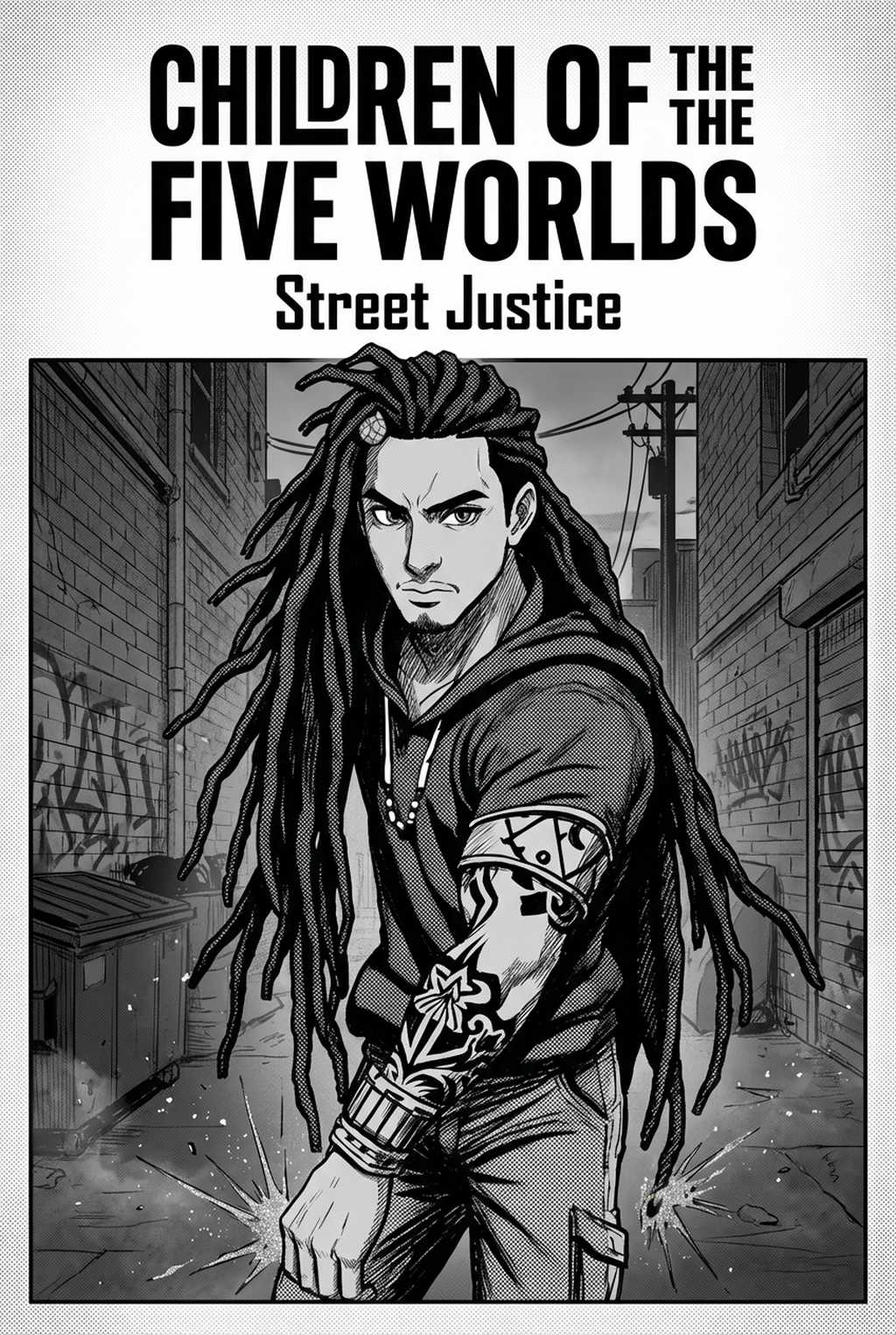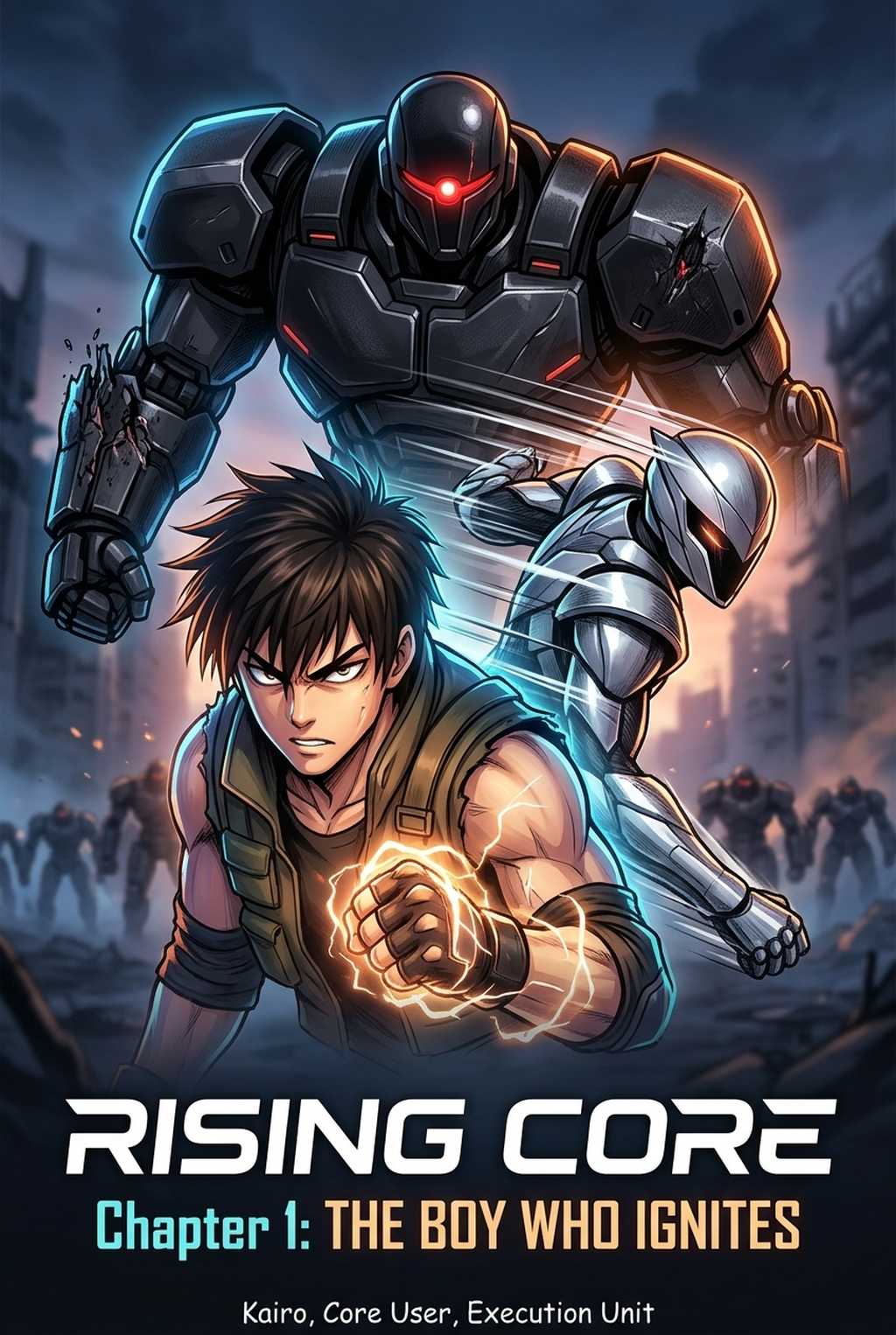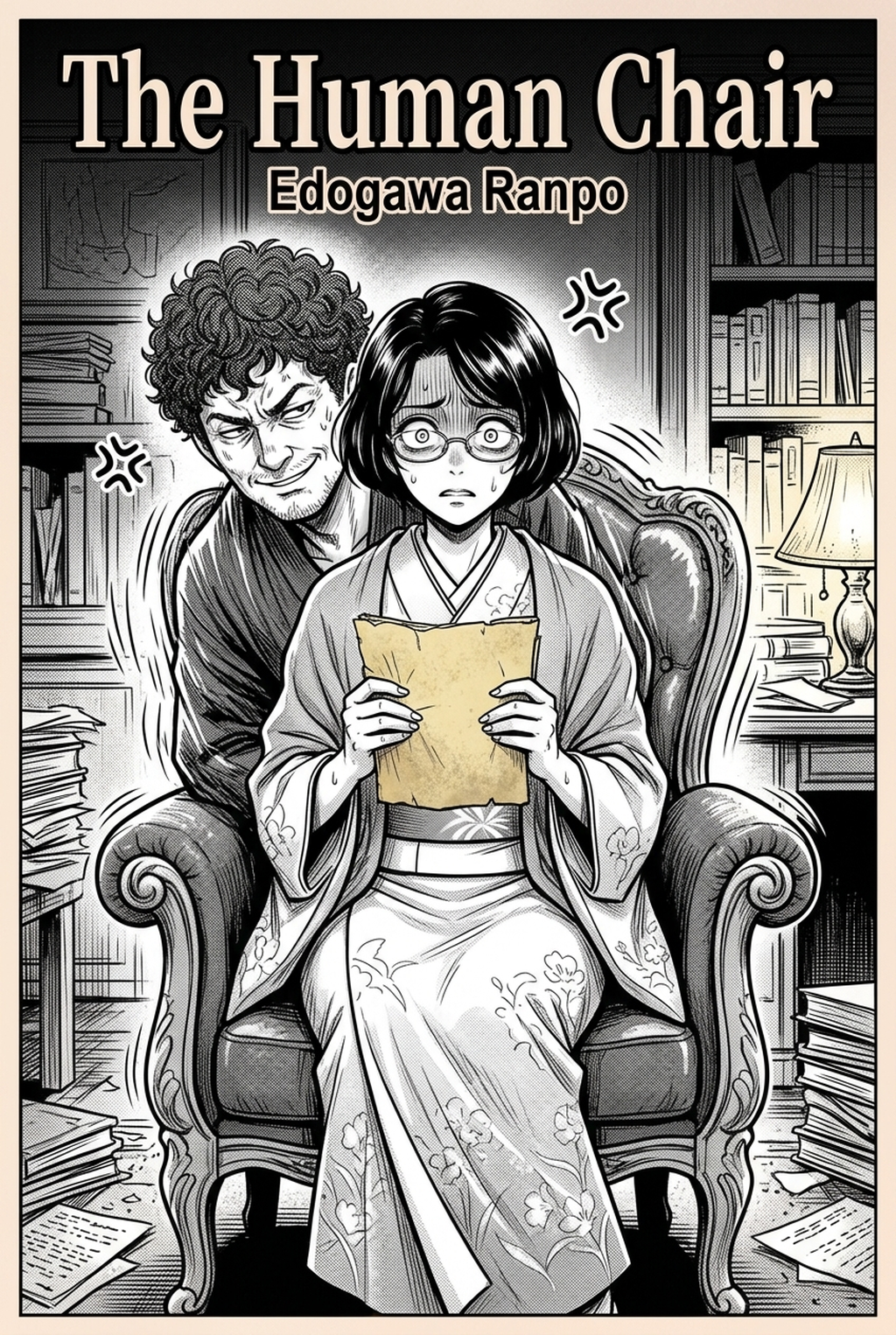
Understanding AI Manga Background Artist Mechanics
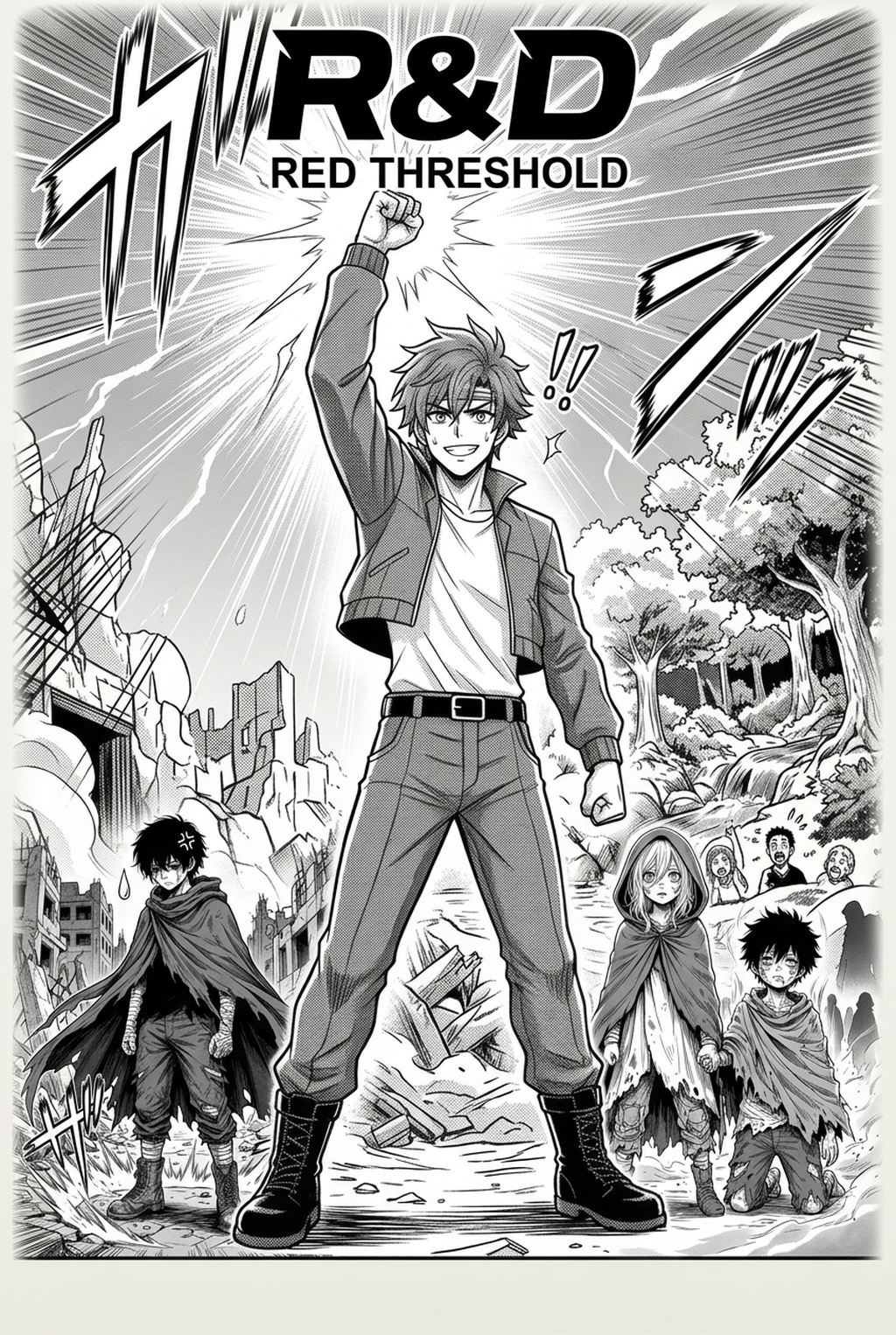
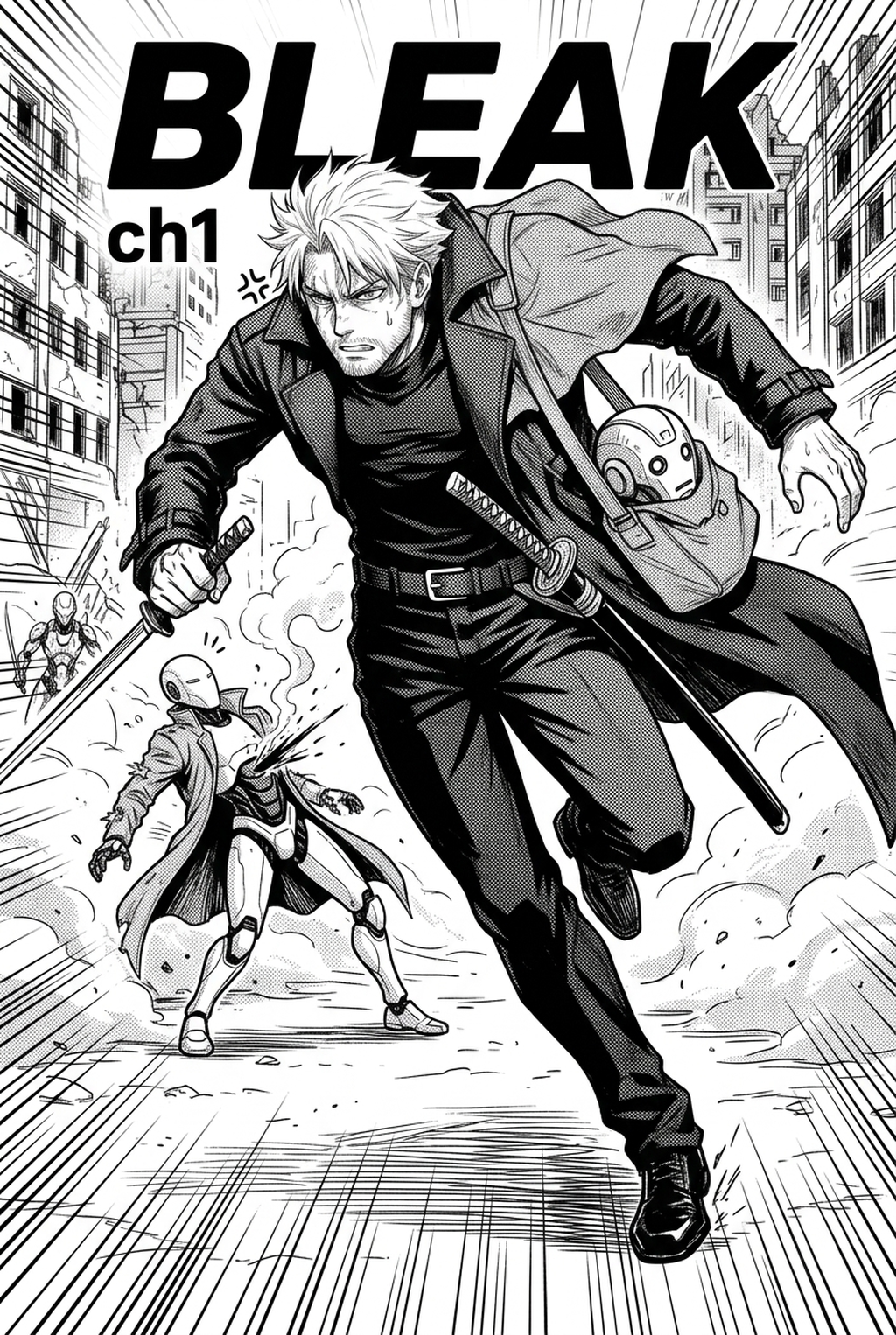
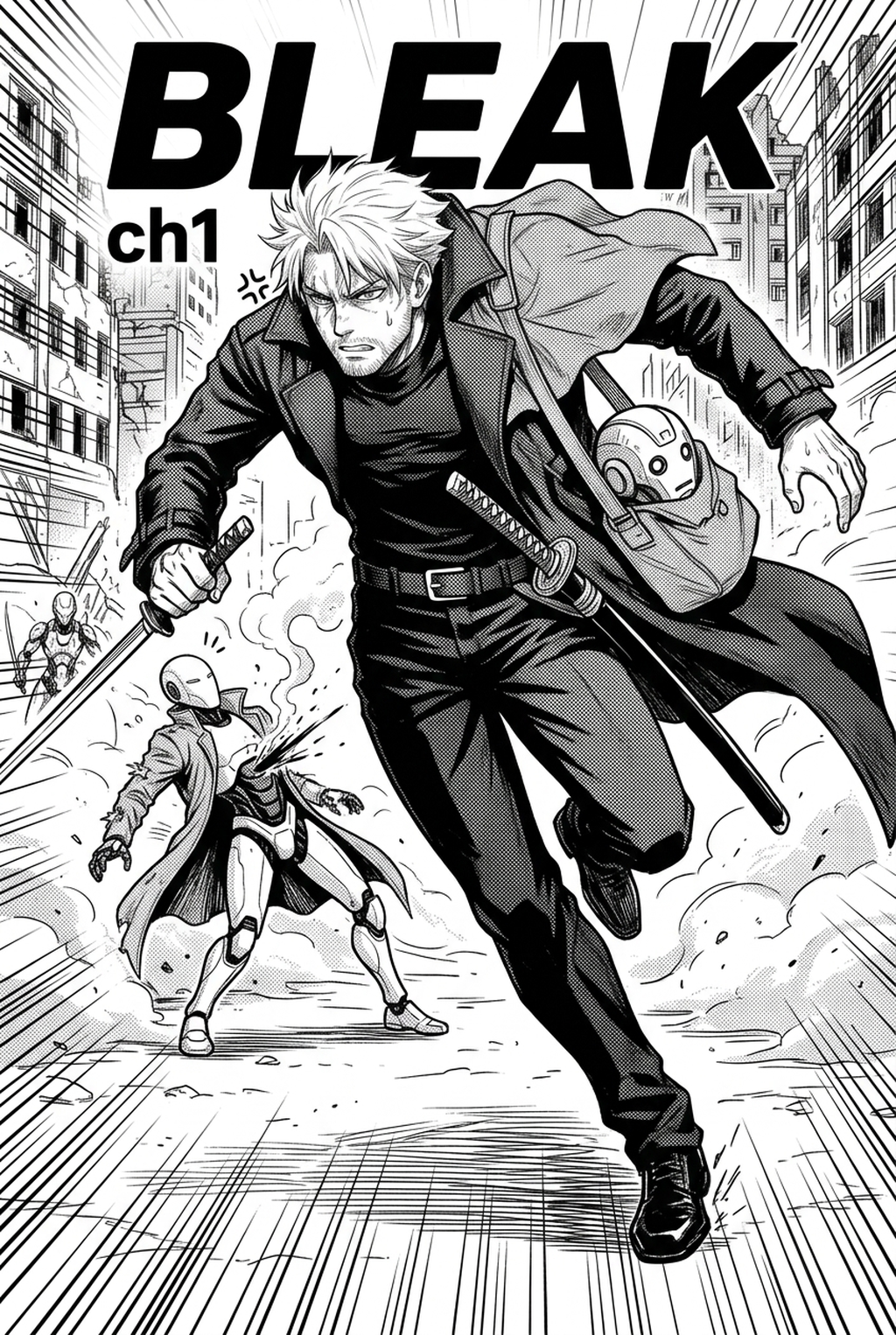
Manga background perspective relies on the geometry of vanishing points—typically one, two, or three—to create the illusion of depth on a flat surface. By mastering the horizon line and atmospheric cues like line-weight gradation, creators can guide the reader's eye toward the focal point of a panel without sacrificing architectural integrity.
Most creators fail when they force a wide-angle perspective into a tight, emotional close-up panel, resulting in distorted furniture or unnatural floor-tilt that breaks immersion. Maintaining a consistent horizon line across a sequence of five to ten pages is the only way to ensure your characters don't look like they are shifting in height between adjacent panels.
You must differentiate between near-ground foreground objects and distant structures to provide the reader with a clear sense of distance. Utilizing subtle line-weight reduction as objects move toward the vanishing point prevents the background from competing with your character's facial expressions for the reader's attention.
Why AI Manga Background Artist Matters for Creators
Precise perspective dictates reader immersion; a well-structured room or cityscape establishes the world's source context before the character enters the frame. When the geometry is solid, the reader perceives the environment as a tangible entity, allowing them to focus entirely on the dialogue and emotional beats of the page.
Distorted perspective pulls focus away from the character's emotions and toward technical errors, such as misaligned speech bubbles or disjointed wall angles. If a reader stops to calculate why a desk looks "wrong," they have effectively checked out of your story, destroying the suspension of disbelief you worked so hard to build in earlier pages.
Consistent spatial geometry allows the creator to maintain visual continuity, which is vital for long-form serialization where environment recognition is key. Readers subconsciously map out your world; if the kitchen in your hero's house changes perspective geometry between chapter one and chapter twenty, you lose that essential layer of world-building familiarity.
How Manga Background Perspective Works with Mangaka
The primary challenge for most manga artists is the sheer time investment required to draft architectural grids and complex urban layouts from scratch. Many teams struggle with "perspective fatigue," where the technical burden of drawing consistent cityscapes forces artists to sacrifice panel frequency, often leading to the use of bland, empty backgrounds that lack narrative weight.
Leveraging AI tools like the Mangaka background generator allows creators to focus on composition and narrative impact rather than the manual labor of geometric drafting. By generating a high-fidelity foundation, you can import the resulting image into your software, perform your own inking pass for that signature style, and maintain total control over your final export format.
Use Cases for AI Manga Background Artist
Mangaka automates the creation of high-fidelity backgrounds by interpreting scene descriptions, providing an instant, perspective-correct delivery format. This is particularly useful for creators who need to render dynamic wide-angle shots or complex interior spaces without needing manual under-drawing or 3D software knowledge.
Imagine a scene requiring a high-angle, wide-frame shot of a chaotic marketplace. Instead of spending six hours measuring grid lines, you input the camera height and lens focal length, and the tool produces a perspective-perfect grid. This saves you from the tedium of manually aligning every stall and crate to the correct vanishing point, allowing you to move directly to inking and tone application.
You can command the system to output specific camera angles, such as a low-angle "hero shot" looking up at a towering villain in a corporate office. This flexibility enables even non-architects to produce industry-grade panels that feel cinematic and physically imposing.
Check character consistency, panel readability, line quality, and export readiness before publishing. Creators should also record why the page passed review, which panel details still need manual cleanup, and which export format the next collaborator will use. That makes the subsection useful instead of leaving a short checklist under a large heading.
How to Get Started with Mangaka
Does AI generation allow for custom perspective angles? Yes, you can dictate camera height and focal length in your scene descriptions to ensure the output matches your story's specific mood. This keeps the review focused on story intent, line weight, panel readability, and the export quality behind the final AI Manga Background Artist output.
The tool is trained to adapt its perspective style to match the aesthetic needs of various projects. Whether you need the gritty, high-contrast detail of a Seinen mystery or the clean, open-air simplicity of a Shojo romance, you control the final visual result.
Mangaka acts as a foundation; you maintain full authority over the composition, lighting, and placement of foreground characters. You can download the generated base and use it as a reference, or layer it directly into your Manga background perspective production process to finalize your page with professional inking and shading.
Creators should compare the generated line art with the original sketch and confirm that facial expressions, props, speed lines, and speech-bubble space still support the scene. A repeatable review pass should cover character consistency, panel readability, background clarity, and whether the final file is ready for coloring, lettering, or editor feedback.
The Bottom Line
Mastering creator workflow is essential for professional-grade storytelling, though it no longer requires hours of manual drafting or high-level geometric training. By integrating AI-assisted background generation into your workflow, you can maintain high production standards while drastically reducing the time spent on repetitive geometric layouts, ensuring you reach your deadlines without burnout. Enhance your production process and generate your first custom scene today by visiting the Manga background perspective for professional results.