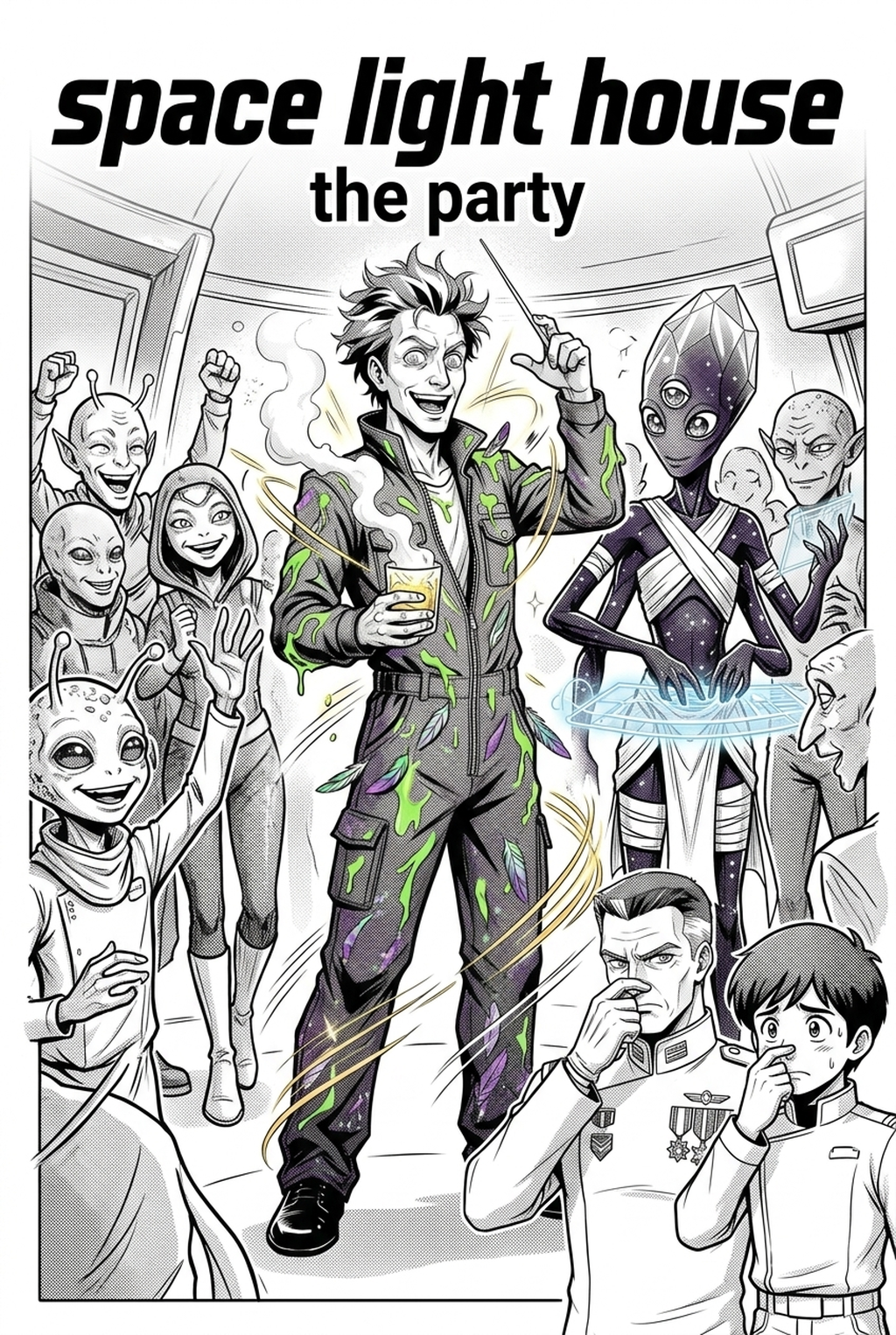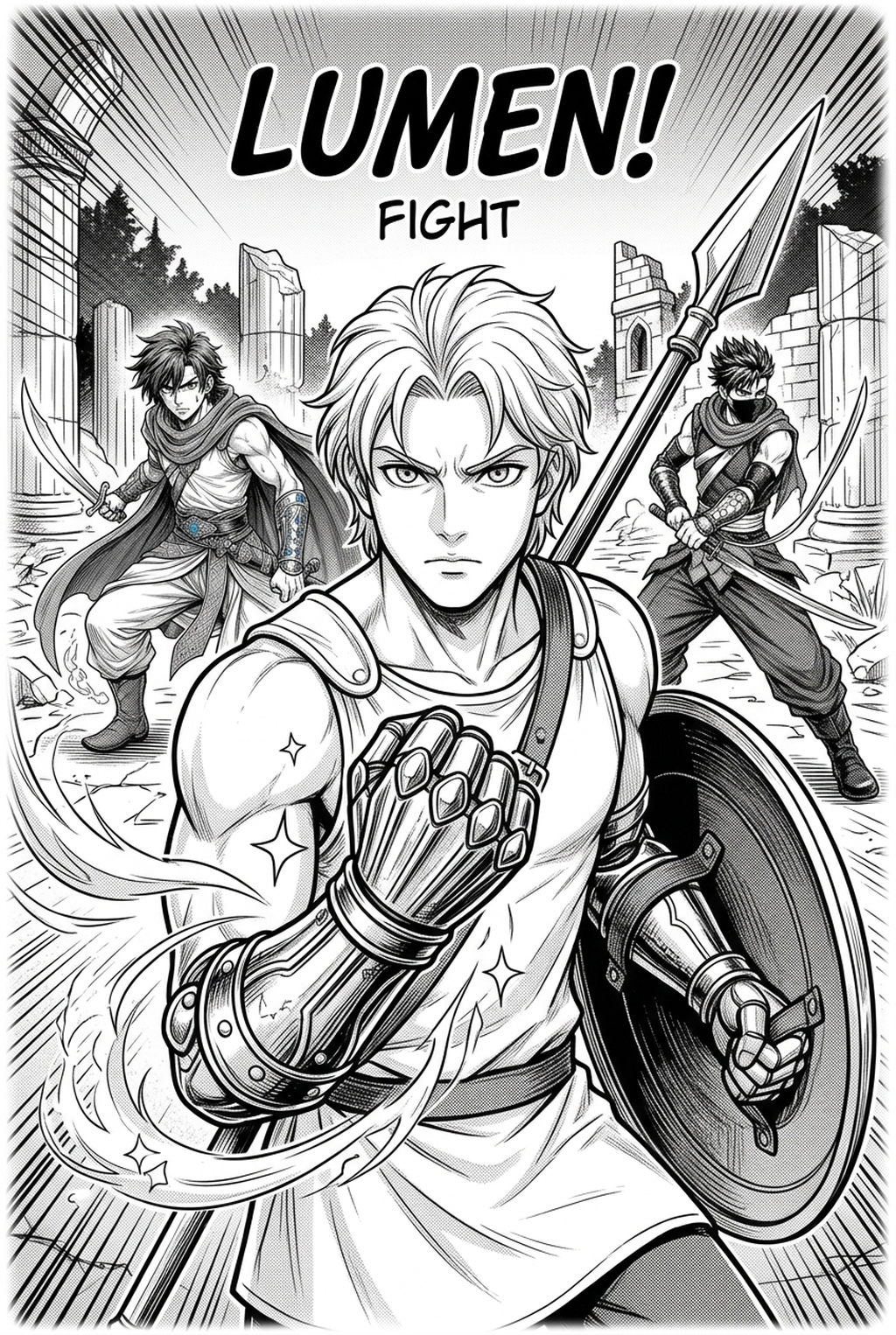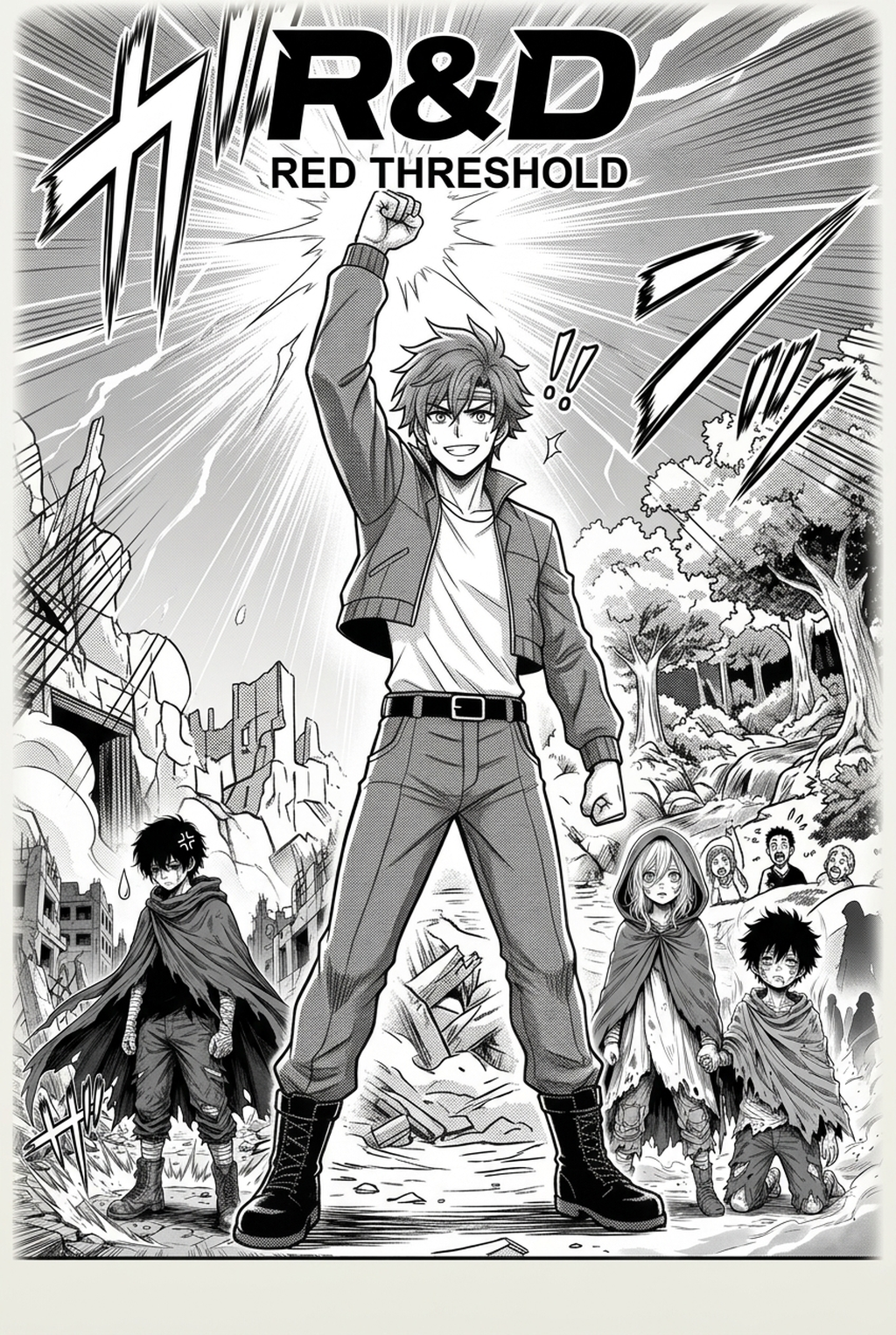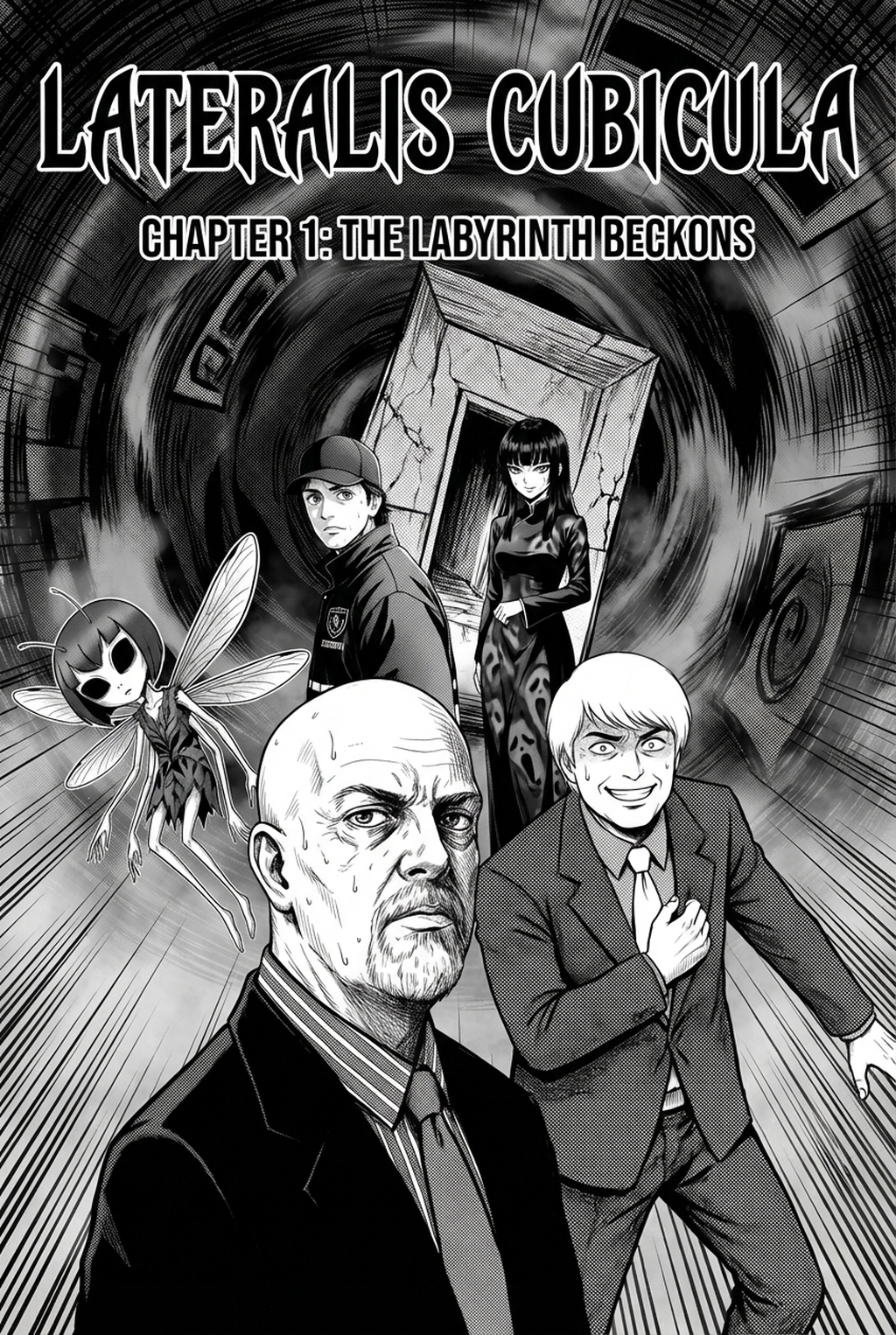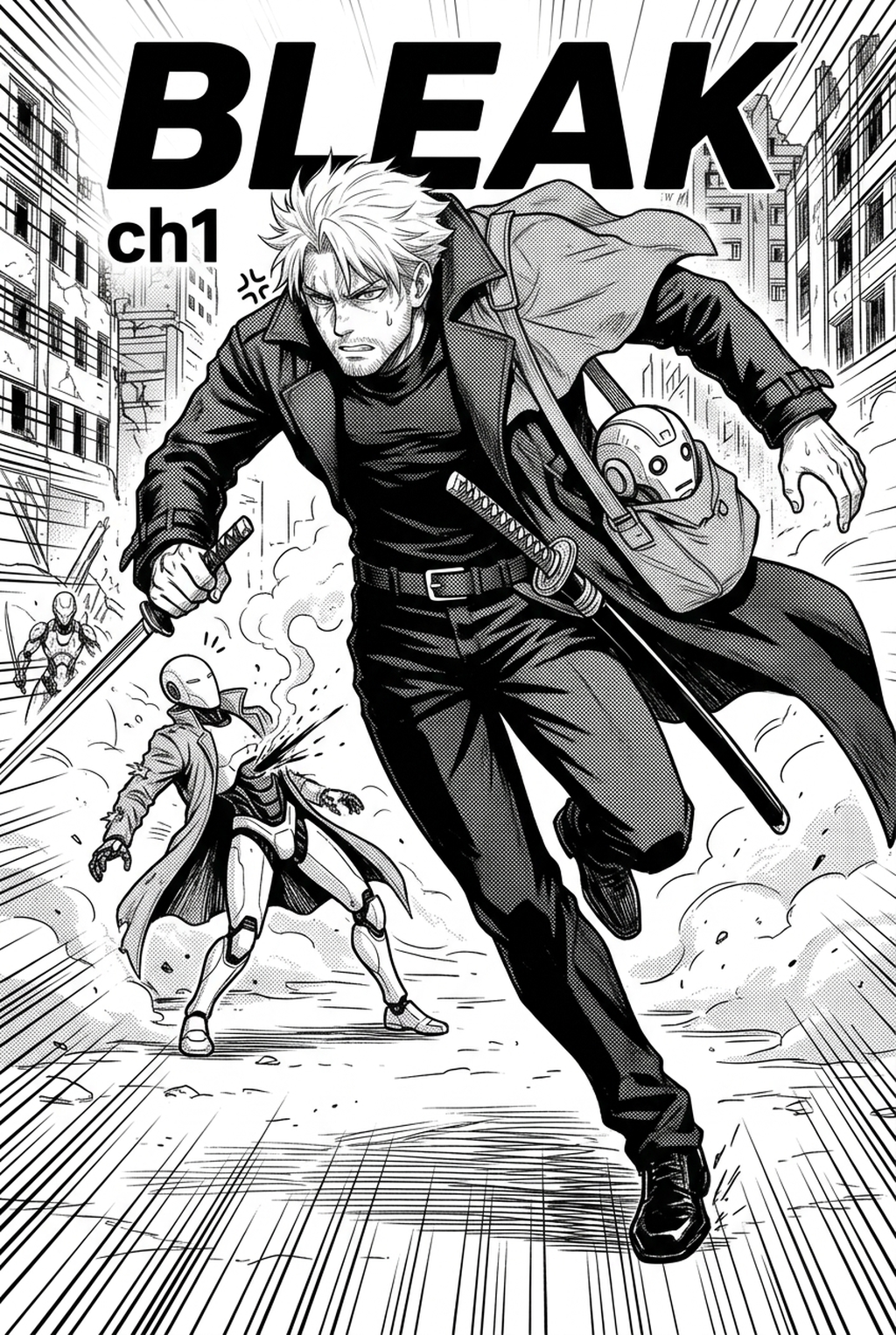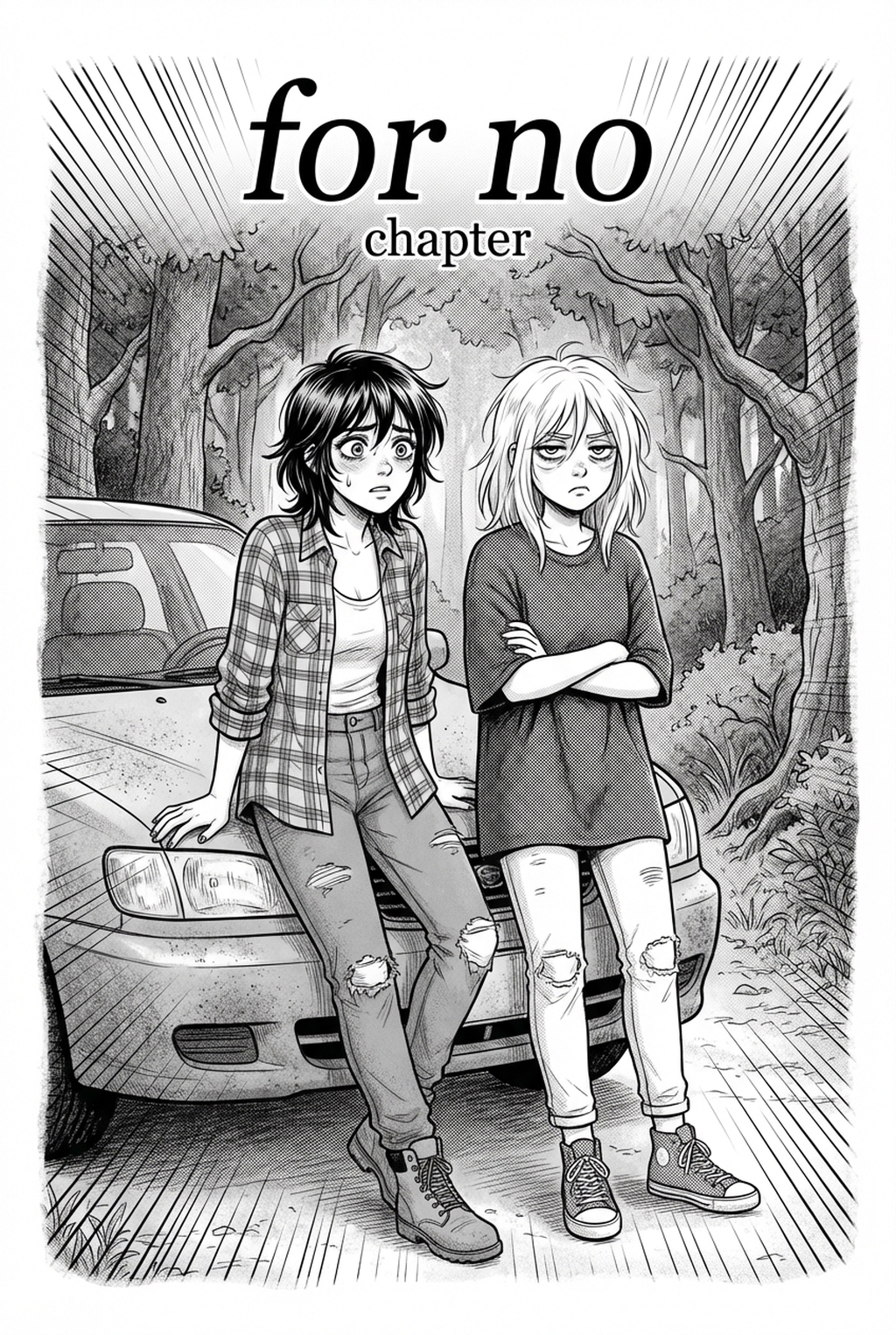
Why AI Manga Character Designer Matters for Manga Creators
A character’s design must serve their specific role in the narrative; Shonen heroes often utilize sharp, energetic lines, while Seinen leads might favor grounded, realistic anatomical structures to convey weight and gravity. When your visual style matches the genre, the art supports the story rather than distracting from the pacing.
Audience-exclusive insight: Use "personality-driven silhouettes" to help readers differentiate between primary, secondary, and background characters instantly. By varying the weight and scale of the silhouette, you ensure that the hero maintains visual hierarchy even when placed in a busy crowd shot of 50+ characters.
Audience-exclusive insight: Incorporate "recurring color-coding" into your character model sheets to anchor audience memory across long-form serializations. Additionally, develop "expression grids" alongside your core model to ensure emotional consistency during intense dramatic shifts, such as moving from a comedic reaction to a high-stakes combat encounter.
How Manga Character Design Works with Mangaka
AI Manga Character Designers use seed-based generation to solve the common issue of character drift, where facial features change unintentionally between panels or during intense inking sessions. By utilizing a fixed seed, you can ensure that the character’s base anatomy, from the curve of the eyes to the specific flow of the hair, remains locked in place regardless of the complexity of the dynamic action angle requested in your script.
Creators can input detailed text descriptions to define physical traits, then refine them via the tool to maintain strict adherence to their original vision. This integration reduces time spent on repetitive manual redrawing, allowing you to focus your energy on pacing, composition, and layout. You can access these tools at AI Manga Character Designer workflow with Mangaka to begin stabilizing your character models for your next chapter.
Use Cases for AI Manga Character Designer
Once a design is finalized, it must be adapted for various delivery formats, including web-scrolling platforms and traditional print spreads. A character that works well in a traditional 2-page print spread may lose its impact in a vertical, mobile-optimized format unless you adjust your panel gutters and speech-bubble placement to maintain readability.
- Style Bible Creation: Catalog every color palette, outfit variation, and signature pose in a digital asset folder to serve as a reference for your team or for future chapters. * Action Angle Validation: Use automated tools to verify that your character remains "on-model" when rendered in difficult, forced-perspective shots, such as high-angle aerial dives or extreme low-angle ground punches. * Workflow Integration: Move beyond rough sketches by layering your character assets over finished background plates, ensuring that inking and tone density match the environment consistently.
How to Get Started with Mangaka
The key to a new character is visual "stickiness"—a combination of a unique silhouette and an easily identifiable color scheme. If you feel like your characters look different in every panel, focus on creating a master reference sheet that you keep visible on your second monitor at all times during the drawing process.
Workflow Fit for Creator Output. Do not worry about whether technology can replace your traditional drawing skills. Instead, treat the software as a partner; it handles the heavy lifting of consistency and iteration, while you retain total control over the narrative stakes and the artistic direction of your world.
Creators should compare the generated line art with the original sketch and confirm that facial expressions, props, speed lines, and speech-bubble space still support the scene. A repeatable review pass should cover character consistency, panel readability, background clarity, and whether the final file is ready for coloring, lettering, or editor feedback. For longer projects, creators should save approved examples of line weight, face detail, clothing folds, and background density. Those references keep later chapters closer to the intended style.
- Before Export. Creators should compare the generated line art with the original sketch and confirm that facial expressions, props, speed lines, and speech-bubble space still support the scene. A repeatable review pass should cover character consistency, panel readability, background clarity, and whether the final file is ready for coloring, lettering, or editor feedback. For longer projects, creators should save approved examples of line weight, face detail, clothing folds, and background density. Those references keep later chapters closer to the intended style.
- For Collaboration. Creators should mark which panels are final and which panels still need redraws. Clear status labels prevent an assistant, editor, or colorist from polishing the wrong version. For publishing, creators should review the page at the actual reading size before export. Small screens expose crowded dialogue, weak silhouettes, and line details that looked fine while zoomed in.
- For Style Control. Creators should keep a short reference board beside the draft and compare hair shapes, eye details, costume folds, and texture choices before approving the final page. For revision planning, creators should separate art fixes from story fixes. Line cleanup, panel order, dialogue clarity, and character acting each need a different review question.
- For Solo Creators. The most useful workflow is one that keeps rough ideas editable until the final pass. That reduces rework when the scene mood changes after the first read-through. This keeps the review focused on story intent, line weight, panel readability, and the export quality behind the final AI Manga Character Designer output.
The Bottom Line
Mastering creator workflow is the critical difference between a collection of disjointed panels and a professional-grade series that captivates audiences. By combining traditional storytelling fundamentals with the efficiency of the AI tool, you can achieve professional consistency at scale while maintaining your unique artistic signature. Visit Mangaka AI Manga Character Designer to begin generating your first consistent character set today.
Related articles
Automate Your Manga Inking: Get Clean Lines in 2026
Create Professional Manga Character Design in 2026
Manga Character Design: A Complete Guide for Creators 2026