AI Manga Character Designer: Why Structural Consistency Matters for Artists
Consistency is the difference between a amateur one-shot and a polished, industry-standard manuscript. Relying on muscle memory alone is a fallacy; even veteran artists face "drift" when juggling panel deadlines, leading to costly re-inking sessions that chew through your production time.
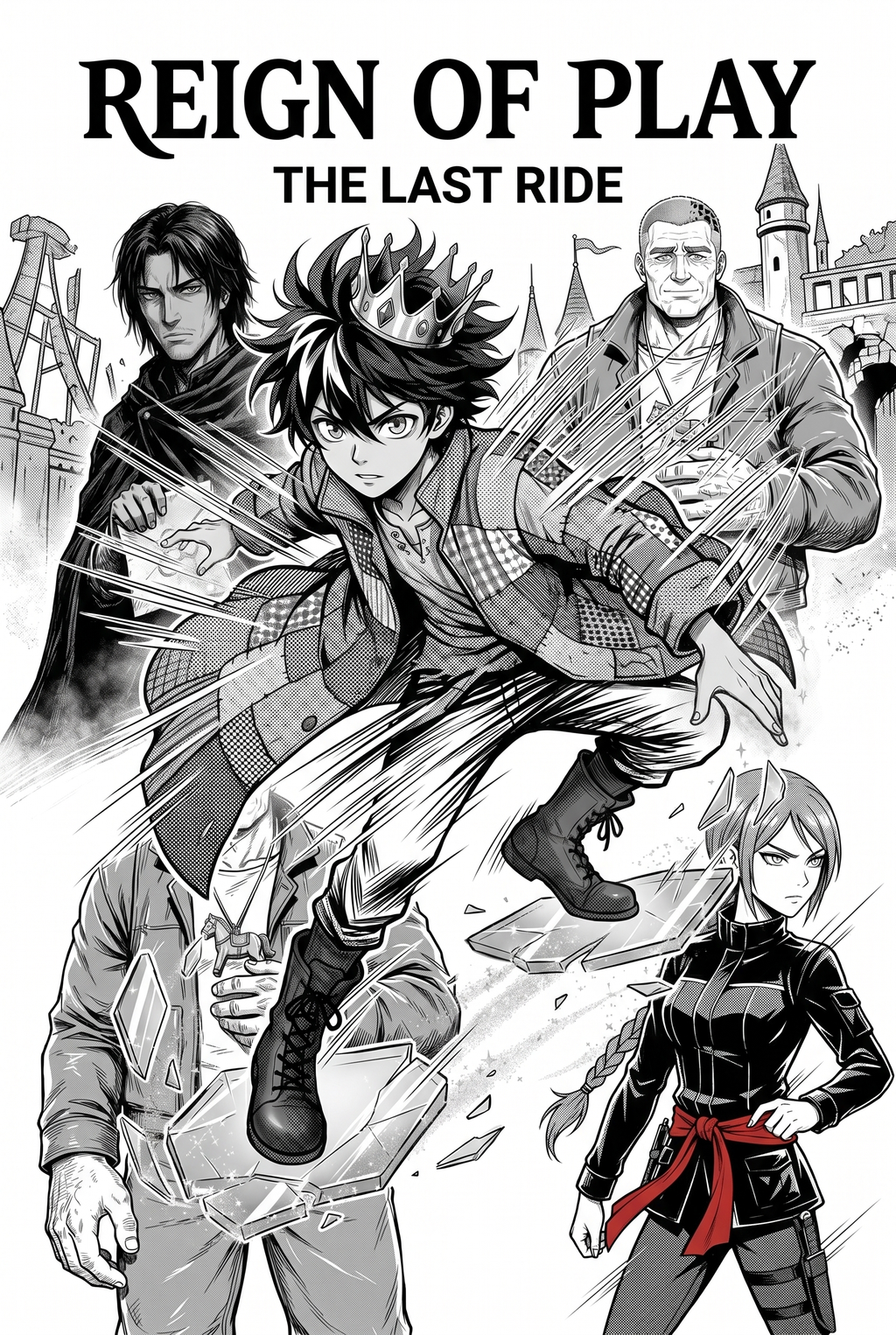
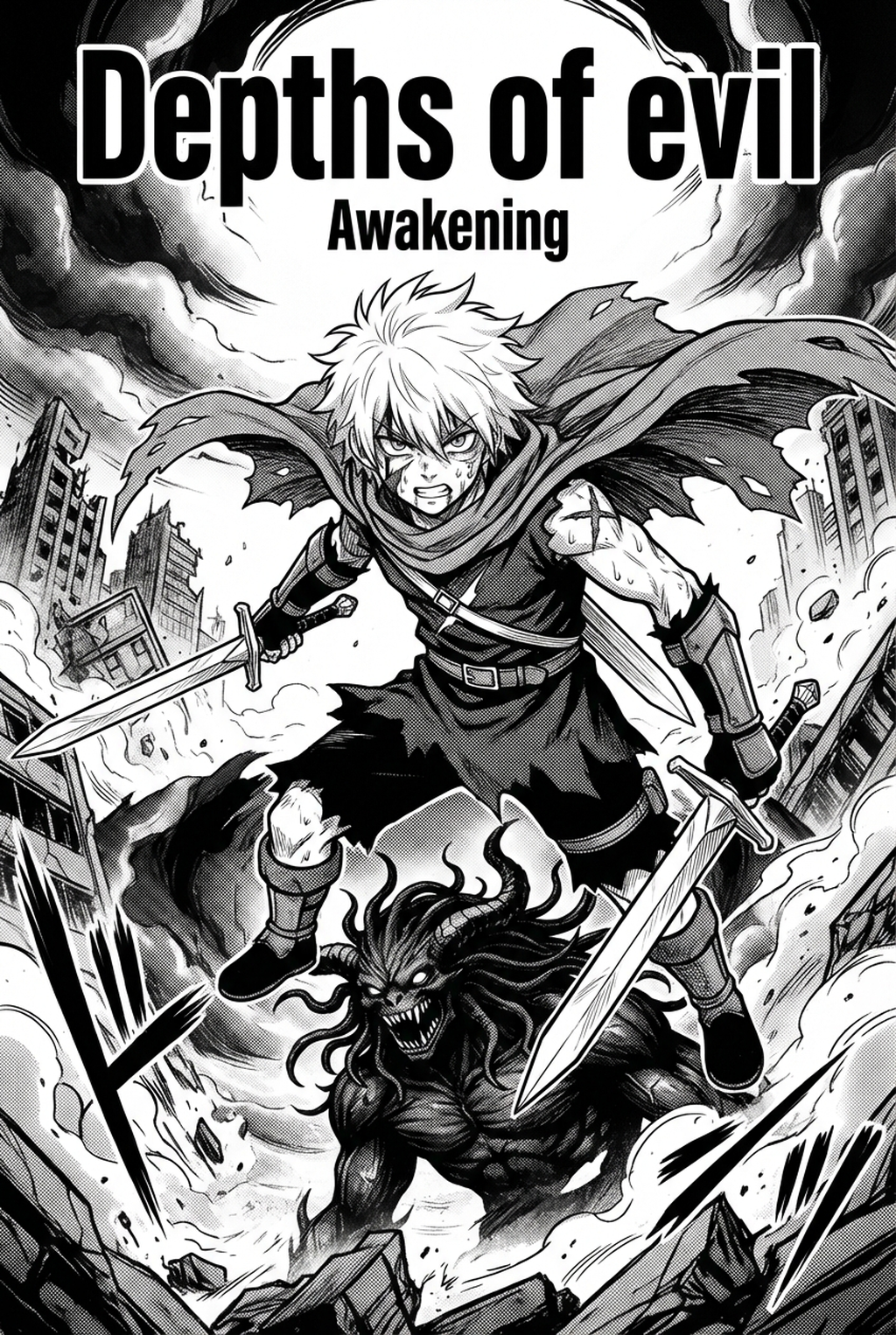
Well-documented references significantly reduce your cognitive load. Instead of spending five minutes per panel verifying if a character’s hair spikes go left or right, you simply glance at the reference. This allows you to channel your creative energy into complex composition and pacing rather than corrective drafting. In series with high-octane sequences, having a clear visual constraint for "impact anatomy" keeps your character silhouettes legible even when lines overlap in frantic melee scenes.
How to Build Your Character Model Library
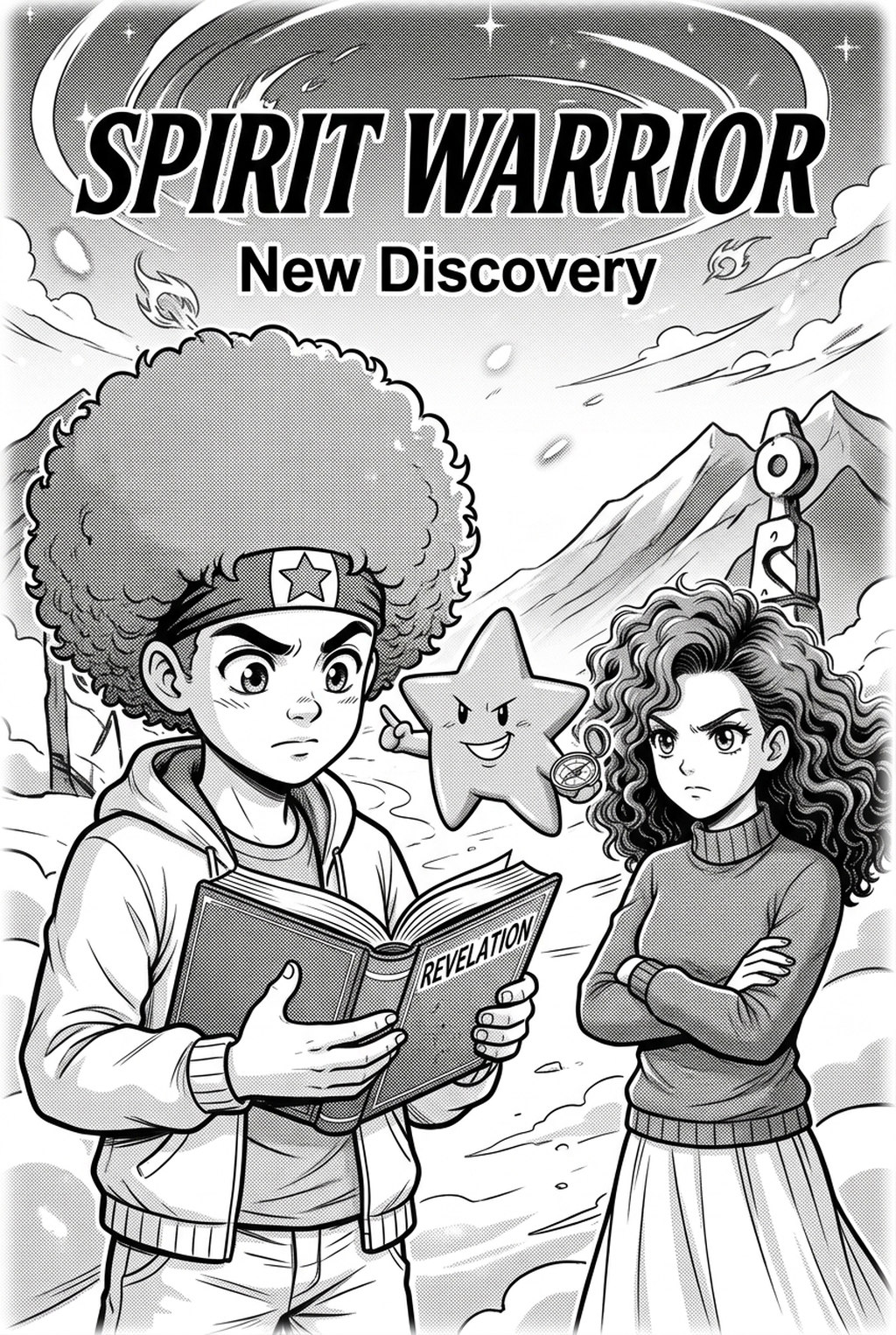
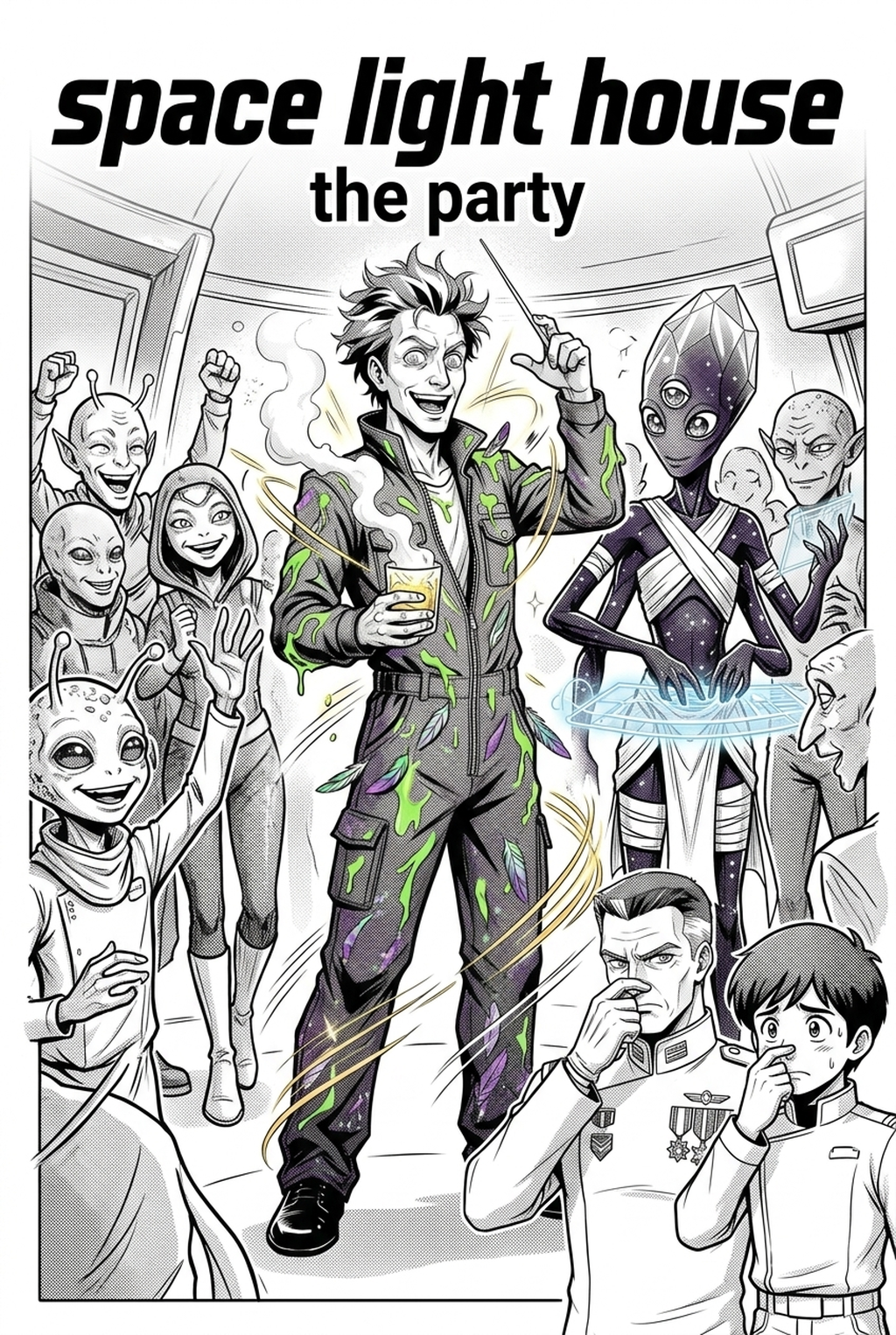
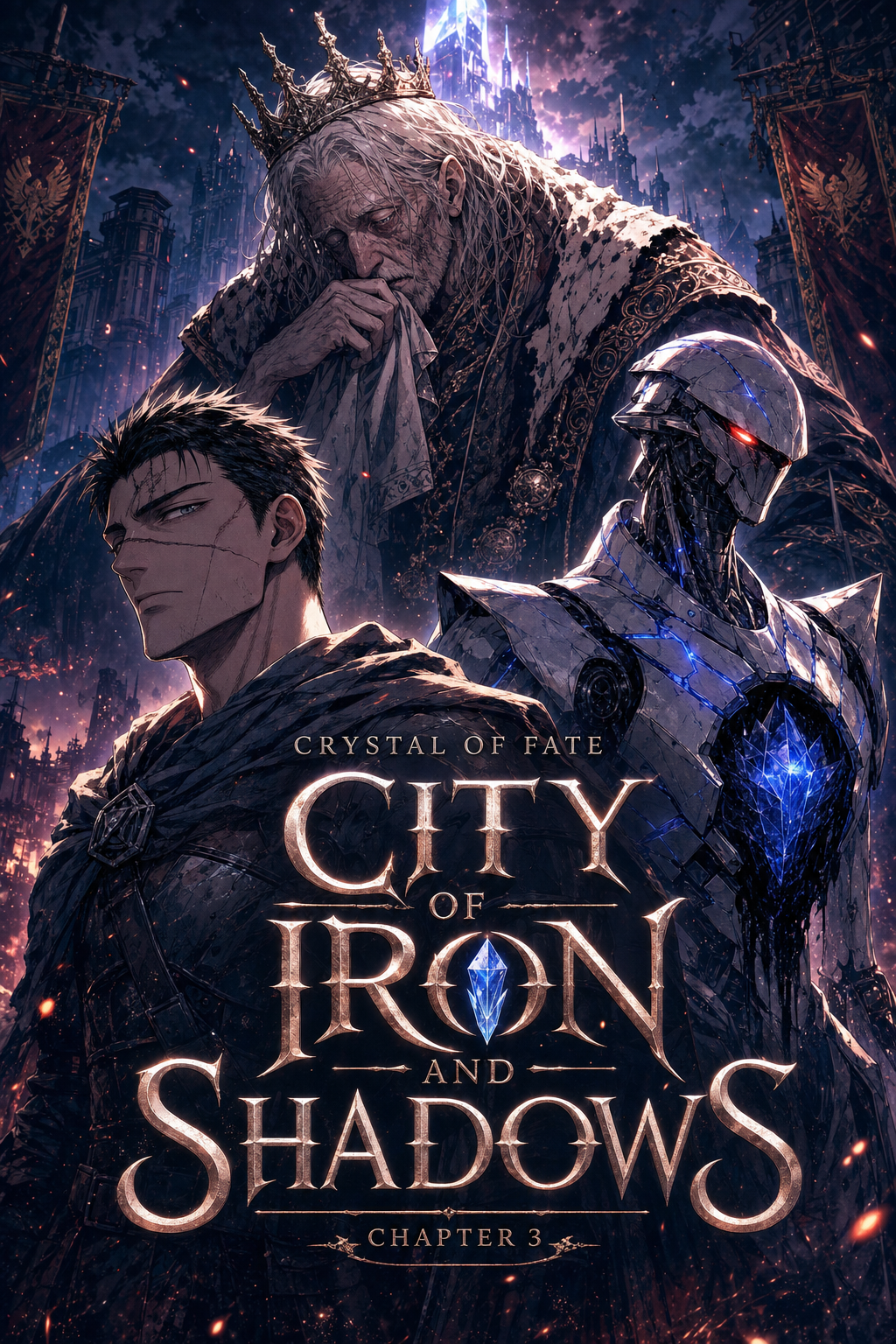
AI tools are changing how creators source these references, allowing you to generate stable, high-fidelity models that serve as a foundation for every new page. By using manga character design reference with Mangaka , you can skip the tedious manual drafting phase for basic models and jump straight to composition. Leveraging Technical Style Constraints. Modern workflows require that your references mirror your specific inking style. If you work in 90s-style grit with heavy screen-tone application, you can define these parameters as "technical style constraints."
- Line-weight Standardization: Direct the AI to match the pen pressure and line density you use for your final inking pass. * Shading Geometry: Lock in your light-source logic so that shadows fall consistently regardless of the panel’s background complexity. * Palette Synchronization: Ensure that if your manga includes color chapters, your character’s hex values or base tones are hard-coded into the model's memory.
By creative brief-chaining these specific attributes, you create a "master model" that produces variations in different poses while maintaining the exact, identifiable silhouette your readers expect from chapter one to the finale. Creators can use each revision decision to clarify panel readability, character consistency, and export quality before publishing or sharing.
Practical Strategies for Design Management
You should treat your character files as a centralized, living repository categorized by character role to streamline storyboard development. A side character should have as much visual definition as a protagonist, especially if they reappear in later narrative arcs.
- Centralized Asset Folders: Organize files by Role (Protagonist, Antagonist, Supporting) and update them whenever a character undergoes a major narrative shift, such as a time-jump or battle injury. * Digital Workspace Integration: Import these high-resolution exports as overlay layers within your drawing software. This allows you to "trace-check" your live work against the reference sheet without switching windows. * Version History Ledger: Maintain a log of costume changes. If your main character gains a scar or a new piece of armor in Chapter 50, archive the old reference and generate the new "v2" model immediately to ensure the shift is seamless for your assistants or readers.
Initiating Your Workflow with Mangaka
Creators often ask how much time they need to dedicate to model building compared to actual drawing. The answer is that a high-quality, one-page reference is mandatory, even for short-term projects, because it dictates the visual tone of the entire story. Workflow Fit for Creator Output.
- Updating Cadence: Keep your references updated as the story progresses. If a character ages or sustains a permanent injury, regenerate your Impact Anatomy" sheet to reflect these changes; failing to do so leads to jarring "patch-work" art where characters look different from one scene to the next. * Style Versatility: You are not limited to one look. Whether your aesthetic is dark, modern seinen or classic, fluid shojo, you can input specific visual cues into your reference builder to ensure the model output matches your preferred art direction. * Production Volume: Do not view these references as overhead. They are the essential infrastructure that allows you to scale from a 20-page hobbyist comic to a 200-page professional volume without losing your mind to technical errors.
Creators should compare the generated line art with the original sketch and confirm that facial expressions, props, speed lines, and speech-bubble space still support the scene. That extra context helps the reader connect the creative choice to character consistency, composition, speech-bubble space, and final file format.
- Before Export. Creators should compare the generated line art with the original sketch and confirm that facial expressions, props, speed lines, and speech-bubble space still support the scene. A repeatable review pass should cover character consistency, panel readability, background clarity, and whether the final file is ready for coloring, lettering, or editor feedback.
- For Longer Projects. Creators should save approved examples of line weight, face detail, clothing folds, and background density. Those references keep later chapters closer to the intended style. For collaboration, creators should mark which panels are final and which panels still need redraws. Clear status labels prevent an assistant, editor, or colorist from polishing the wrong version.
- For Publishing. Creators should review the page at the actual reading size before export. Small screens expose crowded dialogue, weak silhouettes, and line details that looked fine while zoomed in. For style control, creators should keep a short reference board beside the draft and compare hair shapes, eye details, costume folds, and texture choices before approving the final page.
The Bottom Line
A professional-grade reference file is the backbone of consistent, high-quality storytelling that keeps readers engaged without distraction. By using manga character design reference to automate your character sheets, you eliminate the repetitive manual drafting that often leads to errors in page composition, freeing you to focus entirely on your narrative beats and panel pacing.
Related articles
How to Create Manga Character Sheet Design Projects
Manga Speech Bubble Layout: 2026 Guide
Mastering Mahjong Character Design for Manga Creators 2026