AI Manga Speech Bubble Layout: Understanding Flow and Hierarchy
The fundamental principle of Japanese comic design is the Z" or N" reading pattern, which moves from the top-right to the bottom-left of the page. Because of this, your speech bubbles must act as visual stepping stones. If a reader has to stop and guess which bubble to read first, the immersion is broken.
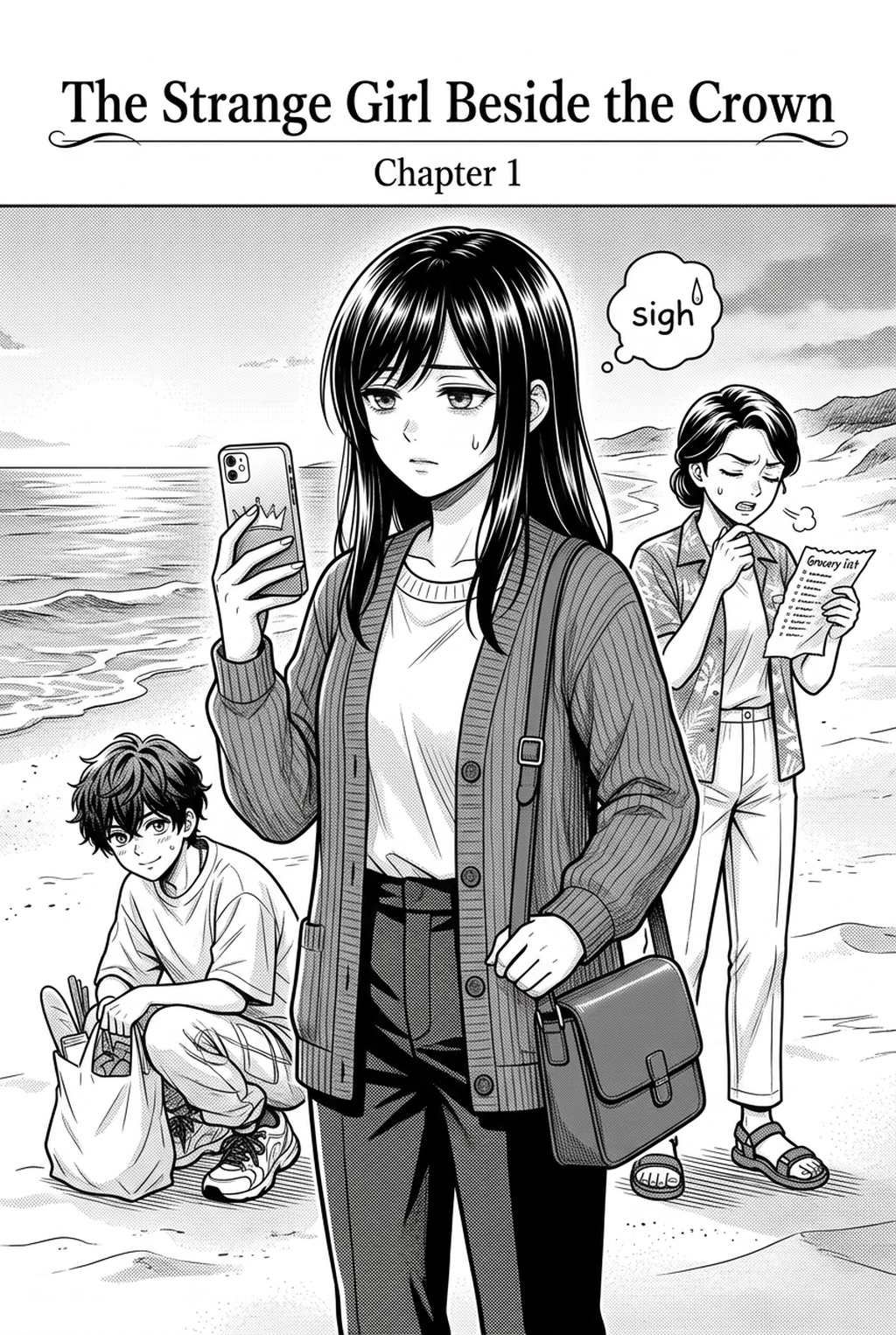
To prevent this, always ensure the bubble containing the first line of dialogue is placed higher or further to the right than the response. Beyond basic placement, the shape of your speech bubbles plays a significant role in conveying tone. A circular, soft-edged bubble suggests normal speech, while jagged edges convey shouting or intense emotion.
By varying the size of the balloon relative to the amount of text, you create a natural rhythm that mimics the cadence of human speech. Always leave enough padding between the text and the edge of the bubble to avoid a cramped appearance. Remember that the tail of the bubble should point toward the mouth of the speaker, but avoid having it cross over key visual elements like the character's eyes or major impact lines, as this creates unnecessary visual noise.
- Chapter cadence. Use the AI pass for pages where speed matters most, such as repeated action poses, transformation beats, or dense speed-line panels. Keep manual cleanup for hero panels where the line style defines the emotional peak.
- Character continuity. Compare the generated lines against the same model sheet, costume notes, and facial-expression range used during sketching. This prevents a fast inking pass from drifting away from the character identity readers recognize.
- Export readiness. Check whether the final manga output can move into lettering, coloring, or final layout without rebuilding panel borders or speech-bubble space. A good manga workflow should save time while keeping the next production step predictable.
Refining Your Panel Composition
Consistency is key to a professional-looking manga. If you are working on a multi-page chapter, establish a grid system early on. This grid should accommodate your dialogue, allowing for white space that prevents the panels from feeling claustrophobic. If a panel is particularly dense with action, consider placing the speech bubbles in the gutters or using overlapping bubbles to bridge the gap between two characters. This technique, often used in shonen manga, helps keep the reader’s eye moving forward without forcing them to jump back and forth between disparate sides of the page.
When integrating text, be mindful of the "gutter space"—the white space between panels. Sometimes, placing a tail in the gutter can draw the eye toward the next panel, effectively controlling the pacing of the story. If you find yourself struggling with complex layouts, utilize digital tools to drag and drop elements until the composition feels balanced. Maintaining a clean layout allows the reader to focus on your character designs and emotional cues rather than deciphering the dialogue sequence.
Final Thoughts on Pacing
Your layout choices dictate how fast or slow a reader moves through your work. By strategically placing bubbles, you can create moments of tension where the eye lingers on a panel, or moments of rapid-fire dialogue that heighten the action. Spend time analyzing your favorite manga titles to see how professional mangaka utilize negative space and speech bubble placement to control the reader's experience. With practice and the right tools, you will develop an intuitive sense for composition that elevates your storytelling. Creative Decisions and Export Quality.
- Before Export. Creators should compare the generated line art with the original sketch and confirm that facial expressions, props, speed lines, and speech-bubble space still support the scene. A repeatable review pass should cover character consistency, panel readability, background clarity, and whether the final file is ready for coloring, lettering, or editor feedback.
- For Longer Projects. Creators should save approved examples of line weight, face detail, clothing folds, and background density. Those references keep later chapters closer to the intended style. For collaboration, creators should mark which panels are final and which panels still need redraws. Clear status labels prevent an assistant, editor, or colorist from polishing the wrong version.
- For Publishing. Creators should review the page at the actual reading size before export. Small screens expose crowded dialogue, weak silhouettes, and line details that looked fine while zoomed in. This keeps the review focused on story intent, line weight, panel readability, and the export quality behind the final AI Manga Speech Bubble Layout output.
- For Style Control. Creators should keep a short reference board beside the draft and compare hair shapes, eye details, costume folds, and texture choices before approving the final page. For revision planning, creators should separate art fixes from story fixes. Line cleanup, panel order, dialogue clarity, and character acting each need a different review question.
- For Solo Creators. The most useful workflow is one that keeps rough ideas editable until the final pass. That reduces rework when the scene mood changes after the first read-through. Creators can use each revision decision to clarify panel readability, character consistency, and export quality before publishing or sharing.
- For Teams. Handoff notes should explain why a panel was accepted, not just whether it was accepted. That context helps later coloring, lettering, and export decisions stay consistent. Creators can use manga speech bubble layout when they need a reviewed path from rough sketch to clean manga output.
Creators can evaluate manga speech bubble layout with Mangaka mid-workflow when they need the product path tied directly to review, refinement, and export. A real test should use the same sketch, character goal, or panel sequence that would otherwise need manual cleanup after generation.
Related articles
Mastering Mahjong Character Design for Manga Creators 2026
Mastering Fashion Manga Art Style: A Creator’s Guide 2026
Mastering Boys Love Manga Character Design: A 2026 Guide