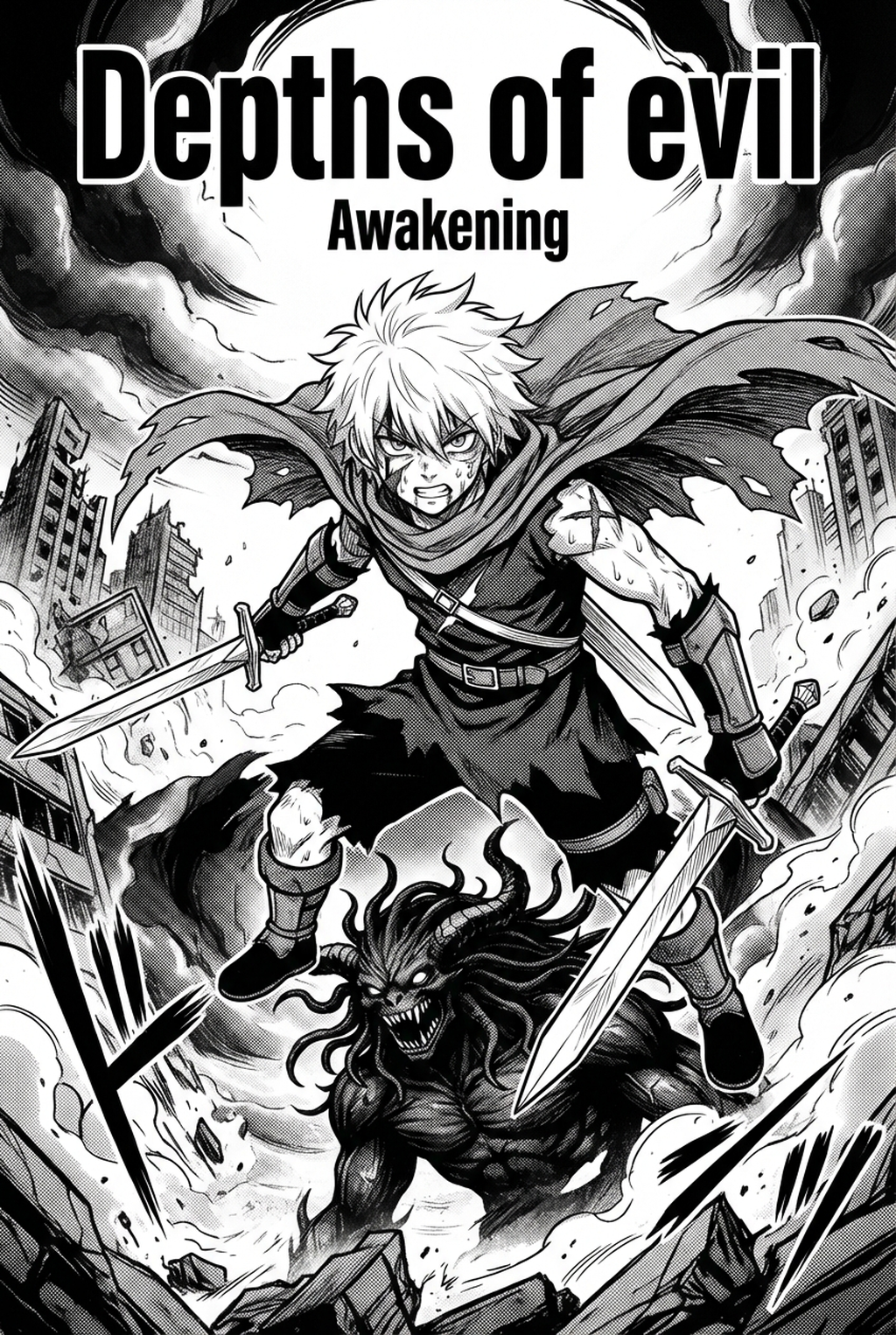
AI Manga Character Designer: Importance in High-Stakes Visual Narratives
Character design in high-stakes manga utilizes visual dissonance to effectively signal hidden strategies or mental collapses during critical game moments. Designers often use sharp, aggressive line work for characters who favor chaotic, offensive playstyles, while calm, analytical observers are rendered with fluid, minimalist lines to emphasize their ability to process complex table states without emotional leakage.
Implementing a Hidden Tell System" allows you to ground your characters in the game’s reality. Physical design elements like a specific scarf color or a badge represent a character's preference for specific mechanics such as Dora collection or aggressive folding. If a character’s design remains static while their playstyle shifts, you lose the opportunity to show their evolution through their relationship with the game.
Integrating Game Elements with Mangaka
Mangaka eliminates the manual labor of maintaining complex, game-specific costume patterns by anchoring your character design in a specific creative brief hierarchy. By defining the character’s base appearance alongside mandatory Mahjong motifs—such as tile symbols or specific game-table gear—the engine ensures that your character remains visually identical across different panels regardless of the action complexity.
Consistency is the primary failure point in many sports-focused manga, where intricate clothing details or high-detail game paraphernalia often shift in proportion or design after several chapters. Using the Mahjong character design allows creators to maintain strict visual character sheets, ensuring that even complex, multi-layered costumes stay logically consistent during high-intensity sequences.
Use the Visual Consistency Buffer"—a set of static creative brief tokens that define the character's clothing and game-related gear—to prevent design drift between character development and action sequences. By locking these tokens, you avoid the frustrating "line-weight drift" or distorted facial proportions that occur when the AI loses track of the character’s core geometry during intense drafting sessions.
Practical Use Cases for Game-Themed Design
Balancing game accuracy with artistic flair is a constant negotiation between technical representation and readable manga aesthetics. You should focus on the symbolic inclusion of tiles and suits rather than hyper-realistic rendering, which often clashes with the surrounding panel linework and character shading styles.
Modern AI design tools are capable of handling intricate Mahjong patterns in character clothing, provided you supply clear constraints for the generated textures. You can specify a "tile-patterned fabric" as a static design element, allowing the tool to generate consistent, repeating textures that look like professional manga screen-tones rather than messy, unrefined art. Visualizing a character's rank within the game world often hinges on environmental storytelling elements that appear within the panel composition.
- Elite Players: Character designs feature clean, high-contrast, expensive-looking garments with minimalist jewelry or table accessories that suggest total control over the game flow. * Intermediate Players: Designs incorporate a mix of standard school or casual wear with minor, worn-out game-related accessories that hint at a deep, though perhaps imperfect, understanding of the game. * Novice Players: Use cluttered or oversized clothing to visually represent their lack of focus and tendency to be overwhelmed by the complexity of the tiles.
- Chapter cadence. Use the AI pass for pages where speed matters most, such as repeated action poses, transformation beats, or dense speed-line panels. Keep manual cleanup for hero panels where the line style defines the emotional peak. - Character continuity. Compare the generated lines against the same model sheet, costume notes, and facial-expression range used during sketching. This prevents a fast inking pass from drifting away from the character identity readers recognize. - Export readiness. Check whether the final manga output can move into lettering, coloring, or final layout without rebuilding panel borders or speech-bubble space. A good manga workflow should save time while keeping the next production step predictable.
Getting Started with Mangaka
Successful character design in the Mahjong niche hinges on the fusion of player psychology and high-contrast visuals, allowing you to move beyond basic character templates. By leveraging specialized AI design tools to manage your character sheets, you can maintain complex visual consistency, allowing you to focus more on the narrative tension of the match rather than repetitive, manual character drafting.
Once you have established your character’s core personality—such as their playstyle, rank, and signature tile motif—input these attributes into your design brief to create the initial model. This foundational step ensures that every subsequent panel you generate maintains the same character proportions and clothing details, saving you from tedious post-production clean-up and line-weight correction. Before export, creators should compare the generated line art with the original sketch and confirm that facial expressions, props, speed lines, and speech-bubble space still support the scene.
Creators should compare the generated line art with the original sketch and confirm that facial expressions, props, speed lines, and speech-bubble space still support the scene. A repeatable review pass should cover character consistency, panel readability, background clarity, and whether the final file is ready for coloring, lettering, or editor feedback. For longer projects, creators should save approved examples of line weight, face detail, clothing folds, and background density. Those references keep later chapters closer to the intended style.
Creators can evaluate Mahjong character design with Mangaka mid-workflow when they need the product path tied directly to review, refinement, and export. A real test should use the same sketch, character goal, or panel sequence that would otherwise need manual cleanup after generation.
The Bottom Line
Mastering character design requires a disciplined approach to consistency and thematic integration, ensuring your characters feel like active participants in the game rather than just placeholders. By utilizing specialized tools, you can offload the repetitive drafting and focus exclusively on the high-tension storytelling that defines the genre.
Related articles
Mastering Fashion Manga Art Style: A Creator’s Guide 2026
Mastering Boys Love Manga Character Design: A 2026 Guide
Analyzing Nue No Onmyouji Character Design Elements in 2026