Understanding the Structure of Design References
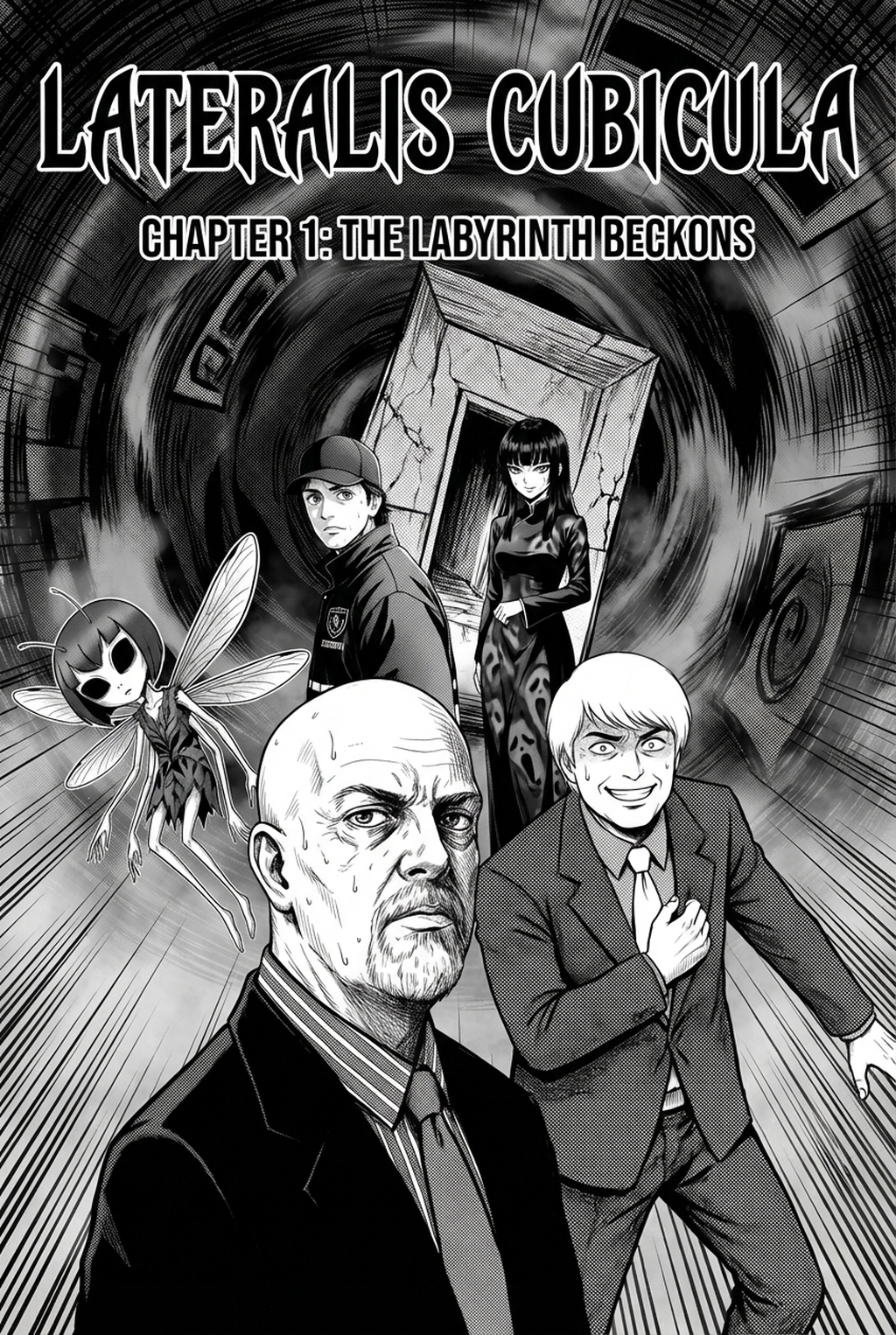
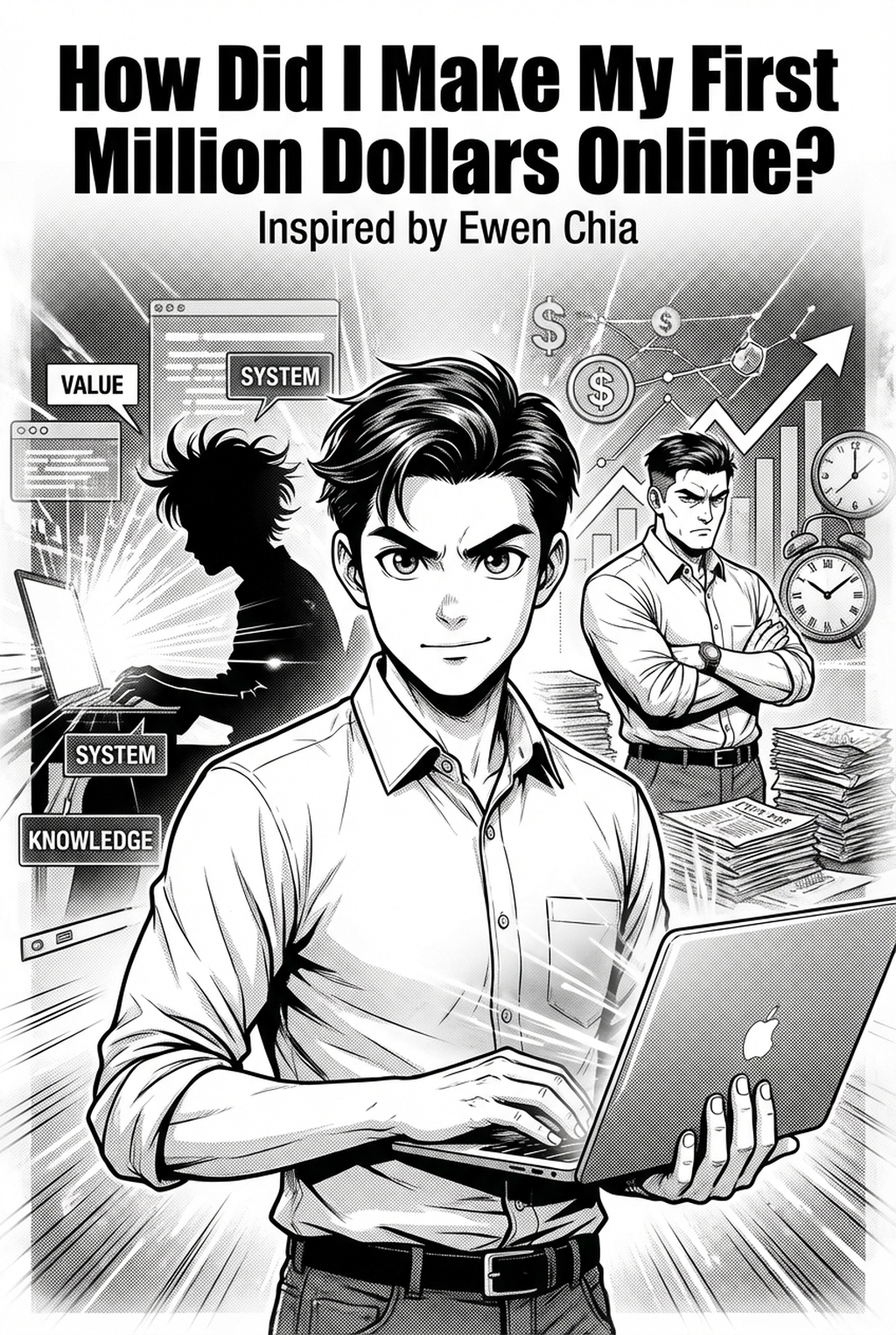
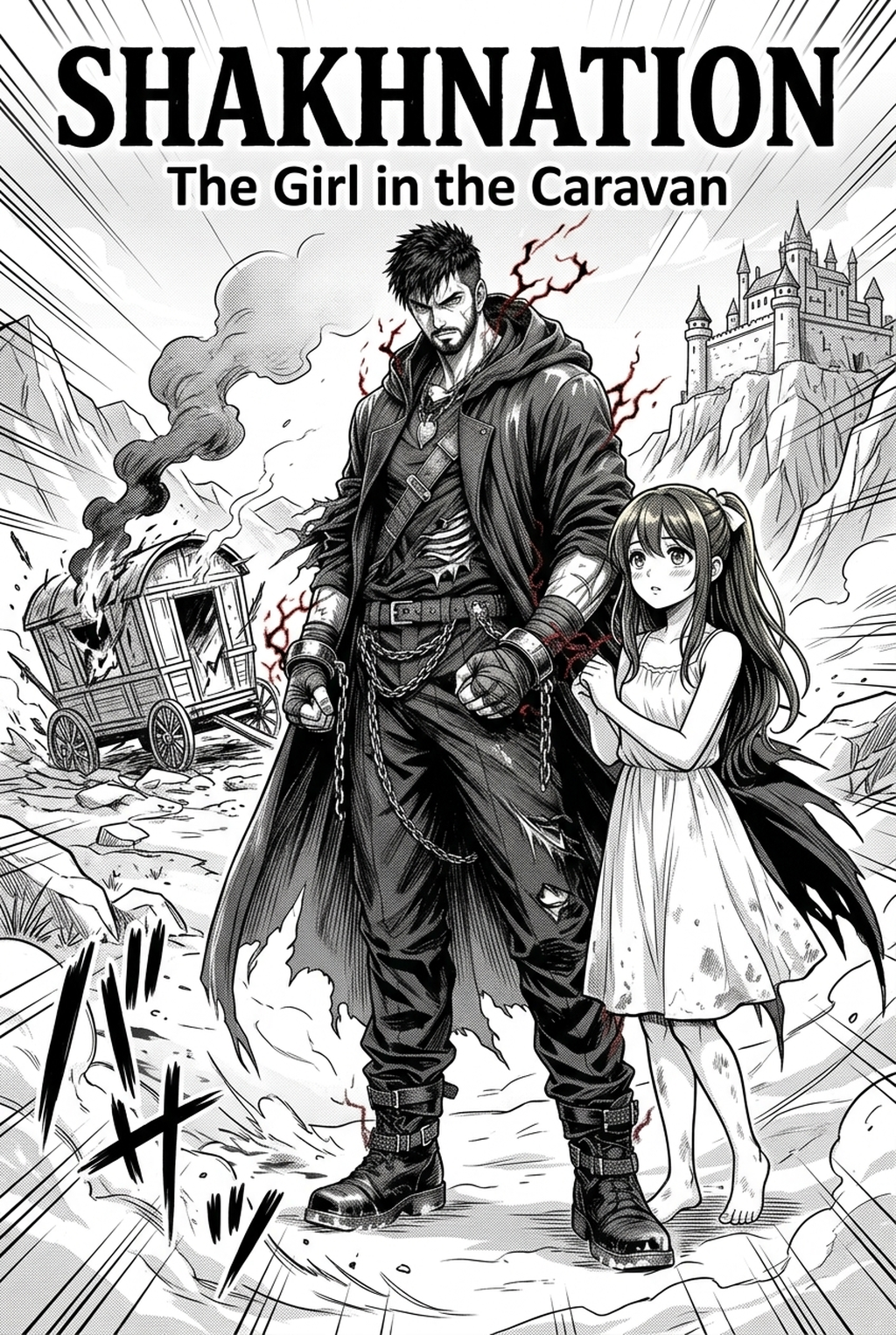
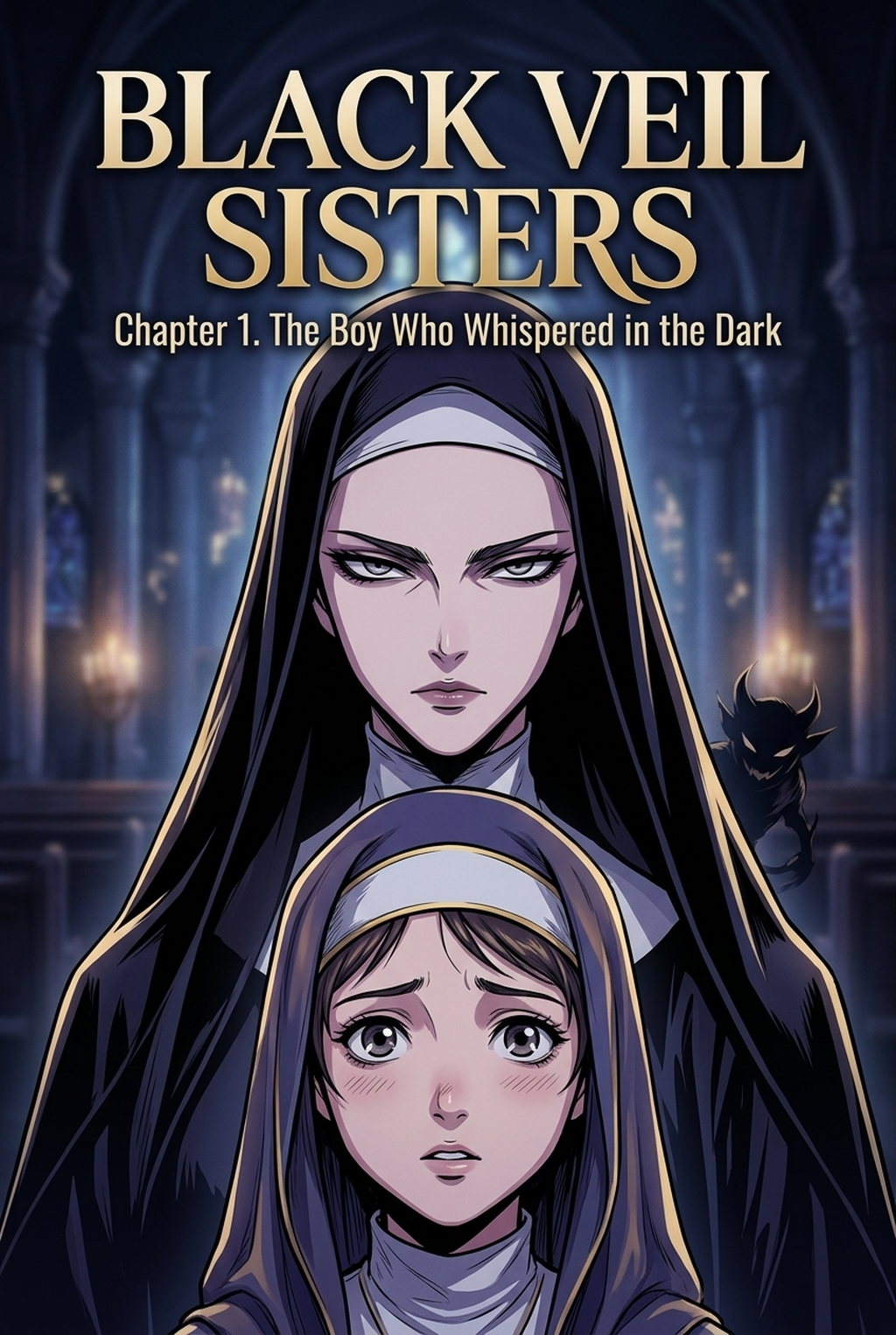
Manga character design sheets serve as the authoritative 'source of truth' for an artist, capturing base anatomy, intricate costume details, and recurring expressions in a standardized format. These sheets provide the specific reference geometry required to keep your characters recognizable when rotating them across various perspectives or high-action poses.
By establishing a 'delivery format' early on, you create a visual blueprint that prevents the common failure mode of model drift, where a character's facial features or limb lengths evolve unintentionally as the narrative progresses. If you do not have a defined sheet for a secondary character, you risk 'line-weight drift' where the visual weight of their clothing changes between pages, breaking the immersive quality of your work.
Importance for Independent Production Workflows
In long-form storytelling, readers rely on immediate visual familiarity to connect with your cast, and inconsistent character representations can severely undermine the professional-grade output of your independent title. For a solo creator, having a centralized design reference eliminates the tedious hours spent on manual 'ink-and-paint' corrections for misaligned facial proportions. Structured reference sheets facilitate faster production of complex page layouts because you no longer need to redraw the character's base form from scratch for every panel.
- Proportional Stability: Ensures the head-to-body ratio remains constant in every storyboard frame. * Costume Accuracy: Tracks complex accessory placement, such as belts or armor bits, that are otherwise easy to forget. * Expression Range: Standardizes the 'hero' expressions needed to maintain the character’s emotional tone across multiple chapters.
Utilizing AI for Design Consistency
Modern AI tools streamline the character design process by generating coherent models from descriptive inputs instead of relying on labor-intensive manual sketching. You can use these systems to iterate on multiple viewpoints, including front, side, and three-quarter angles, which creates a comprehensive reference package for your archive.
By inputting specific descriptive tags into the Mangaka engine, you ensure that aesthetic choices—such as unique hair streaks or specific patterns on traditional clothing—remain locked in across all generated panels. This approach effectively solves the issue of style inconsistency during the transition from the rough storyboarding phase to the final, high-resolution line art. You can Manga character design sheets with Mangaka and verify them against your story requirements before committing to the ink-heavy stages of page production. This workflow reduces the mental load on the creator, allowing you to focus on narrative pacing and complex layout design while the AI manages the technical fidelity of the character model.
Applications in Your Creative Lifecycle
Applying your reference data during the inking phase confirms that your line art consistently matches the pre-established character specs, preventing unwanted surprises during the final review pass. These sheets act as a critical checkpoint, helping you identify if a drawing is 'off-model' before you spend hours applying tone or color to a finished page.
- Storyboard Integrity: Use these sheets to verify character presence in high-intensity panels where anatomy might be distorted for dynamic perspective. * Color-Palette Workflow: Apply the stored color-blocking data to ensure consistent shading styles throughout your volume, regardless of changing background lighting conditions. * Dialogue Layout: Reference the character’s base height when arranging speech bubbles to prevent the text from obscuring crucial facial features or hair details.
Implementation for Solo and Team Projects
You can generate multi-angle character sheets by providing specific parameters regarding style, age, and archetype, effectively automating the 'review owner' task of validating character proportions. These assets are vital when your project grows and you need to onboard a secondary artist; they serve as a clear communication bridge, ensuring your collaborators understand the visual expectations before production begins.
Update your design sheets whenever a character undergoes a major narrative shift, such as a time skip, a change in occupation, or a significant injury that alters their physical appearance. Failing to update these documents leads to 'visual dissonance' where readers lose the thread of character development due to sudden, unexplained changes in design.
- Before Export. Creators should compare the generated line art with the original sketch and confirm that facial expressions, props, speed lines, and speech-bubble space still support the scene. A repeatable review pass should cover character consistency, panel readability, background clarity, and whether the final file is ready for coloring, lettering, or editor feedback.
- For Longer Projects. Creators should save approved examples of line weight, face detail, clothing folds, and background density. Those references keep later chapters closer to the intended style. For collaboration, creators should mark which panels are final and which panels still need redraws. Clear status labels prevent an assistant, editor, or colorist from polishing the wrong version.
- For Publishing. Creators should review the page at the actual reading size before export. Small screens expose crowded dialogue, weak silhouettes, and line details that looked fine while zoomed in. For style control, creators should keep a short reference board beside the draft and compare hair shapes, eye details, costume folds, and texture choices before approving the final page.
The Bottom Line
AI Manga Character Designer workflow represent the foundation of high-quality comic production, ensuring that visual consistency remains intact even during the pressure of rapid publication schedules. By leveraging specialized AI to handle the heavy lifting of character model generation, you can focus on building your world and refining your narrative arc. Start optimizing your production flow today by visiting Manga character design sheets to build your first professional-grade reference sheet and eliminate proportion errors for good.
Related articles
Mastering Manga Character Design: A Guide for Indie
Create a Custom Manga Character Sheet in Seconds in 2026
Mastering the 4-Koma Strip Layout: A Manga Guide in 2026