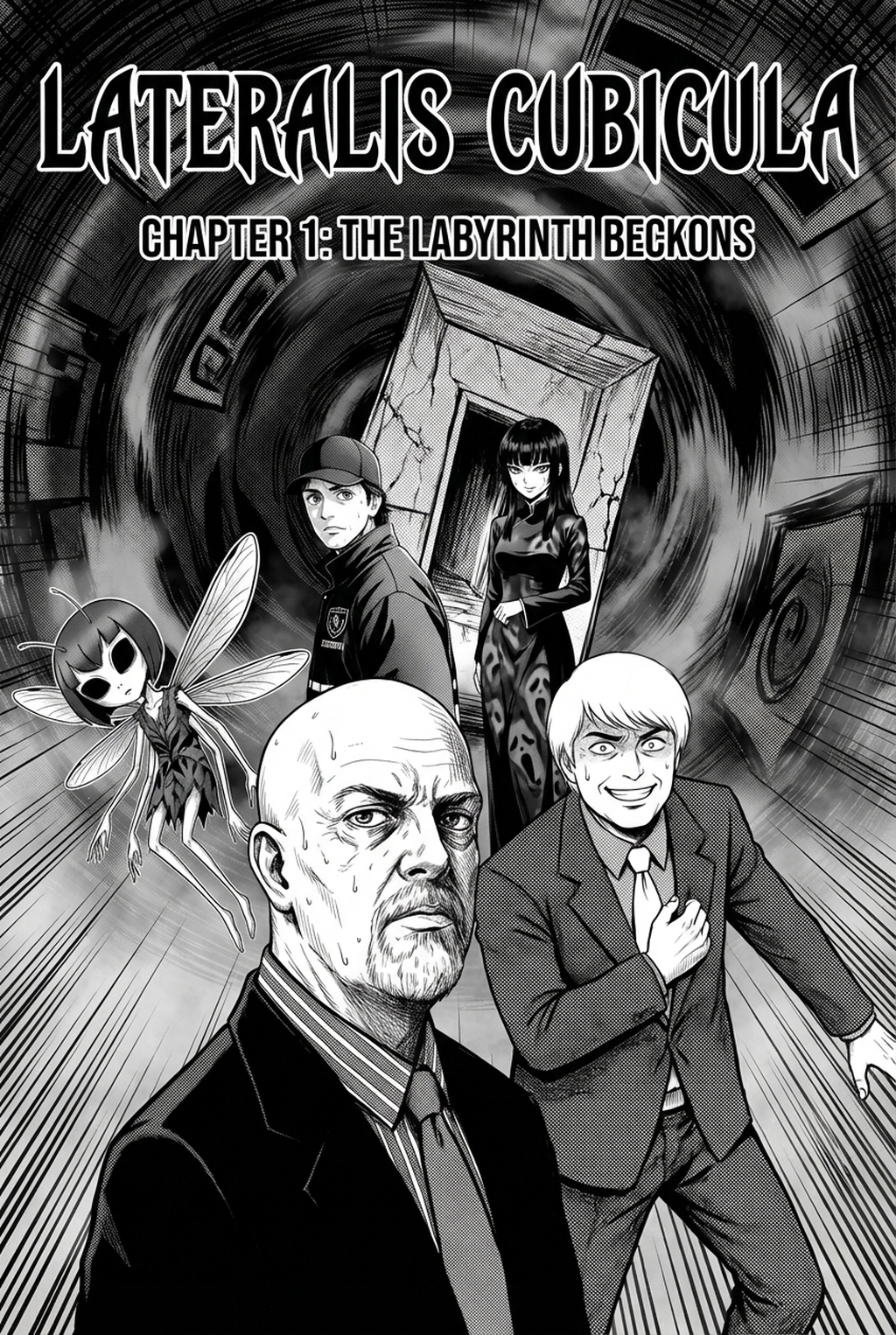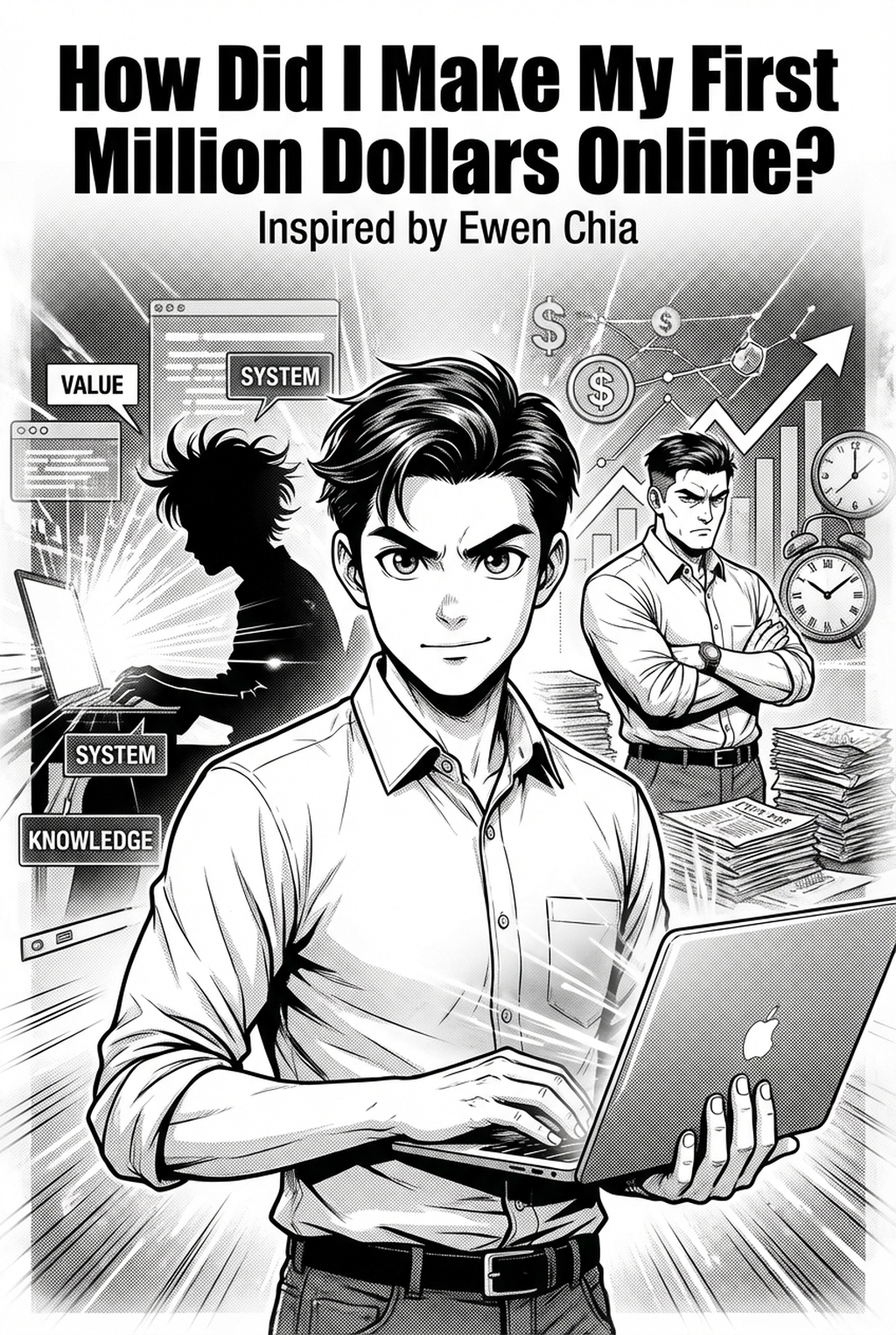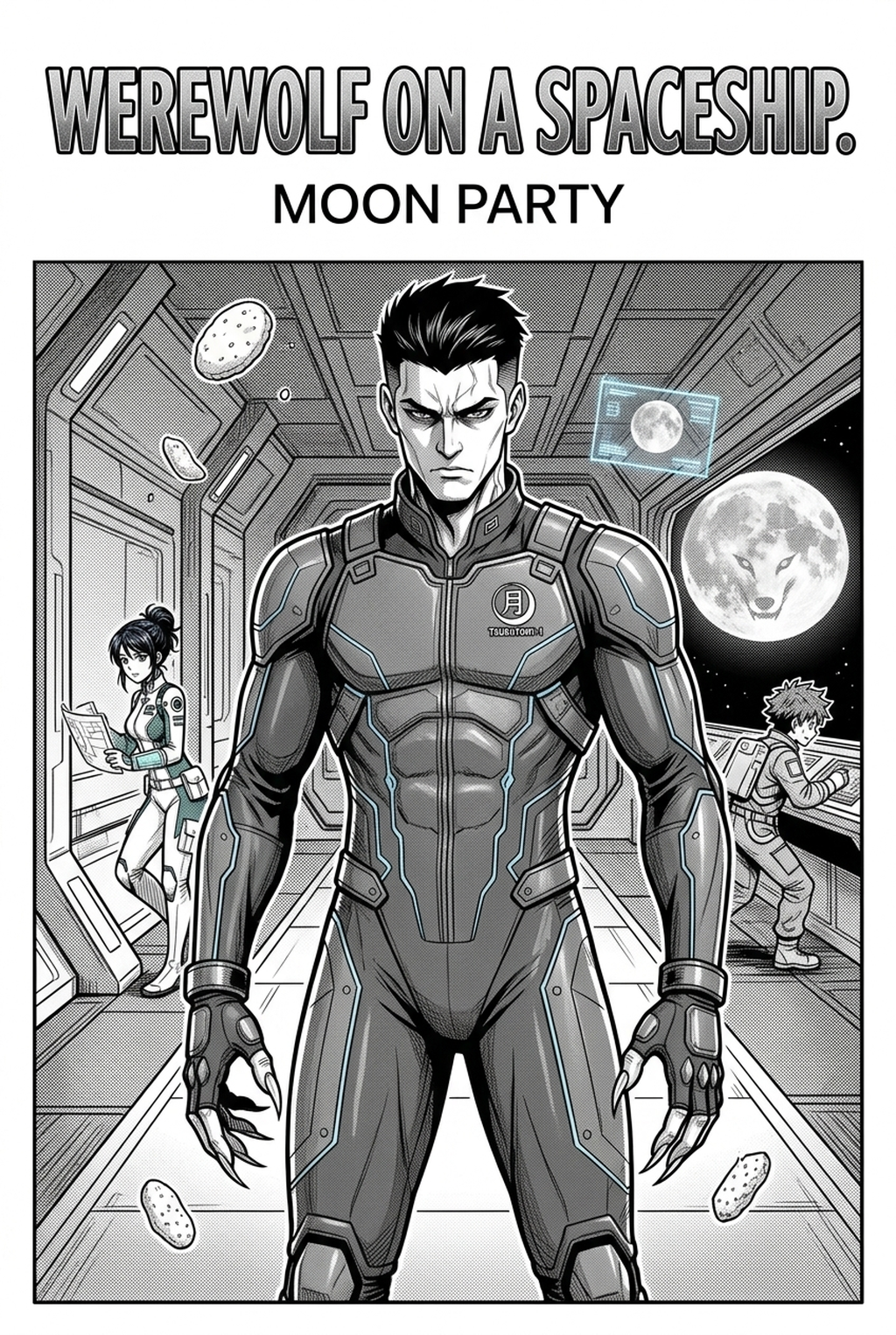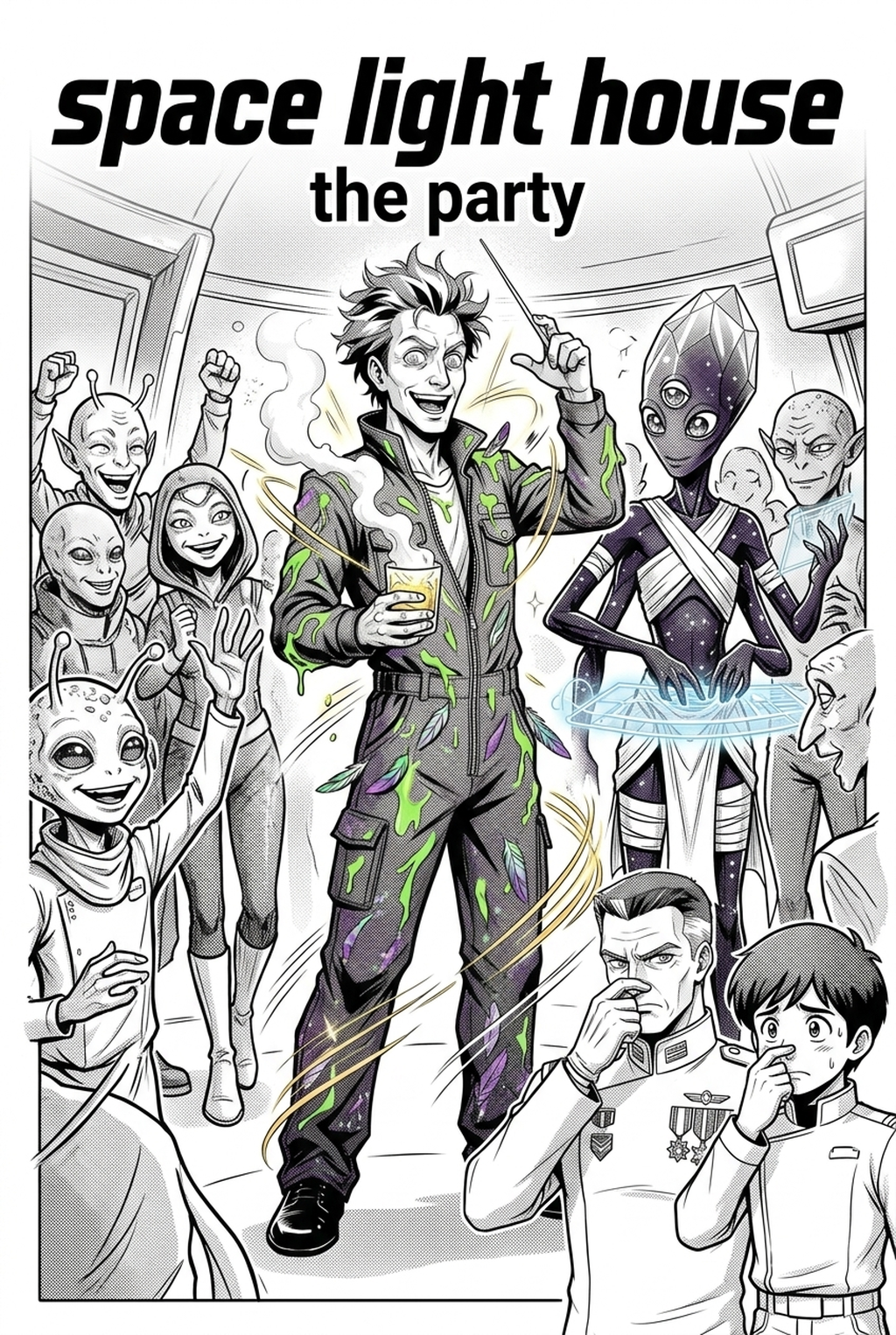
How Marvel Manga Character Design Works with Mangaka
Creators leverage AI to bridge the gap between initial concept sketches and final, production-ready panels without suffering from line-weight drift or perspective errors. You gain stability by building a "source context"—a repository of master character sheets—which the tool references to ensure that your hero’s costume elements and facial structures remain consistent across varying environments or dynamic camera angles.
Instead of manually drafting every frame, you provide descriptive modifiers such as "dynamic Western-style lighting" or "minimalist manga-style shading" to guide the output. The AI acts as a production partner, holding the character’s "identity markers"—such as specific hair-parting lines, scar placement, or unique costume gadgets—constant even when the scene shifts from a quiet dialogue sequence to a high-kinetic combat spread. This allows you to curate the delivery format, ensuring that your final, exported files maintain professional, crisp edges that transition perfectly from a 1080px mobile thumbnail to a high-resolution print spread.
Use Cases for High-Impact Character Rendering
In Shonen storytelling, prioritize "dynamic kineticism" by designing characters that feel as though they are captured in the middle of an explosive movement. This keeps the review focused on story intent, line weight, panel readability, and the export quality behind the final AI Manga Character Designer output.
- Shonen Combat Nodes: Utilize the AI to map out "expression nodes"—such as extreme rage or sudden realization—to ensure emotional range remains high-fidelity across intense fight sequences. * Seinen Grounded Detailing: For mature projects, integrate sophisticated, gritty texture layering into the costume and environmental rendering, which adds a layer of realism to the character's interaction with their surroundings. * Action Pacing: Use consistent "weight" parameters to ensure that characters appear grounded during heavy-impact moments, even when the background utilizes simplified, blurred motion lines.
You can refine your character designs and export consistent iterations directly through Marvel manga character design to see how the system handles complex, overlapping armor or costume layers. Creators can use each revision decision to clarify panel readability, character consistency, and export quality before publishing or sharing.
- Chapter cadence. Use the AI pass for pages where speed matters most, such as repeated action poses, transformation beats, or dense speed-line panels. Keep manual cleanup for hero panels where the line style defines the emotional peak. - Character continuity. Compare the generated lines against the same model sheet, costume notes, and facial-expression range used during sketching. This prevents a fast inking pass from drifting away from the character identity readers recognize. - Export readiness. Check whether the final manga output can move into lettering, coloring, or final layout without rebuilding panel borders or speech-bubble space. A good manga workflow should save time while keeping the next production step predictable.
- Chapter cadence. Use the AI pass for pages where speed matters most, such as repeated action poses, transformation beats, or dense speed-line panels. Keep manual cleanup for hero panels where the line style defines the emotional peak.
- Character continuity. Compare the generated lines against the same model sheet, costume notes, and facial-expression range used during sketching. This prevents a fast inking pass from drifting away from the character identity readers recognize.
- Export readiness. Check whether the final manga output can move into lettering, coloring, or final layout without rebuilding panel borders or speech-bubble space. A good manga workflow should save time while keeping the next production step predictable.
Getting Started with Consistent AI Character Production
Achieving stability in your design requires you to define a project scope that utilizes a core character model as a primary reference throughout the production cycle. By uploading an initial, high-quality sketch, you feed the AI the essential data needed to maintain facial features and specific outfit markers, which prevents the "drift" that often plagues projects created without centralized reference files.
Workflow Fit for Creator Output
Workflow Fit for Creator Output. Workflow Fit for Creator Output. Regarding legal compliance, character designs generated through specific creative briefs act as your own unique creative assets, provided you curate the final, expressive output. Always review your platform’s current terms regarding AI-assisted content to ensure full compliance with your specific distribution channel. To begin, simply define your project’s aesthetic parameters, upload your foundational concept, and use the text-to-character module to iterate through various expressions and poses until your "source context" is fully locked.
Creators should compare the generated line art with the original sketch and confirm that facial expressions, props, speed lines, and speech-bubble space still support the scene. A repeatable review pass should cover character consistency, panel readability, background clarity, and whether the final file is ready for coloring, lettering, or editor feedback. For longer projects, creators should save approved examples of line weight, face detail, clothing folds, and background density. Those references keep later chapters closer to the intended style. Before export, creators should compare the generated line art with the original sketch and confirm that facial expressions, props, speed lines, and speech-bubble space still support the scene.
Review Controls Before Export
For Collaboration. Creators should mark which panels are final and which panels still need redraws. Clear status labels prevent an assistant, editor, or colorist from polishing the wrong version. Creators can evaluate Marvel manga character design mid-workflow when they need the product path tied directly to review, refinement, and export. A real test should use the same sketch, character goal, or panel sequence that would otherwise need manual cleanup after generation.
The Bottom Line
Mastering this unique style fusion requires a disciplined balance between the structural strength of Western hero design and the rhythmic, expressive narrative flow traditional to manga. By using intelligent, consistency-focused tools, you lower the barrier to high-quality output, giving you more time to focus on your narrative’s complexity.
Related articles
Manga Colorization: A Guide to AI-Powered Coloring in 2026
Deconstructing Dr. Stone Character Design Guide 2026
Mastering the Zombie Manga Art Style: A Creator's Guide 2026