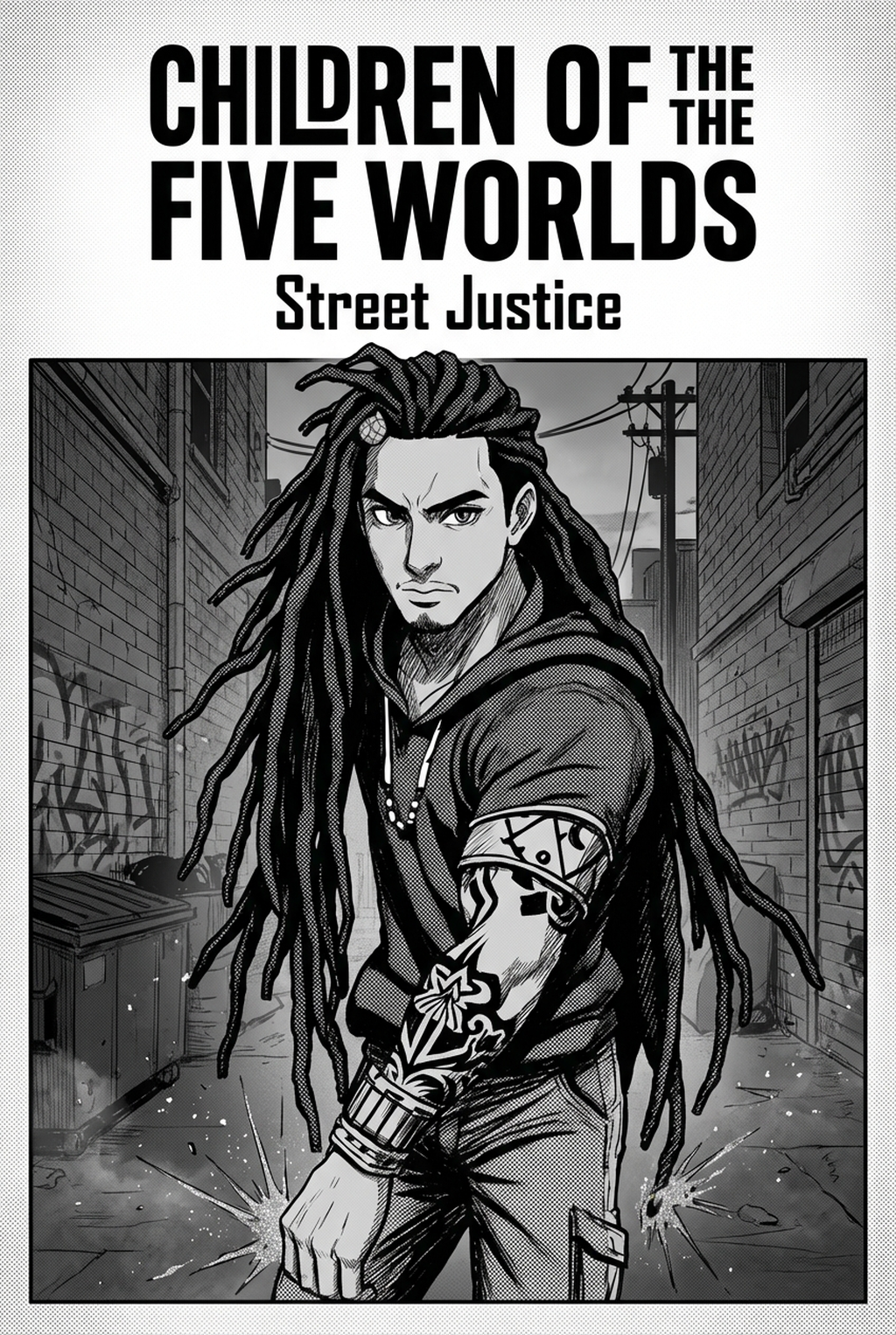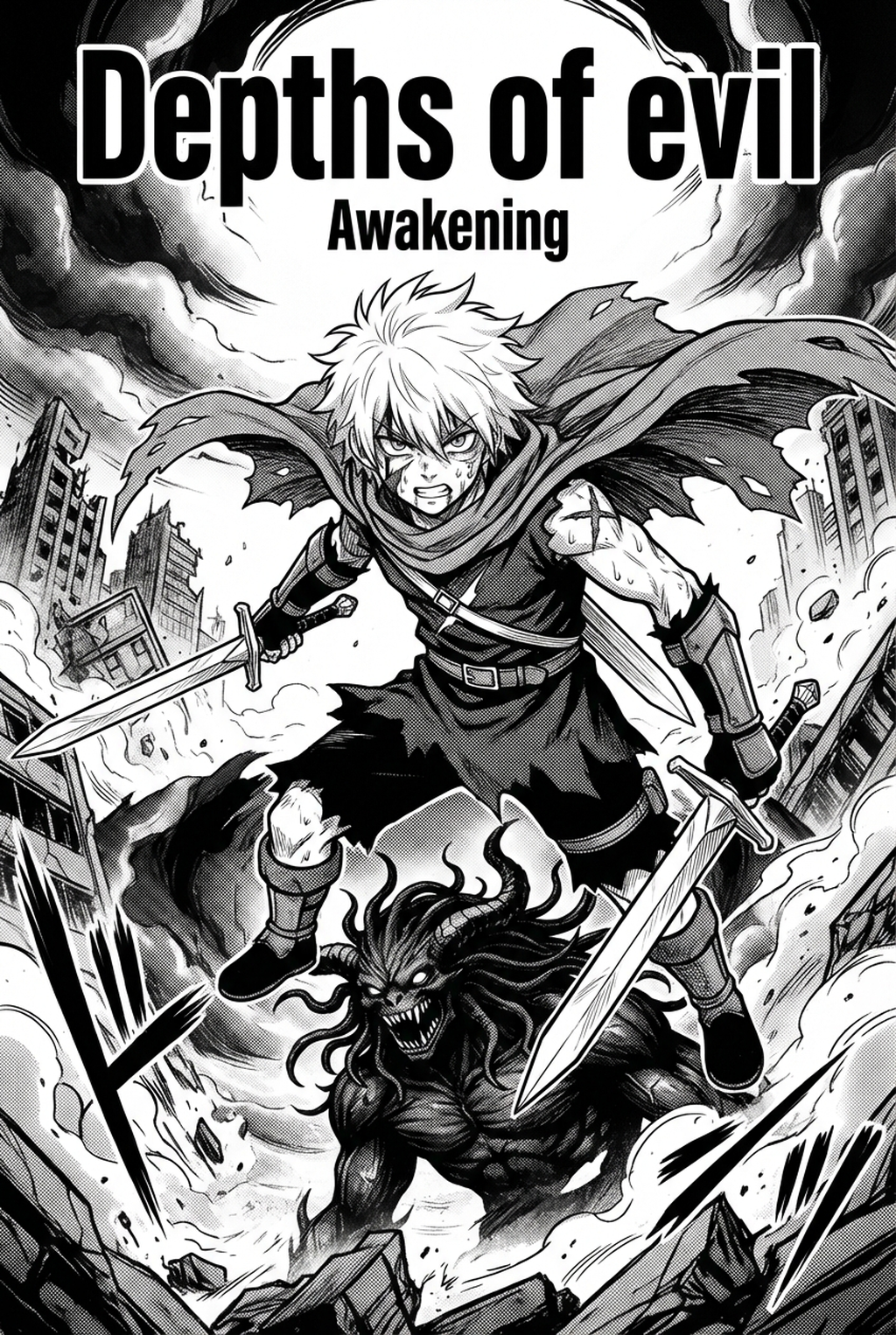
AI Manga Colorist: Why AI Manga Colorist Matters for Creators
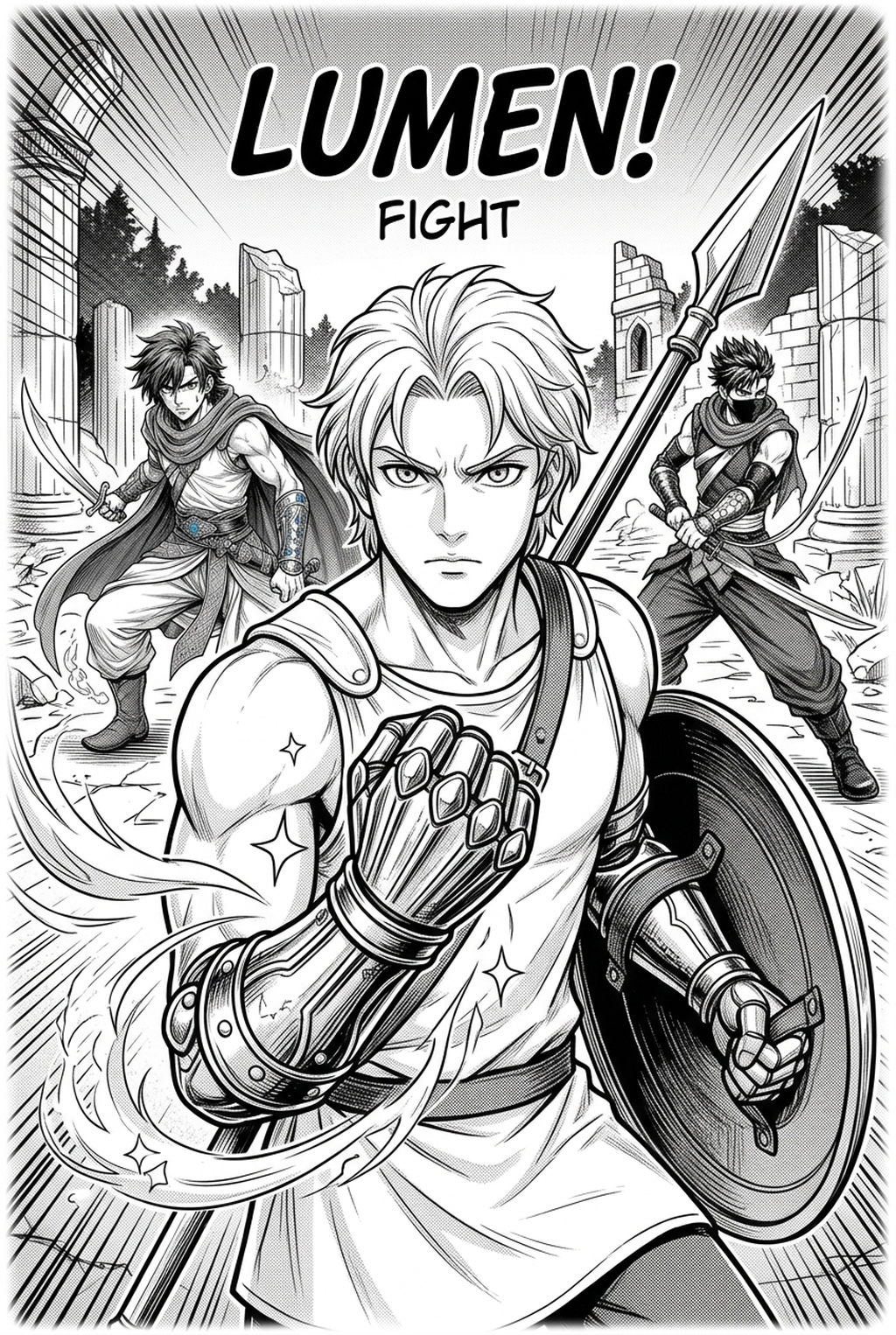
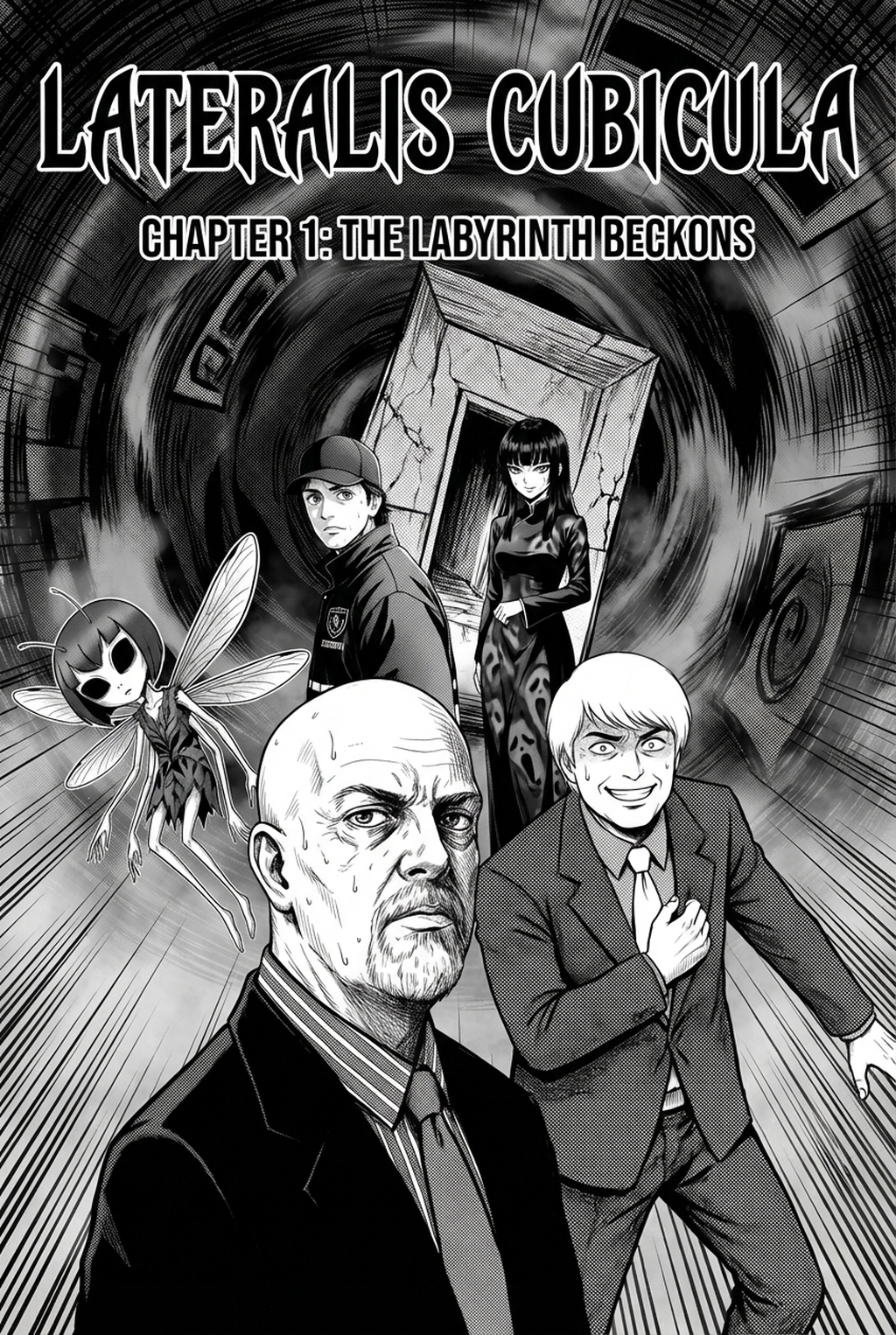
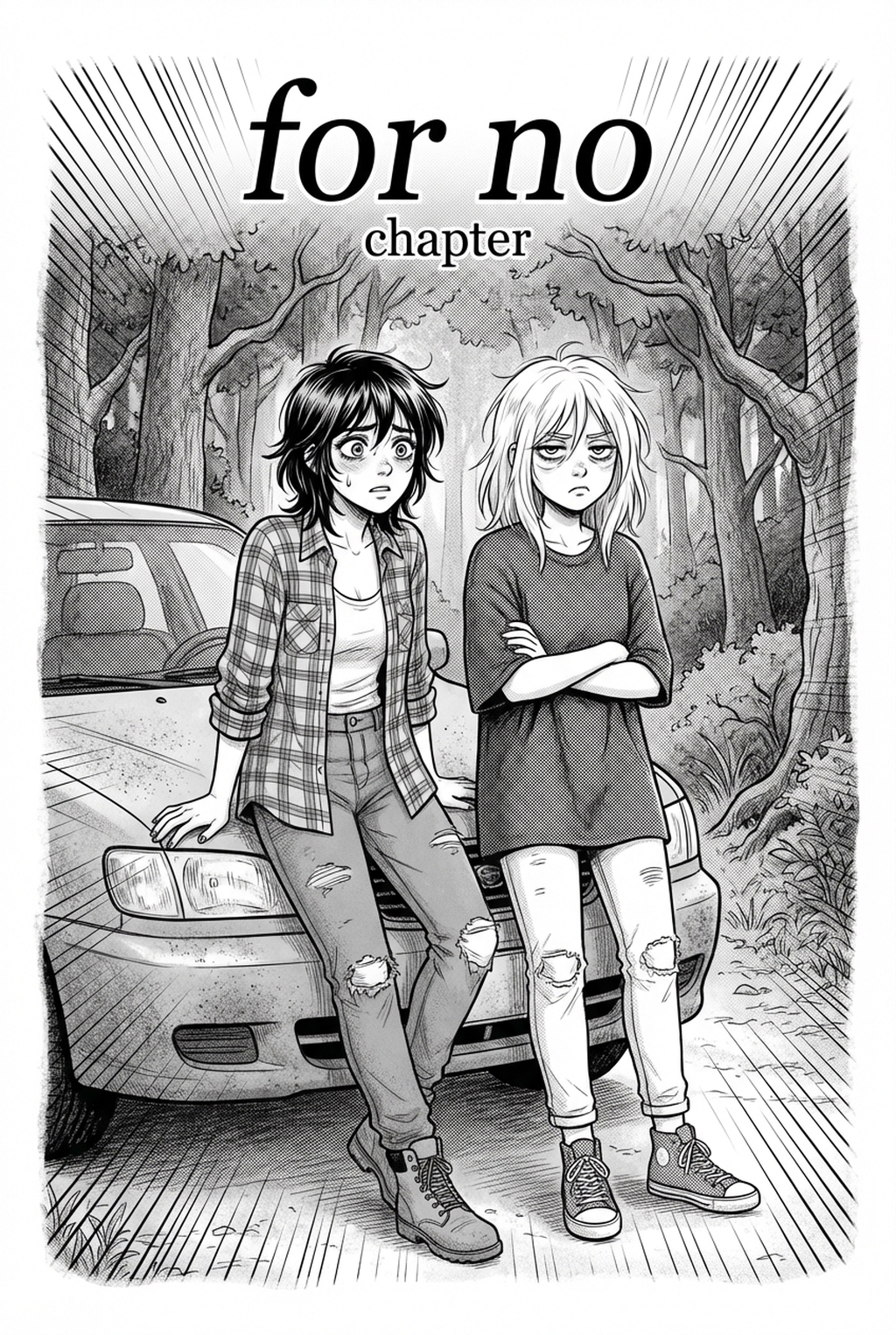
Strategic use of color guides the reader's eye, distinguishing focal points and character actions in dense, action-heavy panels that might otherwise appear cluttered in grayscale. For indie creators, high-quality color serves as a critical delivery format differentiation that helps digital manga stand out on platforms flooded with monochromatic content.
- Focal Point Optimization: Using high-saturation colors on key character powers or facial expressions forces the reader to acknowledge the primary plot driver immediately. * Scrolling Environment Performance: Creators using vibrant, consistent palettes report higher retention rates in mobile-first reading environments compared to those sticking to traditional monochromatic ink. * Genre-Specific Impact: In a 50-page Seinen volume, colorized dramatic moments allow for mood-shifting atmospheric changes that monochromatic tones struggle to convey under strict page-count constraints.
Creators must balance this output against their overall budget; coloring every single frame in a 200-page volume is rarely efficient. Instead, professional studios often target specific high-impact moments to maximize budget effectiveness without sacrificing the artist's unique visual identity.
Technical Foundations of the Mangaka Workflow
AI tools use sophisticated structural recognition to identify line boundaries, ensuring colors stay within ink lines without bleeding into neighboring panels. This automated process mimics the traditional "flatting" stage where an artist would manually create masks for every skin tone, hair color, and background element.
By utilizing advanced models, the system prioritizes line preservation, which keeps your original cross-hatching and ink-weight density visible underneath the color layers. For a creator with a tight deadline, this effectively reduces the post-production cycle for a standard page from multiple days of manual labor to just a few hours of final polish.
| Feature | Manual Workflow | AI-Powered Workflow |
|---|---|---|
| Mask Creation | 2-4 hours per page | Seconds |
| Line Fidelity | High (Artist managed) | High (Auto-preserved) |
| Palette Sync | Variable/Manual | Consistent/Automated |
This automated approach allows creators to move beyond simple compliance with standard industry deadlines, giving them room to iterate on color schemes as if they were adjusting their balance sheets or financial P&L, ensuring the visual "investment" of each page yields the highest possible reader engagement. This keeps the review focused on story intent, line weight, panel readability, and the export quality behind the final AI Manga Colorist output.
Strategic Use Cases for Colored Panels
Consistency is the most vital metric for any multi-chapter project, and organizing files with non-destructive layers allows for easy edits after the initial AI pass. If you decide that a character’s hair tone needs to be shifted mid-chapter for dramatic effect, non-destructive layering prevents you from needing to redraw the entire page.
- Character Palette Consistency: Maintain a master color-style library to ensure that a character's outfit or signature move remains identical across the entire volume. * Dramatic Lighting Effects: Use color to emphasize environmental shifts, such as night scenes or high-energy power-ups, that look muted in black and white. * Layered Final Polish: Export files as layered PSDs so you can manually adjust shadows or add light blooms over the AI-generated base.
You should treat your color style library as a core asset, similar to an audit packet for your creative IP. By defining set palettes for your environment and character archetypes early in your project planning, you reduce the risk of visual drift between early and late chapters.
Getting Started with Your First Page
You can begin by uploading your high-resolution line art to the manga colorization tool and selecting the automated coloring feature. Start by testing your parameters on a single panel rather than a full page to balance color intensity against your original ink-density levels for the most natural, hand-painted look.
Once the initial pass is complete, export the result as a layered file. This gives you the control to perform manual touch-ups—such as refining the color of a specific accessory or adding subtle gradients to a background—without losing the foundational work the AI performed for you. Before export, creators should compare the generated line art with the original sketch and confirm that facial expressions, props, speed lines, and speech-bubble space still support the scene.
- Before Export. Creators should compare the generated line art with the original sketch and confirm that facial expressions, props, speed lines, and speech-bubble space still support the scene. A repeatable review pass should cover character consistency, panel readability, background clarity, and whether the final file is ready for coloring, lettering, or editor feedback.
- For Longer Projects. Creators should save approved examples of line weight, face detail, clothing folds, and background density. Those references keep later chapters closer to the intended style. For collaboration, creators should mark which panels are final and which panels still need redraws. Clear status labels prevent an assistant, editor, or colorist from polishing the wrong version.
- For Publishing. Creators should review the page at the actual reading size before export. Small screens expose crowded dialogue, weak silhouettes, and line details that looked fine while zoomed in. For style control, creators should keep a short reference board beside the draft and compare hair shapes, eye details, costume folds, and texture choices before approving the final page.
The Bottom Line
Refining your creator workflow is part of the production decision reserved for top-tier studios, thanks to modern tools that bridge the gap between production efficiency and the artist's original vision. By automating the tedious aspects of flatting and base shading, you can deliver a much richer, vibrant visual story while keeping your artistic voice completely intact. Use manga colorization today to streamline your workflow and bring your black-and-white pages to life with professional color.
Related articles
Deconstructing Dr. Stone Character Design Guide 2026
Mastering the Zombie Manga Art Style: A Creator's Guide 2026
What Is 4-Koma Manga? The Art of the Four-Panel Strip 2026