AI Manga Background Artist: Understanding Environmental Logic in Portal Stories
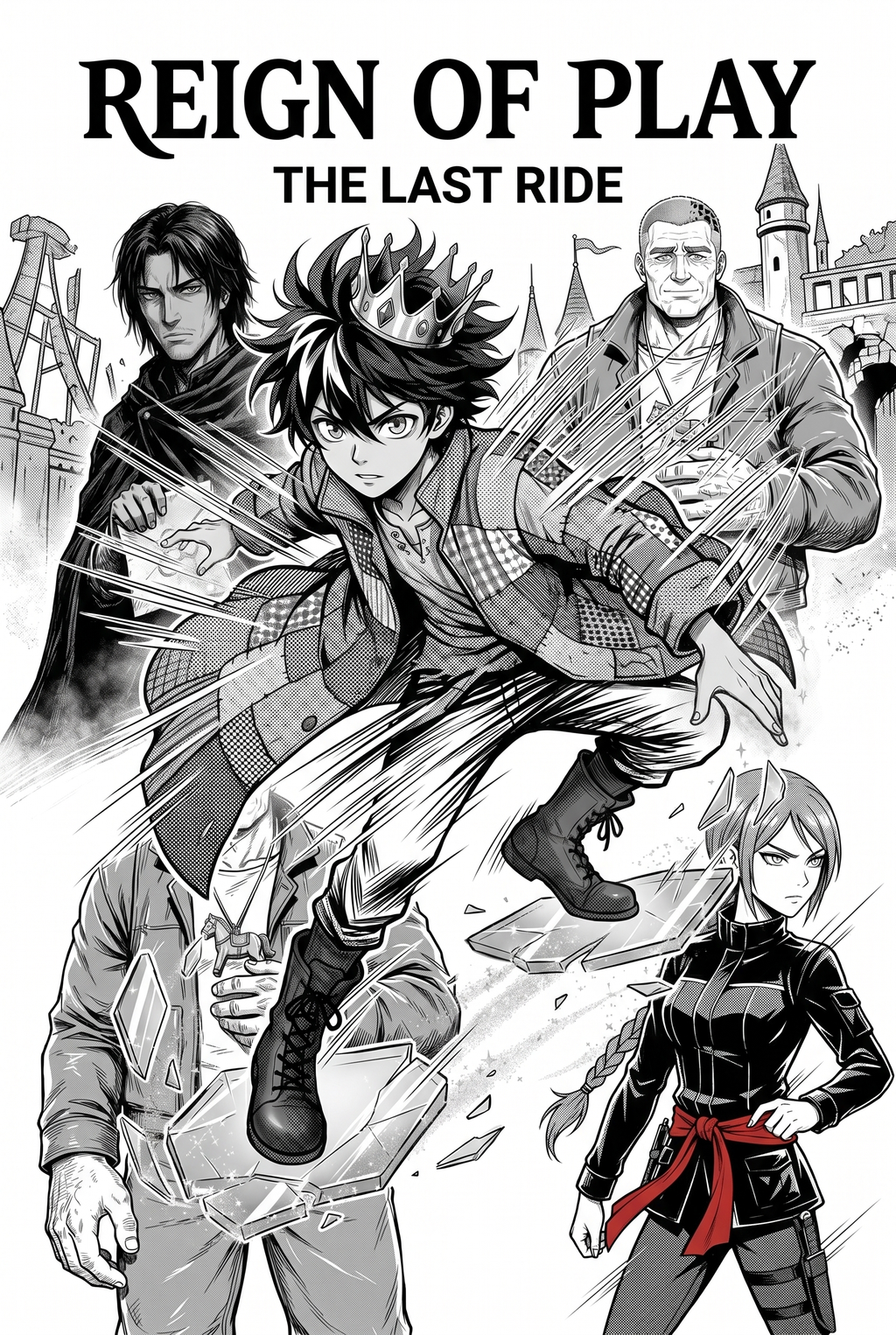
Mastering the balance between the "fish-out-of-water" shock and environmental realism requires more than just high-fantasy assets; it demands a clear visual hierarchy that directs the reader’s eye toward the character, not the architecture. If the background contains too much detail in a high-action panel, the reader’s gaze stalls, breaking the flow of the narrative.
Effective environmental storytelling relies on three specific markers that define the genre's visual identity:
- Portal-Side Contrast: Use sharp shifts in color palette or line-weight intensity to signal the transition from the protagonist's home world to the new environment. * Technological Fusion: Incorporate subtle design cues, such as runic circuitry or floating debris, to ground the setting in a logic that feels both ancient and advanced. * Scale-Defying Architecture: Introduce structural elements—like floating spires or massive, non-Euclidean city blocks—that immediately communicate to the reader that they have left the constraints of Earth behind.
Why Consistent Settings Define Your Series Identity
Inconsistent recurring settings are the quickest way to weaken your world-building, as readers instinctively track the architecture of locations like the Guild Hall or the Summoning Altar across hundreds of pages. When a background feature vanishes or changes perspective mid-chapter, it disrupts the internal credibility of the work, forcing the audience to re-evaluate the setting's stability instead of focusing on the character growth.
Establishing Visual Anchors" serves as a foundational discipline for serialized artists. By keeping the layout of these key locations static, you create a psychological safety net for the reader, allowing them to focus entirely on the emotional arc of your characters as they move through high-action sequences. Stylistic uniformity across every chapter is not just a aesthetic choice; it is a brand-building necessity that ensures your series remains recognizable regardless of how much time passes between releases.
How Mangaka Automates Architectural Production
Traditional manual drawing of complex, perspective-heavy fantasy architecture often serves as the most significant bottleneck for independent creators, frequently delaying output by days per chapter. Mangaka addresses this by allowing you to generate manga-style backgrounds from specific scene descriptions, effectively bypassing the need for tedious manual perspective grid mapping and dense cross-hatching.
This workflow optimizes your production by handling the time-intensive aspects of background creation while preserving your specific artistic voice:
- Perspective Grid Accuracy: Generate environments that conform to your established vanishing points, preventing the common failure of skewed architecture that can ruin a 2-point perspective panel. * Lighting Composition: Define the primary light source in your scene description to ensure shadows match your character shading, maintaining a cohesive look across the entire page layout. * Line-Weight Fidelity: Select output settings that mimic traditional ink textures and screentone gradients, ensuring that your AI-generated backdrops blend seamlessly with your hand-drawn character work.
Integrating Environments Without Visual Clutter
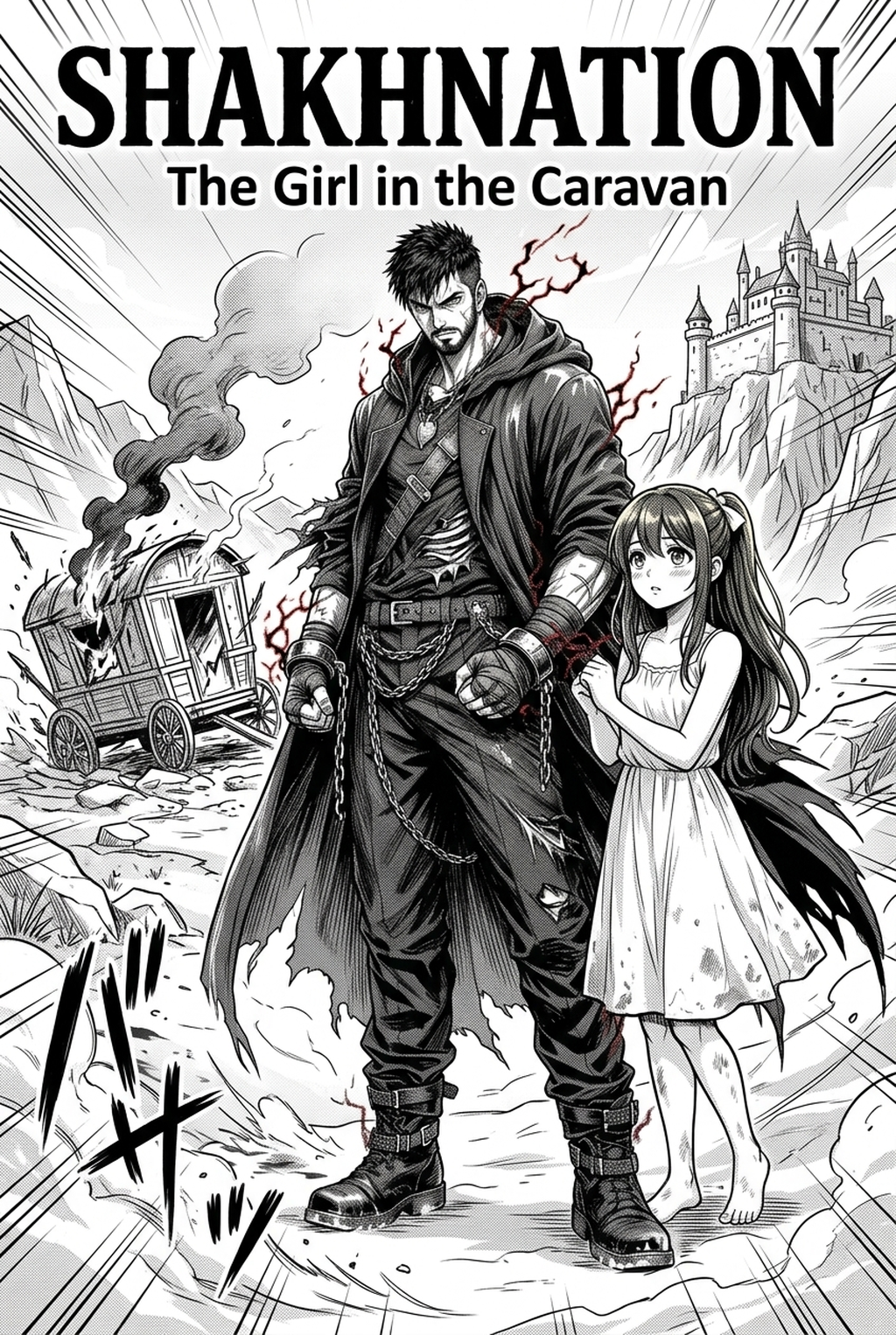
Avoiding "generic fantasy syndrome" requires that your backgrounds directly reflect the unique lore of your world rather than relying on stock tropes. A common error involves over-cluttering panels, where the line-weight of the architecture competes with the character’s silhouette, forcing the reader to guess where the focus should be.
To maintain clarity, you should use atmospheric perspective, where distant objects are rendered with lighter line-weights and lower contrast compared to the foreground characters. For instance, in a 5-panel page sequence where your hero approaches a castle gate, you might use an extreme long shot for the first panel to establish scale, followed by a tight mid-shot that utilizes "negative space" in the background, specifically designed for easy character placement. If you are struggling with this setup, visit Isekai manga background art with Mangaka to generate background plates that already account for these composition rules, allowing you to export high-resolution assets that are ready for immediate integration into your primary software.
Starting Your Journey with AI Assistance
Maintaining a consistent style throughout a 200-page volume is achievable by utilizing tool-based style referencing, which forces the engine to adhere to the same architectural themes and aesthetic choices in every generation. Creators often fear that AI backgrounds will look too "digital," but modern outputs allow for fine-tuned control over line density and screentone mapping, ensuring that the final, exported PNG files match the look of traditional pen-and-ink tools.
When beginning your workflow, focus on selecting scenes that prioritize character placement and narrative movement. By isolating the background generation to those moments where detail is required for world-building, you maintain a healthy mix of stylized detail and character-focused simplicity, keeping your production schedule on track without sacrificing the professional polish your series deserves.
Creators should compare the generated line art with the original sketch and confirm that facial expressions, props, speed lines, and speech-bubble space still support the scene. A repeatable review pass should cover character consistency, panel readability, background clarity, and whether the final file is ready for coloring, lettering, or editor feedback. For longer projects, creators should save approved examples of line weight, face detail, clothing folds, and background density. Those references keep later chapters closer to the intended style.
The Bottom Line
AI Manga Background Artist workflow is the foundation upon which your narrative credibility rests, but it should never be the cause of artistic burnout. By shifting from manual perspective grids to a hybrid workflow, you can maintain the high-quality world-building your story demands at a professional scale. Start optimizing your production and focus on the story by using Isekai manga background art and reclaim the time you need to perfect your character work.
Related articles
Creating an Isekai Manga Background: A Creator's Guide 2026
Manga Inking: From Traditional Dip Pens to AI Automation
Professional Manga Inking: Turn Your Sketches into Ink 2026