Understanding Professional AI Manga Inker
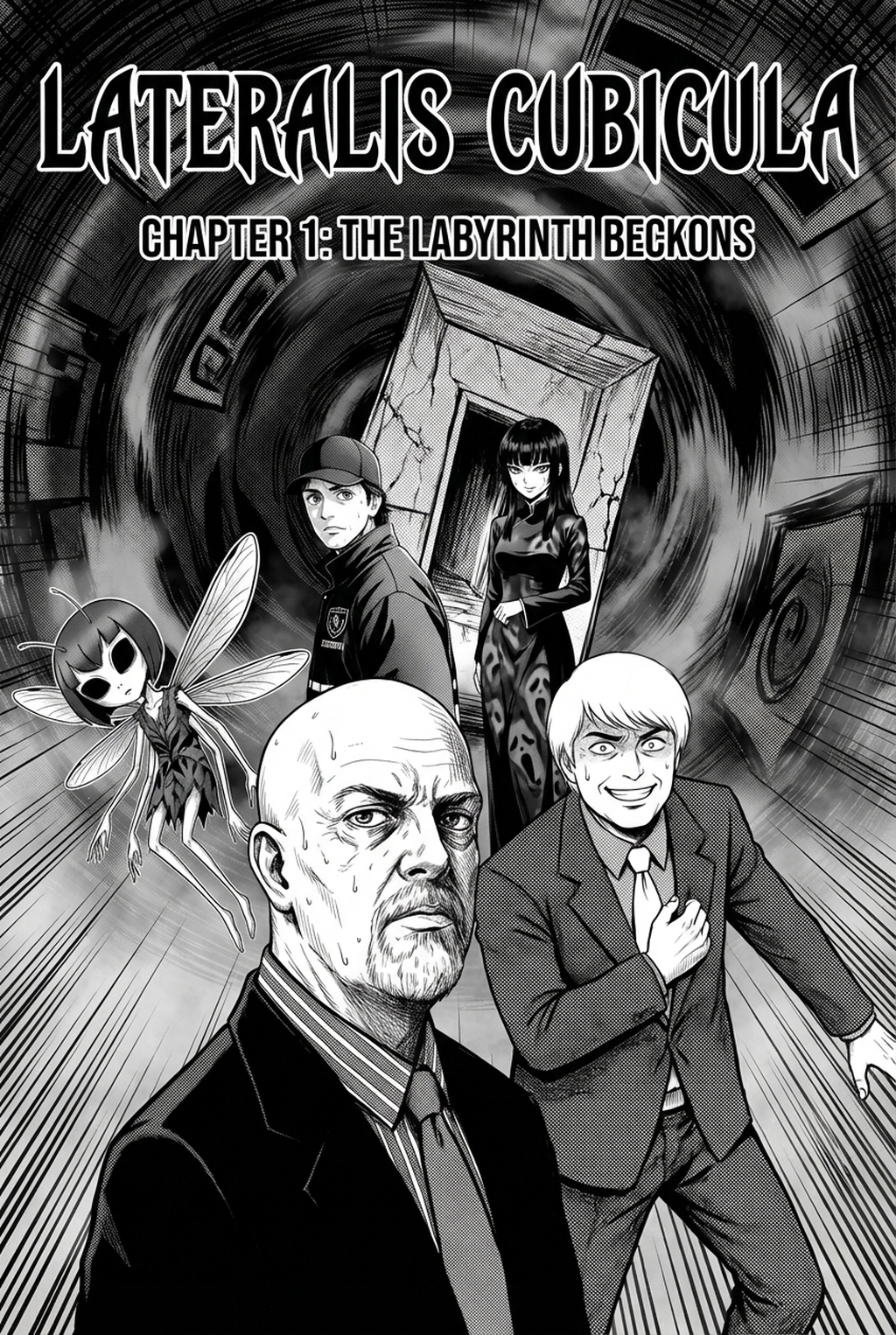
Professional inking relies on calculated variations in line weight to establish a clear visual hierarchy, where heavy, weighted outlines anchor silhouettes while thin, delicate strokes define intricate facial features. Mastering this requires an understanding of how to guide the reader’s eye across a page, ensuring that foreground characters pop against complex, mid-ground action sequences.
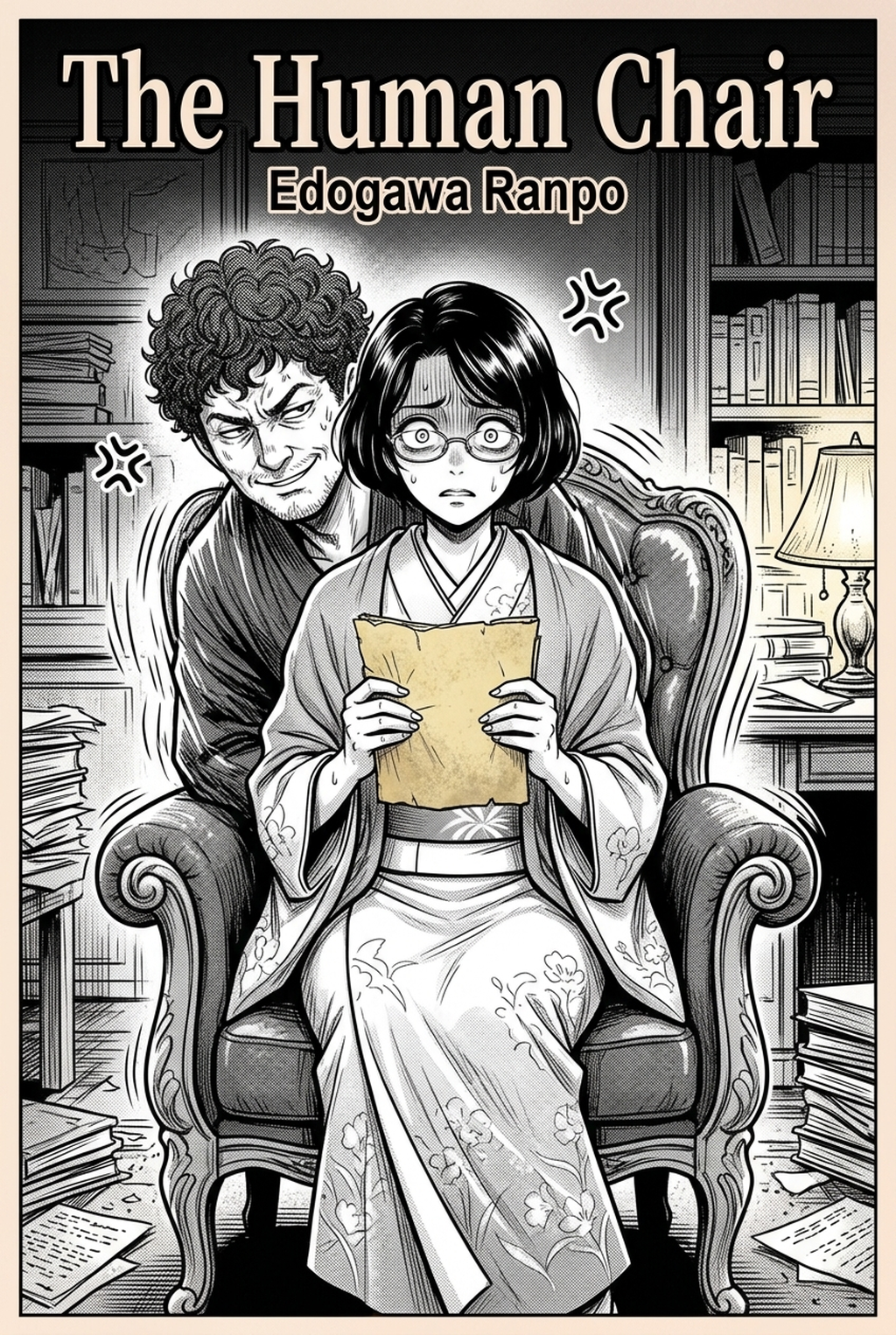
- Hatching and Cross-hatching: These methods generate shadow and texture density without relying on grayscale tones, essential for high-contrast B&W print formats. * Line Modulation: This technique involves varying the thickness of a single stroke, typically thickening as a line curves and tapering at the endpoints to simulate the organic tension of a G-pen. * Silhouette Weighting: Applying a thicker, uniform line around the outer edge of a character or object provides immediate separation from the surrounding environment.
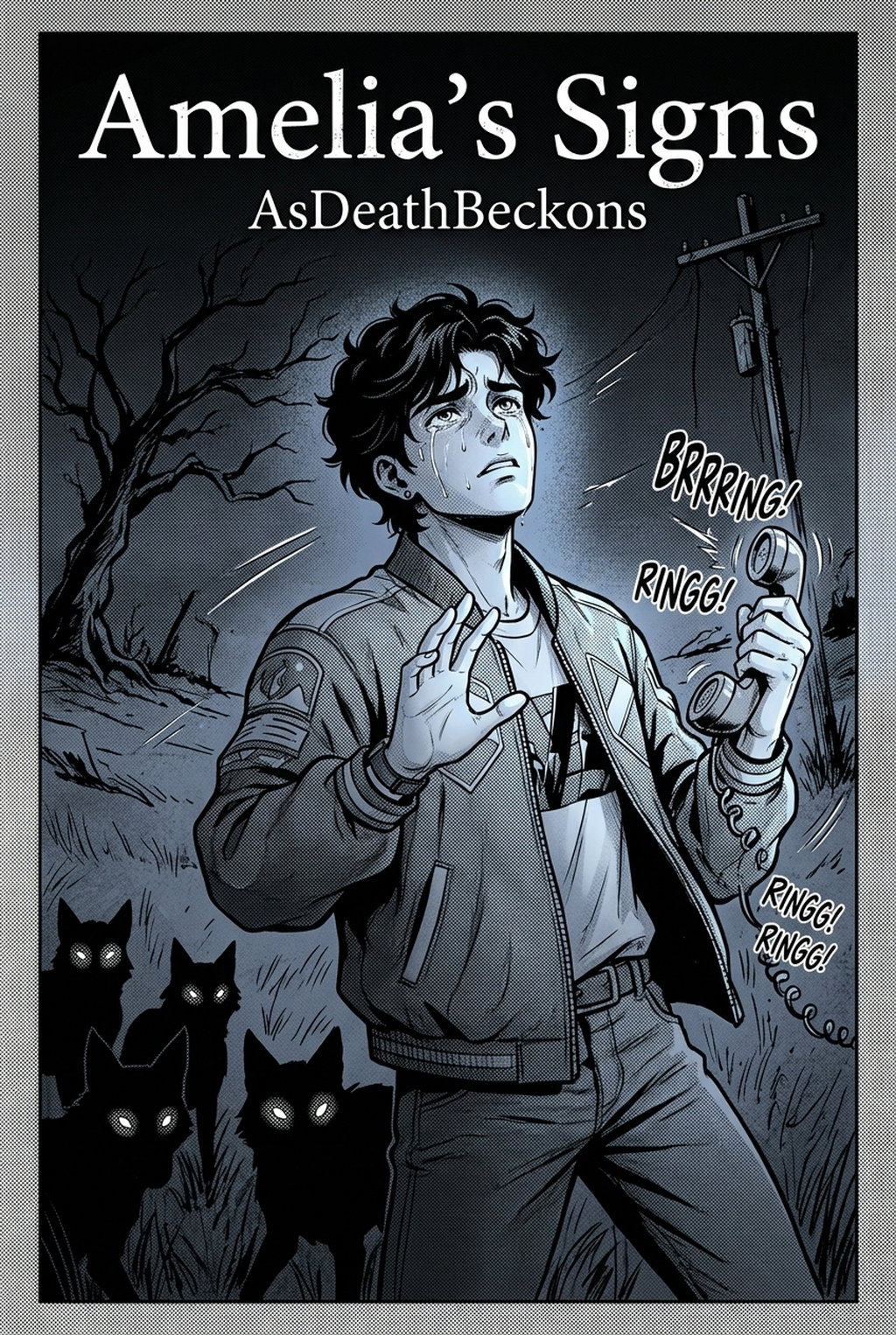
In high-octane Shonen panels, the energy of a motion line is entirely dependent on the quality of its tapered ending. If your tapered strokes appear blunt or inconsistent, the entire sense of impact—such as a character’s velocity during a strike—collapses into static, lifeless geometry.
Why Precision Inking Matters for Manga Creators
Traditional inking demands physical mastery of nib pressure, which is notoriously difficult to maintain over hundreds of pages, whereas digital inking shifts the focus toward managing stabilizer settings and vector paths for consistent output. For creators working in Seinen, the demand for high-density background detail presents a unique hurdle; complex architectural elements require extreme geometric precision that traditional pens often struggle to achieve without error.
While many artists romanticize the "soul" of analog texture, the reality of a tight publication schedule makes manual cleanup a significant bottleneck. Digital tools offer a clear advantage by allowing for non-destructive edits, meaning an artist can fix a misaligned speech bubble or a broken panel gutter without restarting an entire page. The challenge lies in retaining the raw, hand-drawn personality of the source context while achieving the efficiency of automated, vector-based line art.
How Mangaka Streamlines the Inking Process
Mangaka removes the labor-intensive friction of the storyboard-to-inking phase by allowing artists to bypass manual tracing altogether. Instead of spending hours meticulously recreating pencil sketches, you can utilize the manga inking techniques with Mangaka to generate clean, high-fidelity line art directly from your initial compositions.
The tool functions by analyzing the geometric source context of your provided sketch and converting those messy lines into crisp, professional vectors. This approach preserves the specific anatomical proportions and character expressions you captured during the rough phase, effectively automating the technical execution while keeping the creative heart of the work intact. Because the result is vector-based, you are guaranteed infinite scalability, allowing for smooth adjustments to line weight even after the initial conversion is complete.
Use Cases for AI Manga Inker
Inking serves as the primary navigation tool for the reader, using bold, heavy outlines to signal key panels while finer details define the nuances of a character’s expression. For creators producing vertical comic platforms-style vertical scrolls, these techniques must be refined to accommodate smaller mobile screen resolutions, where thin lines might disappear entirely if the modulation isn't aggressive enough.
- Character Consistency: Standardized line-weight presets for character outlines ensure that a protagonist appears identical across five hundred chapters, regardless of the complexity of the background. * Focus Panels: Using variable line thickness to emphasize foreground characters in close-up panels forces the reader to prioritize specific emotional beats. * Page Legibility: Clean, separated lines prevent visual clutter, which is critical when navigating the rapid, scrolling pacing required for digital mobile platforms.
- Chapter cadence. Use the AI pass for pages where speed matters most, such as repeated action poses, transformation beats, or dense speed-line panels. Keep manual cleanup for hero panels where the line style defines the emotional peak.
- Character continuity. Compare the generated lines against the same model sheet, costume notes, and facial-expression range used during sketching. This prevents a fast inking pass from drifting away from the character identity readers recognize.
- Export readiness. Check whether the final manga output can move into lettering, coloring, or final layout without rebuilding panel borders or speech-bubble space. A good manga workflow should save time while keeping the next production step predictable.
Getting Started with Mangaka Tools
Selecting the right digital brush for your workflow involves testing for "pressure sensitivity curve" alignment, ensuring your tablet responds naturally to the specific line-weight changes required for your genre. While many artists worry that automation reduces the "hand-drawn" feel, AI tools actually bridge the gap by refining the technical output so you can focus on complex storytelling and subtle character acting.
- Replicating the G-pen: Modern AI-assisted tools can accurately mimic the varying line modulation of a traditional nib, providing the taper and depth that define authentic manga pages. * Improving Workflow Efficiency: By automating the cleanup of messy pencil sketches, you reduce the time required to complete a single, 20-page chapter by roughly 40%, leaving more room for creative iteration. * Handling High-Detail Panels: When faced with a complex crowd scene or elaborate background, the AI provides a baseline for technical accuracy that allows you to manually apply final, artistic flourishes where they matter most.
Creators should compare the generated line art with the original sketch and confirm that facial expressions, props, speed lines, and speech-bubble space still support the scene. A repeatable review pass should cover character consistency, panel readability, background clarity, and whether the final file is ready for coloring, lettering, or editor feedback. For longer projects, creators should save approved examples of line weight, face detail, clothing folds, and background density. Those references keep later chapters closer to the intended style.
The Bottom Line
Inking remains the essential bridge between a rough, spontaneous idea and a finished, readable manga page that resonates with your audience. By adopting professional tools like the manga inking techniques , you reclaim the time lost to manual tracing and technical cleanup, allowing you to dedicate your best energy to character expression and compelling visual storytelling.
Related articles
Automate Your Manga Inking: Instant Clean Line Art Now 2026
Mastering Manga Background Art: A Modern Creator's Guide
Mastering Manga Background Art: A Beginner's Guide 2026