AI Manga Background Artist: Defining Essential Environmental Architecture
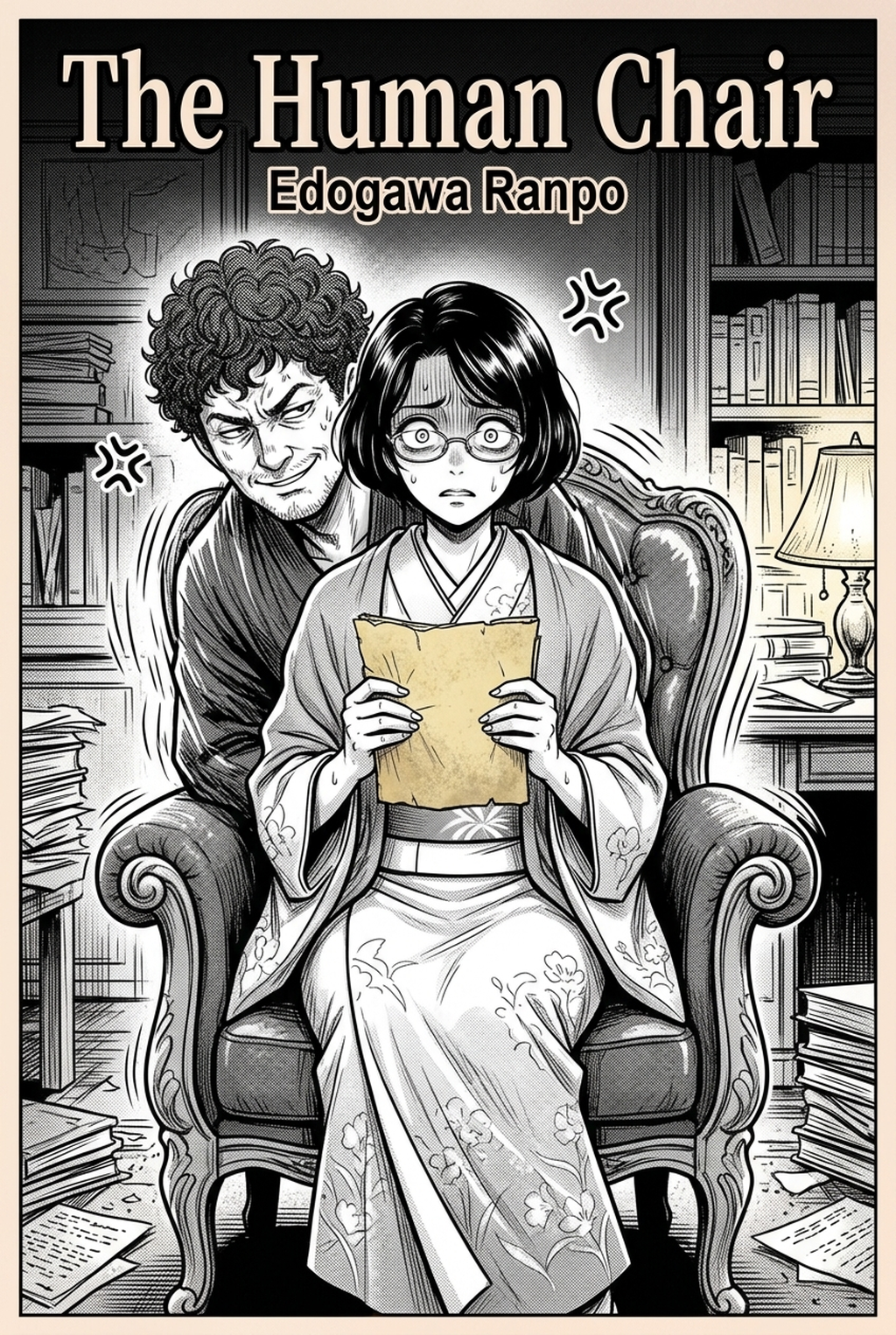
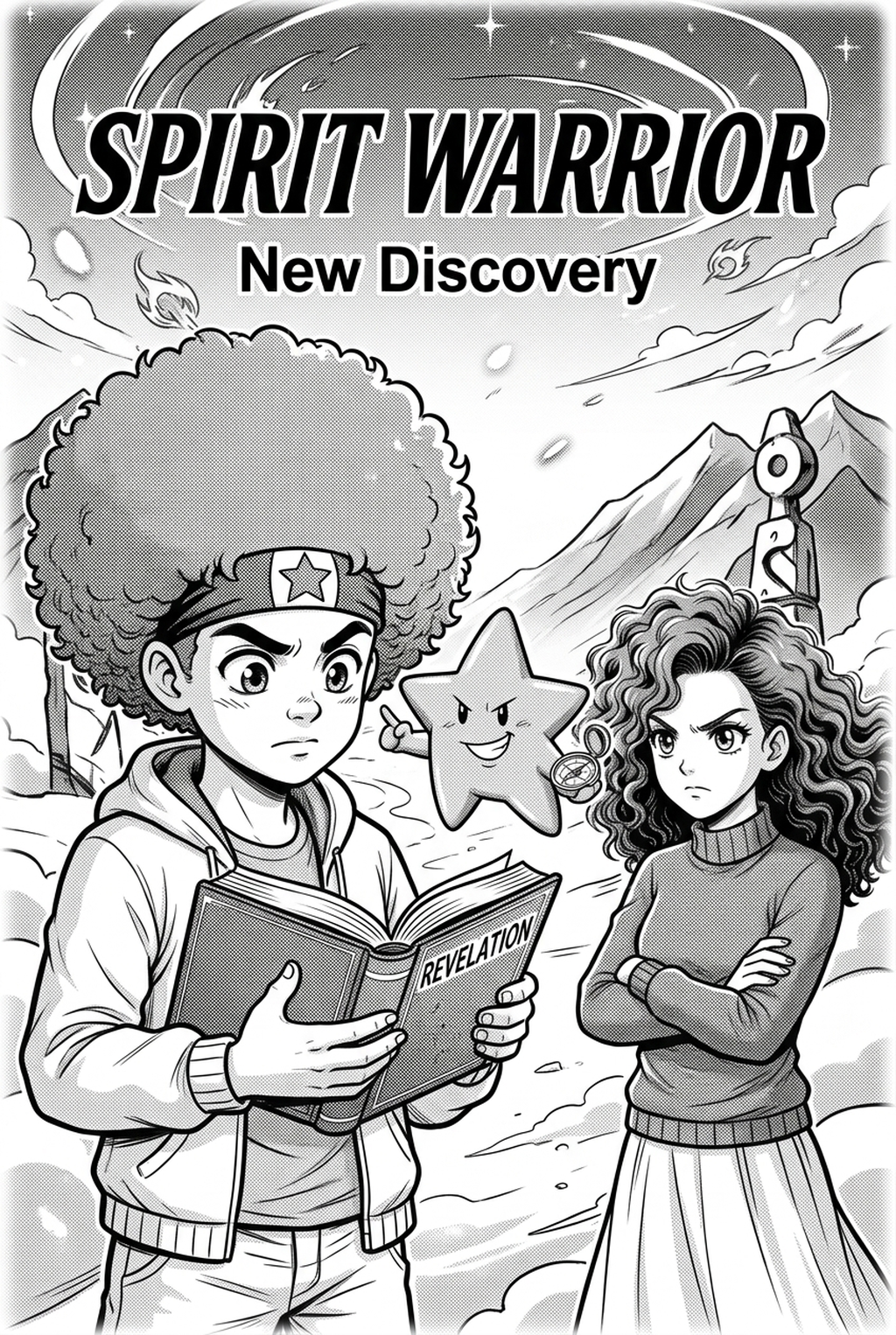
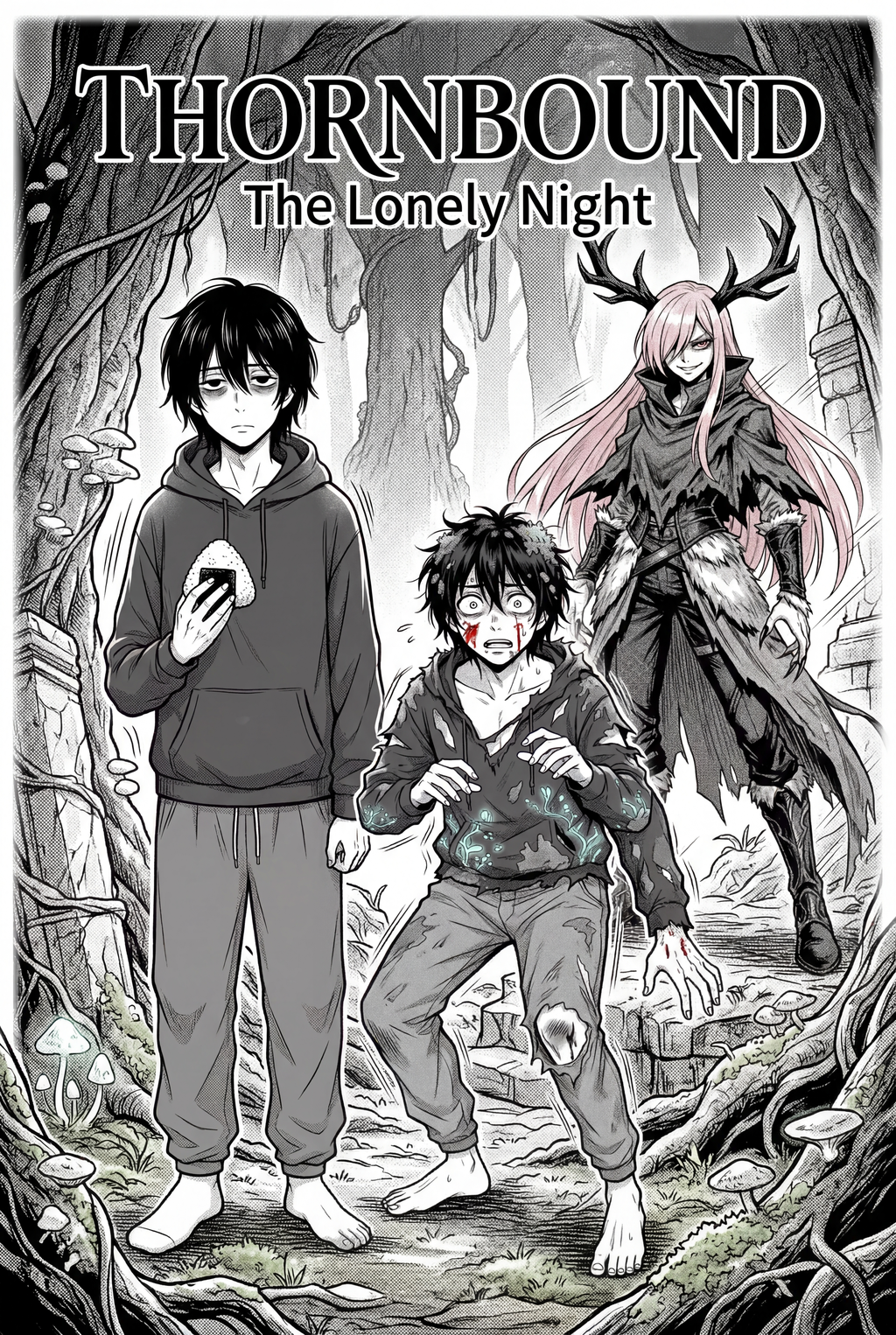
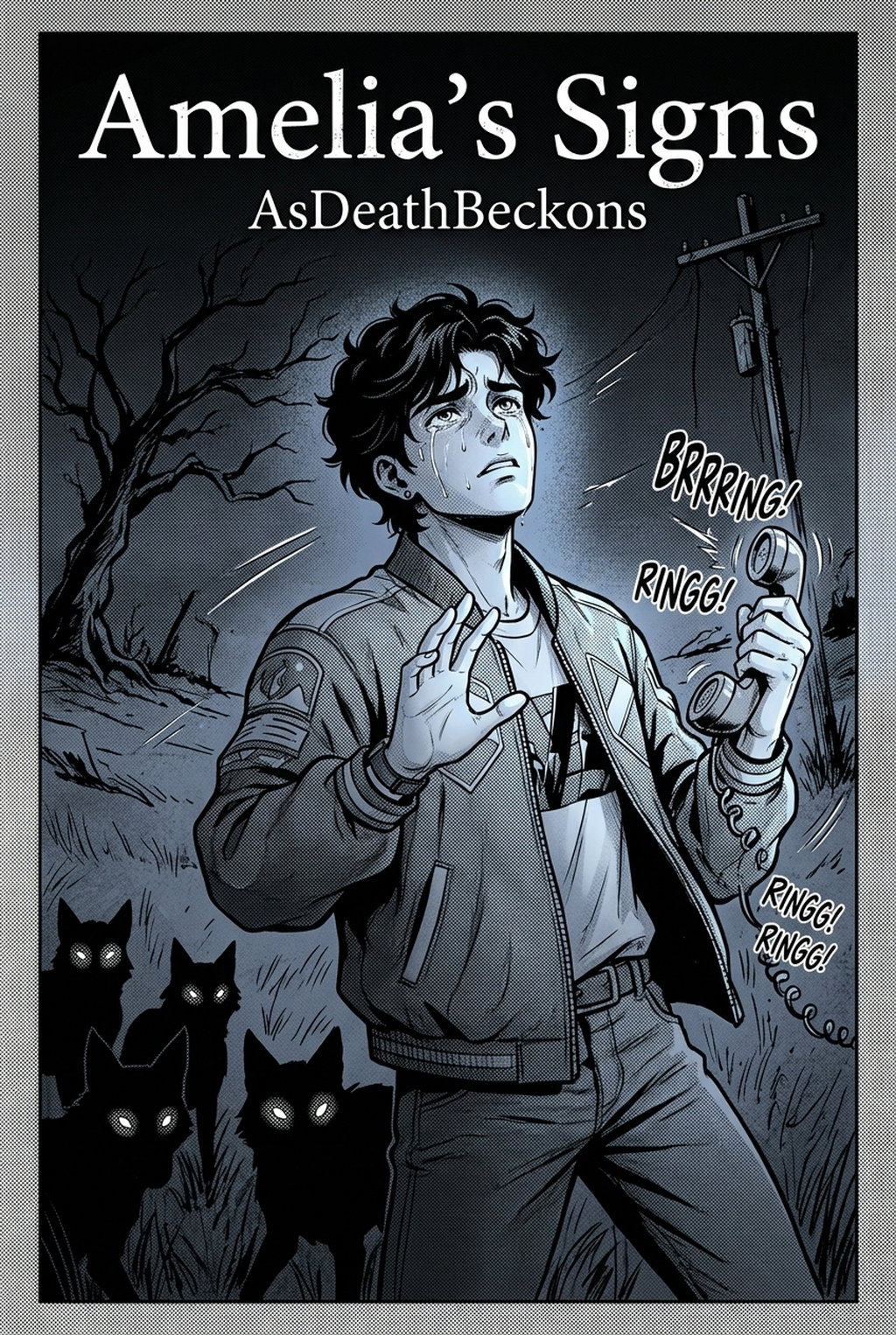
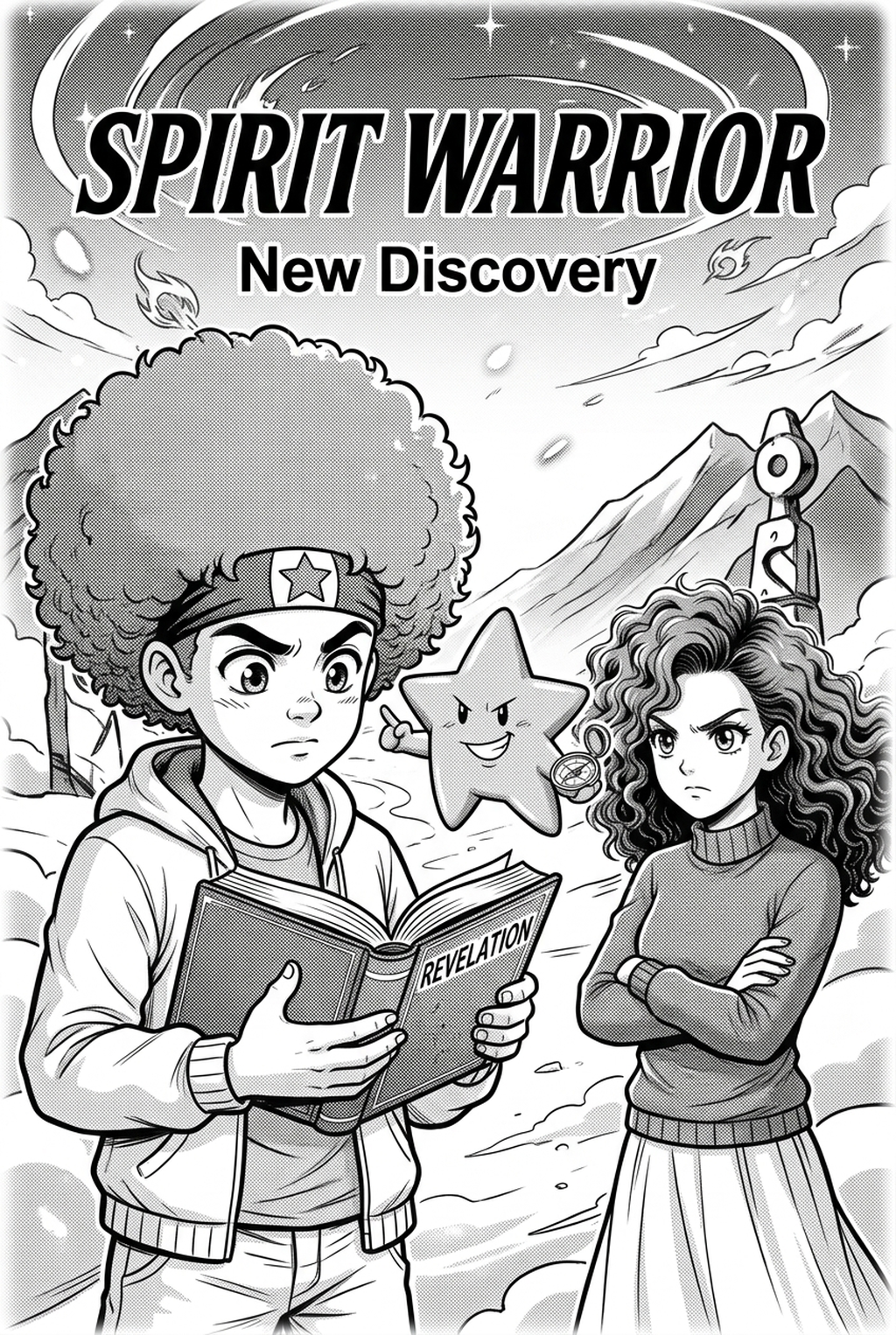
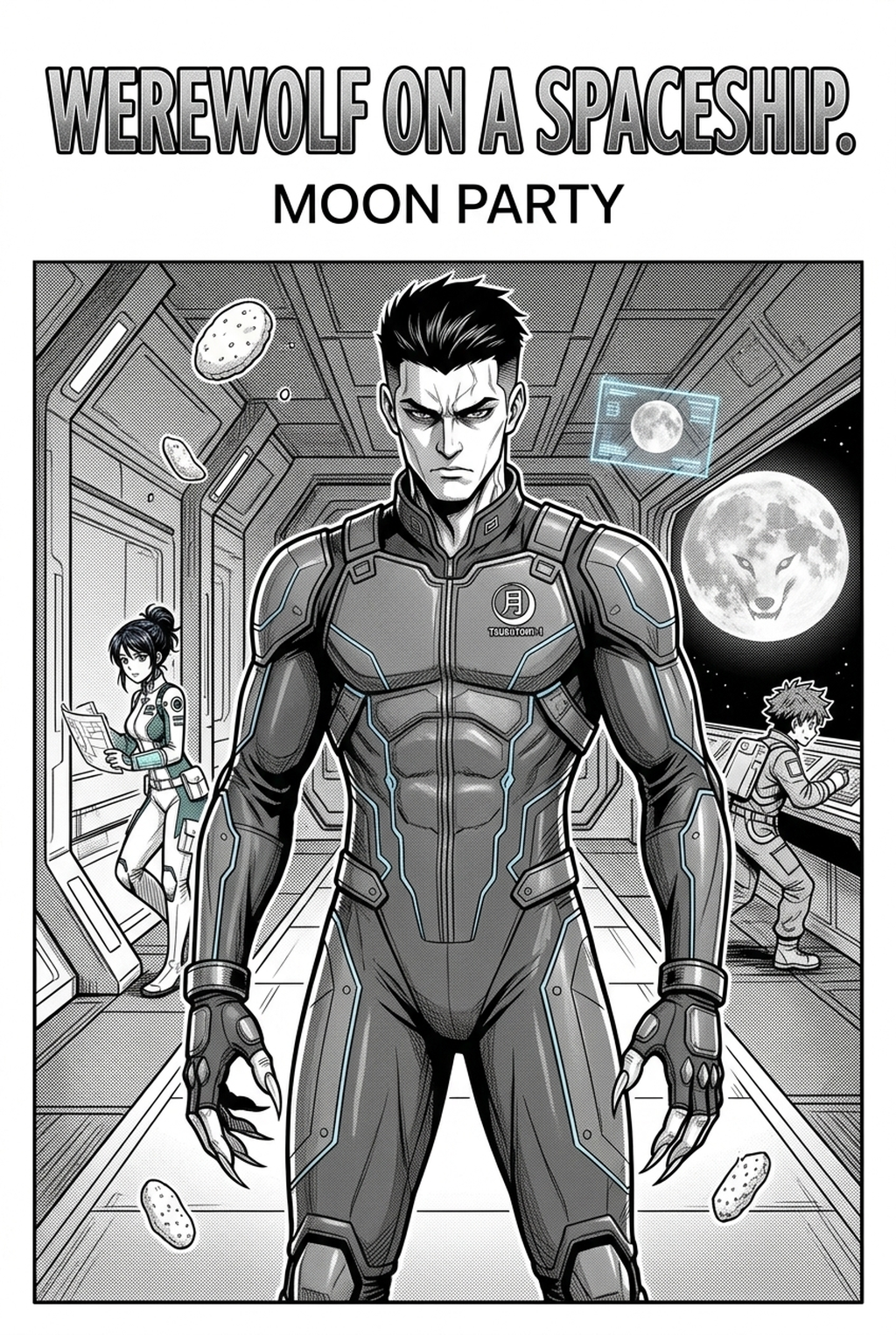
Quality backgrounds establish the physical laws of your scene, guiding the reader’s eye toward the central action through clear spatial hierarchy. A successful panel leverages depth to separate your protagonist from the environment, using subtle atmospheric tone or lighter ink weights to prevent the scene from becoming a cluttered mess that obscures character silhouettes.
Mastering the transition from a simple sketch to a finished plate requires a firm grasp of one-to-three point perspective. You must ensure that architectural lines converge logically within the frame to avoid spatial drift, which occurs when a building’s angle appears to shift between consecutive panels of the same sequence.
Creators often struggle with the balance between detail and readability, specifically when applying tone-curves to match background density with character inking. If your line weight in the background is as heavy as your character outlines, the foreground pop disappears; if it is too sparse, the world feels hollow. Successful compositions use high-contrast hatching for focal points, allowing the background to recede naturally into the peripheral vision of the reader.
Importance for Serialized Production Workflows
The primary bottleneck for independent artists is the manual labor required to render complex urban environments that meet the aesthetic standards of modern Seinen publications. You are forced into a constant 'detail-versus-deadline' trade-off, where you must choose between atmospheric world-building and releasing your next chapter on time.
When you spend twelve hours hand-inking a single city square, you sacrifice the creative energy needed for character expressions and dynamic action choreography. By automating these static environmental elements, you transition from a manual draftsman to a creative director who manages the overall flow of the narrative. This shift is vital for maintaining a consistent release schedule, as it removes the repetitive strain of plotting perspective grids for every static shot.
One of the most common failure modes in long-form manga is the gradual fluctuation of environment details as the series progresses. Without a standardized system, your recurring locations like the Main Character’s Bedroom" or The Training Dojo" may evolve or lose key props over time. Automating the base generation for these assets ensures that the visual identity of your settings remains locked, allowing you to focus on the story-driven evolution of your characters instead of constantly redrawing room layouts.
How Mangaka Streamlines Environment Rendering
Mangaka uses AI-driven scene descriptions to generate perspective-correct environments, effectively replacing the need for exhaustive manual sketching and ruler work. You simply input variables like the time of day, weather conditions, and setting architecture to receive high-fidelity assets that integrate directly into your production layout.
Advanced creators use the built-in tone-curve adjustments to match the ink weights of generated plates with the hand-drawn character layers on their working canvas. This ensures that the finished page, when exported as a high-resolution PNG, maintains a unified aesthetic where the background feels like a deliberate extension of the character work rather than a separate, disjointed addition.
By utilizing the tool to establish shots, you can maintain perfect spatial continuity during action sequences, even when shifting between wide shots and close-ups. This prevents the "spatial snap" effect, where a background feature appears to teleport or change shape because the artist miscalculated the perspective angle between different panel sizes.
Strategic Use Cases for Automated Assets
Automated backgrounds provide the most utility for complex, repetitive settings that require high technical detail but do not contribute to the immediate emotional beat of a character interaction. By shifting the workload to these assets, you reclaim hours of creative time.
- Establishing Urban Shots: Capture sprawling cityscapes with complex high-rise geometry that would take hours to ink manually. * Repetitive Interior Settings: Utilize standard room layouts for scenes that occur frequently, ensuring no detail changes across different narrative chapters. * High-Action Backgrounds: Generate motion-heavy environments or blurred, speed-line-focused backdrops for dynamic fight sequences. * Atmospheric World-Building: Apply specific weather conditions like rain, mist, or intense sun to set a mood without needing to manually draw textures.
When you use the platform to generate these complex assets, you gain the freedom to dedicate your best focus to key narrative panels. You can find the toolset at manga background art with Mangaka to begin integrating professional-grade environment generation into your specific chapter workflow.
Getting Started with Professional Background Generation
Transitioning to an AI-assisted workflow allows you to maintain traditional manga line styles while drastically reducing production time. Many creators fear that modern tools will look too 'digital' or 'flat', yet modern generation parameters are specifically calibrated to emulate the dot-tone patterns and line-weight variations found in traditional hand-inked manga.
Whether you are producing a gritty Seinen or a high-energy Shonen, the input process allows for significant stylistic control. You can creative brief the system for specific levels of grit, high-contrast urban shadows, or wide-open, clean architectural vistas. These outputs serve as a base, not a final product; you retain the creative control to ink, add details, or refine the line weight to match your signature style before the final export.
Because these assets are built to be layered, you can easily place your character sketches over the background output to verify perspective alignment before committing to a final export. This workflow allows for iterative testing, where you can modify the scene description until the background complements your character proportions perfectly, ensuring the final composition is balanced and ready for publication.
The Bottom Line
The evolution of professional manga production depends on your ability to balance traditional artistic intent with the efficiency of modern technical tools. By offloading the burden of complex perspective work and repetitive inking, you reclaim the creative hours needed to refine your storyboards and deepen your character development. Visit manga background art to start generating professional-grade backgrounds for your next chapter.
Related articles
Mastering Manga Background Art: A Guide for Solo Artists
Mastering Manga Background Art: A 2026 Guide for Solo
Mastering Manga Background Art: A 2026 Indie Guide