No-Dialogue Visual Communication: Designing Silent Stories with a Manga Panel Generator
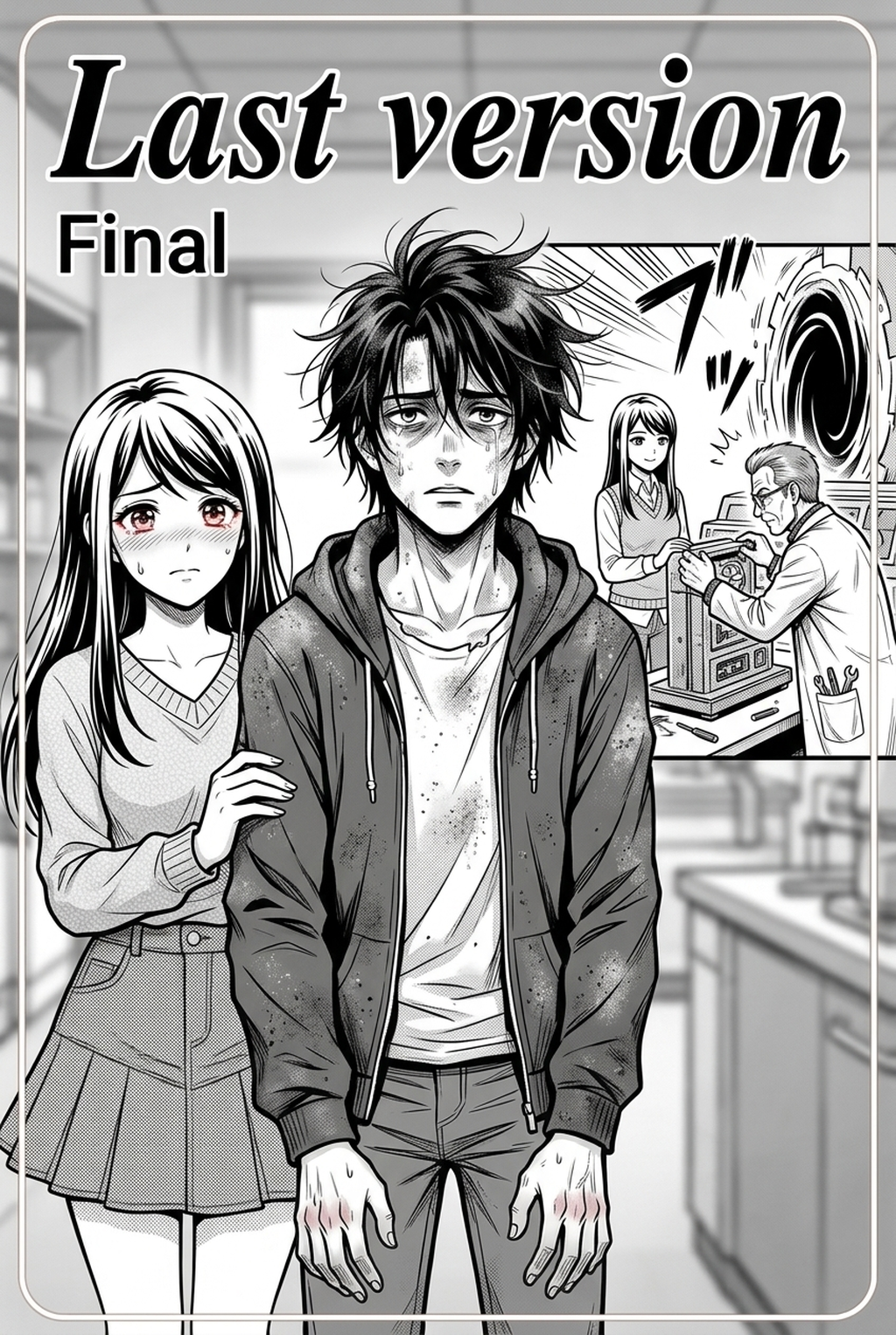
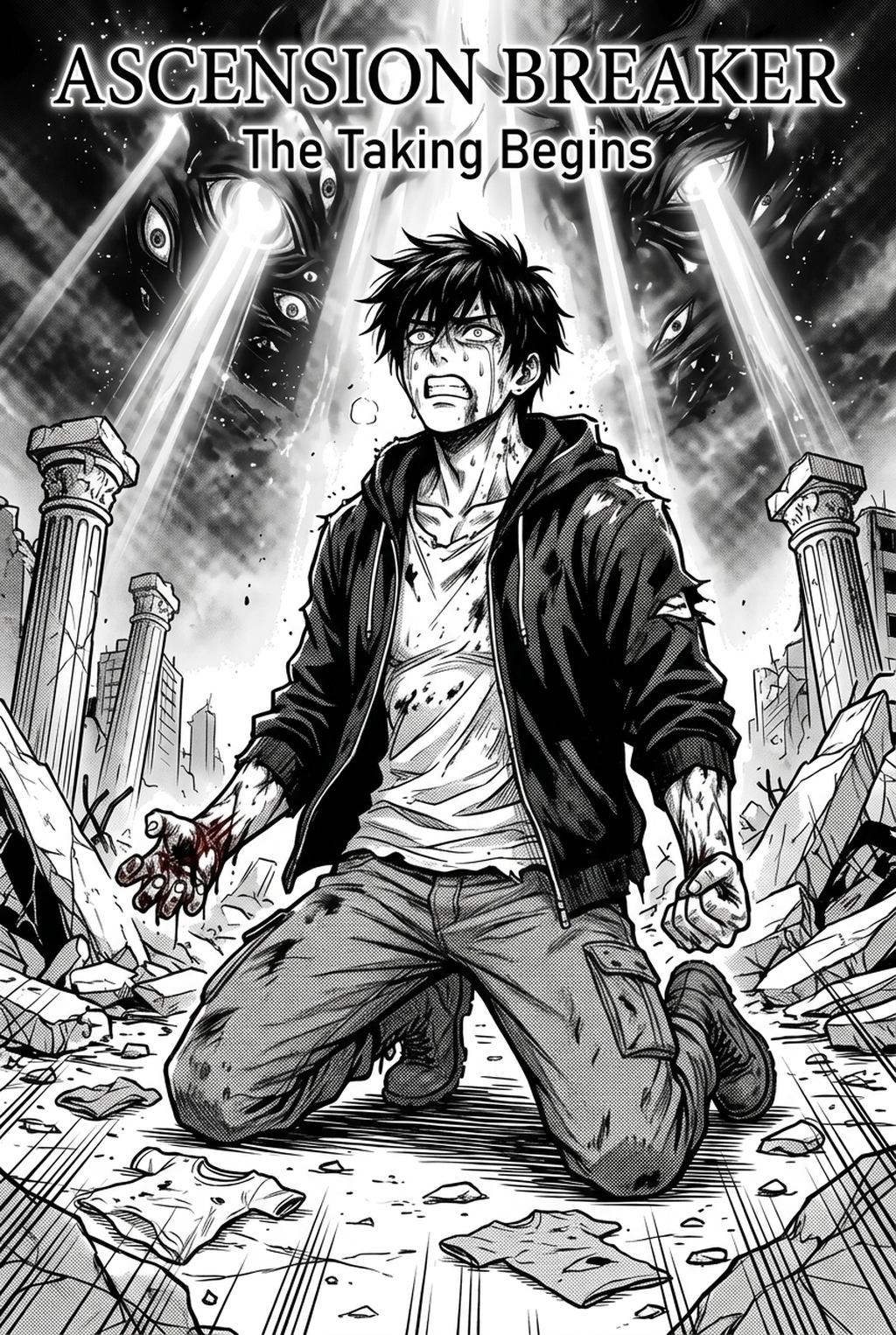
! Silent storytelling master cover showing pure visual drama, lighting, and environmental storytelling without text Fig. 1: Master silent manga composition harnessing visual grammar, negative space, and evocative lighting.
Meta description: Design silent manga that communicates through gesture vocabulary, eyeline, panel transitions, ambiguity testing, and localisation with a careful manga panel generator workflow.
“The reader needs the short version first.” — TL;DR
- Silent visual communication is not simply dialogue removed from a comic. It is a designed system of gestures, objects, eyelines, spatial relations, panel rhythm, and visible consequences.
- A manga panel generator can help explore compositions, but the author must define the intended reading, test alternate interpretations, and keep critical meaning available without relying on an unverified facial expression or cultural assumption.
- Build a silent story in passes: establish the situation, encode the action, control transitions, test ambiguity with independent readers, then localise and review the final panels for accessibility and continuity.
“The answer starts with a visual communication plan.” — Direct Answer
A manga panel generator can support silent storytelling by producing composition studies for gesture, eyeline, objects, spacing, and panel transitions. The strongest workflow treats each panel as a communication decision rather than an illustration prompt: define the reader’s intended inference, test competing interpretations, repair ambiguity with visual evidence, and have human reviewers check localisation, accessibility, and continuity.
A silent story asks the image to carry work that dialogue normally performs. The reader must infer who wants what, where attention is moving, whether an action succeeded, and what consequence follows. That can feel immediate and widely accessible, but it is not automatically universal. A raised hand, a pause, a bowed head, or an empty space can change meaning with context, genre, culture, and reading direction.
This guide uses “silent manga” to mean a sequence designed to work without spoken dialogue or explanatory narration. It does not assume a particular generator, panel count, visual style, device, or export feature. The examples are fictional and labelled as examples. Use them to test decisions, not as product facts. Keep essential information in the visual evidence itself and let a reviewer decide whether a panel communicates what the author intends.
“The silent-story author defines the reader’s intended inference before choosing a gesture.”
Begin with a sentence that describes what the reader should understand at a given moment. “The character is sad” is an internal state and may be interpreted many ways. “The character realises that the missing key is in the other person’s hand” is an observable relationship between attention, object, and discovery. Convert that sentence into a visual proof plan: what must be visible, what can be inferred, and what would create the wrong inference.
A silent scene needs an information hierarchy. The reader should know the location or situation, the relevant subject, the action or change, and the consequence in an order that feels intentional. Not every panel must show all four, but the sequence must provide them without a hidden verbal explanation. Write the intended inference beside each panel and a list of plausible alternatives. Those alternatives become ambiguity tests later.
| Story element | Visual question | Evidence to stage |
|---|---|---|
| Situation | Where are we, and what is the immediate problem? | Setting cue, spatial relation, or object |
| Attention | What should the reader look at first? | Eyeline, contrast, framing, or gesture |
| Action | What changed between panels? | Body position, object position, or mark of motion |
| Consequence | What proves the action mattered? | Visible result, reaction, or changed environment |
| Choice | What decision remains open? | Alternatives shown through space or objects |
| Time | Has time passed or is this a pause? | Repeated view, transitional panel, or state change |
Example: The intended inference is “a traveller offers the last seat to an older passenger.” The proof plan needs the seat, both people, an unobstructed hand or body movement, and a resulting change in who occupies the seat. A smile alone would not prove the offer.
“The gesture editor builds a vocabulary instead of hoping that emotion will be understood.”
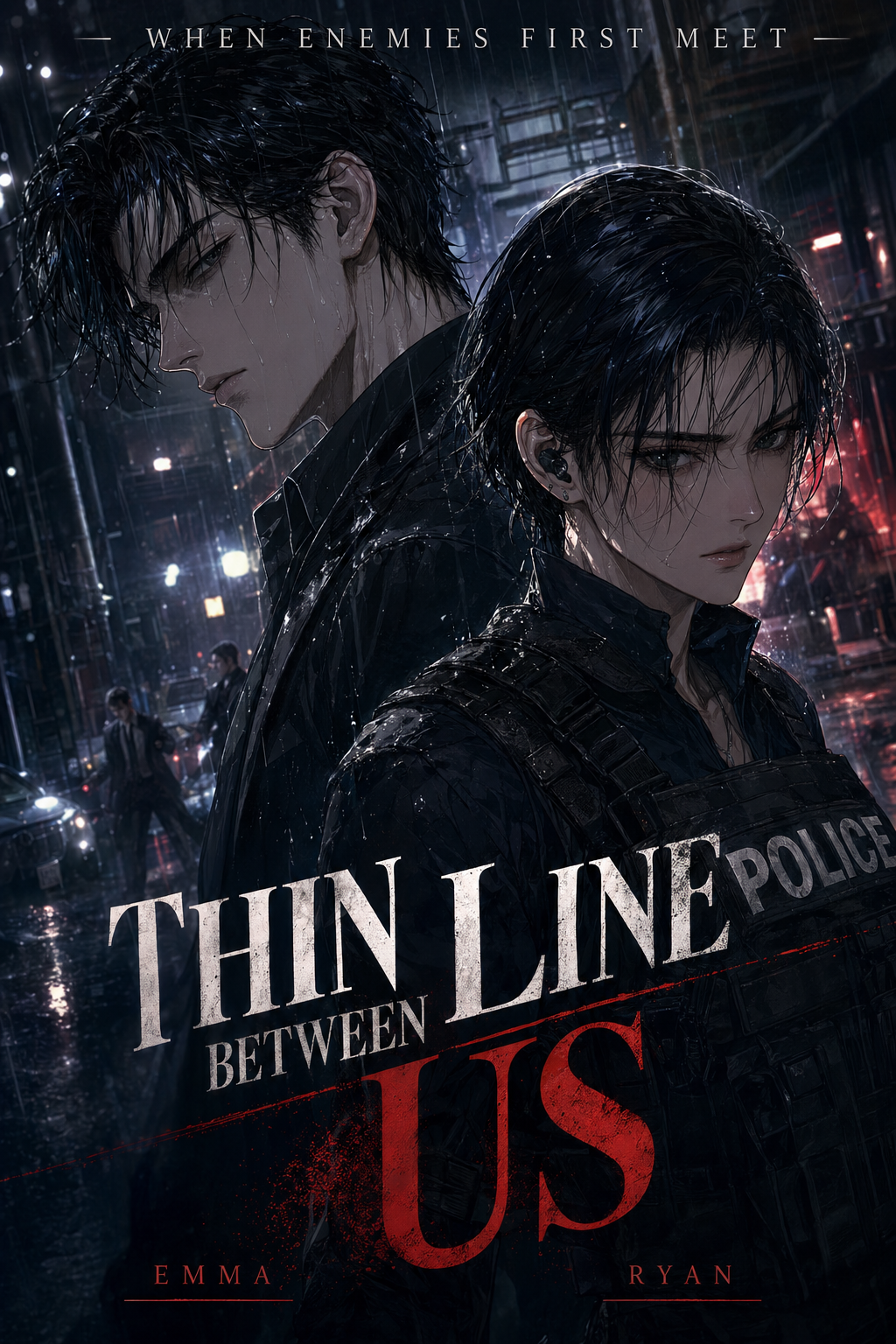
! Body language and micro-expression progression conveying nuanced emotional shifts across consecutive panels Fig. 2: Subtlety of posture and facial micro-expressions replacing spoken dialogue with pure emotional resonance.
A gesture vocabulary is a controlled set of repeatable actions and positions: open palm, pointing, reaching, withdrawing, turning away, covering an object, leaning toward, creating distance, and so on. Each gesture gains meaning from its object, direction, timing, and consequence. Keep a gesture sheet that records the intended meaning, acceptable variants, and gestures that are unsafe or ambiguous in the target audience.
Do not treat body language as a dictionary with one fixed definition. An open palm may signal offering, stopping, uncertainty, or greeting. A lowered gaze may indicate concentration, respect, shame, fatigue, or simply a change of angle. The scene must supply context. Pair an expressive gesture with a visible object or spatial change when the action matters. If an emotion is essential, show its cause or consequence rather than trusting a facial expression in isolation.
“The character designer keeps action readable across poses and panels.”
Start with silhouettes and large directional shapes. A reader should be able to distinguish reaching from retreating, offering from holding, and looking at an object from looking past it. Check hands, elbows, shoulders, feet, and the line between torso and head. Detailed clothing and dramatic lighting cannot repair an action hidden by the pose.
A repeatable gesture also supports continuity. If a character begins by extending the left hand and the next panel shows a right-hand exchange without a story reason, the reader may lose track of the action. Record which body part initiates the movement, which object is involved, and whether contact occurs. A manga panel generator may explore alternatives quickly, but the author must select a version that preserves the intended action.
“The eyeline director turns looking into a map for the reader.”
Eyeline is the direction and target of a character’s attention. It can guide the reader from a face to an object, connect two characters across panels, or create suspense by pointing away from the visible cause. Use eyeline with framing and object placement, not as a substitute for context. A face turned toward the edge of a panel may direct the reader forward; a face turned toward the gutter may create a relationship with the next panel.
Map the eyelines in a simple table. Record the character, gaze direction, intended target, and confidence that the target is visible. If the target is outside the frame, decide whether the omission creates curiosity or confusion. Silent stories need both. Curiosity delays a clear answer in a controlled way; confusion leaves the reader unable to form the question.
| Panel | Character focus | Intended target | Reader route | Risk |
|---|---|---|---|---|
| 1 | Traveller | Empty seat | Face to seat | Seat may blend into background |
| 2 | Companion | Traveller’s hand | Hand to object | Hand may hide the offer |
| 3 | Older passenger | Open space | Person to seat | Result must be visible |
| 4 | Traveller | Companion | Seat to reaction | Reaction can imply the wrong motive |
“The composition reviewer tests eyeline without the captions that do not exist.”
Print or view a text-free proof and trace the first three places the eye goes. If the author’s intended target never receives attention, strengthen the cue through cropping, contrast, placement, or a clearer object relationship. Avoid adding decorative details that compete with the target. If the scene depends on a specific object, give it enough shape and separation to be recognised without a label.
Eyeline should not force every panel into the same pattern. A story may deliberately break the direction to signal surprise, refusal, or a new point of view. The break needs a visible reason. Otherwise, a change in gaze can look like an accidental continuity error.
“The panel-transition editor decides what the gutter asks the reader to infer.”
The space between panels is where the reader connects moments. A sequence can move from action to action, subject to subject, scene to scene, or idea to idea. Silent manga benefits from deliberate transitions because the missing dialogue makes the connection itself part of the story. Write the transition in plain language: “the hand reaches” to “the key is no longer on the table,” or “the character looks at the locked door” to “the character stands outside in rain.”
For each transition, identify the minimum visual evidence needed. If the change is too large, add a bridge panel or a stronger consequence. If it is too small, the sequence may feel static. Pacing is not only about the number of panels; it is about how much inference each gap requires and how long the reader is allowed to hold an image.
| Transition type | What changes | Useful visual cue | Ambiguity to check |
|---|---|---|---|
| Action to action | Movement continues | Body or object in a new phase | Did the same person perform it? |
| Subject to subject | Attention shifts | Matching eyeline or object | Why did focus move? |
| Scene to scene | Place or time changes | Environmental anchor | Is this a flashback or continuation? |
| Moment to moment | Small time gap | Repeated framing or state | Does the pace feel intentional? |
| Idea to idea | Meaning changes | Visual metaphor or match cut | Is the connection earned? |
Example: A character sees a broken lantern, reaches into a bag, and the next panel shows light on a path. The transition must make the source of the light plausible. If the bag disappears and the next panel has a different object, the reader may infer magic, theft, or an unrelated event.
“The silent-sequence writer turns objects into witnesses of change.”
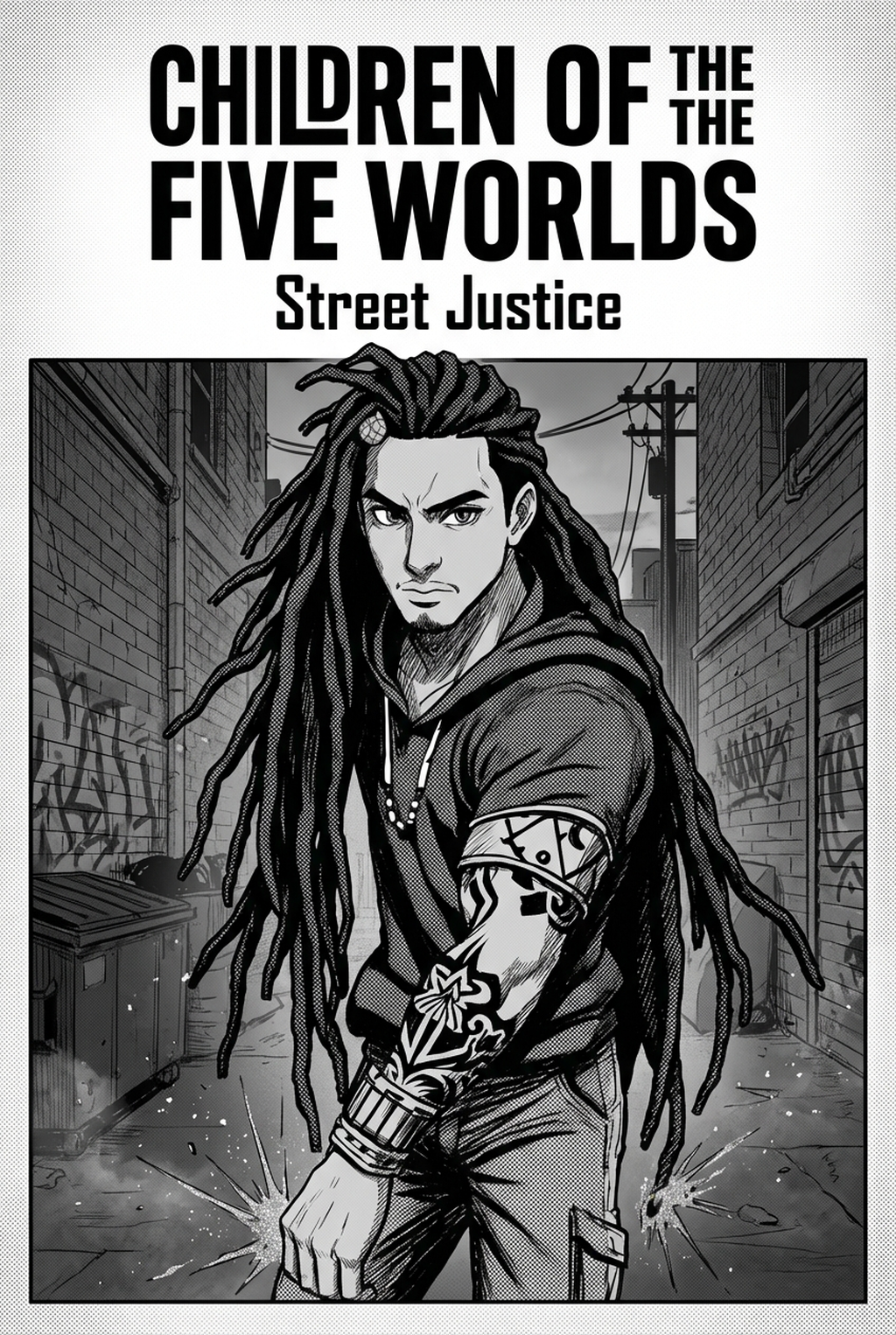
! Environmental lighting and shadow framing directing the viewer eye movement through textless compositions Fig. 3: Dynamic high-contrast shadow composition naturally guiding reader eye trajectory across panels.
Objects are often more reliable than faces because they can show state. A folded ticket becomes torn, a cup moves from one hand to another, a door changes from closed to open, or a shadow shifts across a threshold. Give each important object an identity and a small state list. The state list should describe what the reader can observe, not a hidden technical property.
Use object continuity to make invisible decisions visible. If a character agrees, show the exchanged item, opened path, changed posture, or shared direction that follows. If a character refuses, show the object returned, distance maintained, or route blocked. Avoid using a generic “dramatic reaction” panel when the action itself can carry the meaning.
“The continuity checker follows ownership, position, and condition.”
Ownership asks who holds or controls the object. Position asks where it sits in the shared space. Condition asks whether it is open, closed, full, empty, lit, broken, or otherwise changed. Track these three attributes through the sequence. A generator can change them between iterations even when the overall composition looks similar.
A continuity table helps reviewers find errors quickly. Include a panel reference, expected state, observed state, and decision. If the observed state is uncertain, do not silently accept it because the picture is attractive. Replace the panel, crop the object, or change the story so that the object no longer carries critical meaning.
“The manga panel generator is used as a composition laboratory, not as the author of intent.”
Write the intent, constraints, and test question before requesting a variation. For a silent scene, the brief might specify: one character, a visible object, an unmistakable offer, a clear eyeline, a calm setting, a reserved space for any later production label, and no dialogue balloons. The exact visual style can be added after the communication requirement is stable.
Generate variations that answer different composition questions. One may test a close view of the hand and object; another may test the wider spatial relationship; a third may test the consequence. Compare them against the proof plan. Do not choose the most dramatic image by default. Choose the image that leaves the fewest important inferences unsupported.
Keep exact lettering and critical symbols under editorial control. A draft may include temporary marks, but final panels should be proofread at the intended size. Record which variation was chosen and why. If an image changes a gesture, object, or eyeline during refinement, update the scene notes and retest the inference.
“The art reviewer rejects visual confidence when the evidence is missing.”
A polished face can appear expressive while saying little about cause. A dramatic camera angle can make a hand look like a threat instead of an offer. A beautiful background can obscure the object that explains the scene. Ask a simple question: “What in this panel proves the intended meaning?” If the answer is “the mood,” the panel needs stronger evidence.
This is not an argument for flat or literal art. Style and atmosphere can enrich a silent story once the action reads. The order matters: first secure the communicative relationship, then tune line, tone, framing, and visual rhythm.
“The ambiguity tester separates productive mystery from accidental confusion.”
Recruit readers who did not write the scene. Show them the panels without explaining the intended meaning. Ask them to describe what happened, who wants what, what changed, and what they expect next. Do not correct them during the first reading. Their alternative interpretations are evidence about the panel, not a failure of the reader.
Classify the response. Productive mystery leaves a clear question with enough evidence to pursue it. Accidental confusion creates competing explanations for a basic action or relationship. A silent story can contain both suspense and uncertainty, but the author should know which one is present. Repair accidental confusion with a better object cue, a clearer transition, a stronger reaction tied to cause, or one additional establishing panel.
| Reader response | Likely diagnosis | Revision option |
|---|---|---|
| “I know what happened but want to know why.” | Productive mystery | Preserve and control the reveal |
| “I cannot tell who acted.” | Action ambiguity | Clarify body position or object contact |
| “I thought they were angry, not offering help.” | Gesture ambiguity | Add context and consequence |
| “I lost the location.” | Spatial ambiguity | Re-establish the environment |
| “I missed the change between panels.” | Transition gap | Add a bridge or stronger state change |
| “I read it in the opposite order.” | Reading-order risk | Strengthen panel flow and spacing |
“The test facilitator avoids leading questions.”
“Did you notice the character offering the seat?” tells the reader what to look for. “What do you think is happening?” reveals more. Ask for a retelling in the reader’s own words. Note where they pause, point, reverse direction, or request an explanation. If a story is intended for a specific reading direction, test that direction and record the assumption in the production notes.
Run the test again after revision, preferably with someone who has not seen the first version. If the same ambiguity remains, reconsider the story logic rather than adding more decoration. More detail can increase noise without improving comprehension.
“The silent-story editor treats localisation as a design pass.”
A no-dialogue comic may reduce translation volume, but it does not remove localisation. Gestures, personal space, clothing, objects, signs, colours, food, architecture, reading direction, and social roles can change interpretation. Review whether a local reader can identify the action without needing a culture-specific assumption that the project has not established.
Localisation also includes production choices. If the panels may later receive captions, keep enough space for language expansion. If a title, sound effect, or interface mark becomes necessary, decide whether it should be translated, redrawn, or replaced with a more universal visual cue. Do not add flags, regional stereotypes, or decorative writing to signal location unless the story requires them and a reviewer approves the choice.
“The regional reviewer checks gestures in context.”
Invite a reviewer who understands the target audience and the story setting. Ask which gestures feel natural, ambiguous, too forceful, or culturally specific. A reviewer may identify a hand sign that carries an unintended meaning or an object that is not recognisable in the same way across regions. Treat the feedback as a design input, not a request to flatten every difference.
For Indian audiences, also consider the relationship between English text that may be added later and the visual rhythm of a silent sequence. A panel that works without words should not become cramped when a regional-language caption is introduced. The cleanest solution is often to preserve a flexible text area and keep the visual proof independent of the caption.
“The accessibility reviewer keeps meaning available through more than one cue.”
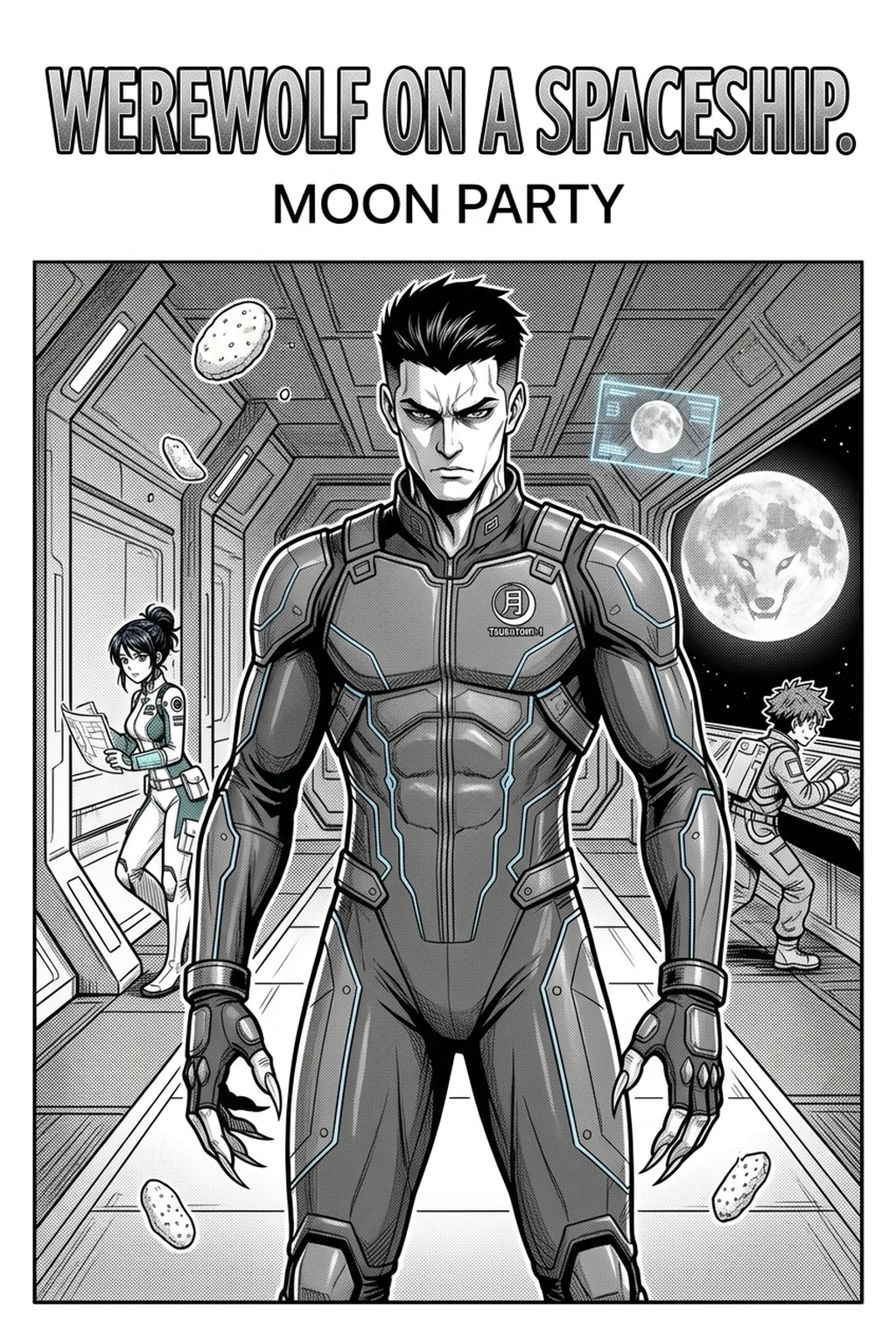
! Action causality and physical pacing breakdown establishing clear cause-and-effect across wordless beats Fig. 4: Precise motion line and impact framing conveying kinetic weight and physical consequence without sound effects.
Silent does not have to mean inaccessible. Critical meaning should not depend only on colour, tiny detail, facial expression, or a sound-effect shape. Provide useful alt text or a surrounding textual description where the delivery context permits it. Describe action and consequence, not just appearance. “A character stands beside a table” is weaker than “A character points to the empty seat while another person steps toward it.”
Check contrast, panel order, reading size, and whether the key object remains identifiable. If a story will be used in a training or support setting, provide a text-only summary of the intended action and branch. That summary does not replace the art; it ensures that the communication goal is available through another route.
Accessibility review should also consider motion or animated versions. A transition that is clear in a static page may be too fast in a timed sequence. Keep the underlying scene logic documented so that derivative formats do not lose the reason for each panel.
“The production lead packages a silent story with its visual evidence.”
A hand-off is stronger when another person can understand the intended story without asking the creator to narrate it. Include the scene list, gesture vocabulary, eyeline map, object-state table, transition notes, ambiguity-test findings, localisation decisions, alt text, and final panel order. Store the selected panel version alongside review notes, using the project’s own versioning convention.
Do not let a generator’s prompt become the only record. Prompts describe requests; they do not necessarily describe what the final image actually communicates. The panel and its review evidence are the relevant record. If the story changed during iteration, update the scene notes so that the next editor does not revive an abandoned interpretation.
- Write the intended inference. State what the reader should know after each panel.
- List visual proof. Name the person, object, action, change, and consequence that must be visible.
- Build the gesture sheet. Define repeatable actions and flag gestures that need context.
- Map eyelines. Record who looks where and why the reader should follow that direction.
- Plan transitions. Describe the inference required across each gutter.
- Track objects. Record ownership, position, and condition for meaningful objects.
- Generate composition studies. Use variations to answer a communication question, not to chase novelty.
- Select and refine. Preserve the proof while improving style, rhythm, and continuity.
- Run ambiguity testing. Ask independent readers to retell the sequence without coaching.
- Localise and access-check. Review gestures, space, reading order, alt text, and contrast.
- Package the evidence. Deliver the panels with scene notes, review decisions, and the final manifest.
“The final reader decides whether the silent story actually communicates.”
The last review should not ask whether the panels are attractive in isolation. It should ask whether a person can follow the sequence, identify the action, notice the consequence, and form the intended question when the story deliberately withholds information. Compare the panel order with the proof plan. Check that the first panel establishes enough context and that the final panel gives the reader a state to understand, not merely a dramatic pose.
If the story supports an operational task, test the task separately. A silent comic may explain the idea of offering a seat, but it may not teach a reader how to use a specific interface or process. Do not stretch the visual metaphor beyond what it proves. Keep the scope honest, and use a separate text layer or companion guidance for details that the images cannot safely carry.
A useful next action is to storyboard a six-panel scene with no dialogue, write its intended inference for each panel, and ask two independent readers to retell it. Revise the panel whose meaning depends most heavily on an assumption. That small test reveals more than adding another style prompt.
“Related internal guidance gives the reader a next path.” — Internal-link suggestions
- Anchor: “Manga generator online for indie pre-production” — Target URL:.
- Anchor: “Dynamic action panels and visual pacing” — Target URL:.
- Anchor: “Character model sheets for consistent manga figures” — Target URL:.
- Anchor: “Print preflight for manga artwork” — Target URL:.
- Anchor: “Team review and version control for comic projects” — Target URL:.
“External references need source verification before publication.” — External-source suggestions
! Universal silent manga sequence validated across cross-cultural reader focus groups for intuitive clarity Fig. 5: Globally accessible silent comic narrative transcending linguistic barriers with intuitive visual clarity.
- Source topic: Visual literacy and information design guidance — URL:.
- Source topic: Accessibility guidance for images and alternative text — URL:.
- Source topic: Internationalisation and localisation design practices — URL:.
- Source topic: Research methods for usability and ambiguity testing — URL:.
- Source topic: Manga reading direction and comics scholarship — URL:.
- Source topic: Verified Drive folder supplied for this project — https://drive.google.com/drive/folders/1RNl9s36_ITUMBe9xfu8b6P7O1VFtxnDy
“Common questions deserve direct, bounded answers.” — FAQ
“Can a manga panel generator create a silent story by itself?”
It can produce visual drafts and composition variations, but it cannot replace the author’s communication plan or human review. Define the intended inference, select the evidence, and test whether independent readers understand the sequence.
“What is a gesture vocabulary in silent manga?”
It is a controlled set of repeatable actions and positions whose meaning is defined by context, objects, direction, timing, and consequence. It helps the team keep gestures readable and consistent across panels.
“Why is eyeline important when there is no dialogue?”
Eyeline can guide attention, connect a character to an object, and signal a relationship across panels. It works best with framing and visible context, not as a substitute for showing the action.
“How do I test ambiguity in a silent comic?”
Show the panels without explaining the intended meaning. Ask independent readers what happened, who acted, what changed, and what they expect next. Classify each alternative reading as productive mystery or accidental confusion.
“Does silent manga need localisation?”
Yes. Gestures, objects, personal space, clothing, symbols, reading direction, and social assumptions can change across audiences. Review the story in the target context and leave space for any later language layer.
“What should alt text describe for a silent story?”
Describe the meaningful action and consequence, not only the setting or appearance. The wording should help a person understand who did what, what changed, and how the sequence progresses.
“How many panels should a silent story have?”
There is no universal number. Use enough panels to establish the situation, show the action, reveal the consequence, and control the intended inference. Add a panel when readers cannot bridge a transition safely or clearly.
“Should final lettering be generated inside the artwork?”
Treat generated lettering as a draft. Keep critical text or symbols in an editable, reviewable layer when possible, and proofread any final wording or mark against the project’s approved requirements.
<script type="application/ld+json"> { "@context": "https://schema.org", "@type": "FAQPage", "mainEntity": [ {"@type":"Question","name":"Can a manga panel generator create a silent story by itself?","acceptedAnswer":{"@type":"Answer","text":"It can produce visual drafts, but the author must define the communication plan and human reviewers must test the result."}}, {"@type":"Question","name":"What is a gesture vocabulary in silent manga?","acceptedAnswer":{"@type":"Answer","text":"It is a controlled set of repeatable actions and positions whose meaning is defined by context, objects, direction, timing, and consequence."}}, {"@type":"Question","name":"Why is eyeline important when there is no dialogue?","acceptedAnswer":{"@type":"Answer","text":"Eyeline can guide attention and connect a character to an object or relationship across panels."}}, {"@type":"Question","name":"How do I test ambiguity in a silent comic?","acceptedAnswer":{"@type":"Answer","text":"Show the panels without explanation and ask independent readers what happened, what changed, and what they expect next."}}, {"@type":"Question","name":"Does silent manga need localisation?","acceptedAnswer":{"@type":"Answer","text":"Yes. Gestures, objects, symbols, reading direction, and social assumptions can change across audiences."}}, {"@type":"Question","name":"What should alt text describe for a silent story?","acceptedAnswer":{"@type":"Answer","text":"Describe the meaningful action and consequence so the sequence remains understandable through text."}}, {"@type":"Question","name":"How many panels should a silent story have?","acceptedAnswer":{"@type":"Answer","text":"Use enough panels to establish the situation, show the action, reveal the consequence, and control the intended inference."}}, {"@type":"Question","name":"Should final lettering be generated inside the artwork?","acceptedAnswer":{"@type":"Answer","text":"Treat generated lettering as a draft and proofread critical text or symbols in an editable, reviewable layer."}} ] } </script>
“The image team uses this manifest to place the supplied assets.” — Image manifest
| Role | Exact filename | Drive folder |
|---|---|---|
| Cover | AI-generated manga cover featuring a fantasy adventure story.png | https://drive.google.com/drive/folders/1RNl9s36_ITUMBe9xfu8b6P7O1VFtxnDy |
| Content 1 | AI-generated manga page with comic panels and dialogue bubbles.png | https://drive.google.com/drive/folders/1RNl9s36_ITUMBe9xfu8b6P7O1VFtxnDy |
| Content 2 | (2).png | https://drive.google.com/drive/folders/1RNl9s36_ITUMBe9xfu8b6P7O1VFtxnDy |
| Content 3 | (3).png | https://drive.google.com/drive/folders/1RNl9s36_ITUMBe9xfu8b6P7O1VFtxnDy |
| Content 4 | 5.png | https://drive.google.com/drive/folders/1RNl9s36_ITUMBe9xfu8b6P7O1VFtxnDy |
Verified Drive image manifest
Source folder: https://drive.google.com/drive/folders/1RNl9s36_ITUMBe9xfu8b6P7O1VFtxnDy
| Role | File | Verified Drive URL |
|---|---|---|
| Cover | AI-generated manga cover featuring a fantasy adventure story.png | https://drive.google.com/file/d/1tEHnJg1yx-6lQlkxMcM-szXHYzjB0eAB/view |
| Content image 1 | AI-generated manga page with comic panels and dialogue bubbles.png | https://drive.google.com/file/d/11K2fA-4USLax6M-IbdYbZlHvC-gayHvd/view |
| Content image 2 | AI-generated manga page with comic panels and dialogue bubbles (2).png | https://drive.google.com/file/d/1x8qPo3x8-twyJXoWpgP_d3M6XTgrxMWF/view |
| Content image 3 | AI-generated manga page with comic panels and dialogue bubbles (3).png | https://drive.google.com/file/d/1JIxjnEmb-L47FP6vViN3BcsFeabkL-Ab/view |
| Content image 4 | AI-generated manga page with comic panels and dialogue bubbles 5.png | https://drive.google.com/file/d/16twfQ5WvItiPOyJUtLtA2RlS_EvCjgI1/view |
Verified editorial source bank
The following pages were opened and are included as source links for the SEO/GEO and accessibility checks in this draft: