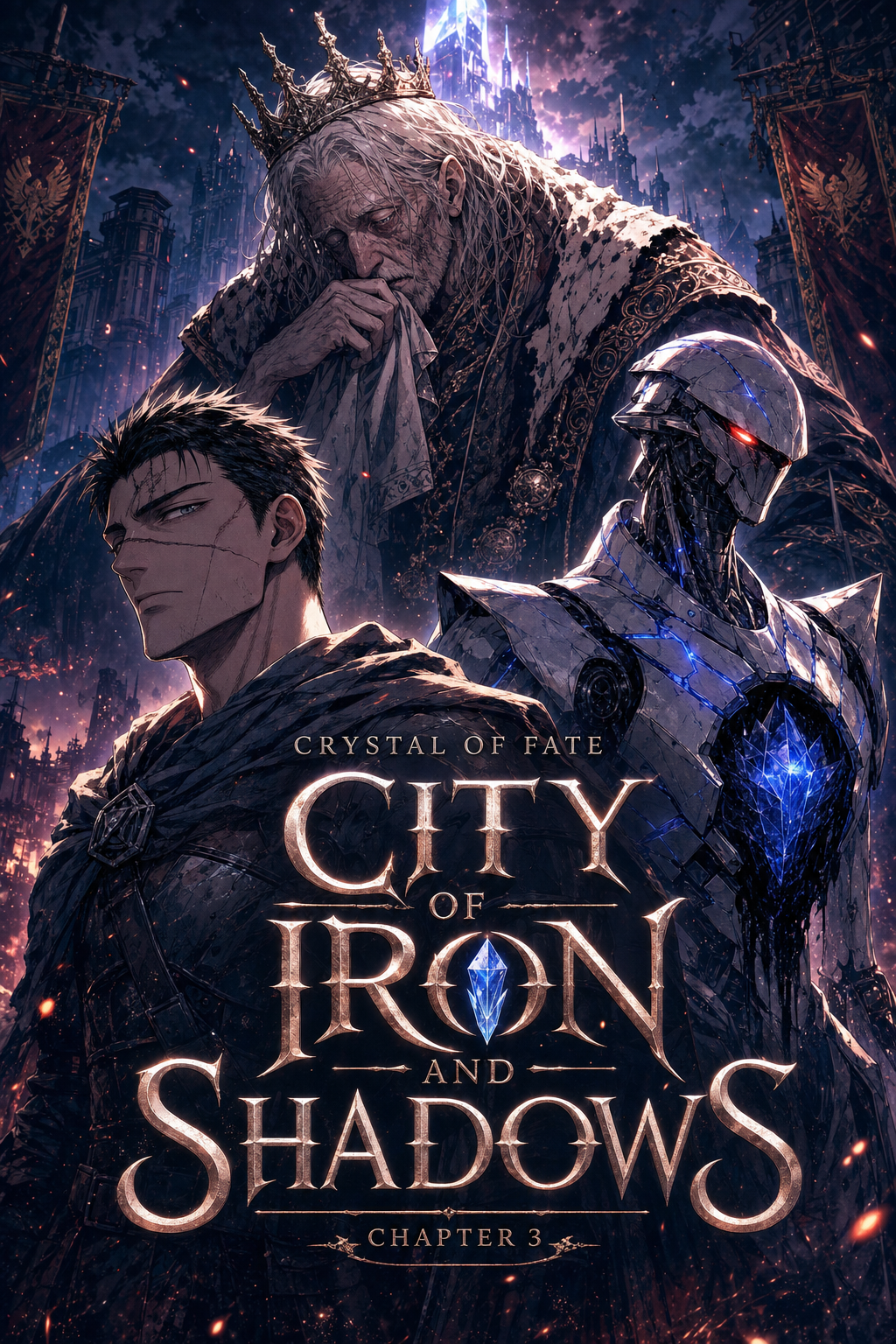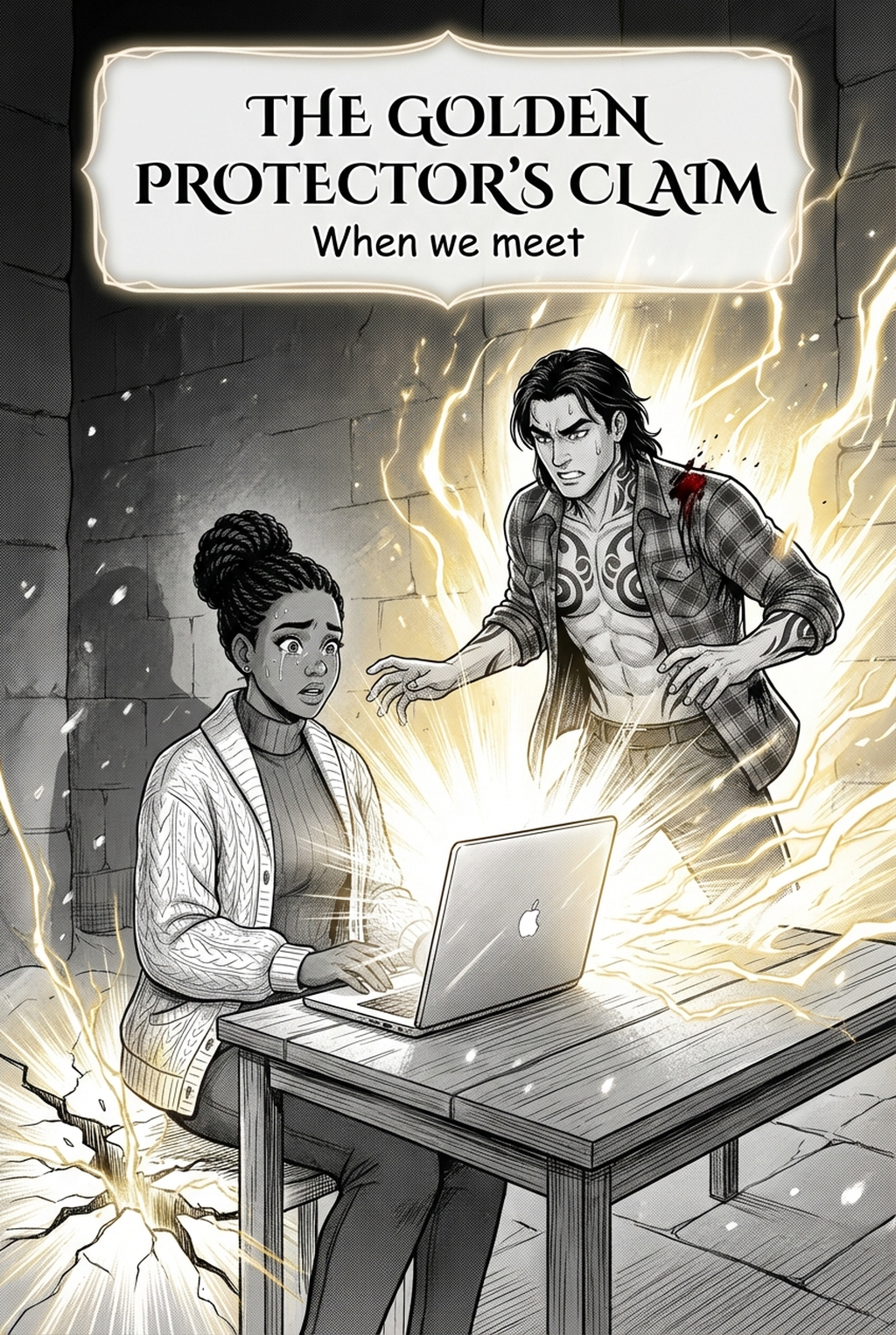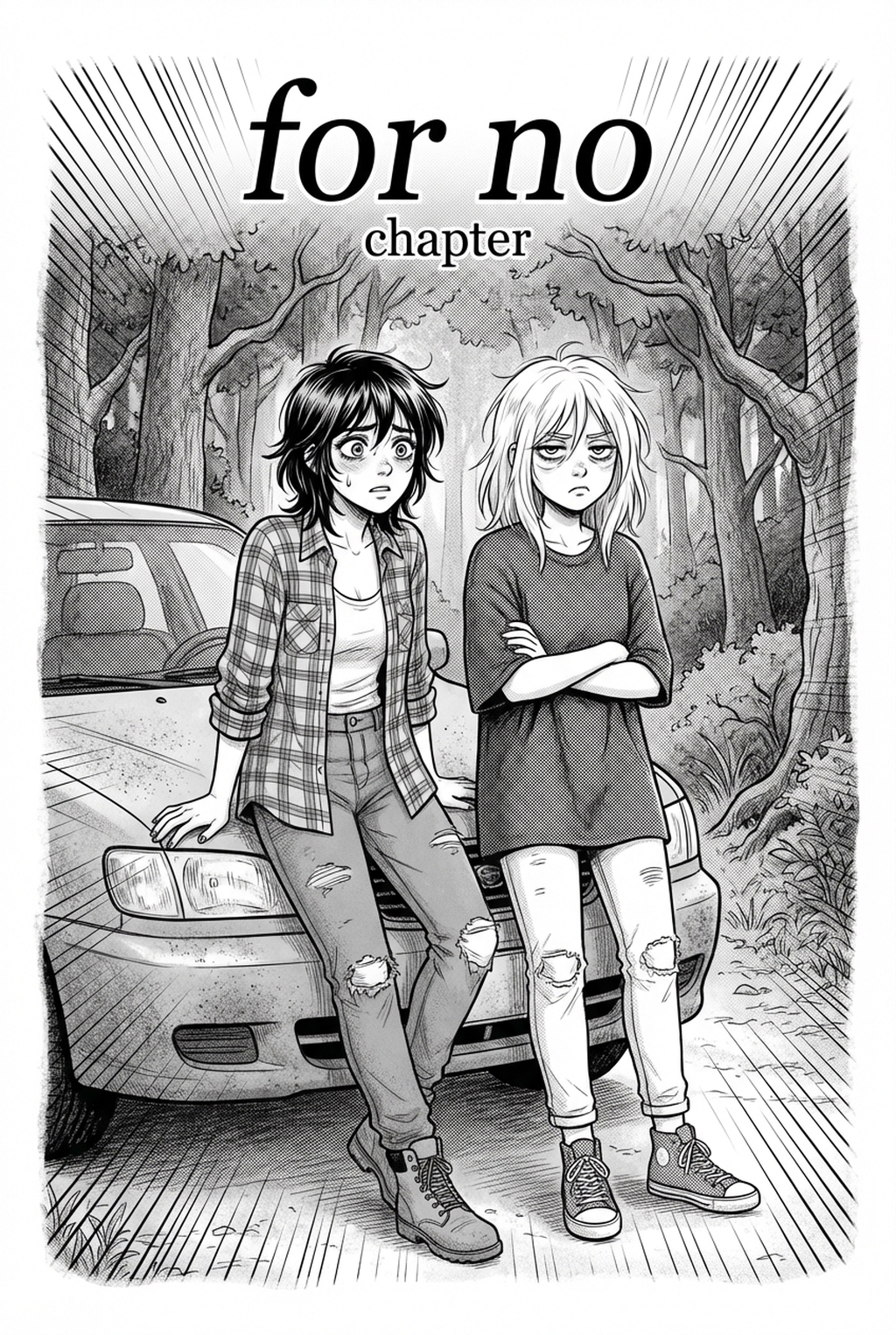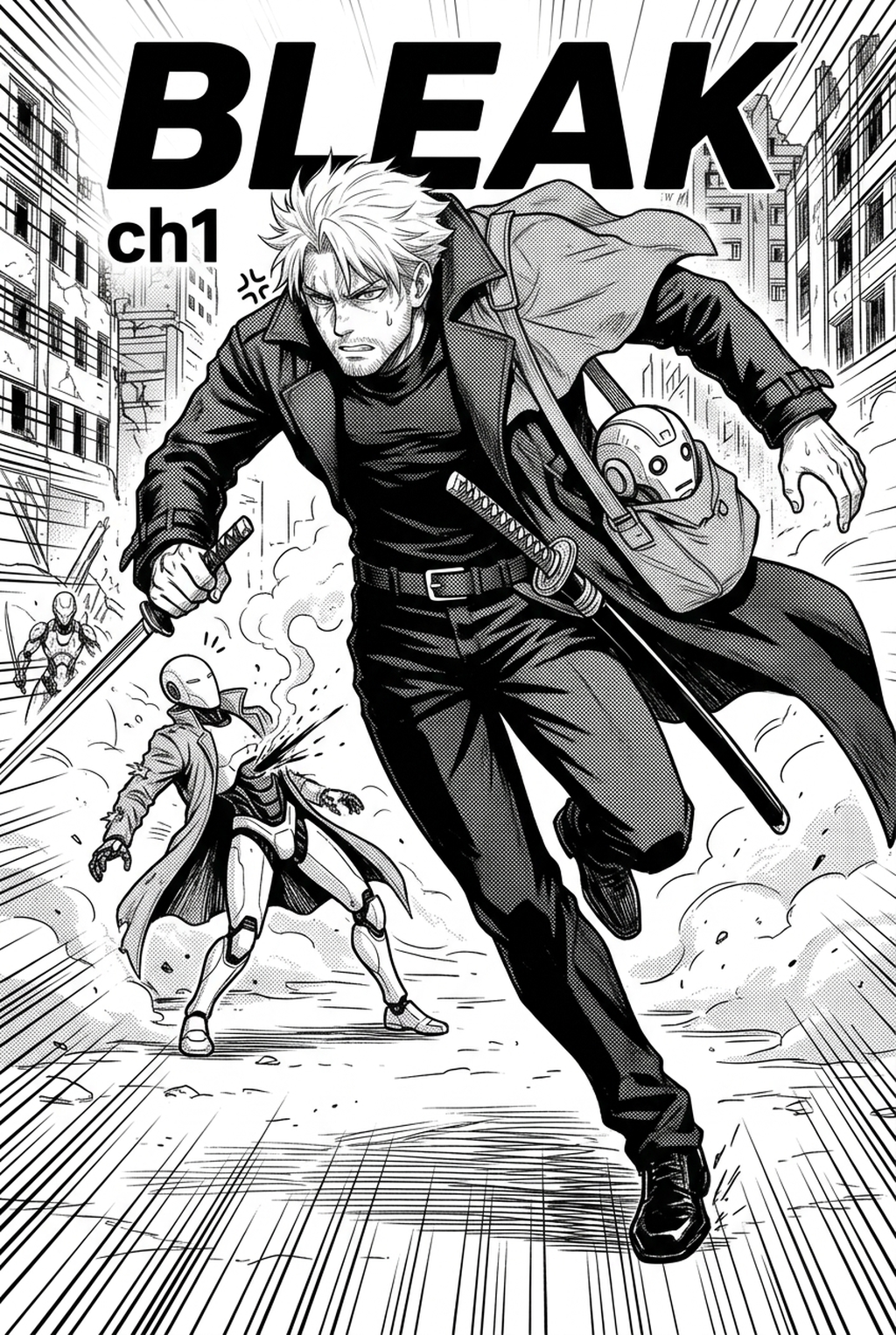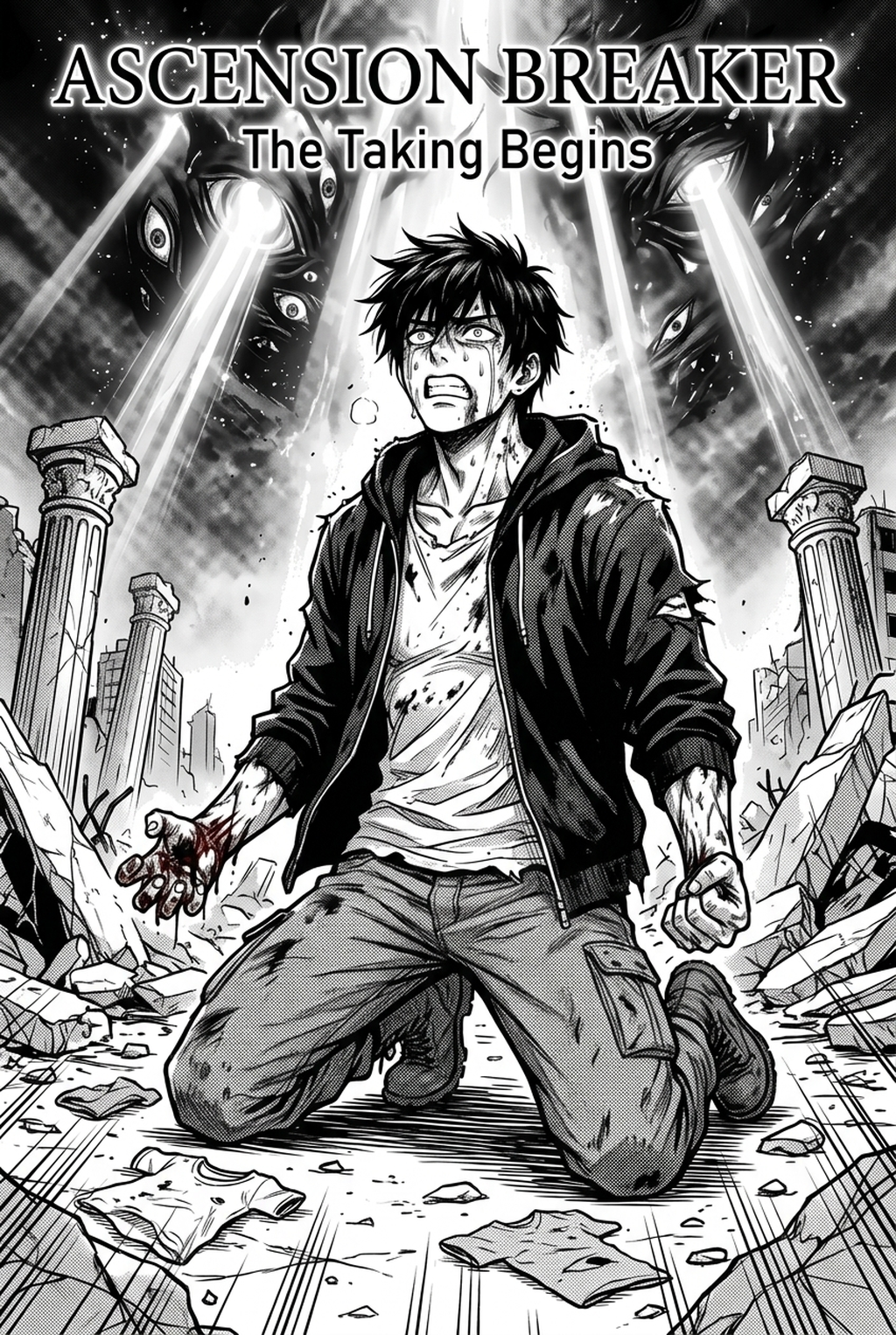
AI Manga Speech Bubble Layout: Foundational Reading Paths
Proper bubble placement relies on the consistent, established reading direction of your target market, usually right-to-left for traditional manga. When a panel includes multiple characters, your primary goal is to guide the reader’s eyes through the text in a sequence that mirrors the emotional intensity of the scene.
The most common reading path, the Z-pattern, dictates that the reader scans from the top-right of a panel to the top-left, then drops down to the bottom-right and concludes at the bottom-left. If you place a text bubble in the bottom-right corner before the top-left, you force the reader’s eye to backtrack, which creates a jarring narrative stall.
- Top-Right Priority: Always assign the first piece of dialogue to the upper-right area to capitalize on the reader’s natural entry point. * Vertical Pacing: Use varying bubble sizes to denote pauses or emphasis, ensuring the largest balloons don't crowd the character's head. * Safe Zone Integrity: Keep all text at least 3-5mm away from the panel borders to prevent the dialogue from appearing as if it is falling off the physical page edge.
A common error in amateur work is placing the speech tail in a way that creates ambiguity regarding who is speaking. The tail must always originate from the bubble and point clearly toward the character's mouth or throat region, especially in high-density action panels where figures overlap.
Impact on Creator Immersion
Poorly placed dialogue does more than just annoy the reader; it shatters the immersion required for long-form storytelling. When your readers are forced to hunt for the next speaker, they stop engaging with your art and start struggling with the technical layout.
In high-energy Shonen sequences, the physical space for speech bubbles is severely limited by motion lines and complex background debris. You must prioritize the character's pose and the velocity lines of their movement, letting the balloons nestle into the negative space surrounding the action.
Check character consistency, panel readability, line quality, and export readiness before publishing. Creators should also record why the page passed review, which panel details still need manual cleanup, and which export format the next collaborator will use. That makes the subsection useful instead of leaving a short checklist under a large heading.
Many creators fail by leaving too much 'dead space' between bubbles, which slows down the dialogue-heavy scenes that require high tension. Conversely, overcrowding a panel creates a visual roadblock that negates the impact of your line art. Automated tools allow you to reclaim this balance by dynamically calculating the optimal bubble position based on your specific character poses and panel dimensions.
AI Layout Optimization
Automated systems like manga speech bubble placement with Mangaka perform a rapid analysis of your panel composition to calculate where text will cause the least disruption to your line work. By leveraging algorithmic placement, you stop manually shifting bubbles to avoid covering up critical emotional cues, such as a character’s eyes or a subtle smirk.
Consistent balloon padding and tail thickness are the hallmarks of a professional-grade manga page. When these elements vary inconsistently across a chapter, the page loses its cohesion. AI-driven tools standardize these variables, ensuring every page maintains the same visual weight and aesthetic standard as your initial storyboard.
Dialogue-heavy pages often suffer from 'balloon crowding' where circular shapes overlap, creating a messy, cluttered appearance. Strategic overlapping, which AI can suggest or execute, allows you to maintain the necessary text volume while keeping the panel layout clean and accessible for the reader.
Practical Use Cases
A well-executed layout tool does more than just move shapes; it understands the directional requirements of your specific project. Whether you are creating authentic right-to-left manga or prepping a left-to-right localized export, the tool adapts to the reading direction to ensure your sequence remains logical.
- Panel Analysis: The system detects your inked figures and automatically reserves 'bubble-free' zones around key character expressions. * Export Ready Formats: Once the layout is optimized, your pages are ready for export into standard industry formats like PSD or high-resolution PNG for printing. * Workflow Efficiency: By offloading the tedious task of balloon placement, you reclaim hours for inking, tone application, and polishing your character designs.
- Before Export. Creators should compare the generated line art with the original sketch and confirm that facial expressions, props, speed lines, and speech-bubble space still support the scene. A repeatable review pass should cover character consistency, panel readability, background clarity, and whether the final file is ready for coloring, lettering, or editor feedback.
- For Longer Projects. Creators should save approved examples of line weight, face detail, clothing folds, and background density. Those references keep later chapters closer to the intended style. For collaboration, creators should mark which panels are final and which panels still need redraws. Clear status labels prevent an assistant, editor, or colorist from polishing the wrong version.
- For Publishing. Creators should review the page at the actual reading size before export. Small screens expose crowded dialogue, weak silhouettes, and line details that looked fine while zoomed in. For style control, creators should keep a short reference board beside the draft and compare hair shapes, eye details, costume folds, and texture choices before approving the final page.
The Bottom Line
Mastering speech bubble placement is a foundational skill that elevates your work from rough sketches to a published-ready standard. While manual adjustments remain an option, you can streamline your production by using manga speech bubble placement to handle the complex geometry of your panels. Clean, consistent, and logically ordered balloons ensure that your readers remain locked into your story from the first page to the last.
Related articles
Magical Girl Manga Character Design: A Guide for 2026
Manga Cat Character Design: A Guide for Creators 2026
Isekai Manga Character Design: A Guide for Indie Creators